Home Blog Page 6

Alaïa Bay: A Surfing Experience in the Swiss Alps

How is surfing in the Swiss Alps like?

Exciting. Amazing. Exhausting 😉

It is truly fantastic.

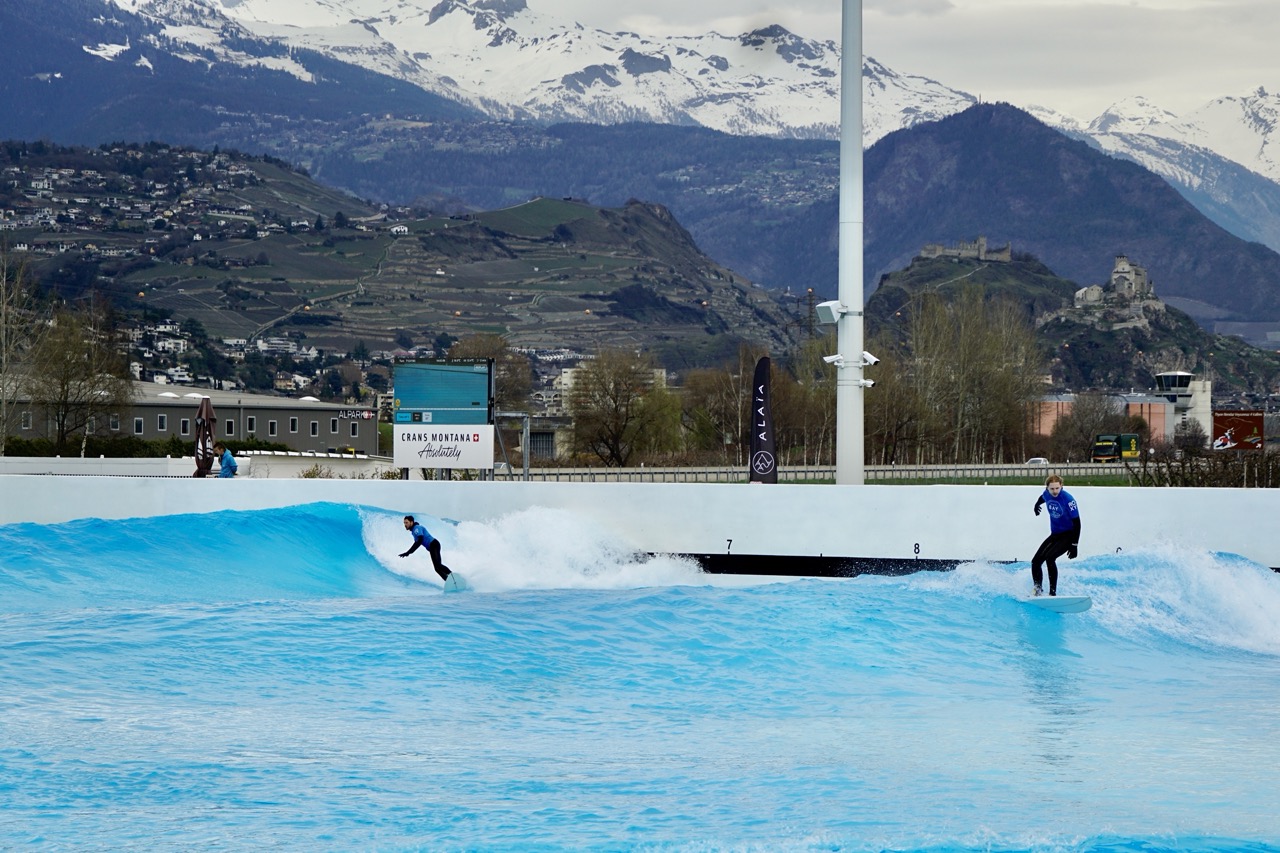
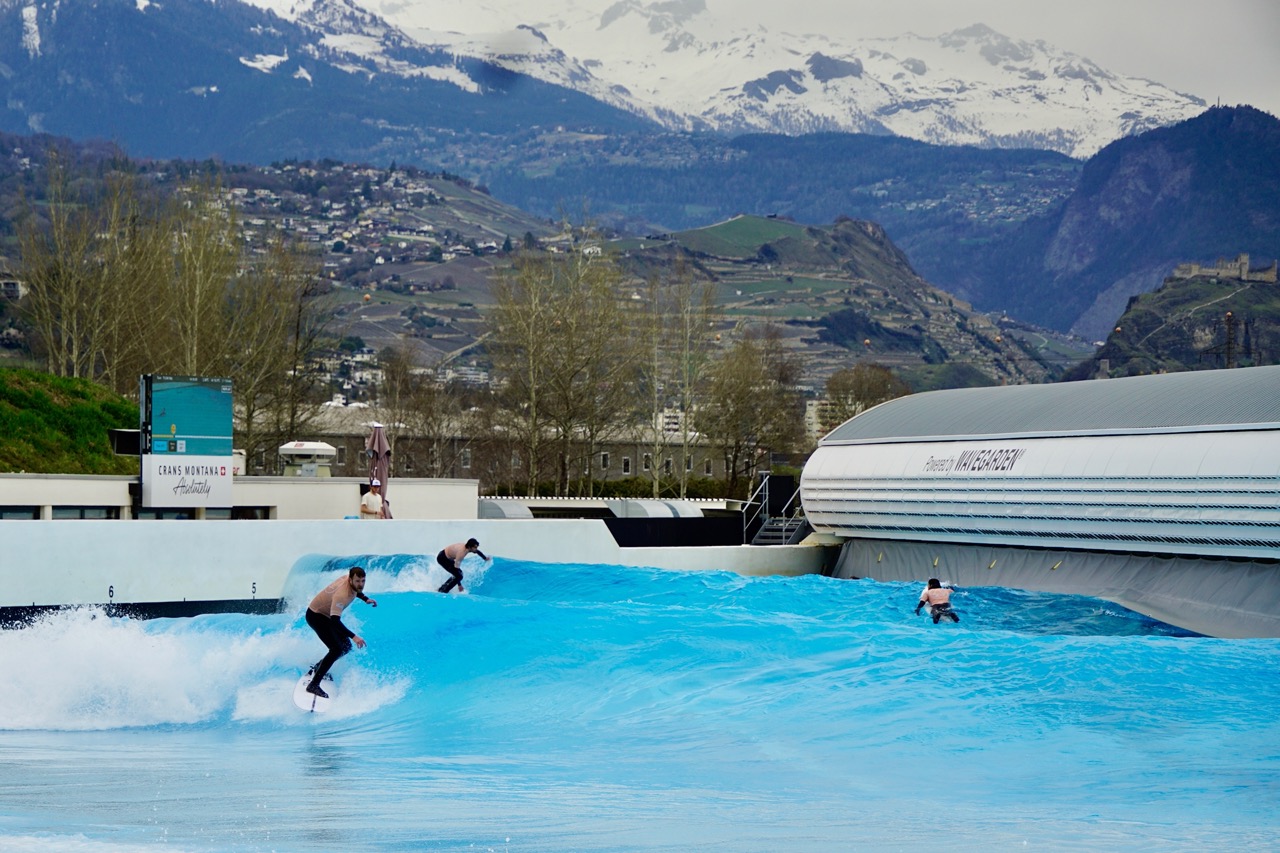
In one hour, you can catch 26 precise waves (in the advanced session). And all this is surrounded by the mountains of the Swiss Alps.

“Surf the Alps” as they say.

alaia bay

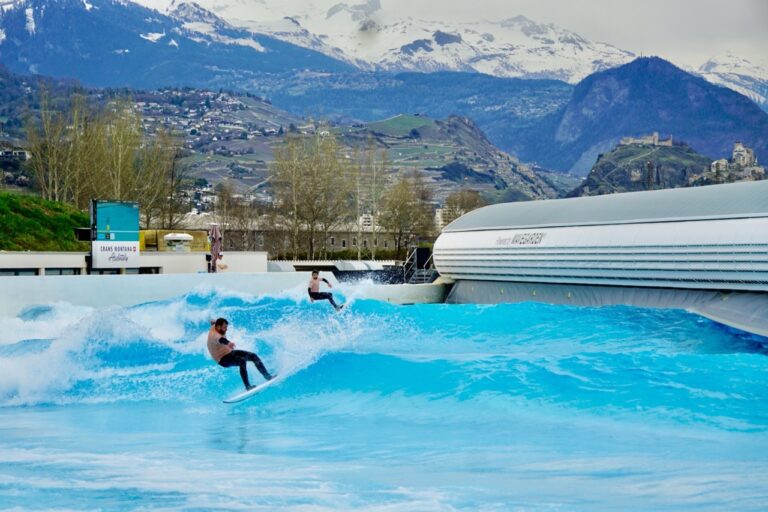
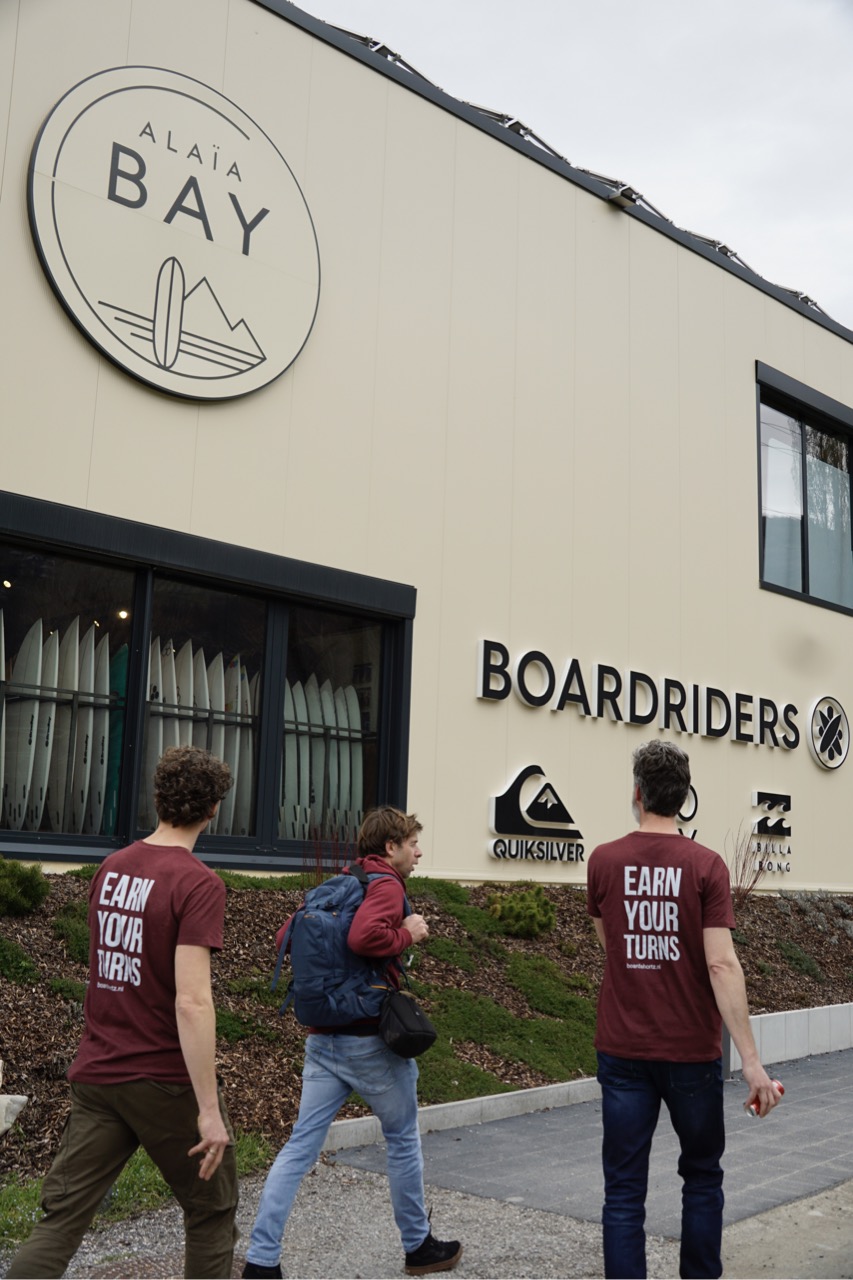
During our annual snow trip, this time to Crans Montana (a trip report to follow), we also got the chance to catch some waves in Alaïa Bay, right in the middle of the massive 3000ers of the Alps.

About Alaïa Bay

In 2015, Alaïa was founded by the Swiss Adam Bonvin, after a surf trip to Hossegor in France. His wish was to bring the atmosphere of surfing to Switzerland. In March 2016, he started a crowdfunding campaign. Around CHF 100,000 was collected within 60 days to kick-start the project and convince investors of his plan.

Now, the Alaïa destination is divided into 5 different areas:

  • Alaïa Bay – Surfing
  • Alaïa Chalet – Skateboarding, Scootering, Trampolining, Parkour, Cheerleading
  • Alaïa Parks – Freestyle snowboarding and skiing + Bike park during the summer months
  • Alaïa Wakesurf – Nautical base in Le Bouveret on Lake Geneva for practicing wakesurfing
  • Alaïa Camps – Action sports camps organized for children aged 8 to 17

And let’s not forget the Alaïa Lodge, the chill hotel where we stayed.

By the way, the name “alaïa” comes from the first surfboards used by the Hawaiians at the end of the 19th century. Made of wood, very thin, with a rounded nose, a square tail, and without a fin.

Now back to surfing at Alaïa Bay.

26 Waves in an Hour at Alaïa Bay

surf the swiss alps

At Alaïa Bay, you get 26 waves in one hour. And that is super cool. And pretty intense. The waves just keep coming, and you want to catch them all. That’s why here’s a tip: take a break and let one go by, so you don’t get too tired and make mistakes. It’s a shame to miss a wave.

And another tip: book at least 2 sessions. Yes, it’s quite pricey (CHF 130 per session), but you won’t regret it after the session. It’s worth it. Why 2 sessions? Because after 1 session, you’ll have a feel for how the wave rises and runs. Then you can get everything out of the second session. And leave the wave pool with an even bigger smile.

How does a session at Alaïa go?

Here’s a chronological view:

  1. Book your session (see also “which surfing level can I choose” below)
  2. Go there. We went by car because we were going skiing and snowboarding in Crans Montana afterwards.alaia bay entrance
  3. Alaïa is not very noticeable when you drive there, no big billboards or anything. But your directions will take you there.
  4. Check-in at the reception as soon as you enter.
  5. You will receive a wristband so you can go through the gates to the pool. With your wristband, you can rent your board and store your clothes in a locker.
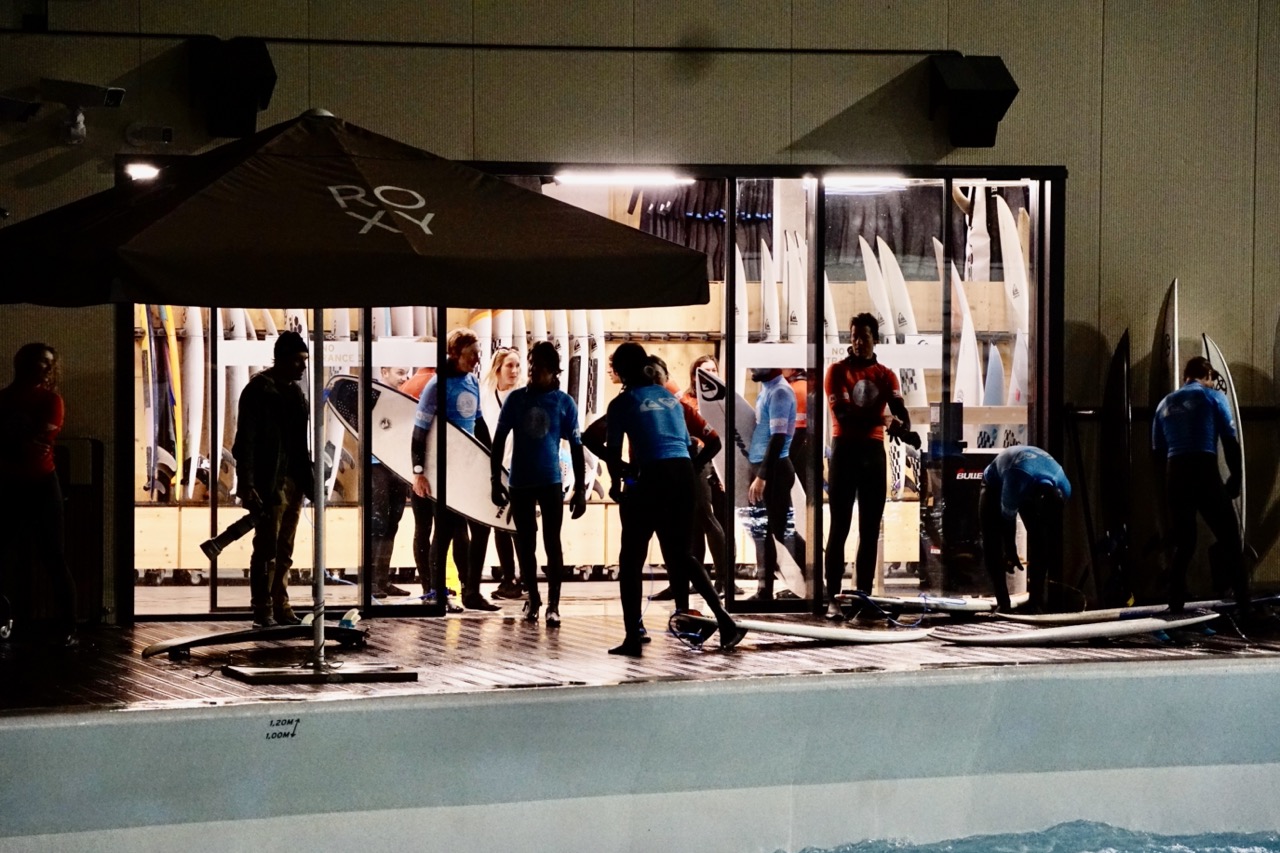
  6. Go through the gates to the surf rental area. Choose your board there. If you are not sure which one, they are happy to help.
  7. You will also receive your wetsuit there. And they will request that you check in at the pool 20 minutes before your scheduled time to
  8. If you have some extra time, you could head to the relaxed restaurant with a terrace and watch the surfers from there. It’s really cool to see how they’re doing. You can also watch from the edge of the pool, which is useful because you can see how the waves are breaking and how other surfers are riding them.
  9. Once you’ve changed into your surfing gear, you’ll need to arrive at the edge of the pool at least 20 minutes before your session begins. Here, you’ll learn how to enter the water, where to paddle out, where and how to catch the waves, and what to do if you wipe out.
  10. Then it’s time to get in the water. You’ll lie down at a numbered marker along the wall, which they’ll tell you about beforehand.

The waves come in sets. After each set, there’s a brief pause of about thirty seconds, so everyone can paddle back out before the next set begins. This goes on continuously.

One really helpful feature is that you can watch a replay of your session on a large screen by the pool. This allows you to see what’s working well and where you can improve, making it perfect for making progress.

Practical information about Alaia Bay

What surf levels can you choose from?

Alaia Bay is for everyone, from beginners to pros, from kids (aged 8 and up) to grandparents. There are eight levels in total:

  • Beginner, up to 0.8m in height.
  • Waikiki, up to 1.0m in height.
  • Malibu, up to 1.2m in height.
  • Intermediate, up to 1.4m in height.
  • Advanced, up to 1.6m in height.
  • Expert, up to 1.6m in height.
  • Pro, up to 1.6m in height.
  • Beast, up to 1.6m in height.
  • Megaturn, up to 1.8m in height.

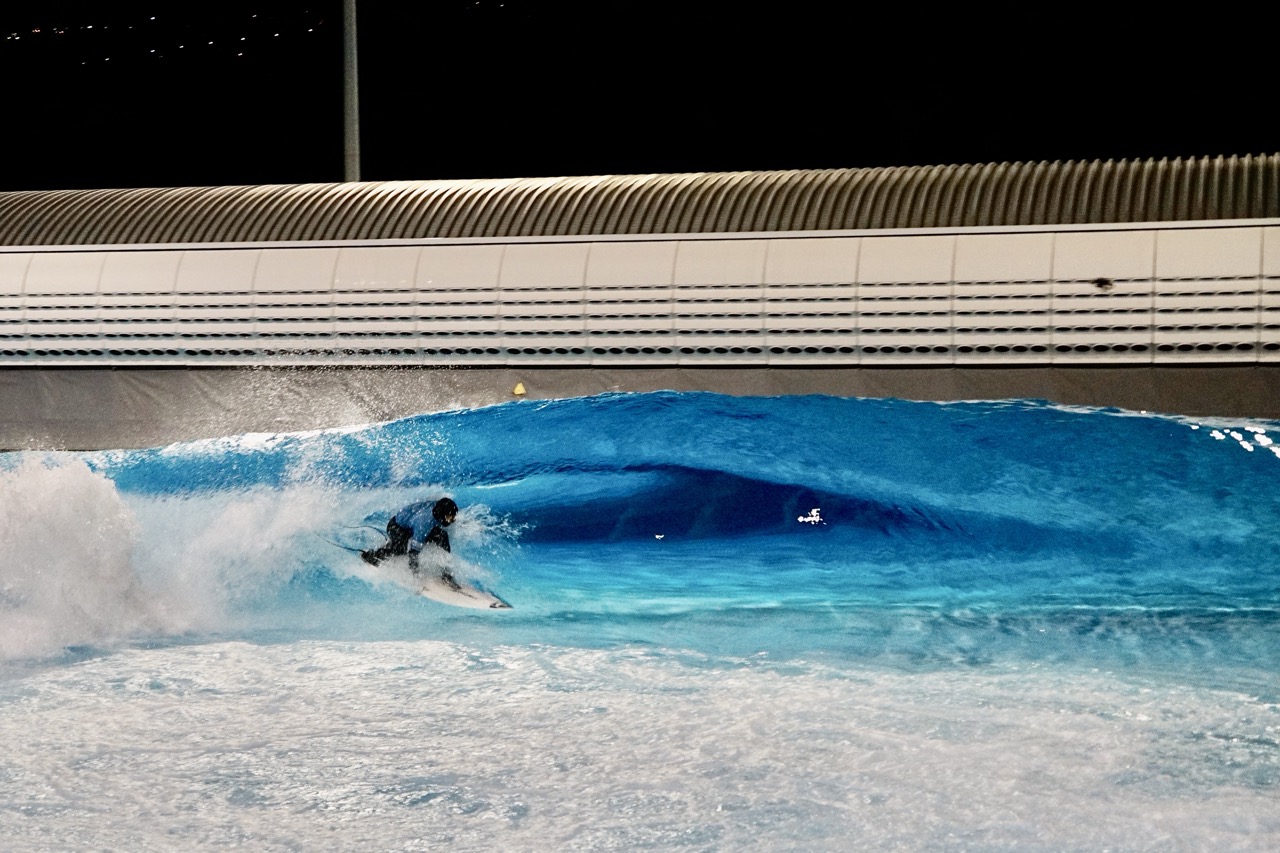
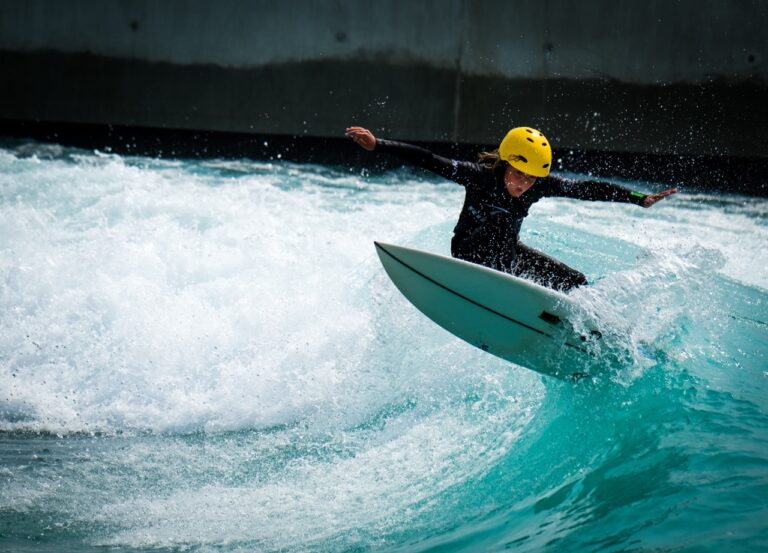
pro surfer in alaia bay

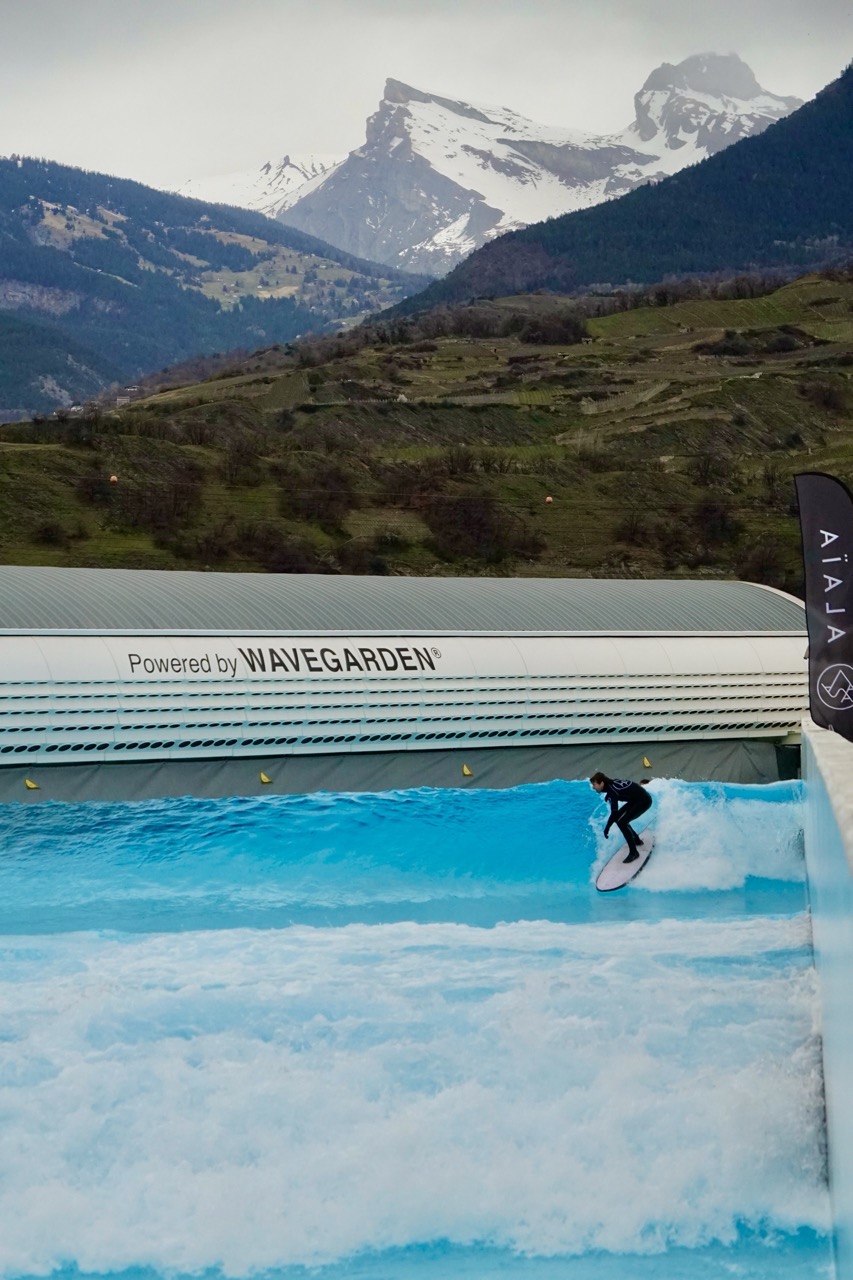
For the average “intermediate” surfer, it’s best to choose “advanced.” It looks like this:

alaia bay surfing

Even though it can be quite intimidating, once you make the take-off, the wave is fantastic. The take-off is relatively steep on the side, but if you move half a meter towards the inside, it becomes much easier. Once you catch the wave, everyone will agree that it’s a sick ride.

If you’re unsure about which level to choose, they have a “level selector” tool on their website that can help you determine your surfing level. Alternatively, you can send a video of yourself popping up and catching a wave.

Check out this video to get a good idea of the waves:

Do you need to bring your own board?

No, you don’t have to. Although, of course, you’re welcome to bring your own board.

They have dozens of boards for every level, so you can rent a board. You can always bring your own board if you prefer. However, given the range of choices available, we wouldn’t recommend it. They have long soft-top boards and shortboards in all sizes.

surf rental alaia bay

What is the water temperature?

The water is not heated. When we were there in late March, the temperature was 11 degrees Celsius, which is quite comfortable compared to Dutch winter temperatures. The water temperature changes with the outside temperature, so you can surf in your boardshorts during the summer.

How much does surfing in Alaïa Bay cost?

The prices vary by season and time. Weekdays are cheaper than weekends during the summer holidays. However, expect to pay at least €130 per session. It’s more expensive in the summer, so add around €20 per session.

The rental prices are as follows:

  • Surfboard: 25 euros per day
  • Wetsuit: 10 euros per day

How do you get to Alaia Bay?

There are several options:

  • Take the train from the Netherlands to Sion.
  • Fly to Geneva and then take the train or drive to Sion.
  • Drive directly to Sion.

Having a car is convenient once you are there.

Check out the location of Alaïa Bay (the surf icon) here:

Need a location to stay? Check it now.

Riding the Waves: Everything You Need to Know About Wave Pools

As summer approaches, the thought of spending time by the water becomes more and more appealing. While the beach is a popular choice for many, wave pools offer an exciting alternative. Wave pools have become increasingly popular over the years, with many amusement parks and water parks featuring them as a main attraction. In this article, we will explore everything you need to know about wave pools, from their benefits to safety measures.

Benefits of Wave Pools:

Wave pools offer several benefits that make them an attractive option for water enthusiasts:

  1. Controlled Environment: Unlike the beach, wave pools offer a controlled environment where water conditions are monitored and adjusted to provide the best experience for swimmers.
  2. Fun for All Ages: Wave pools are suitable for people of all ages, making them an ideal family-friendly activity.
  3. Easy Access: Wave pools are typically located in water parks and amusement parks, making them easily accessible and convenient for visitors.
  4. Variety: Wave pools come in different sizes and shapes, offering a variety of experiences for swimmers.

Types of Wave Pools:

There are different types of wave pools available, including:

  1. Standing Wave Pools: These pools are designed for surfing and offer a continuous wave that mimics ocean waves.
  2. FlowRider Wave Pools: These pools offer an endless wave that is perfect for bodyboarding and surfing.
  3. Adventure Wave Pools: These pools are designed for adventure and offer a variety of waves and water features, including waterfalls and geysers.

Safety Measures:

While wave pools offer a fun experience, it is important to ensure safety measures are in place. Here are some safety measures that should be taken when using wave pools:

  1. Follow Instructions: Always follow instructions and rules posted around the wave pool area.
  2. Wear Proper Attire: Wear proper swimwear and avoid loose clothing or jewelry that can get caught in the waves.
  3. Use Floatation Devices: Use floatation devices if you are not a strong swimmer.
  4. Know Your Limits: Do not attempt to swim in waves that are too strong for your abilities.
  5. Stay Hydrated: Drink plenty of water and avoid alcohol when using wave pools.

FAQs:

Are wave pools safe for children?

Wave pools are generally safe for children, but it is important to supervise them at all times and ensure they are wearing appropriate floatation devices.

How deep are wave pools?

The depth of wave pools varies, but most range from 3 to 6 feet deep.

Can you surf in a wave pool?

Yes, there are wave pools designed specifically for surfing.

Wave pools offer an exciting and fun-filled experience for water enthusiasts. With proper safety measures in place, they can be enjoyed by people of all ages. From standing wave pools to adventure wave pools, there are a variety of options to choose from. So, grab your swimwear and head to your nearest wave pool for an unforgettable experience!

Features and Benefits of wave pools for all surfing levels

For Beginner Surfers

Learning to surf can be intimidating, but wave pools offer a safe and controlled environment for beginners to practice. Wave pools provide consistent waves that are easy to catch, making it easier for beginners to learn the basics of surfing. Additionally, wave pools are usually located in a controlled environment, meaning there are no hazards such as rocks or riptides. Beginner surfers can benefit from the safe and controlled environment of a wave pool.

For Intermediate Surfers

Intermediate surfers often face the challenge of progressing their skills, but wave pools offer the perfect environment to do so. Wave pools provide consistent and controlled waves, allowing intermediate surfers to practice specific maneuvers repeatedly. This repetition can help surfers improve their technique and gain confidence in their abilities. Wave pools also offer the opportunity to surf on flat days, making it easier for intermediate surfers to stay on top of their game.

For Advanced Surfers

For advanced surfers, wave pools offer the opportunity to push their limits and try new things. Wave pools provide waves that are consistent and controllable, allowing advanced surfers to attempt maneuvers they may not have tried in the ocean. Additionally, wave pools often offer different types of waves, such as barrels or point breaks, giving advanced surfers the chance to try new experiences.

Wave Pool Surfing Locations and Technology

The world of surfing has always been associated with the ocean, the sun, and the sand.

However, the evolution of technology has given rise to a new era of surfing where wave pools and surf parks have become a reality. Surfing enthusiasts no longer have to rely on the weather or the location to enjoy the thrill of riding a wave.

Wave pools have become the go-to destination for surfers around the world. In this article, we will explore the technology behind wave pools, the best wave pool surfing locations, and everything else you need to know about this emerging surfing trend.

The Rise of Wave Pools and Surf Parks: From a Surfing Dream to a Reality

Wave pools and surf parks have been a surfing dream for decades. But, it was not until the last two decades that technology caught up with the dream.

The first wave pool was built in 1927 in California, but it was not until the 21st century that wave pool technology took off.

Today, there are more than 25 wave pools worldwide, and the number is growing. Wave pools have become a multi-million dollar industry, attracting surfers and non-surfers alike.

Wave Pool Surfing Technology: How Do They Work?

Wave pool technology works by creating artificial waves in a pool using a variety of mechanisms. Some wave pools use a mechanical wave generation system, while others use pneumatic or hydraulic systems.

The mechanical system uses a device that pushes water into a chamber, creating a wave. The pneumatic system uses air pressure to create a wave, while the hydraulic system uses a piston that pushes water into a chamber, creating a wave.

The Top Wave Pool Surfing Locations Around the World: From Europe to Australia

Wave pool surfing locations are spread around the world, offering surfers different experiences and challenges. Some of the most popular wave pool surfing destinations include:

  • The Cove by Wavegarden in Spain, some of the most consistent and versatile waves
  • Alaia Bay Switzerland, an even better version of The Cove.
  • The Surf Ranch in California, known for its perfect barrels.
  • BSR Surf Resort Waco by American Wave Machines,
  • Surf Lakes Yeppoon Australia,
  • Surf Snowdonia in the UK.
  • Siam Surf park Tenerife.

Wave pools offer endless opportunities

for surfers to progress and have fun. Whether you’re a beginner or an advanced surfer, wave pools provide a safe and controlled environment to learn and practice. With so many options available around the world, it’s easy to find a wave pool near you. So what are you waiting for? Start searching for wave pool locations and experience the benefits for yourself.


Life in a campervan in Sardinia and surfing waves

Sardinia is an island that lends itself perfectly to exploring with a campervan. And to score waves. Even in August when you visit the island in hyper-high season. As we did.

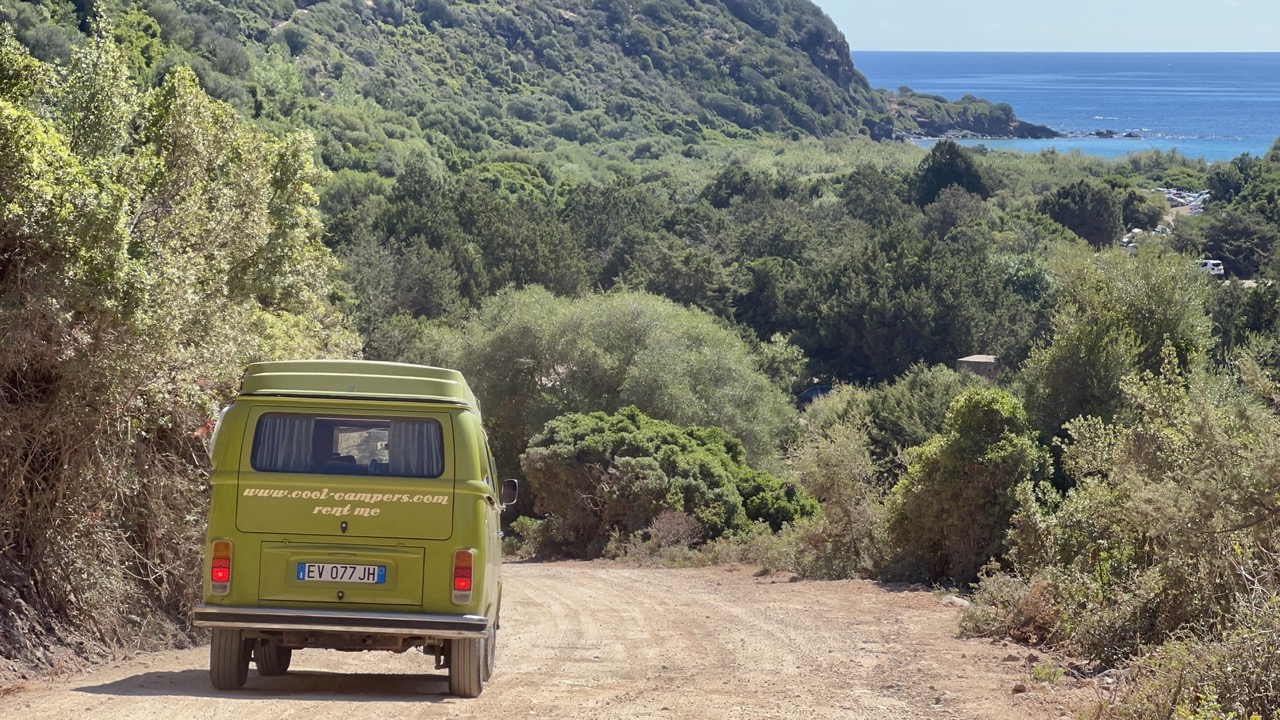
In the summer of 2022, we travelled with the family and a campervan, a VW t2, along the northwest and northeast coast of Sardinia.

campervan sardinia rental

As Google promised, we would see the most beautiful beaches in Europe, stood on great campervan spots and we even surfed.

Below you will find:

  • Where did we hire this beautiful green campervan?
  • Which camper spots are a must-do?
  • Where can there be surf?
  • And some more practical tips if you want to travel through Sardinia with a campervan.

Cool campers

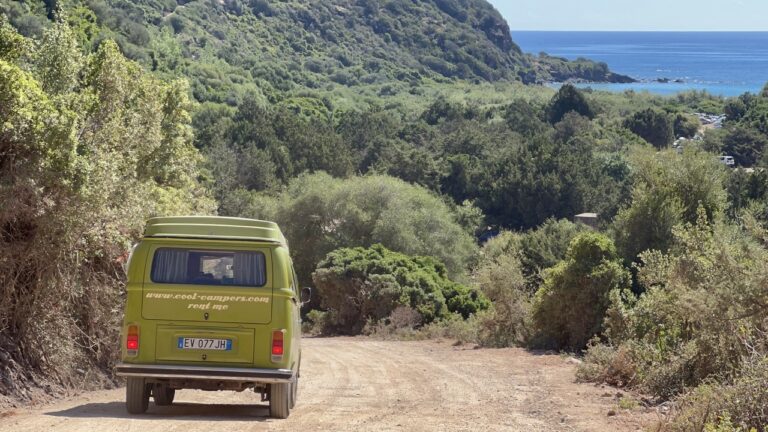
We hired Anna, the VW t2 van, via Cool Campers. Relatively small, but well maintained and driving like a dream. Both uphill and downhill. We never went faster than 80km per hour. One of the advantages of such a camper. Slow life.

cool campers sardinia

Cool Campers in Sardinia is run by Antonio and Amandine. Antonio also has connections with local surfers. This worked out well for us for example, because after 2 days we received a whatsapp that the next day in the evening there was a chance for good waves. And that Porto Ferro would be the place to be.

Check here Cool Campers

Porto Ferro

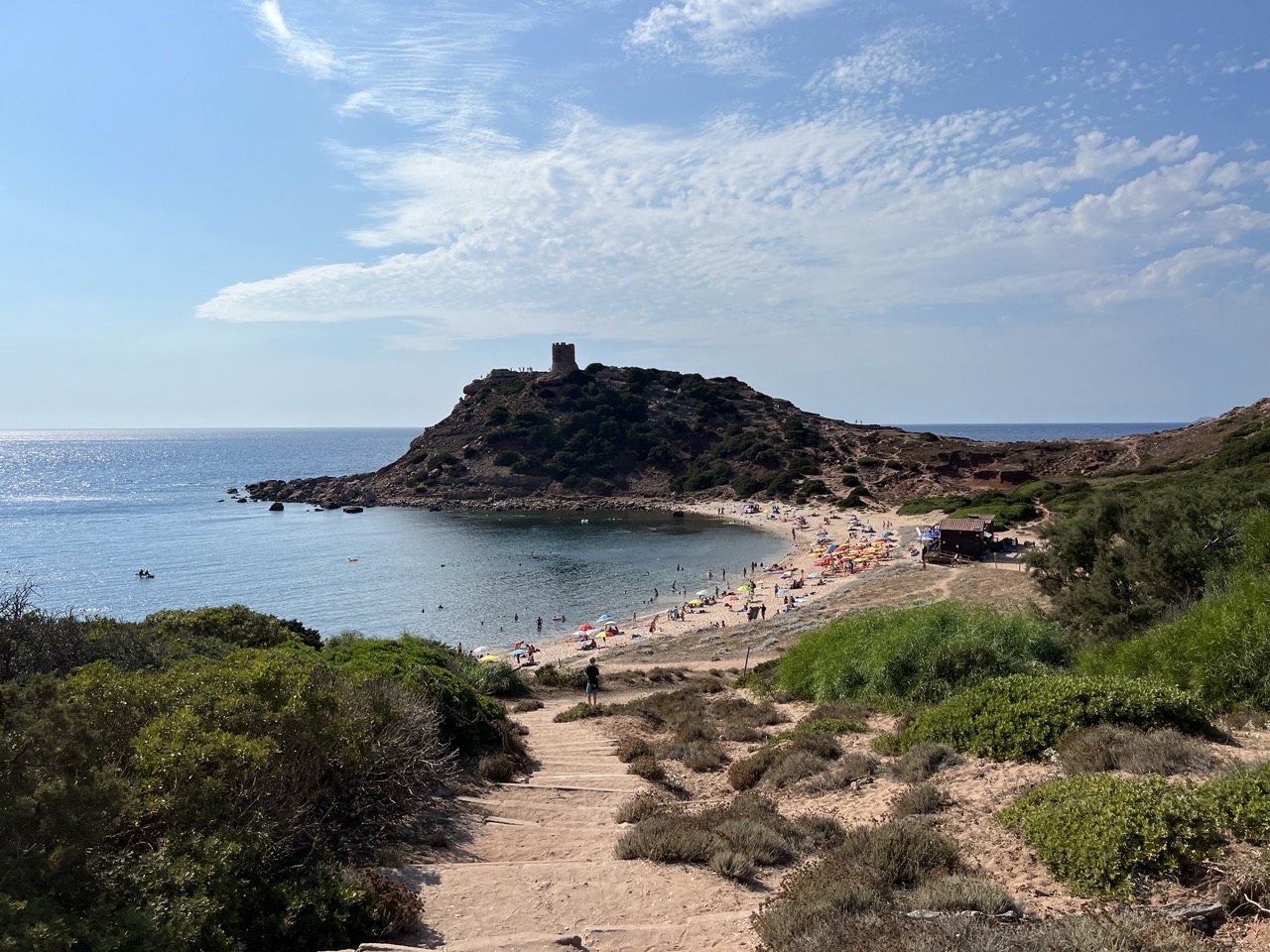
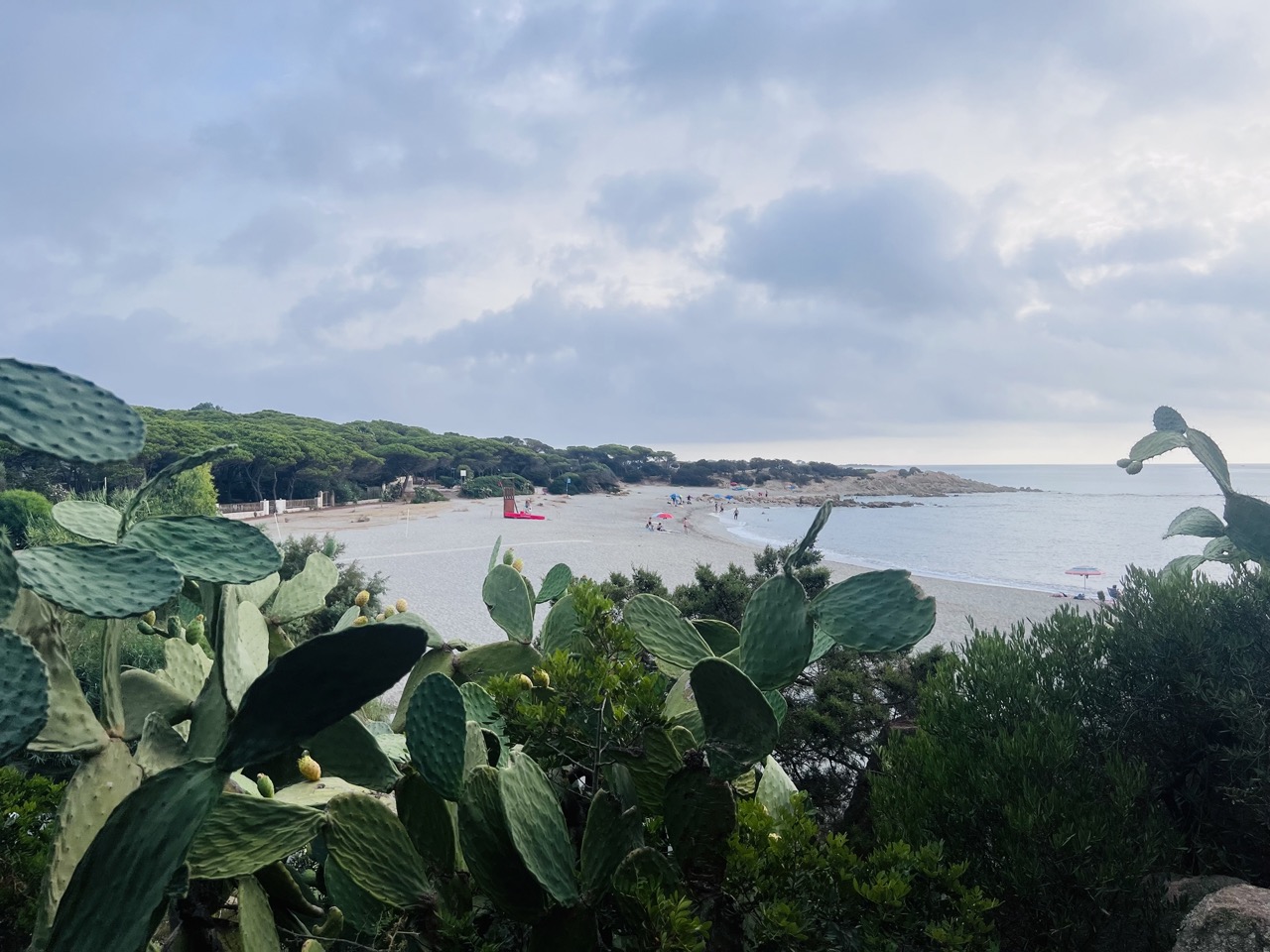
Porto Ferro is a beach just above the campsite where we stayed the first few nights. Camping Torre del Porticciolo. A great campsite by the way, with a large and very clean swimming pool (a bathing cap on). And next to a classic half-moon bay where you can do good snorkelling.

You can see it right from the campsite:

Porto Portociollo

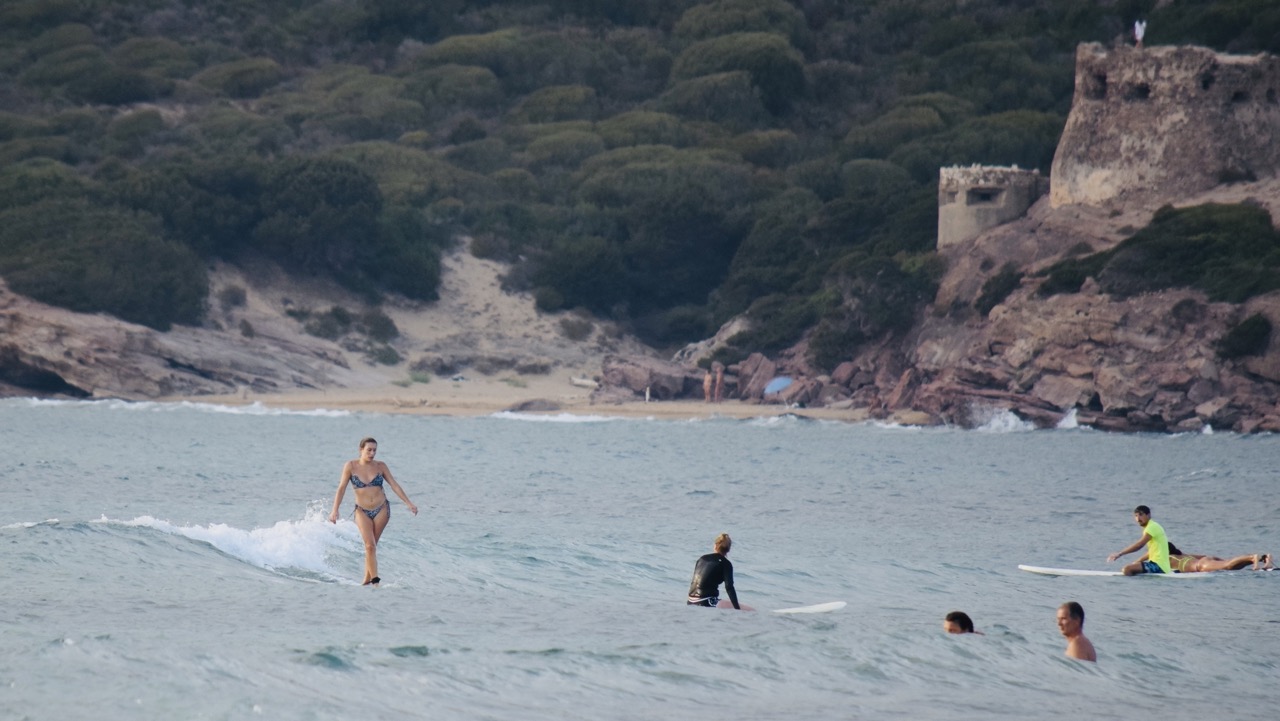
In this area we had a nice surfing evening. Indeed, Antonio’s forecast turned out to be right. We had to drive 10 minutes north. To Porto Ferro. And got this:

surfing sardinia porto ferro

Read more about surfing in Sardinia here

Alghero

Alghero is also close by. In the travel books it is described as the Barcelona of Sardinia. Well, it is much too small for that. It did remind us a bit of San Sebastian with its old town. But then small. Very authentic. Nice little streets. Delicious food.

Several boat trips go from here. Among others, a boat trip to the caves of Neptune. One of the major attractions in this region.

Wild camping in Sardinia

Wild camping is sort of allowed in Sardinia. But not really. What can you do with it? At least that was the information we got.

With a campervan you can easily go to a campsite. Also in August. The highest season. Just to be sure, you should check beforehand whether there really is a place available. In other months you should be able to get a spot anyway.

The camping rates are high.

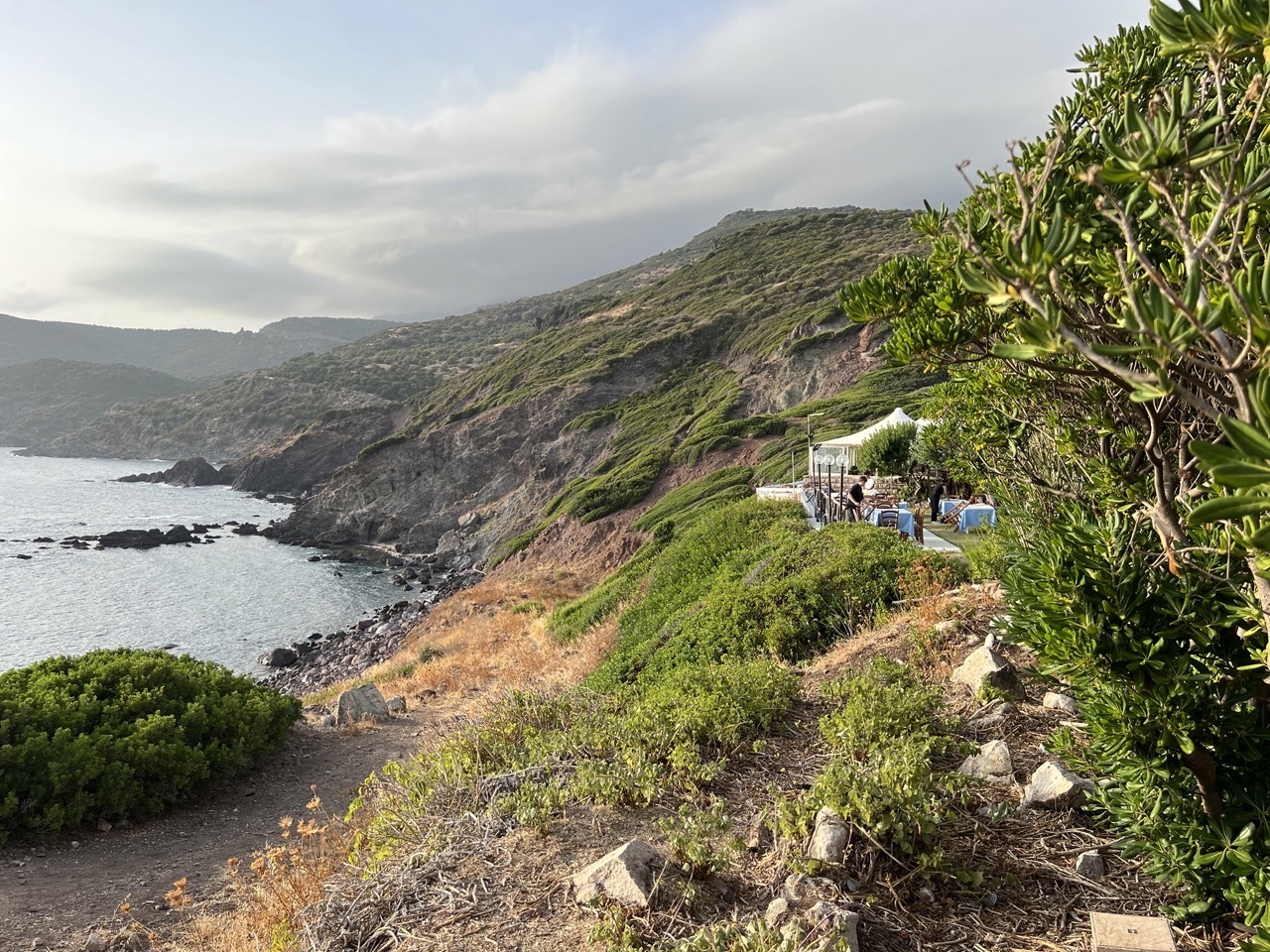
More than 50,- per night. Even up to 100,- per night. But we have also stayed somewhere for 10,- a night, but that was not on a campsite. That was on a pitch next to a restaurant. On the edge of a cliff. Where there was plenty of room for say 5 to 7 campers.

This is the location

And this is wat it really all is about:

great camperspot sardinia

With this view. Right you see the restaurant. An absolute must. And directly under the restaurant you will find crystal clear water for a snorkelling party.

We found this place through the app Park4Night. If you do not use this app yet. It works great to find nice and good addresses to stay overnight. We have used nothing but Park4Night for all our subsequent places.

Download:

With the campervan to Orosei

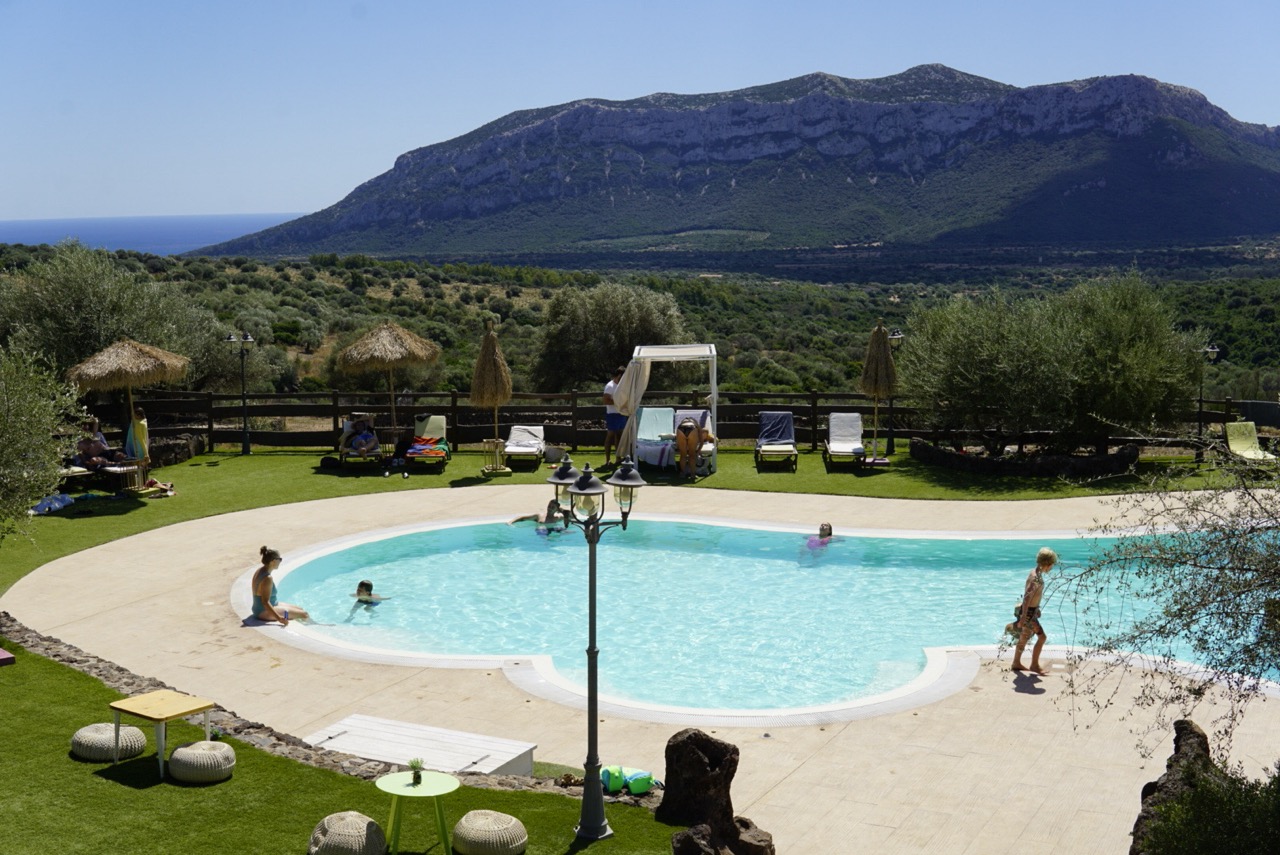
Halfway through the campervan trip, we crossed over to Orosei. This coast had to be amazing. And it turned out to be. A disappointment, it is just a bit busier here. Here we stayed a couple of nights at Agriturismo S’ozzastru. Again, a top spot.

Spending time in the hills, so cooler. Beautiful swimming pool. Space. And delicious food if you want.

agriturismo s'ozzastru

From here we made beautiful trips with the camper.

A long and nice walk through the hill and riverbed with a guide (Sergio from Jebel Sardinia).

And with a boat for a day along the coast. Snorkelling, chilling, sailing.

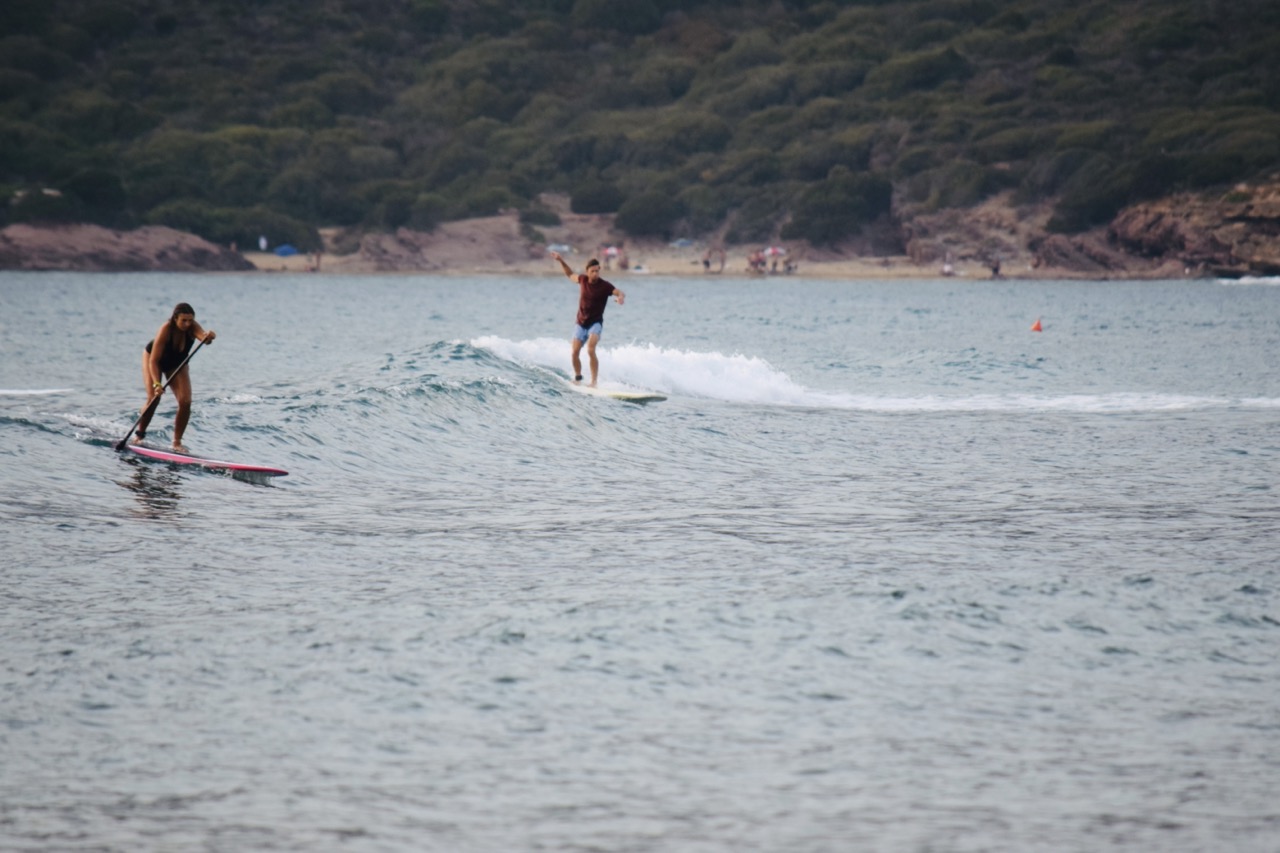
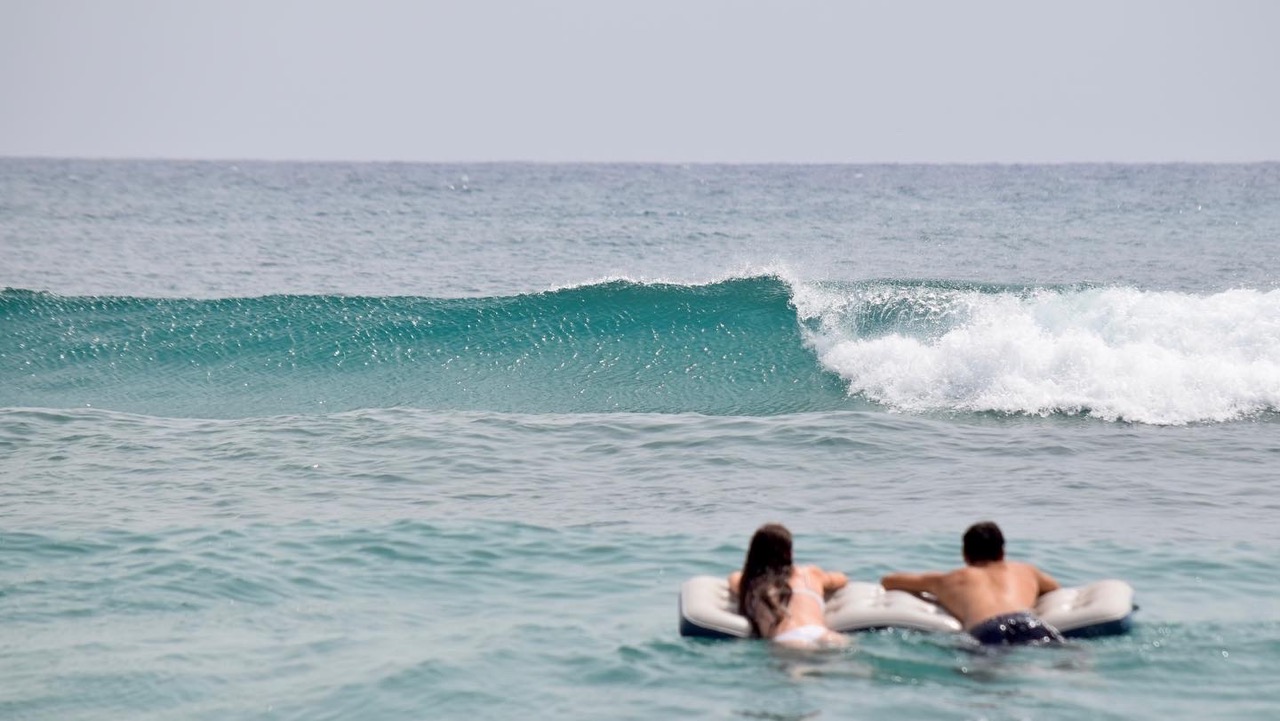
We also managed to score an afternoon of waves here. At Cala Ginepro.

First it was flat:

orosei beaches


Then a bit of a wait:

waves sardinia

And then this:

Maddalena islands

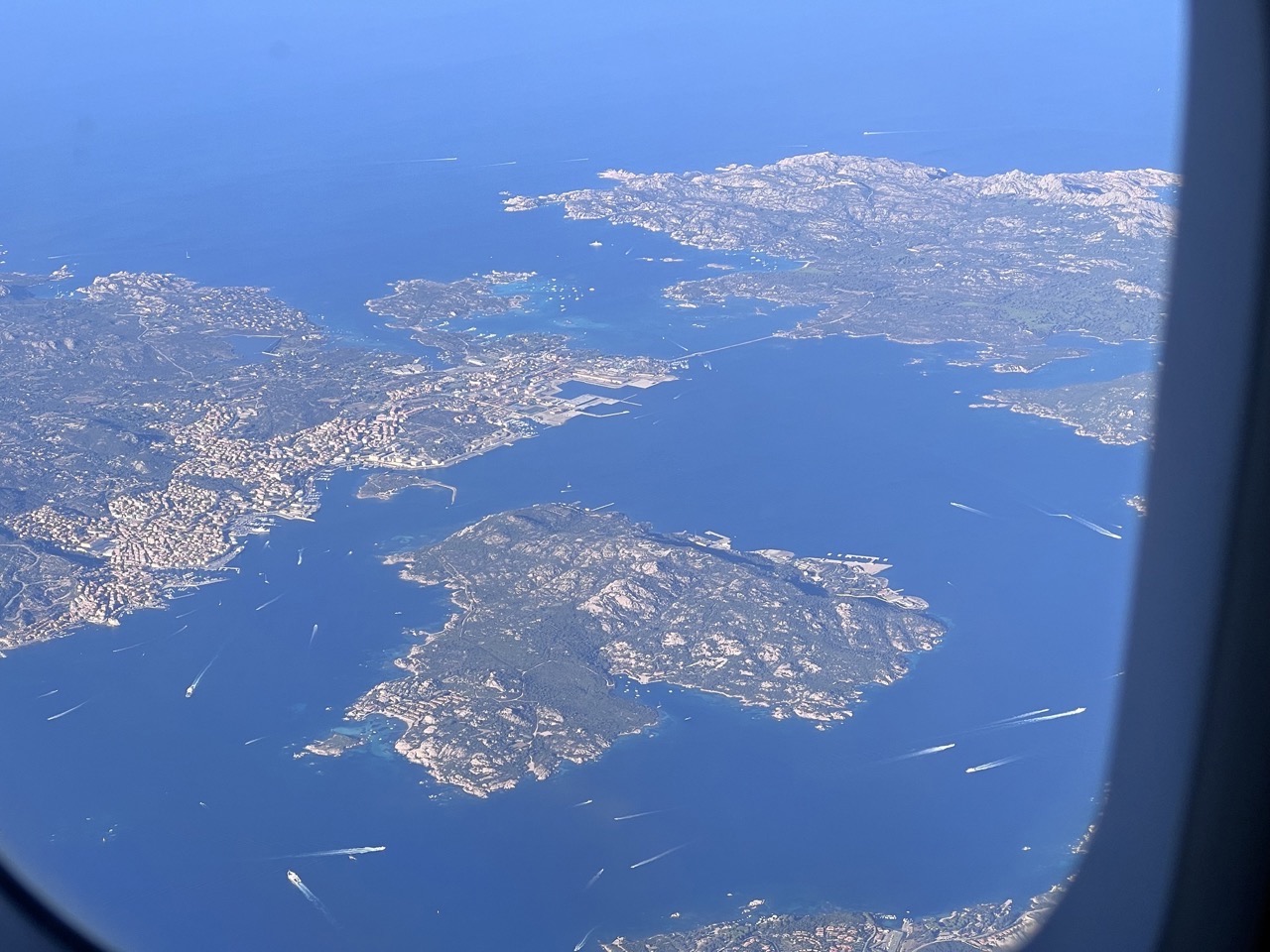
Finally, we drove north with the camper. To Cannigione. Because we were still thinking about visiting the Maddalena Islands. The potential crowds and jet-set content held us back a little. But fair’s fair, we would have liked an extra day here to do a boat trip. Yes, it is quite busy, but similar to Orosei. And the islands look beautiful. We ended up taking the ferry from Palau to the village of Maddalena. That is 15 minutes.

Maddalena islands

And more than worth it for an evening stroll and good food.

By the way, the ferry goes all night.

Best period to go to Sardinia

What is the best period for a campervan trip in Sardinia?

As you can predict, the summer months (July, August) are hot. Also the nights. Therefore we would not recommend these months.

A holiday in May seems ideal to us and also Sergio, the guide, advised us to do so. Then Sardinia is in bloom. How difficult it is to imagine, but then everything is even more beautiful.

The autumn months are also great, especially if you want a chance to score good surf. Sardinia has many surf days per year. Especially between September and April.

New Surf Guide to France

The average surfers know that France is a 5 star surf destination in Europe. We’ve got a dedicated page about surfing in France.

The surf conditions in France are great. The beaches are beautiful. And the weather – generally – provides the perfect summer temperature from May to late September.

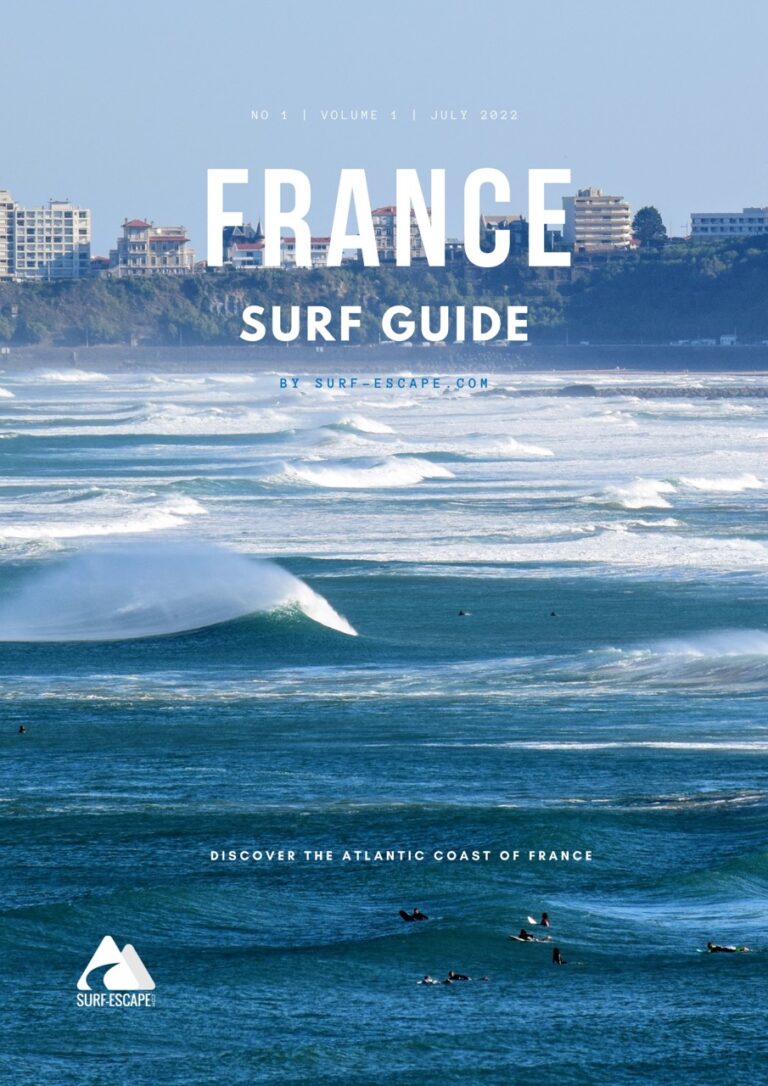
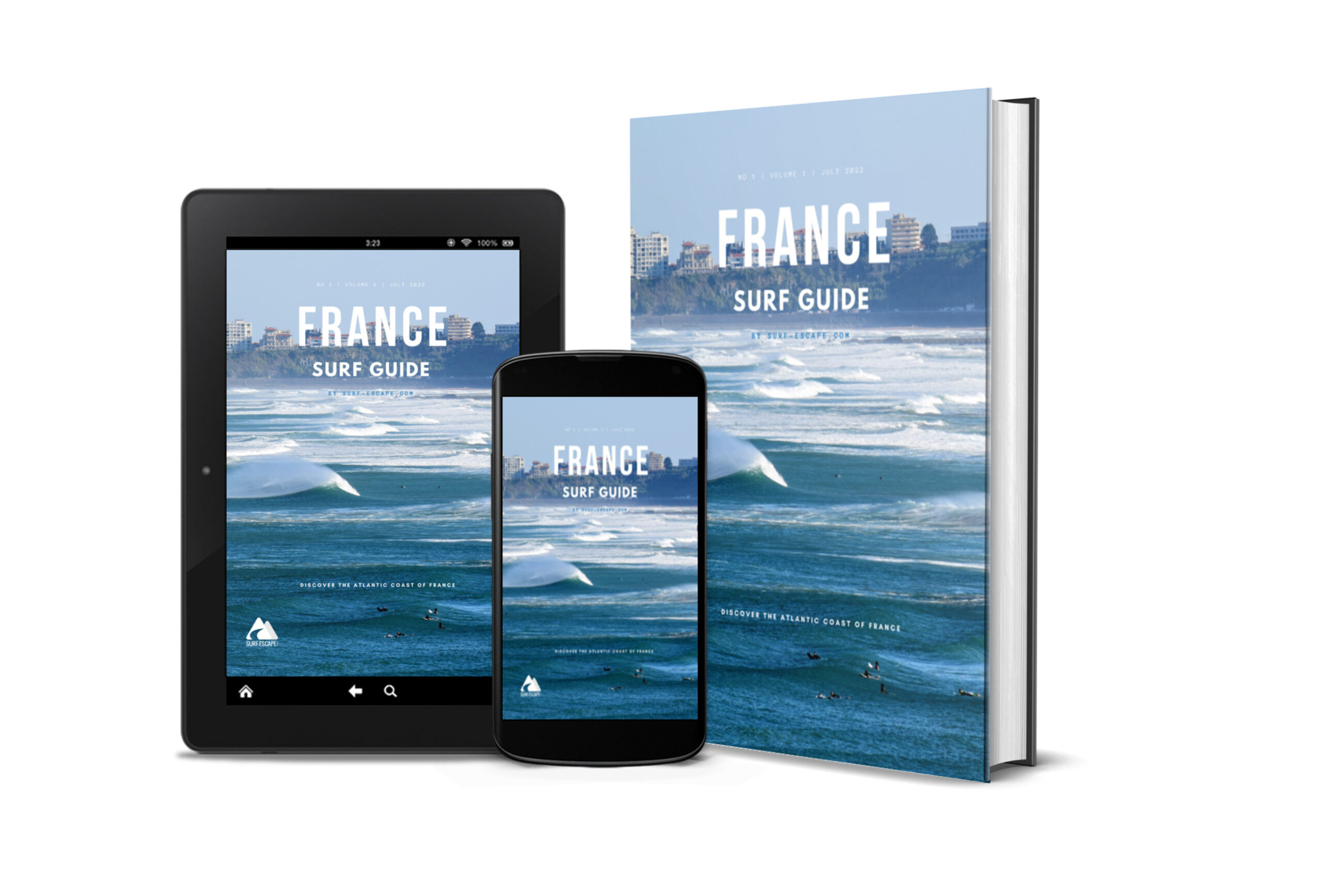
Now, you can download the new France Surf Guide for free.

surf guide france

Foil surfing: all you need to know

Introduction to foil surfing

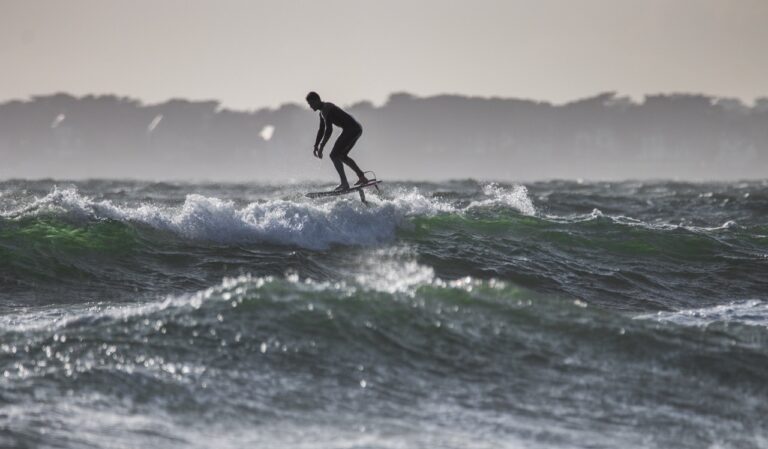
If you’ve ever wondered what it feels like to be a seal, now’s your chance. Foiling is an exciting new sport that involves riding on top of a hydrofoil while surfing. It’s exhilarating, thrilling, and can make even the most novice rider feel like an expert when they’re up on their board. There are many different types of foils that allow for different types of riding styles; however, there are also multiple types of boards to choose from as well. In this article, we’ll be going over everything you need to know about the world of foiling so you can get started today!

What is Foiling?

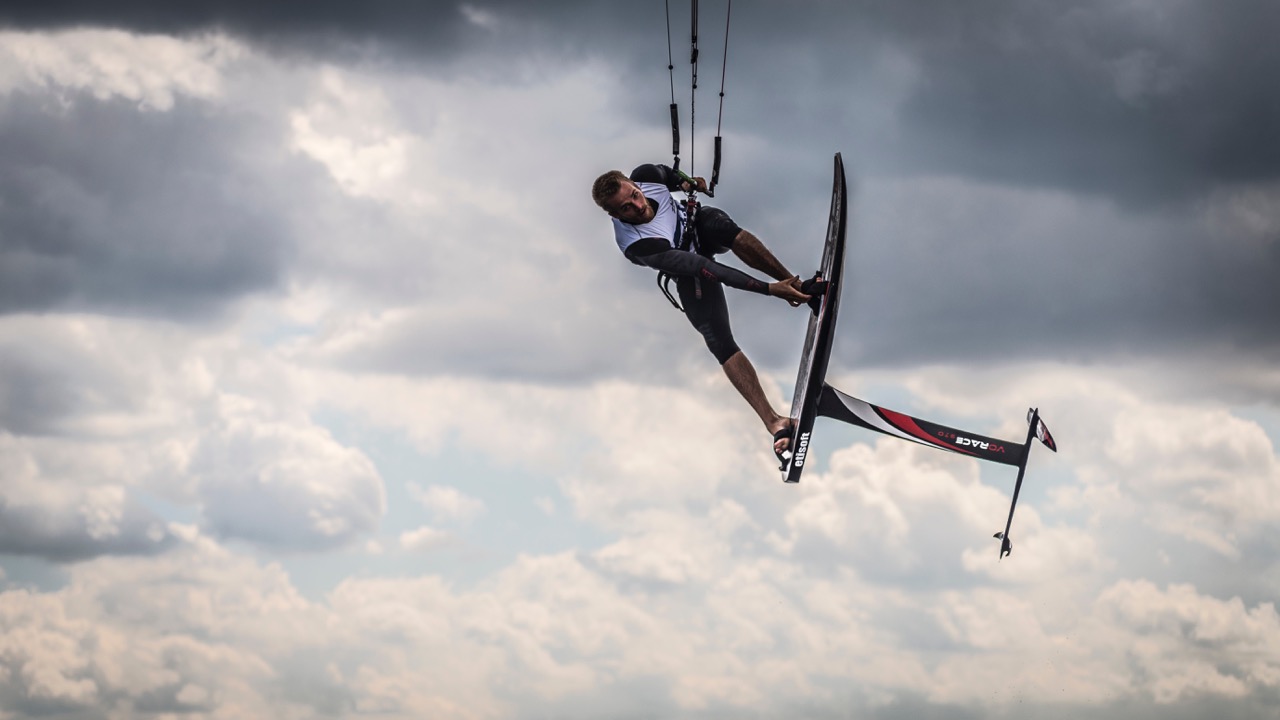
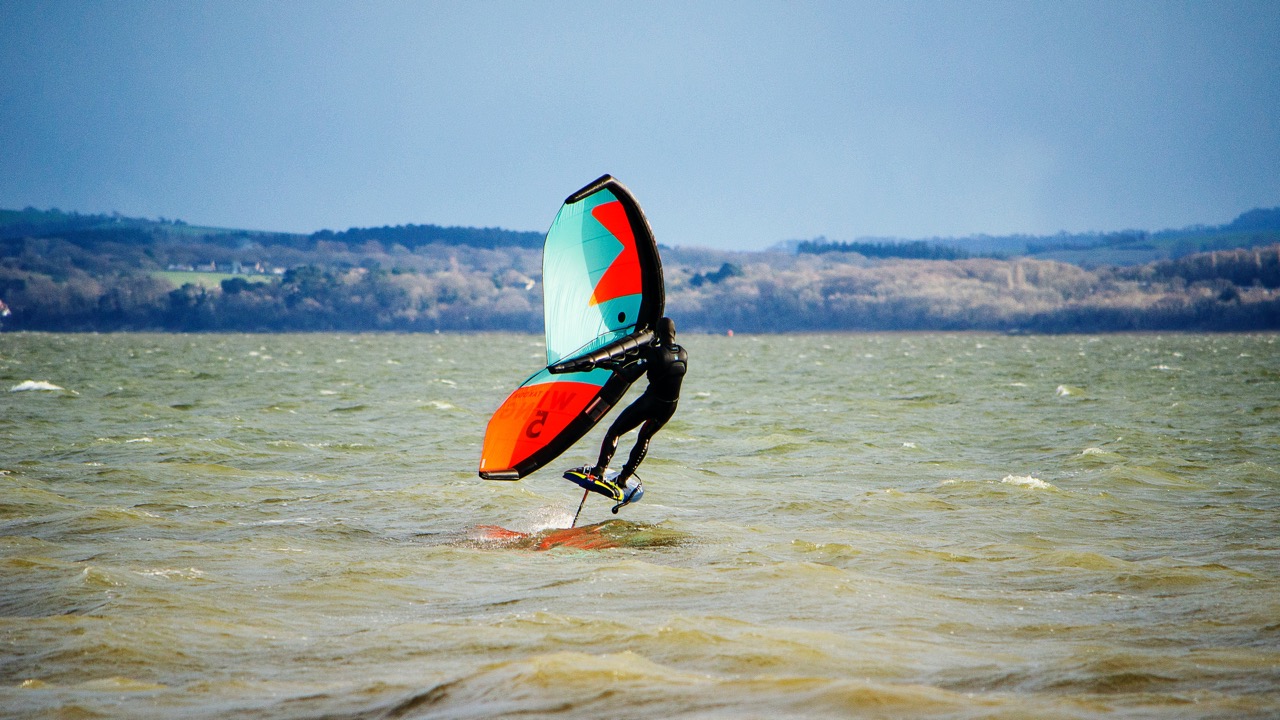
Foiling is a way to surf the ocean in a completely new way. It’s like flying through water, and it’s amazing. There are two main pieces of equipment that you need: an inflatable foil (or ‘wing’), and a hydrofoil. The foil goes on top of your board and provides lift, while the hydrofoil sits under your board and keeps it stable while lifting out of the water.

The sport of foiling has blown up all around the world, and it’s easy to see why – it looks like flying over the ocean.

In fact, foiling is just a type of windsurfing or kitesurfing.

Foil kitesurf

A foil board—a specialized surfboard—is connected to an underwater hydrofoil that lifts your body out of the water when you’re riding on it. The result is an exhilarating experience in which you feel like you’re flying above the water.

Foiling can also be used for racing as well as recreation. There are professional competitions all around North America and Europe where riders compete against each other in events called “slaloms” or “speed laps.”

Foil board types.

There are a few different types of foil boards, but the main two are hydrofoils and kites. While both can be used for surfing, they each have their own unique features and characteristics that set them apart from one another.

Hydrofoil boards are what people will typically think of when they picture a “foil surfboard.” They work by creating lift from the water passing under them through their aerodynamic design. A hydrofoil board will always have at least one fin in it, which helps keep the rider steady while on top of the water’s surface.

Kites work differently than hydrofoils do because they use wind power rather than water power to create lift (this is why these types of boards aren’t super popular). Kites can take off faster than hydrofoils because there isn’t as much friction between them and where you’re standing when you start moving around in air rather than liquid—but once your kite is airborne, it will require more effort to keep upright compared with an equivalent-sized hydrofoil board!

Why are foils so fast?

So why are foils so darn fast?

Let’s take a look at what makes foil boards so different from their windsurfing and kiteboarding counterparts. Foils generate more lift than traditional surfboards because they are much wider and have longer water lines (the distance between the nose and tail of your board). Additionally, because they are significantly narrower than traditional boards, it also means that they can travel through the air with fewer drag-inducing appendages sticking out of them—which means that you don’t need to be as good at balancing as you do on a regular board in order to get up on your foil!

Why do foil boards have less volume?

In contrast to a traditional surfboard, which can weigh up to 30 pounds, foil boards are much lighter because they are made of carbon fiber. This material is used in the construction of airplanes and race cars for its strength and lightness.

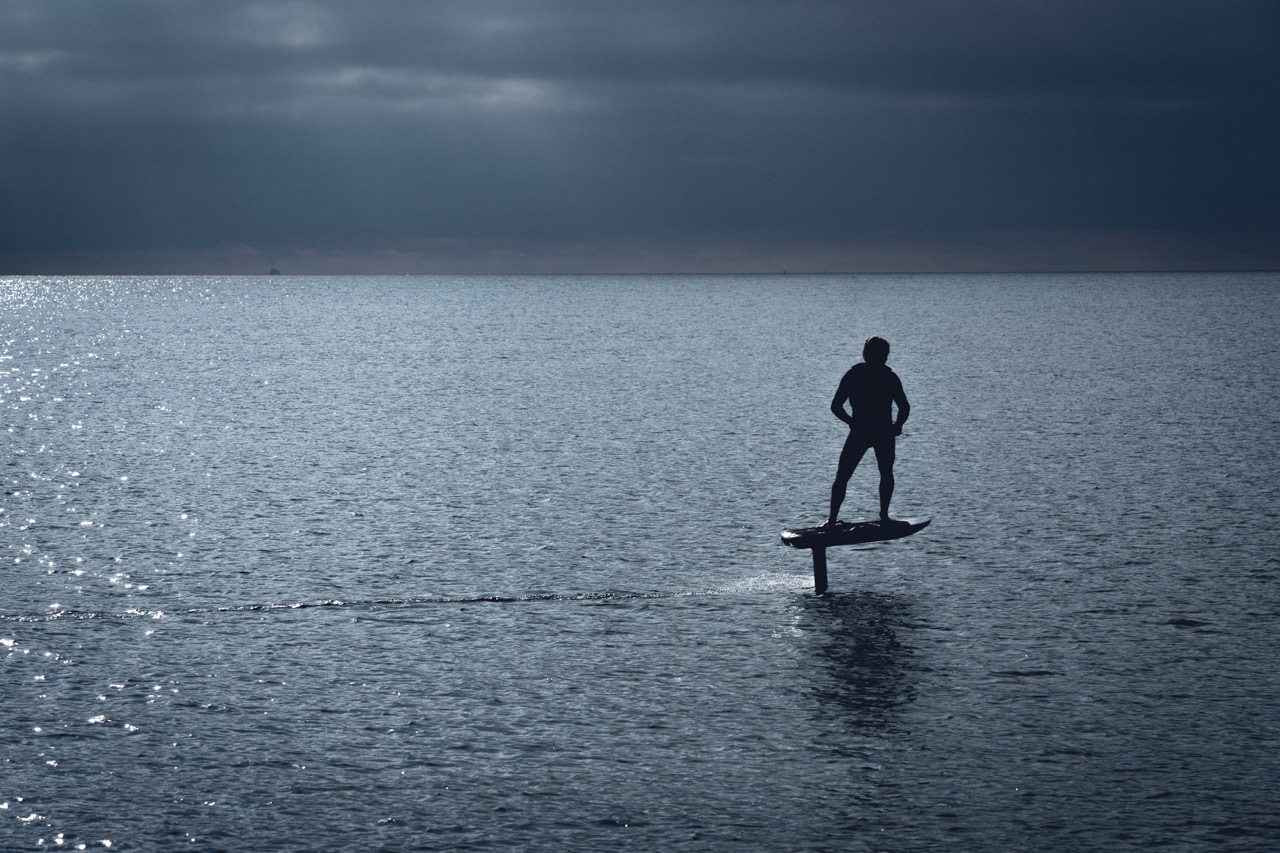
E Foiling
E Foiling

The smaller surface area of a foil board allows it to cut through waves quickly with less drag than a large hull design would allow. Additionally, this means that there is less water resistance against your body when riding a foil board than you would experience zipping around on waves on a regular surfboard or even a standing-up paddle (SUP) board.

Why is a foil surfboard more expensive than a regular surfboard?

Foil boards are more expensive than traditional surfboards because they require a lot of thought and effort to make. Foils are still a relatively new development in the world of surfing, meaning they haven’t been around long enough to be mass produced on an industrial scale. As such, the material costs associated with producing them are higher than traditional surfboards—and this cost is passed down to you.

Why would anyone want to buy one then? Well, if you’re not going for thrills or adrenaline rushes when you’re out on the waves and instead just want your own personal slice of heaven where no one can disturb your zen-like state—then maybe this isn’t for you!

How to get started with foiling/hydrofoil surfing?

  • You will need a board. This is the most important part of your foiling experience, so make sure you get a good one.
  • Next comes the foil: attach it to your board, and be ready for some serious fun! Your new hydrofoil surfboard is ready for use now! And don’t forget about that lesson—you can learn everything about how to use it by taking lessons from an instructor or watching tutorials online (there are many of these). They’ll make everything much easier if you’re new to this kind of sport, which is really important because safety should always come first when doing any kind of activity like this one!
  • Now that all those things are taken care of it’s time for some practice – go out there on the water and have fun!

Conclusion

With so many people out there foiling, it’s only a matter of time before you decide to give it a try. The question remains – what kind of board should you get for your first hydrofoil surfboard? The answer is simple: go with the one that fits your needs and budget. You can’t go wrong with any of the boards mentioned above as they all perform well in different conditions!

Bella Vita surf movie

One of the best movies out there (we think). Alltough it’s been out for several years it’s still awesome to watch.

Bella Vita.

Check out the trailer below.

Many beautiful surf scenes are recorded at Sardinia. Check out our Sardinian Surf Guide: Surfing in Sardinia.

Surfing lessons in France? Discover where and how.

Surfing lessons in France and how that can help you improve your surfing skills: a blog about the surf conditions in France along with where you can take the lessons.

Below you’ll discover 5 Must-Know Surf Spot When You First Take Surfing Lessons

Let’s face it: you’ve always wanted to learn how to surf, but you just haven’t found the time. Or maybe you’ve taken a few lessons but still feel like there’s something holding you back from that sweet, sweet glide through the water.

Well, if you’re in France, we’ve got good news for you. There are tons of places where you can take surfing lessons and get started on your journey toward becoming a pro surfer.

Whether you’re a beginner or a pro, you’ll want to learn how to surf in France. It’s one of the most beautiful places on Earth, and it’s also where some of the best surfing in the world takes place.

Start with a Surfschool

The best place to start is with an instructor. You can find some on sites like Surfline or Surf School. The latter is a website listing all the surf schools in France and the level of instruction they provide (beginner, intermediate or advanced). It also provides information about each school’s location, quality and prices (which range from 30 euros per hour for beginner lessons up to 200 euros for more advanced classes).

Some schools offer lessons for people who are too old or too young to participate in competitions but still want to learn how to surf. These lessons tend to be cheaper than those provided by competitive schools, costing around 20 euros per hour instead of 60 or 80 euros per hour.

If you want to learn the basics of surfing, you’ll probably have to book your lesson well in advance (or even months ahead). This is because most schools require at least four people to start a course – and if not enough people sign up for one time slot, they’ll have to cancel it altogether.

The 6 top spots to learn surfing

Here’s a list of the top spots where you can learn the art of catching waves:

1) Hossegor Beach

This beach is one of the best places in France to learn how to surf. It’s known for its consistent waves and warm waters, which make it easier for beginners to learn how to balance themselves on their boards and stay upright while riding them through the waves. The best part? It’s free! All you need is an open mind and a willingness to learn something new—which we know is something everyone has!

2) St-Jean-de-Luz Beach

This beach is another great spot for learning how to surf, especially if you’re interested in taking classes with other people who want to learn too (that way no one feels left out). The waves here are gentle.

3) La Grande Plage, Biarritz

Located in Biarritz, this beach has a reputation as one of the best surfing spots in Europe. It’s not just the waves that lure in surfers. The beautiful scenery, including the surrounding cliffs and 19th century villas, makes this area a must visit.

The beach welcomes surfers of all experience levels, but they do recommend that beginners take lessons before they tackle the waves on their own. So it’s also a great place to learn how to surf; instructors will teach you how to balance on your board before getting up on your feet and riding the waves into shore. For those who want to improve their technique, La Grande Plage offers advanced lessons that will teach you how to catch bigger waves and perform tricks on your board while standing up.

4) Plage de la Côte des Basques (Côte Basque), Biarritz

In Biarritz, you can surf all year round at La Côte des Basques because the temperatures rarely drop below 50 degrees. Even when it rains, there are still opportunities to catch some waves on the sheltered side of the beach.

There are many surf schools in Biarritz, each with its own unique feel and different offerings. Surf Master is an excellent choice as it provides a broad spectrum of services while also having a friendly, welcoming environment. Once you’ve chosen your school, you just need to decide on group or private lessons. Private lessons will be tailored exactly to your needs and skill level, but you may find that it’s more enjoyable to learn in a group setting where everyone is working together towards their common goal of riding those awesome Basque waves! If this sounds like something worth trying out, then come join us at Surf Master! We’ll guide you through all the steps necessary so that by time you’re through our classes, you’ll be ready for anything coming your way during those first few hours out

Bordeaux area for surfing lessons

There are many surf schools around the Gironde area, but not all of them offer classes in English. Here’s a list of some of our favorites that do:

  • Surf School Bordeaux (Spécialiste des cours d’initiation et perfectionnement en surf dans le sud ouest)
  • Le Surf Club du Lacanau (Safari Surf School).

5) And there is Carcans plage near Bordeaux

This is the best place to learn how to surf in Bordeaux region because it has a long wave perfect for beginners. The beach is also very safe because it is protected by rocks from all sides. The water is clear and warm, making it ideal for summer vacations.

There are many good surf schools in the area who can provide lessons at all levels from beginner to advanced. The beach has lifeguards and first aid facilities available.

Check: Carcans Plage (www.carcansplage.com)

Located right next to the beach, this surf school is perfect for beginners who want to learn how to surf in a safe environment. The instructors are friendly and patient, and they know exactly what they’re doing!

5) And there’s is of course Lacanau

here are many surf schools that offer lessons in Lacanau, and you can find them easily on Google Maps or by looking on Trip Advisor.

Lacanau Pro Surf School (www.lacanausurfschool.com)

This school offers many different types of lessons depending on your level (beginner, intermediate or advanced). You’ll also be able to rent all the equipment you need for your lessons, which will make it easier for you to practice once you’ve learned how to stand up on your board!

In conclusion

Surfing lessons in France is a great way to learn how to surf. The best part of this kind of lesson is probably the quality: private tutors are really experts in surfing and know the spots, how to start and others.


Srface wetsuit review and discount

0

SRFACE winter wetsuit review

For the winter it’s time to start thinking about what wetsuit you’ll need. A lot of surfers have a hard time deciding which suit will be best for them because they are so many options available, each with their own pros and cons. You need a wetsuit to stay warm in the winter. You want one that will be stretchy and comfortable, but not expensive. A wetsuit for surfers who needs warmth and stretch without breaking the bank.

Luckily, there’s the Srface Wetsuit. An affordable option that provides warmth without sacrificing stretch or price point.

News: we also tested and reviewed the 4’3 Remix; Check the review here.

About SRFACE

In 2018, SRFACE came to market with a no-nonsense design with all the features and high-end materials that functionally contribute to the performance of a wetsuit. The end result of almost two years of designing and testing is a wetsuit with optimal fit.

And they have done that quite successfully.

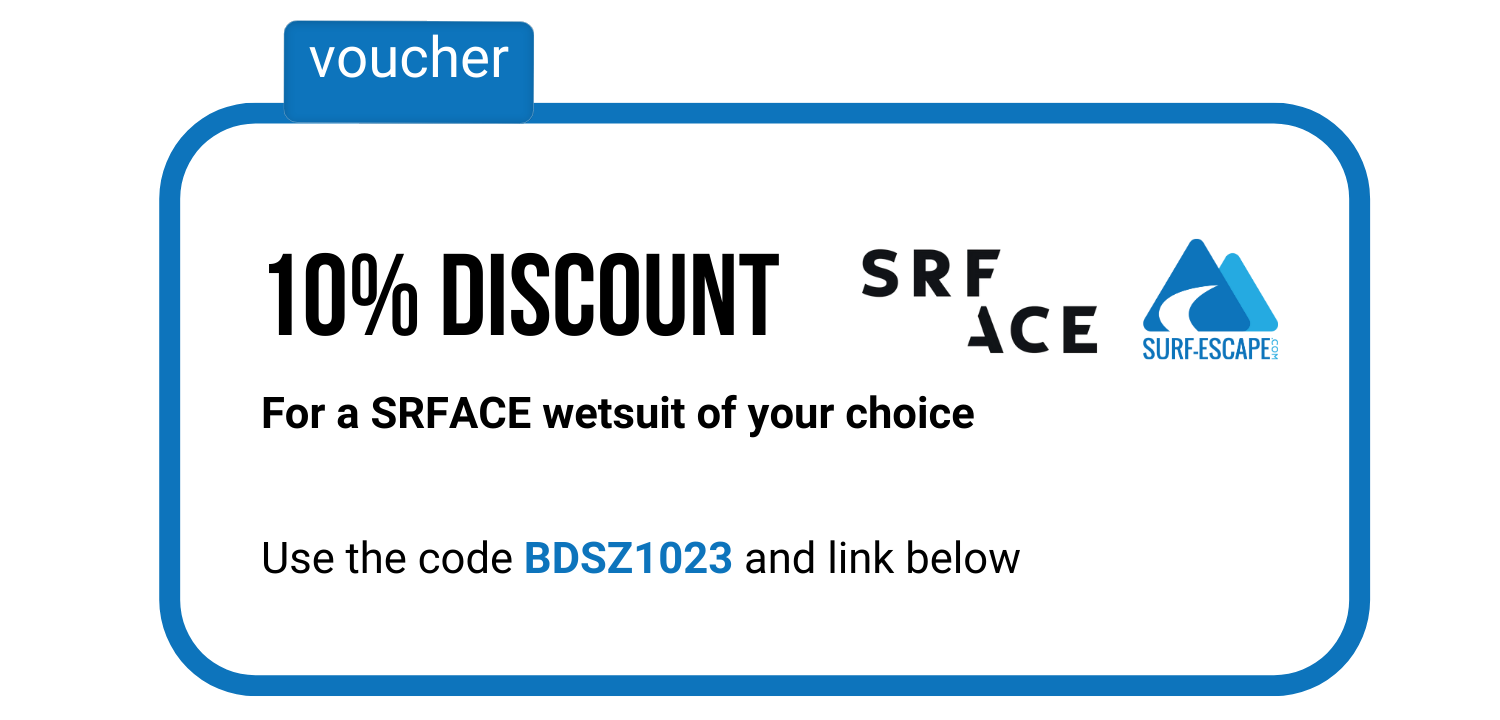
Get your 10% discount

Below you can read the review of the 5/4 wetsuit of SRFACE. And some good news to go witht this, 10% discount:

srface wetsuit remix reviewDirectly to SRFACE wetsuits

Wetsuit review

SRFACE wetsut is a no-nonsense wetsuit.

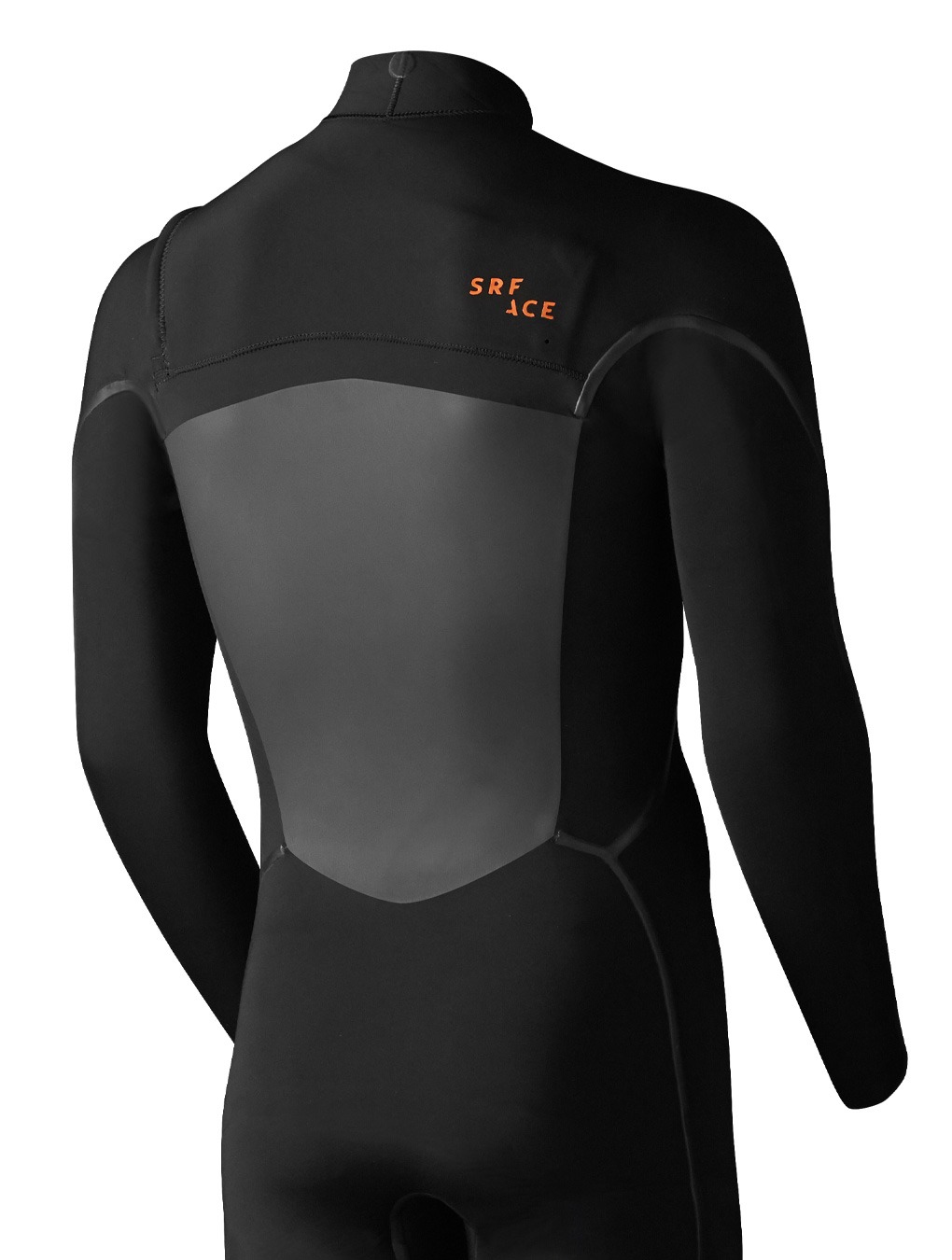
You’ve probably seen the SRFACE wetsuits bobbing around in the sea yourself. Even though they are characterized by the no-nonsense design, they also stand out. Because of the logo, among other things. That minimalistically and yet strikingly stands in a corner of the wetsuit. Small and orange. Quite chicly done.

5/4 SRFACE wetsuit test

During a surf trip to Galicia, we got to test the 5/4 wetsuit from SRFACE. Autumn was ending and the water was starting to get chilly and we had rather cold mornings. Good for testing the SRFACE wetsuit. Although, the water was to warm (14 to 15 degrees) for real testing. The suit was too hot!

Good to know; a 5/4 wetsuit is worn when the water is between 5-13 degrees. In The Netherlands, where we are based, this means between November and May. After the Galicia surf trip we tested the wetsuit all winter long in the Northsea. And we survived, easily.

Quality in your hands

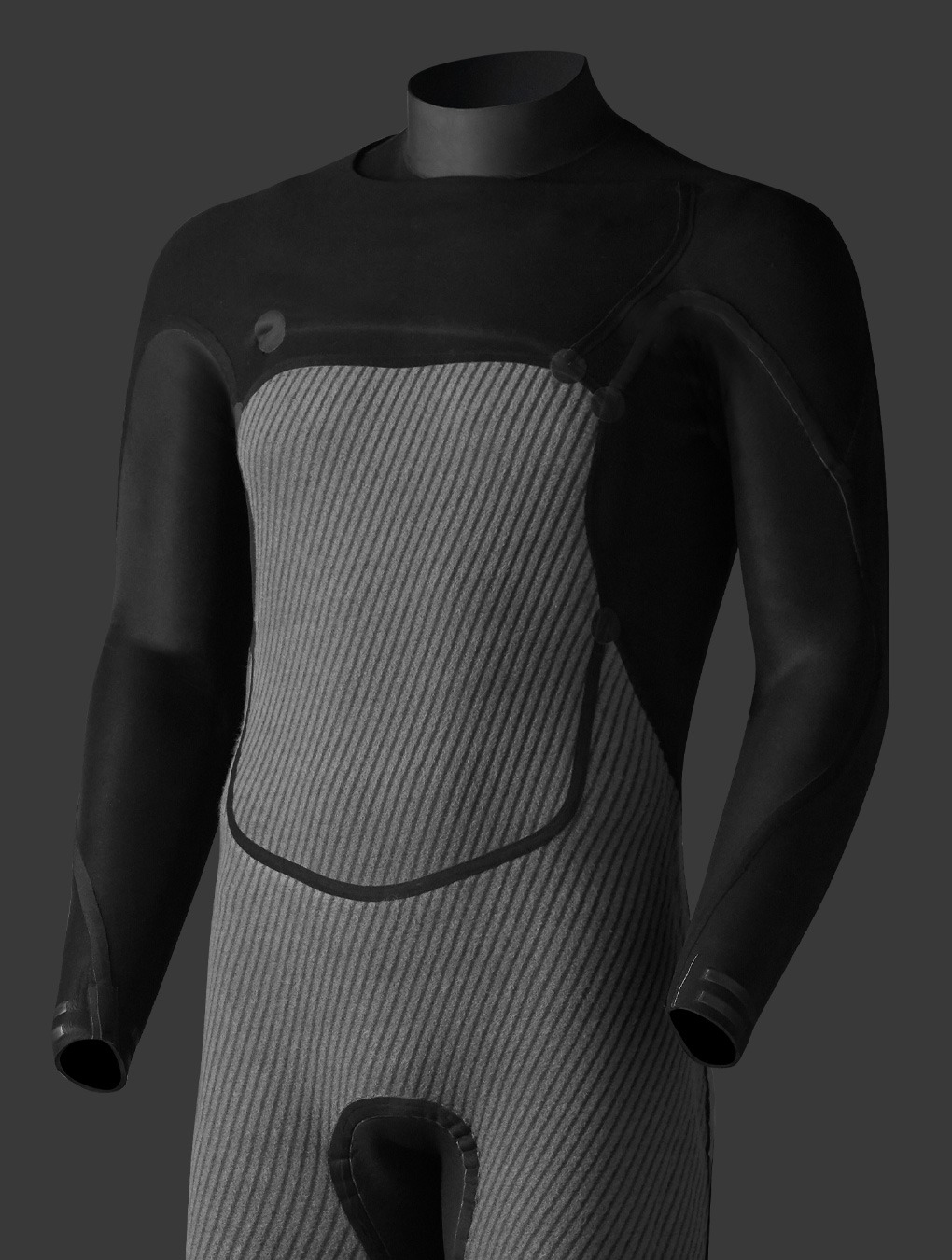
What you notice right away is that you have quality in your hands. It feels sturdy, the seams are tightly finished and the zipper at your chest is super nicely done. You notice the attention to this suit on every piece.

srface wiinter wetsuit review

The inside of the suit is also nicely lined.

srface-wetsuit-inside review

You won’t get cold

You know right away, you won’t get cold so easily.

The anti wind-chill panels on the chest are also very nice. In the Northsea we have a lot of windy surfing days and you can imagine, that it is very nice when there is wind blowing and when it hardly or not at all gets through your suit. Loved it.

Freedom of movement

What struck me most, besides the sleek finish, is the fit.

The suit fits seamlessly to your body. Not too tight at the neck. Nice fit at your wrists and ankles. And freedom of movement. Although that may be the only area of improvement if you compare it to the Rip Curl flashbomb, for example. There the freedom of movement or stretch is even better. And you pay a lot more for that.

Eco friendly

The good news is, the suit is made of limestone neoprene. This is much more environmentally friendly than petroleum, which is still the standard in the wetsuit market. The seams are also glued together with water-based glue.

SRFACE gives a full and tangible explanation here of how they think about our footprint. That’s where they’ve made a big step in a year.

Price of the 5/4 wetsuit

The 5/4 from SRFACE costs € 260,-. And that is considerably less than for example the Rip Curl 5/4 flashbomb which is seen as one of the most highend suits on the market. You will pay almost 400,- for this.

Try it out for 30 days for free

By the way, at www.srface.com you will be easily helped to choose the right size and thickness. And you can try the wetsuit for 30 days, shipping and returns are free and the customer service is run by surfers and is available 7 days.

SRFACE has really thought this through. And it’s great to see that more and more SRFACE suits from the Netherlands are being sold abroad. We should be proud of that.

Overall review conslusion

The SRFACE wetsuit is a high quality, affordable suit for surfers who need warmth and stretch in the winter.

Review FAQ’s

How does the SRFACE wetsuit compare to high end wetsuit in terms of freedom of movement?

While the SRFACE wetsuit offers a good fit and freedom of movement, the Rip Curl flashbomb for example provides even better stretch and mobility. However, these high end wetsuits are significantly more expensive than the SRFACE wetsuit.

What material is the SRFACE wetsuit made of, and how does it contribute to environmental friendliness?

The SRFACE wetsuit is made of limestone neoprene, which is a more environmentally friendly alternative to petroleum-based neoprene commonly used in wetsuits. Additionally, the seams of the SRFACE wetsuit are glued together using water-based glue, further enhancing its eco-friendly characteristics.

What is the return policy and customer service availability for SRFACE wetsuits?

SRFACE offers a 30-day free trial period for their wetsuits, allowing you to try it out. Shipping and returns are free of charge. The customer service, which is operated by surfers, is available seven days a week and can assist you with any inquiries or concerns you may have.

What material is the SRFACE wetsuit made of, and how does it contribute to environmental friendliness?

The SRFACE wetsuit is made of limestone neoprene, which is a more environmentally friendly alternative to petroleum-based neoprene commonly used in wetsuits. Additionally, the seams of the SRFACE wetsuit are glued together using water-based glue, further enhancing its eco-friendly characteristics.


Atlantic overdrive

Pumping surf in Europe in december 2021. From Norway to Morroco.

Two Friends (photographer Michal Pelka and surfer Roy van Eijk) chased down a promising swell along the Atlantic coast. Michal Pelka know from his awesom surf photography of the Northsea and the Atlantic. And Roy always chasing the best barrels.

It became a great edit.

Atlantic Overdrive

Monumental Hossegor

Check this edit by ripitup.fr. Big Hossegor. As good as it gets.