Home Blog Page 5

9 tips for surfing in Cantabria in Spain

Discover the Magic of Cantabria: A Surfer’s Paradise

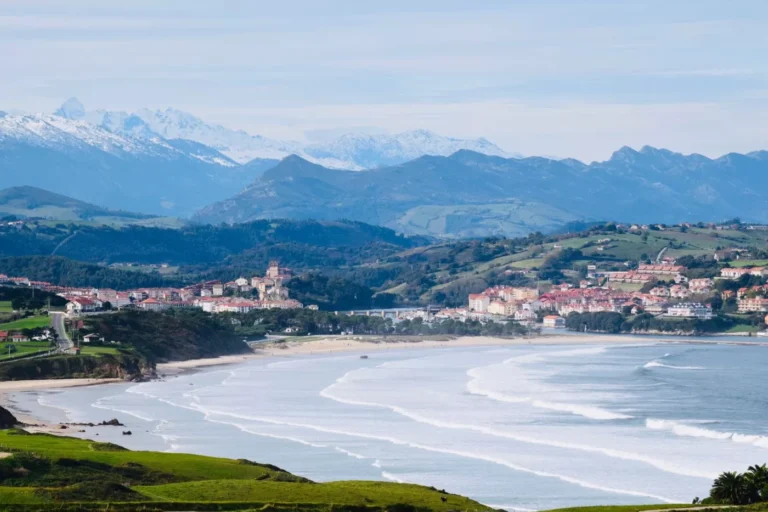
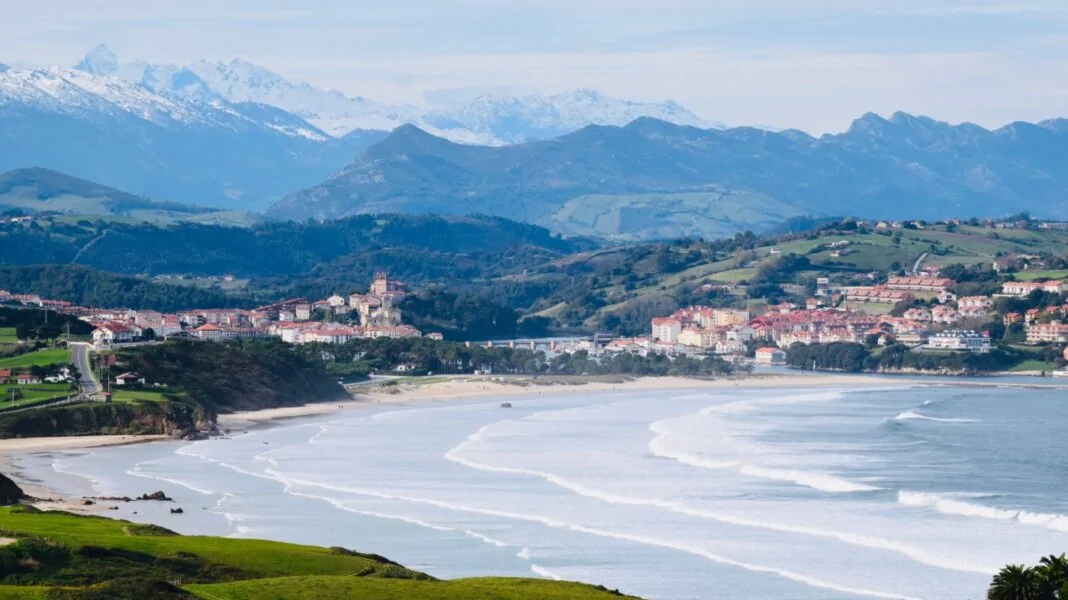
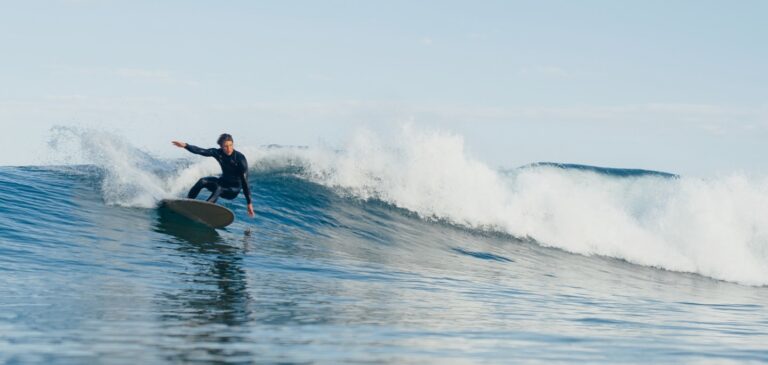
Embark on an enchanting journey to Cantabria, Spain, a hidden gem that offers one of Europe’s most exquisite surfing experiences. With the majestic Picos de Europa as your backdrop, immerse yourself in a surfing haven that caters to both longboarders and shortboarders alike.

Why Cantabria?

sanvi surf

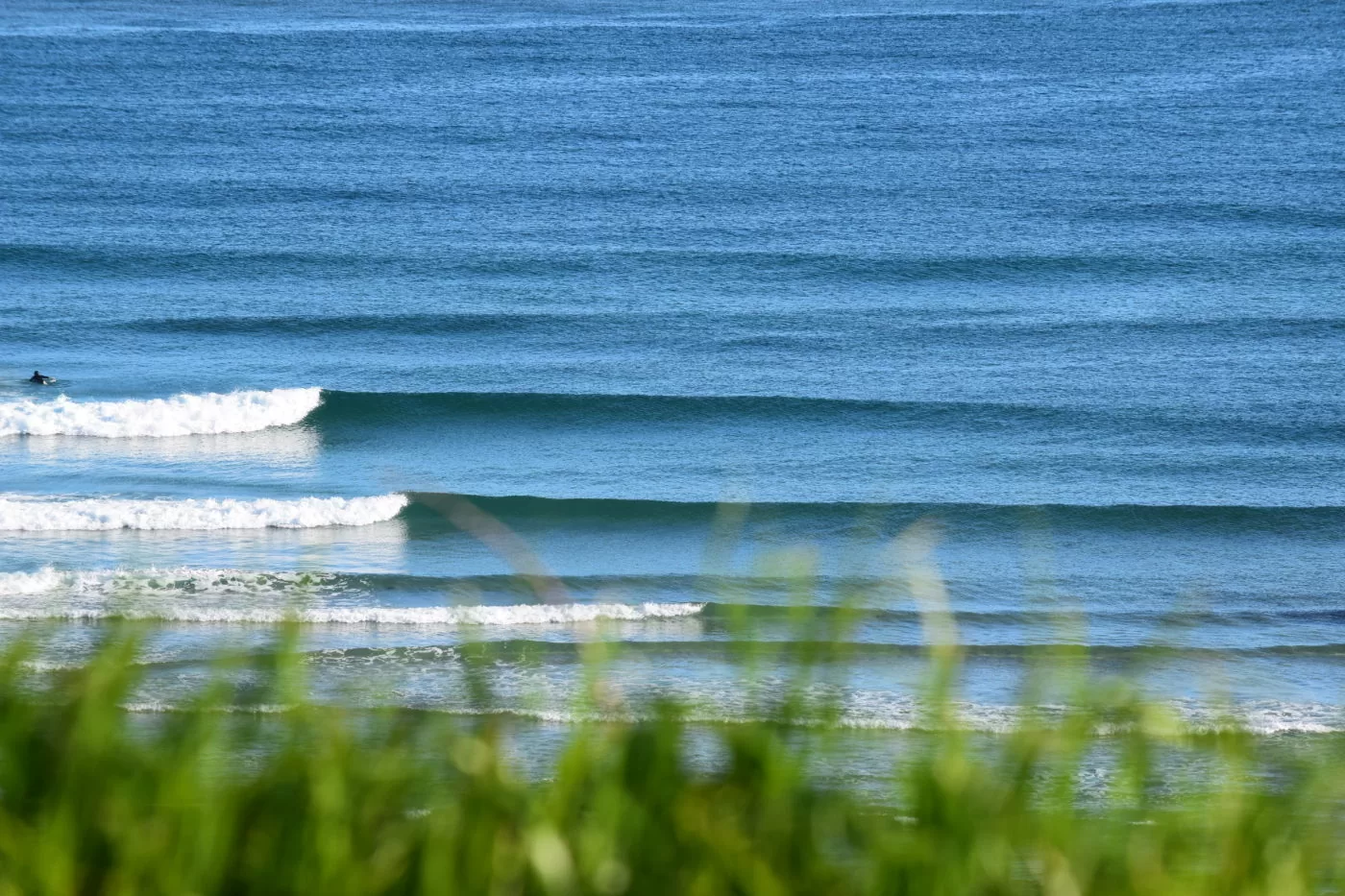
Cantabria is not just a surf spot; it’s a sanctuary where mellow waves meet a laid-back atmosphere. Here’s what makes this region a must-visit for every surfer:

  • Ideal for Longboarders: With its gentle waves, Cantabria is a longboarder’s dream come true.
  • Welcoming to Shortboarders: Don’t worry, shortboarders; there’s plenty of action for you too.
  • Beyond Surfing: Explore the rich culture, stunning landscapes, and friendly locales that make Cantabria special.

Your Cantabria surf adventure: 9 tips for a great experience

  1. Getting There: Fly to Bilbao and venture west to Cantabria. Tip: Compare airline surfboard fees to save on travel costs.
  2. Cultural Delights: Don’t miss the iconic Guggenheim Museum in Bilbao, a masterpiece of modern architecture, boasting intriguing art exhibitions and a cozy café.
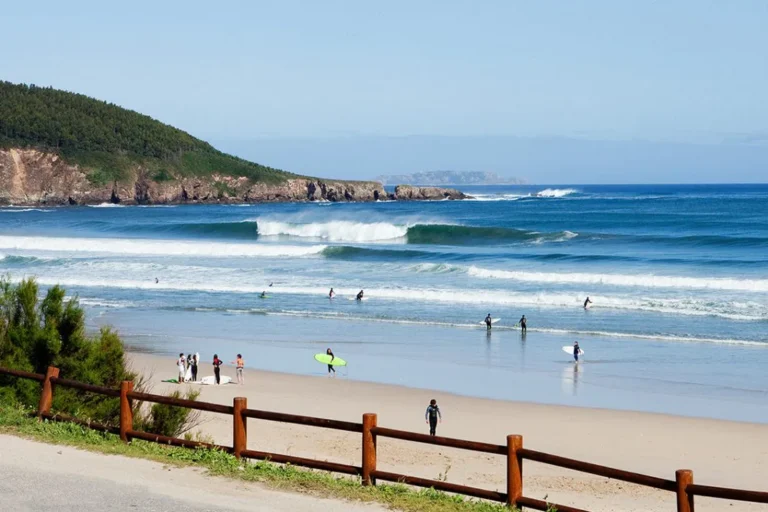
  3. Surf’s Up: Head to Oyambre or San Vicente de la Barquera for unparalleled surfing. Oyambre, nestled in a National Park, offers a serene escape amidst nature.
  4. Stay in Style: Consider Villa Sofia for your accommodation, where comfort meets stunning views, be it the Picos de Europa or the vast ocean.
  5. Surfing Spots: Enjoy diverse surfing experiences at Oyambre and San Vicente, each offering unique conditions for unforgettable surf.
  6. Explore Comillas: On a flat day, visit the charming town of Comillas to admire Gaudi’s architectural genius.
  7. Keep Surfing: At Buena Onda Escuela de Surf, friendly experts are ready to enhance your surfing skills or provide top-quality boards.
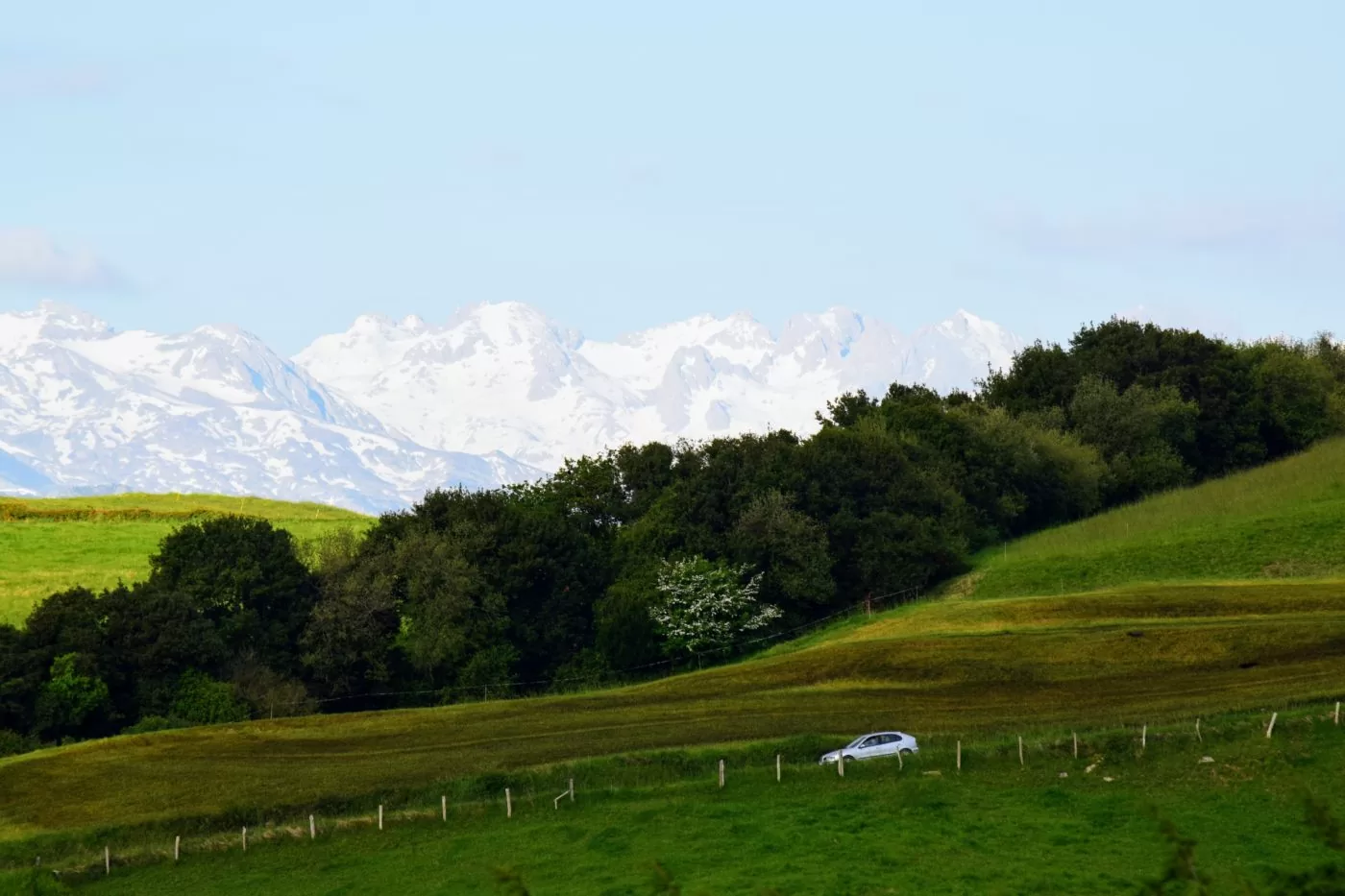
  8. Picos de Europa: A short drive away, these mountains offer breathtaking views and a touch of adventure.
  9. Mobility Tip: Renting a car is your key to exploring Cantabria’s treasures at your own pace.

Capture the Essence of Cantabria

picos

From the thrill of riding perfect waves to the tranquility of its scenic landscapes, Cantabria is a destination that offers more than just surfing. It’s an experience that feeds the soul, sparks adventure, and creates memories to last a lifetime.

Join the Adventure

Have you explored Cantabria’s surfing paradise? Share your experiences or plan your journey today. Embrace the waves, the culture, and the unparalleled beauty of this Spanish treasure.

6 cool surf spots in the north of Spain near Bilbao

Unfortunately, the number of days you can walk onto the beach with your board under your arm and the sun on your head to catch some waves can be counted on two hands, maybe three hands if you live in Northwestern Europe.

Surfing Around Bilbao

Fortunately, with some planning, you can be in sunny Spain for just a few dozen euros, where the weather conditions are somewhat better. Flying to Bilbao is quite affordable. From there, you have all the options. Head towards San Sebastian, or plan a road trip to the east.

Therefore, we have listed some cool surf spots for you in Northern Spain, all easily accessible from Bilbao.

  1. Playa Razo

Okay, this one might be a bit harder to reach from Bilbao. Razo Beach is located west of the Spanish city of A Coruña in the northwest of Spain. It’s a beautiful road trip from Bilbao.

The expansive beach with many sandbanks ensures that A-frame waves are produced at Playa Razo. This is ideal for surfers of all levels. What makes it even more beautiful is that it’s an open beach. This ensures a constant supply of good waves, even during the smallest swells.

Since the waves are not gigantic, it’s a good place to learn the basics or to perfect your technique.

  1. Zarautz

Zarautz is a small town about 20 minutes from San Sebastian. The town has a long bay with about 3 km of beach and beach breaks. The extensive beach also provides a constant supply of waves. The quality of the waves is evident as the San Miguel Pro Surfing Event is held annually in Zarautz.

Learning to surf here is no problem either, as there are several surf schools eager to share their passion with you.

  1. Playa Somo

Playa Somo is an hour’s drive east of Bilbao. Somo Beach is a golden sandy beach that stretches 2km to Loredo. The beach is surrounded by dunes and pine forests, creating a very surf-oriented vibe with a variety of good peaks to choose from.

At high tide, it’s a good spot to learn surfing. At low and mid tide, Somo Beach is more suited for the more advanced surfers. Since the beach is directly on the sea, you can find good waves all year round!

  1. Zumaia

This town is located just west of Zarautz and has a beach break of good quality and consistency. Here, you’ll find plenty of waves with small to medium swell in both left and right directions. The beach offers waves up to one and a half meters, suitable for both beginners and advanced surfers. If you follow the coast a bit further, you’ll reach Playa Gris of Zumaia, a spot for experts with waves up to six meters near the rocks. Thus, Zumaia offers surfing fun for everyone.

  1. Mundaka

Located about 40km from the center of Bilbao, Mundaka is considered by many to be one of the best waves in Spain.

This left-hander can produce 200+ meter waves that are near perfection with a SSW wind and a strong NW swell. Combine this with the triangular sandbank, and it produces fantastic waves with deep barrels.

This wave is not for beginners but is more for advanced surfers who want to take their skills to the next level.

  1. San Vicente and Oyambre

san vicente surf

San Vicente de la Barquera, or Sanvi for short, is another beautiful surf spot in Spain next to Oyambre. Many Dutch surfers are familiar with this spot and return regularly. Sanvi is a cozy authentic Spanish village with various spots in the bay. And if the wind is westerly, then just around the corner at Oyambre, it’s likely wonderfully offshore. Read more about surfing at San Vicente.

What are the plans for Imsouane?

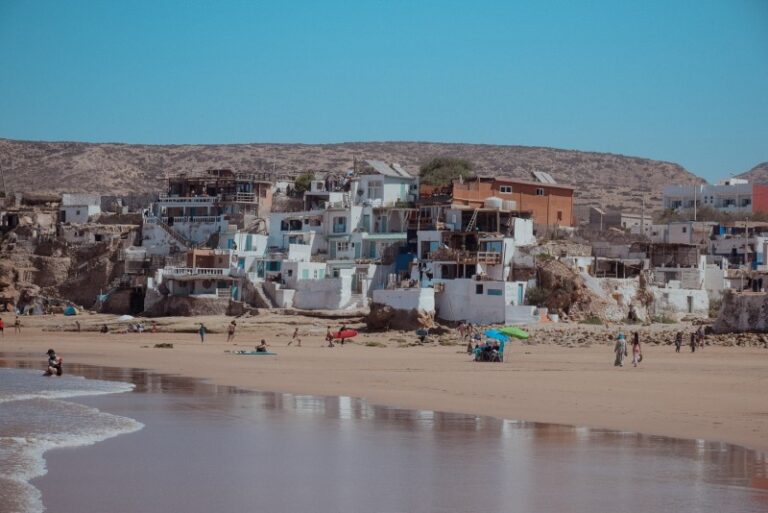
The coastal village of Imsouane, located 100 kilometres north of Agadir in Morocco, is a paradise for surfers and digital nomads. We reported earlier, that according to plans by the Moroccan Ministry of Tourism, the village will undergo a massive transformation. This reconstruction of Imsouane, has been met with great outrage (see earlier post: Imsouane in Crisis).

What is the plan for Imsouane?

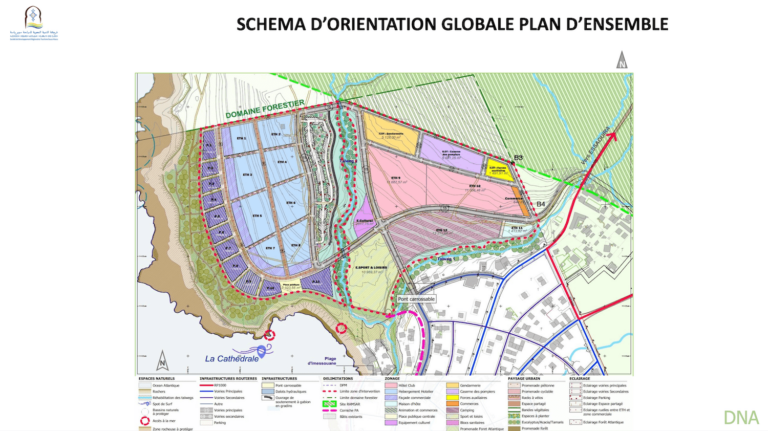
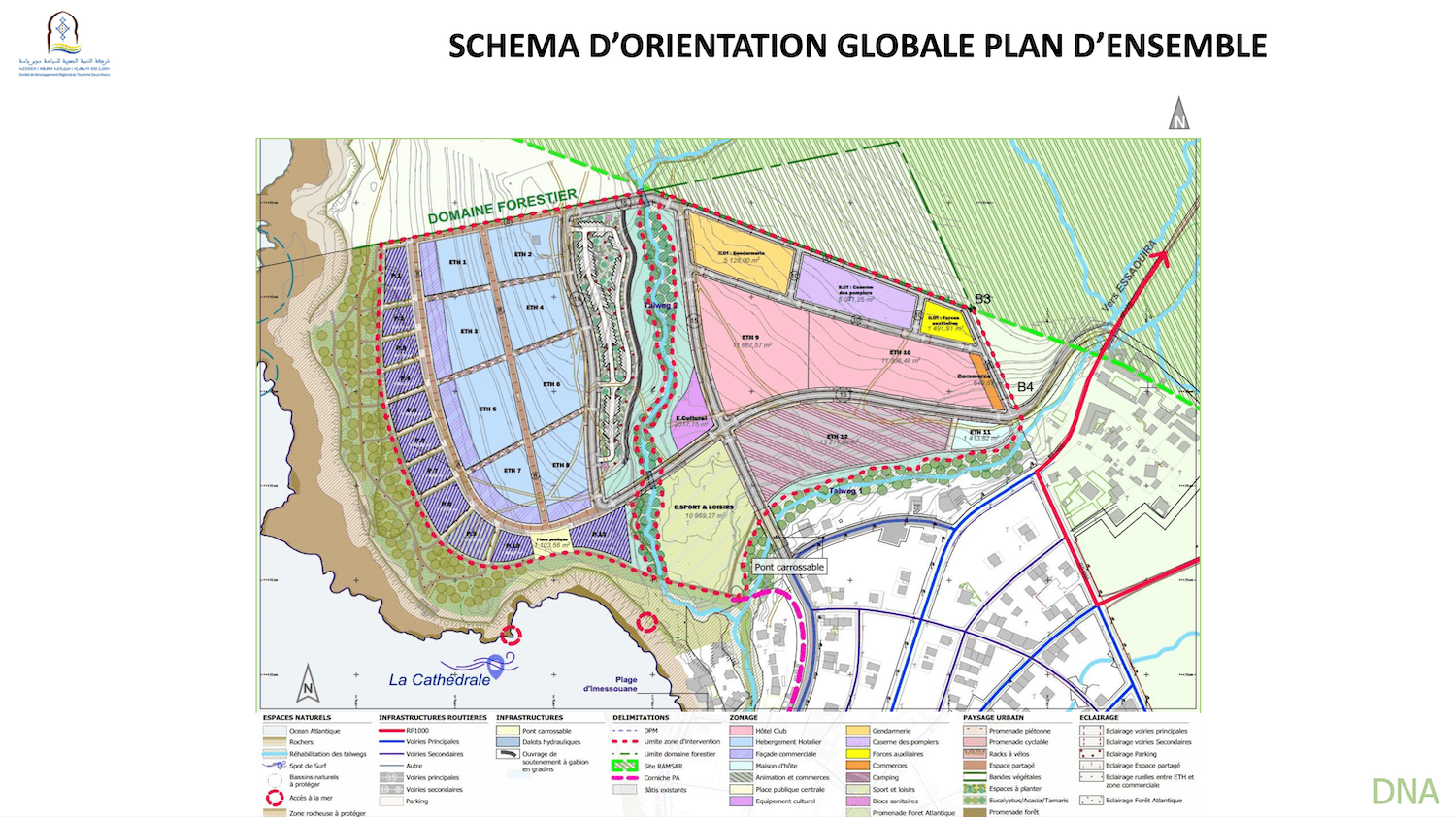
We are following developments as closely as we can. What we know is that it involves an area of 18 hectares.

See also this drawing:

construction plans imsouane


This includes:

  • 79,259.27 square metres for accommodations such as hotels and campsites,
  • 13,987.04 square metres for cultural and sports facilities,
  • 13,377.56 square metres for dining and entertainment options,
  • and 747.03 square metres for commercial activities.

About 30% of the area will be used for roads and 7% for green areas. And the total budget for the project is about EUR 5 million.

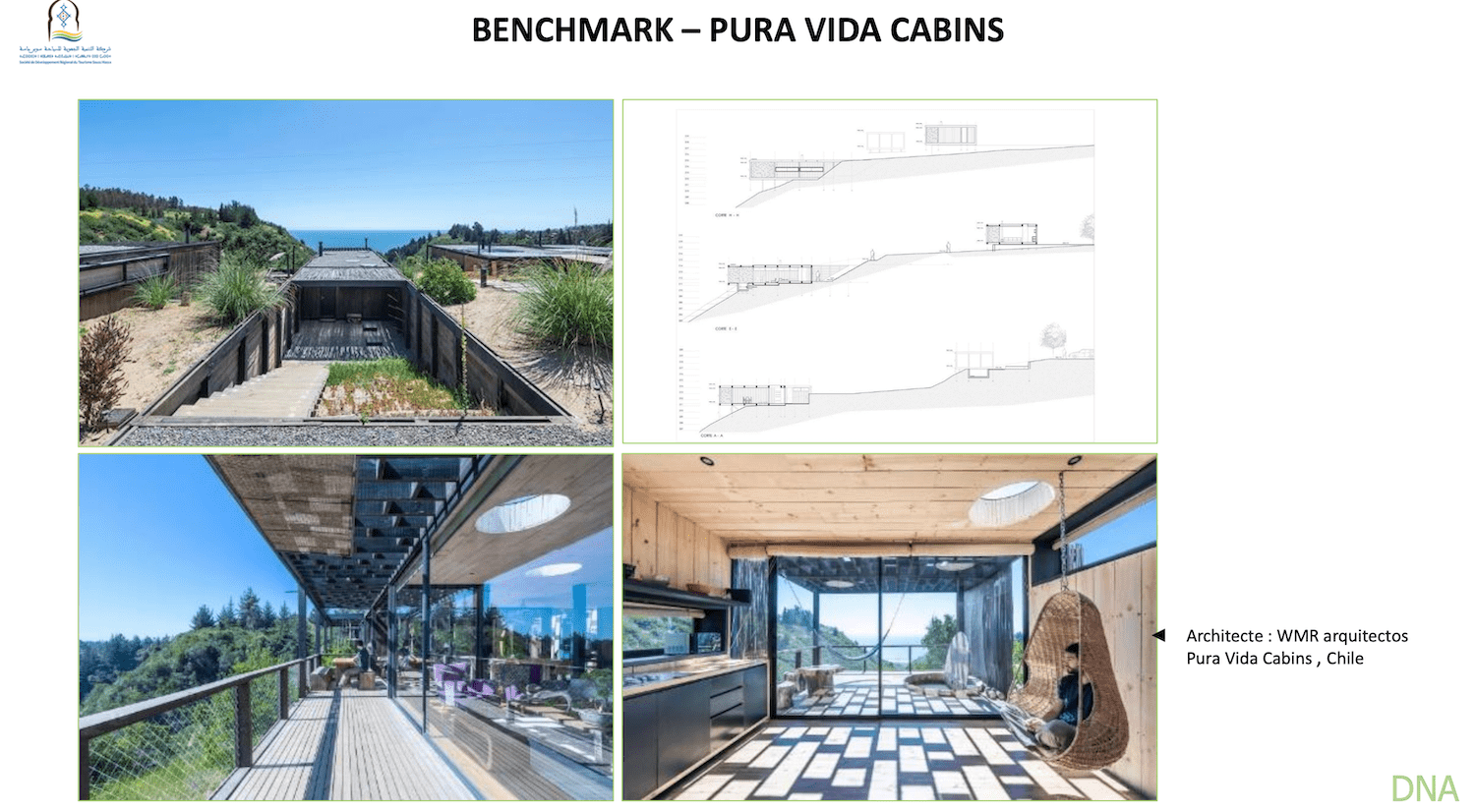
The design of the project is said to be inspired by sustainable architecture, with an emphasis on the use of wood and dark stones, large windows and connected walkways. For the hotel sections, ideas have been taken from Turkey and Jordan.

Check out these mock-ups:

transformation imsouane 2
Source: tuttologicsurf.it

Concerns

As far as we are concerned, one of the most important questions is and remains; what does this mean for the local people of Imsouane? Not for nothing is a Go Fund Me set up to support the locals.

Check out the GoFundMe page.

Crisis in surf town Imsouane: A Battle Against Demolition for Resort Development

In the picturesque Moroccan surf town of Imsouane, a crisis is unfolding that has caught the attention of both local residents and the international community. A series of shock demolitions, purportedly paving the way for a megaresort development, has sparked widespread outcry and urgent calls for action.

Also read our follow-up article: what are the plans for Imsouane?

The Onset of Demolition and Its Impact.

Only 24 hours to vacate.

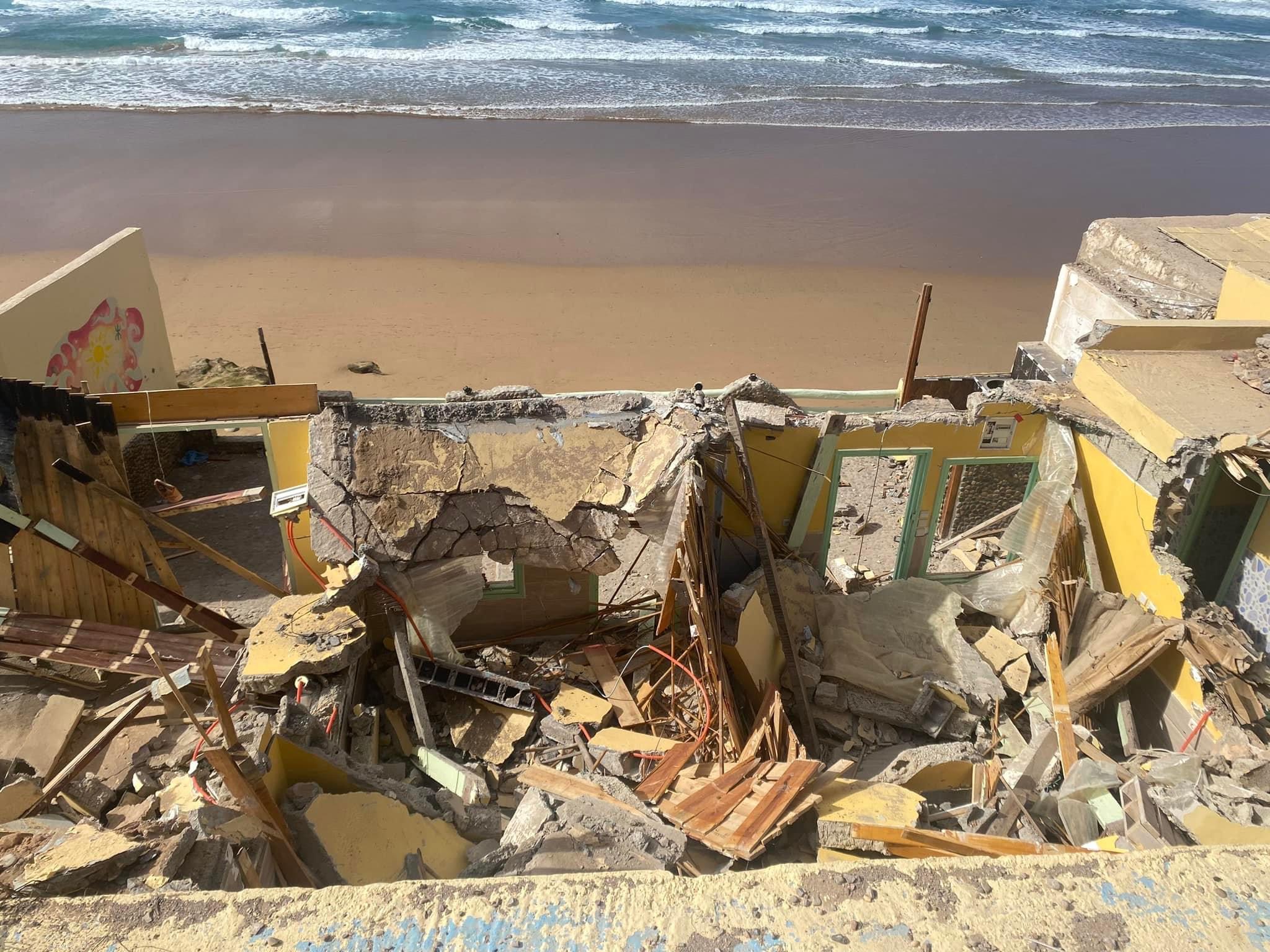
Reportedly backed by the Moroccan government, the demolition works began with little warning to the residents, giving them a mere 24 hours to vacate.

Imsouane, known for its exceptional surfing waves and vibrant local culture, is witnessing the forced evacuation of dozens of families and the dismantling of numerous surf businesses.

The local community, which has thrived on tourism and the unique charm of Imsouane’s old town, is now facing the erasure of their homes and livelihoods. The demolition, which began on January 17th, has targeted buildings deemed unlicensed by the government, including those that have been part of the town’s fabric for generations.

Local and International Reactions

The abrupt nature of these demolitions has sparked a wave of reactions. Residents, some of whom have lived in their homes for over three generations, were seen transporting belongings as bulldozers razed parts of the town. The local surfer community, including notable figures like Lahcen Aguerd and Hbekka Rais, has expressed deep sorrow and anger over the loss of their town’s authenticity and history.

Internationally, the surf community and social media users are vocalizing their dismay, sharing images and videos of the demolition and its aftermath. A poignant sentiment echoes through these shares: “Goodbye Imsouane, Goodbye paradise of surfers.”

Mobilizing Support Through Petitions and Fundraising

In response to this crisis, an online petition was initiated on January 17, calling for the halt of the demolition. This petition, supported by local businesses and concerned citizens, highlights the potential loss of the town’s characteristic charm and the livelihoods dependent on its tourism appeal.

Parallelly, a GoFundMe account has been set up to assist affected residents with legal aid, rebuilding, and relocation costs. This initiative reflects a community’s determination to fight for their homes and heritage.

Check de GoFundMe page.

The Larger Picture and Uncertainties

The demolition in Imsouane is not an isolated incident along the coast of Morroco. Similar occurrences in nearby towns like Tifnit reveal a pattern of development that prioritizes new constructions over existing communities and ecosystems.

The lack of transparency and sudden execution of these plans raises serious questions about sustainable development and the preservation of local cultures.

Tifnit a few weeks ago:

As this story continues to develop, the fate of Imsouane hangs in a delicate balance. The international outcry and local resistance may yet influence the course of events, offering a glimmer of hope for the preservation of this beloved surfers’ paradise.

Catching Waves and Meeting Deadlines: The Surfer’s Guide to Balancing Work and Passion

Wave chasers and desk jockeys! Are you, like me, struggling to balance your 9-to-5 with your passion for surfing? You’re not alone.

In a world where the grind doesn’t always align with the tides, finding that sweet spot between work and waves can seem elusive. I’d got some suggestions from experiencee to help you harmonize your professional responsibilities with your surf cravings. But also like to hear yours (please comment below).

The 7 suggestions for an optimal work-surf balance

1. Embracing Flexible Work Arrangements: Make Waves in Your Work Schedule

  • Negotiate for Flexibility: Show your boss how a flexible schedule won’t compromise your work. Propose a trial period to prove its effectiveness.
  • Early Birds and Night Owls: Adjust your work hours to free up prime surfing times. Catch a dawn patrol session or hit the waves at sunset.

2. Maximizing Time Off: Strategic Surf Holidays

  • Plan Around Surf Seasons: Use your vacation days when the waves are calling. Consider taking time off during less popular surfing periods, like Easter.
  • Weekend Warrior: Make the most of your weekends. A quick surf trip can recharge your batteries for the upcoming work week.

3. The Magic of Dawn and Dusk: Surf Around Your Schedule

  • Routine Matters: Gradually shift your sleeping pattern to accommodate early morning or late evening surf sessions.
  • Quality Over Quantity: Sometimes, a quick but intense session can be more fulfilling than a whole day of mediocre waves.

4. Quality Over Quantity: Making Every Session Count

  • Spot Selection: Do your homework. Choose spots that suit your skill level and the day’s conditions.
  • Skill Focus: Set a goal for each session. Work on that cutback or pop-up you’ve been struggling with.

5. Living the Local Life: Close to the Swell, Close to the Heart

  • Home is Where the Waves Are: If feasible, move closer to your favorite surf spot. This can be a game-changer in terms of spontaneity and frequency of your surf sessions.

6. Physical and Mental Preparation: Stay Surf-Ready, Always

  • Cross-Training: Engage in activities like swimming, yoga, or balance training to keep your body surf-ready.
  • Mental Surfing: Visualize your maneuvers or watch surfing tutorials to keep your mind sharp.

7. Acceptance and Balance: Finding Peace in the Ebb and Flow

  • The Reality of Responsibilities: Recognize that sometimes work has to come first, and that’s okay.
  • Immerse in Surf Culture: When you can’t hit the waves, dive into surf literature, films, or local surf events.

Balancing a full-time job with your surfing passion isn’t always easy, but it’s definitely achievable. With a bit of planning and flexibility, you can make room for both in your life. Remember, it’s not about choosing one over the other; it’s about making them work together in harmony. So, keep chasing those waves, but don’t forget to hit those deadlines too!

Happy surfing and successful working, everyone!

Understanding Ocean Currents: A Guide for Swimmers and Surfers

Ocean currents can be both a blessing and a challenge for beachgoers, especially for those who love to swim or surf. Knowing how to navigate these currents can not only enhance your experience but also ensure your safety.

The Dual Nature of Currents

Ocean currents are truly a double-edged sword. While they can offer advantages, like helping you save energy, they can also pose significant dangers, especially for those who are inexperienced in the water.

Lateral Currents: What You Need to Know

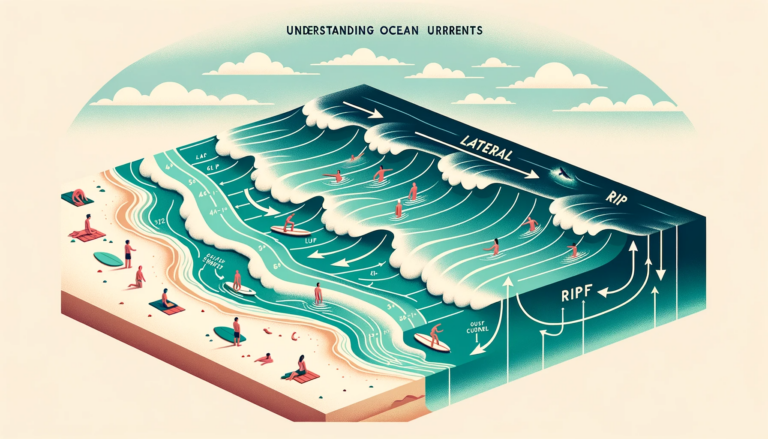
If you’ve ever been to a beach and noticed a particularly strong sideways pull, that’s the lateral current at work. Instead of trying to fight against it, it’s wiser to go with its flow. Allow it to take you past potentially hazardous sandbanks. Once you’ve navigated past these obstacles, you can try to catch a wave. If it feels too overpowering, it’s a good idea to exit the water and walk back to a point where you can safely enter again.

The Benefits of the Rip Channel

For those looking to paddle out, the rip or channel current can be a great ally. This is because it assists in moving you towards the lineup without much effort. Another advantage is that waves tend to break less frequently in these channels.

Spotting the Rip Current

Recognizing a rip current is crucial for safety. Here are some telltale signs to help you identify one:

  1. The absence of breaking waves.
  2. Water that appears to have a different hue or seems more foamy than its surroundings.
  3. The presence of floating debris, like plastics, being dragged out into the open sea.

It’s also worth noting that rip currents don’t always move in a straight direction. At times, they can have a slight angular path.

Key Takeaways

The next time you head to the beach, be it for a relaxing swim or an adrenaline-pumping surf session, keep these pointers in mind. Respect the power of ocean currents, learn to identify them, and use them to your advantage. It’s the best way to ensure both fun and safety during your beach outing.

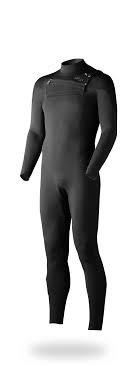
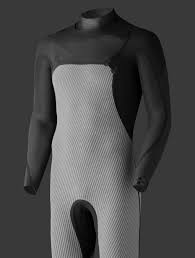
SRFACE Wetsuits compared

SRFACE wetsuits compared. Which one is the best?

(in our opinion)

A Detailed Dive into The Remix, The Heat, and The Eco

Introduction: SRFACE Wetsuit Overview

SRFACE, as a brand, has cemented its place as a formidable name in the wetsuit industry sice a few years. It boasts a range wetsuits that offers not just variety but also innovation, challenging even the industry leaders such as O’Neill and Xcel.

The importance of a good wetsuit

For surfers and water enthusiasts, the choice of a wetsuit can make or break their experience. It’s not just about staying warm; it’s about flexibility, durability, and sustainability.

Therefore we reviewed, and compared the top 3 wetsuits of SRFACE;

  • The Remix
  • The Heat
  • The Eco

First we will give information and we will show a matrix with all details later in this article. So you can decide which one you suits you best.

Jump directly to the matrix

Materials and Construction

Neoprene Type: From Yamamoto to Yulex®

Different wetsuit models of SRFACE offer varying neoprene types. The Remix features the acclaimed Yamamoto #40 Neoprene, while The Heat employs Japanese Limestone Neoprene. The Eco stands out with its Yulex® sustainable foam, indicating SRFACE’s nod to environmentally-conscious consumers.

Lining: Delving into the details of nylon, spandex, and recycled components

All three models are characterized by their meticulous lining details. The Remix and The Eco are fully double lined; however, while The Remix uses a combination of nylon & spandex, The Eco opts for recycled nylon, amplifying its sustainable credentials. The Heat, on the other hand, keeps it standard, focusing on other features to win the user over.

Stitching and Seams: How construction impacts wetsuit performance

The quality of stitching and seams can drastically impact the wetsuit’s lifespan and functionality. Both The Remix and The Eco feature Glued and Blind Stitched (GBS) stitching, while The Heat doesn’t specify this detail. However, all models prioritize taped inside seams, with The Eco taking it a step further by hand-taping them.

Features: What Sets Each Model Apart

Chest, Back, and Knee Pads: Why these matter

While The Remix and The Eco are silent on chest and back specifics, The Heat boasts of its Smoothskin Chest and Back. However, all models guarantee abrasion-resistant knee pads, ensuring longevity and protection.

Stretch Lining and Insulation: Comfort and warmth in the water

360° Stretch Lining is a feature prevalent across the board, but with variations. The Remix and The Heat employ a general 360° Stretch Lining, while The Eco ensures that even this feature is eco-friendly with its recycled version. Furthermore, plush insulation is common among them, with The Eco once again spotlighting its recycled plush insulation.

Water Sealed Components: The role in keeping the surfer dry

A wetsuit’s efficacy is also measured by how well it prevents water seepage. With neck, arms, and legs being water-sealed in all models, SRFACE ensures that wearers remain as dry as possible.

Special Features: From Proven panel layout to Aqua-α

Each wetsuit brings its unique features to the table. While the proven panel layout and drain hole are common special features, The Heat uniquely uses the Dope-dye and Aqua-α techniques, hinting at its distinct offerings.

Extras and Usability

YKK zips: Their reputation and reliability

A small but crucial component, the YKK zip, is consistent across all models, ensuring durability and hassle-free usage.

Shoulder Toggles and Key Pockets: Enhancing usability for surfers

Every SRFACE wetsuit is equipped with a shoulder toggle and key pocket, underscoring the brand’s commitment to user convenience.

Chin Protection: A closer look at safety features

Safety doesn’t take a back seat with SRFACE. Both The Remix and The Heat come with chin protection for their 5/4 models, while The Eco remains silent on this feature.

Overview in one matrix

All that we desribed above is listed below in the matrix.

Feature/ModelThe RemixThe HeatThe ECO

Materials

Neoprene TypeYamamoto #40 NeopreneJapanese Limestone NeopreneYulex® sustainable foam
LiningFully Double Lined (nylon & spandex)StandardFully double lined with recycled nylon
Chest/BackNot mentionedSmoothskin Chest and BackNot mentioned
Knee PadsAbrasion-resistantAbrasion-resistantAbrasion-resistant
Stretch Lining360° Stretch Lining360° Stretch LiningRecycled 360° stretch lining
InsulationPlush InsulationPlush InsulationRecycled plush insulation

Seams

StitchingGlued and Blind Stitched (GBS)Not mentionedGlued and Blind Stitched (GBS)
Seam ReinforcementsMelco DotsMelco Dots & Sealed Outside SeamsMelco Dots
Inside Seam TapingTaped Inside SeamsTaped Inside SeamsHand taped inside seams

Techniques

Water SealedNeck, Arms and LegsNeck, Arms and LegsNeck, Arms and Legs
Special FeaturesProven panel layout & Drain HoleDope-dye, Aqua-α & Proven panel layout & Drain HoleAqua-α, Proven panel layout & Drain Hole
Zip
TypeYKK zipYKK zipYKK zip
Shoulder ToggleYesYesYes

Extras

Key PocketYesYesYes
Chin ProtectionYes (for 5/4)Yes (for 5/4)Not mentioned
Overall ConclusionBest type, challenging industry leadersGood but not the best in terms of flexibilityEco-friendly, less flexible but still a good wetsuit

Prices

Price 3mm wetsuit266,-256,-237,-
Price 4mm wetsuit296,-286,-266,-
Price 5mm wetsuit326,-316,-not available (yet)


Pricing and Conclusion

Cost vs. Value: Analyzing the prices of 3mm, 4mm, and 5mm wetsuits

Pricing varies with the features and the thickness of the wetsuit. The Remix, touted as the best type, commands a premium over The Heat and The Eco. However, each wetsuit offers value that’s well worth its price tag.

But to make it clear: The Remix is the best.

Summing up: Which wetsuit is right for whom?

For those looking to challenge industry standards, The Remix is a worthy contender. The Heat, while not the most flexible, still stands out in its range. However, if sustainability is a priority, The Eco becomes an obvious choice, albeit with a slight compromise on flexibility.
Sri Lanka with the Tide: Surfing, Safari and Serenity with the Family

Sri Lanka, a teardrop-shaped gem in the Indian Ocean, seamlessly blends thrilling adventures with unforgettable family moments.

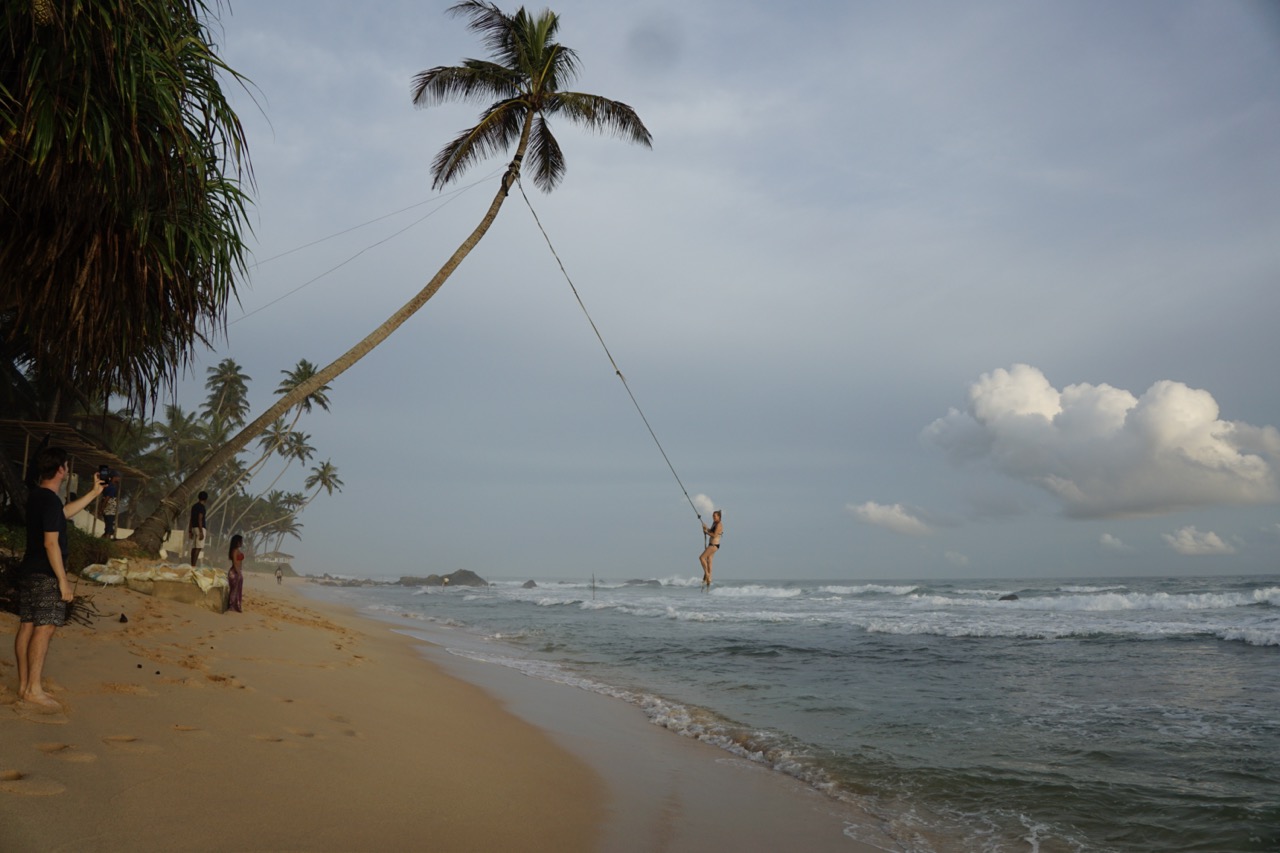
Picture this: golden beaches lined with swaying palm trees, mischievous monkeys at play, fishermen silhouetted against the dawn, delectable rice curries that dance on the tongue, elephants gracing the lush rice fields, and world-class surfing beckoning the adventurous.

golden beaches south coast sri lanka

The spirited and warm-hearted Sri Lankan locals ensure every visitor feels right at home. Immerse yourself in the heady aroma of exotic spices and vibrant flowers that permeate the air, all while the rhythmic lull of crashing waves promises a night of serene slumber.

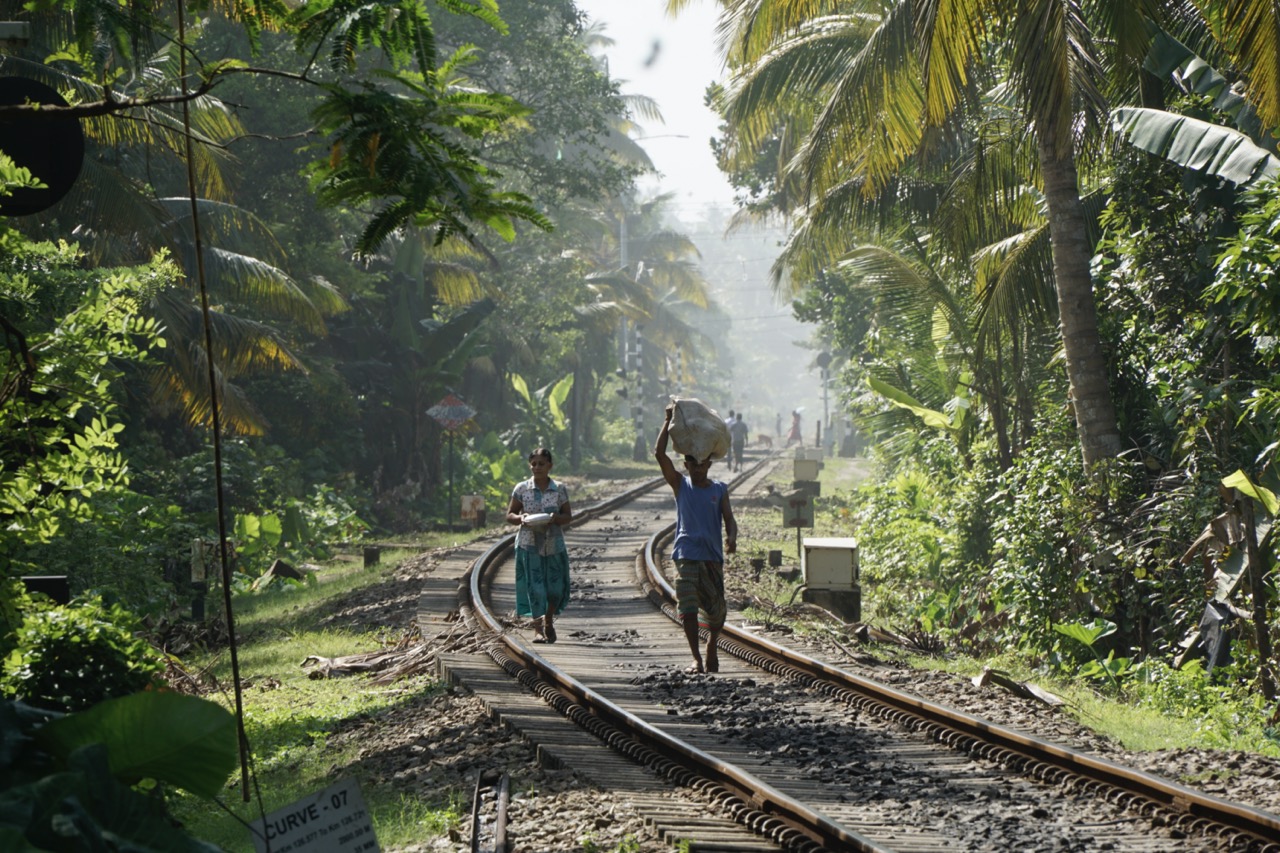
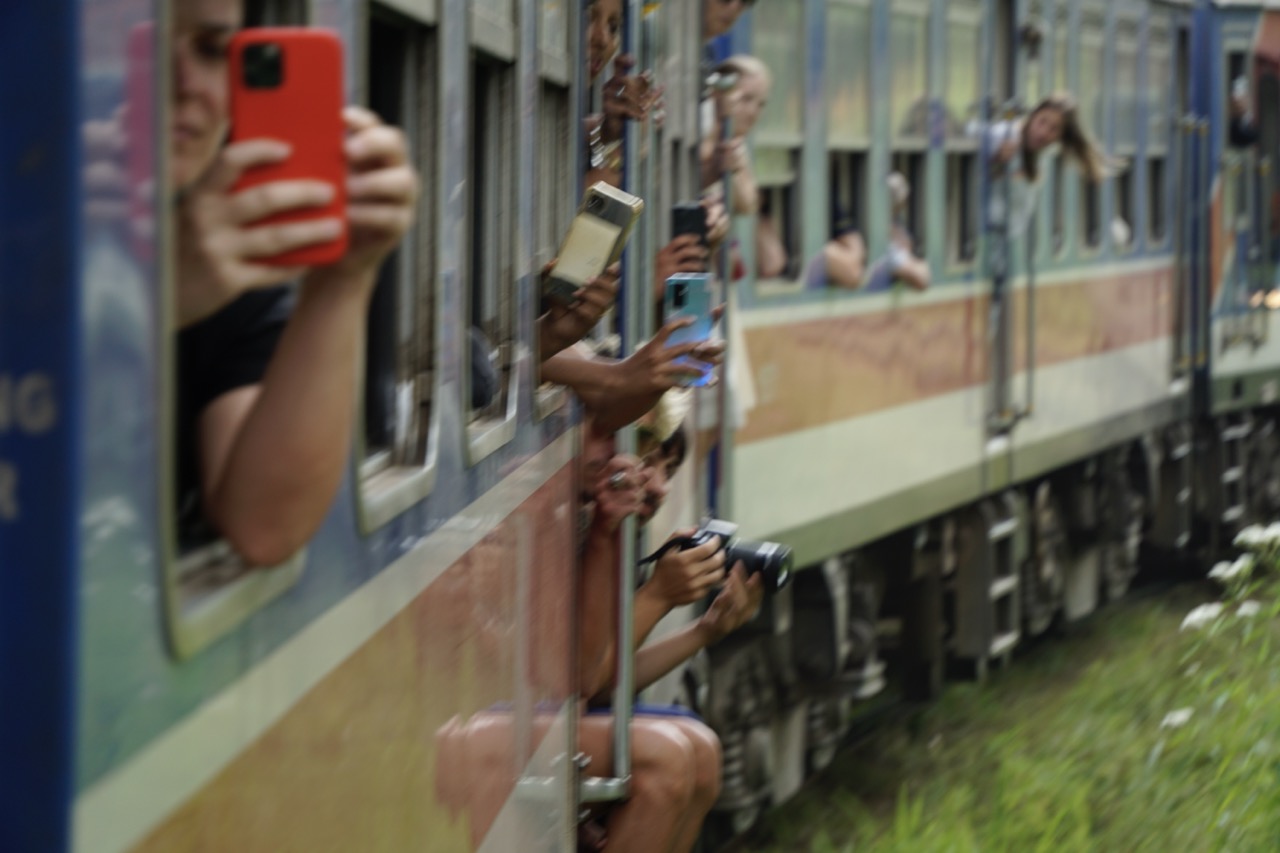
railway sri lanla

This island nation is a dream destination for families with a penchant for outdoor adventures and the thrill of surfing.

During our sojourn in July and August, we unearthed numerous treasures of this tropical paradise. In this article, we’ll share insights on prime surf spots, adrenaline-pumping activities, and the most scenic locales to anchor down, both on the south and east coasts.

For those keen on surfing in Sri Lanka, it’s crucial to note that the prime season during these months favors the east coast, especially areas like Arugam Bay and its surroundings. However, the south coast, while more tempestuous, does offer its share of exciting surf days.

Embark on an Odyssey with us!

A pro tip from our journey: upon landing at Colombo airport, we instantly secured a sim card, providing unlimited data for 30 days at a mere 20 dollars. This small investment simplified our travels immensely, enabling easy liaisons with locals, whether for arranging taxis or delightful tuk-tuk rides.

First stop; Tropical Unawatuna

Nestled in a bay to the east of Galle, Unawatuna offers a swimmable ocean throughout the European summer months. On our visit, we encountered surfable waves that beckoned the daring. This paradise features sandy crescent beaches, turquoise waters (crystal clear during the high season), and an ambiance that welcomes families with open arms.

Unawatuna’s main artery is a bustling street brimming with quaint shops and delightful eateries. During the off-season, the mood mellows, and while some establishments shut their doors in anticipation of the tourist surge, all beachside restaurants remain lively.

Our dining recommendation? The Villa. Picture dining with your feet nestled in the sand, diving into the ocean between courses, and watching local surfers master the waves.

Surfing in Unawatuna

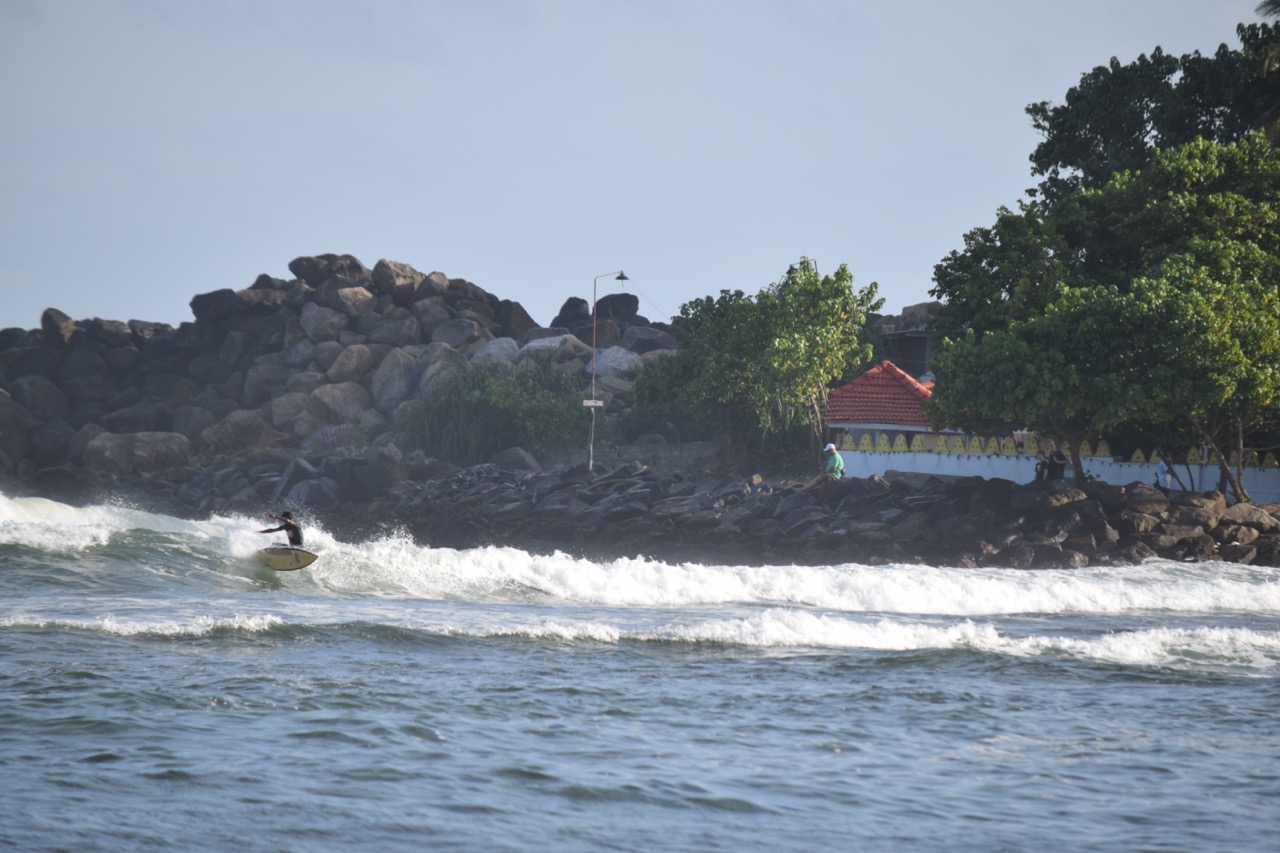
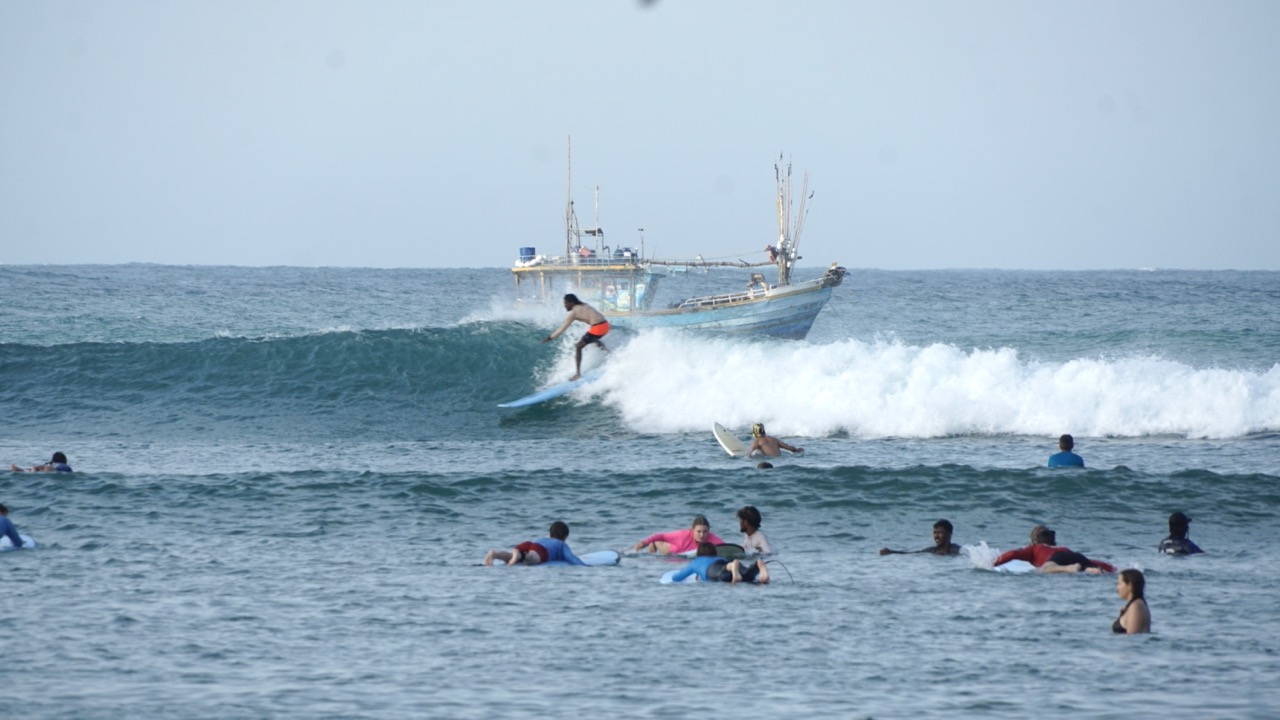
Our quest for the perfect wave began at Unawatuna. We witnessed two skilled locals navigating the waters near the bay’s westernmost point, where waves gracefully arc into the cove.

surfing unawatuna

Unfortunately, without our boards and limited surf rentals available during the low season, we remained spectators. Do exercise caution, as the waters conceal rocks and reef beds. In peak season (November to April), surfing aficionados will find abundant surf schools and rental shops at their service.

Family Activities in Unawatuna

High-season visitors can indulge in snorkeling amidst the coral reefs or embark on boat trips to further explore. Jungle Beach, situated opposite Unawatuna Bay, is another must-visit. While undeniably beautiful, it didn’t top our list of Sri Lankan beaches due to occasional water pollution (lots of plastic in the water). However, this can vary, influenced by changing currents.

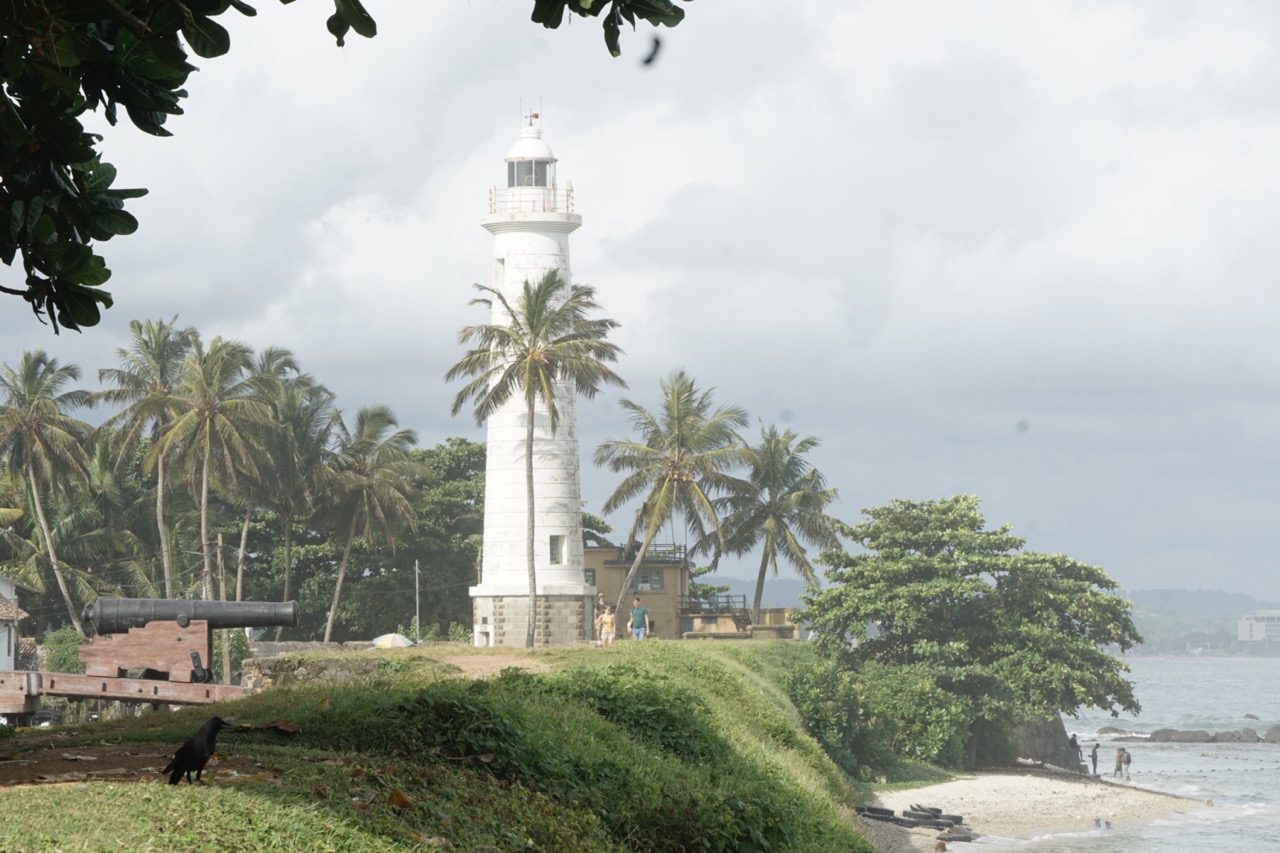
As dusk descends, venture to Galle Fort.

galle lighthouse

Admire the iconic lighthouse, meander through the narrow lanes, and relish the colonial architecture, testimonies to Dutch and Portuguese legacies.

Accommodation Highlight; Serenity Boutique Hotel

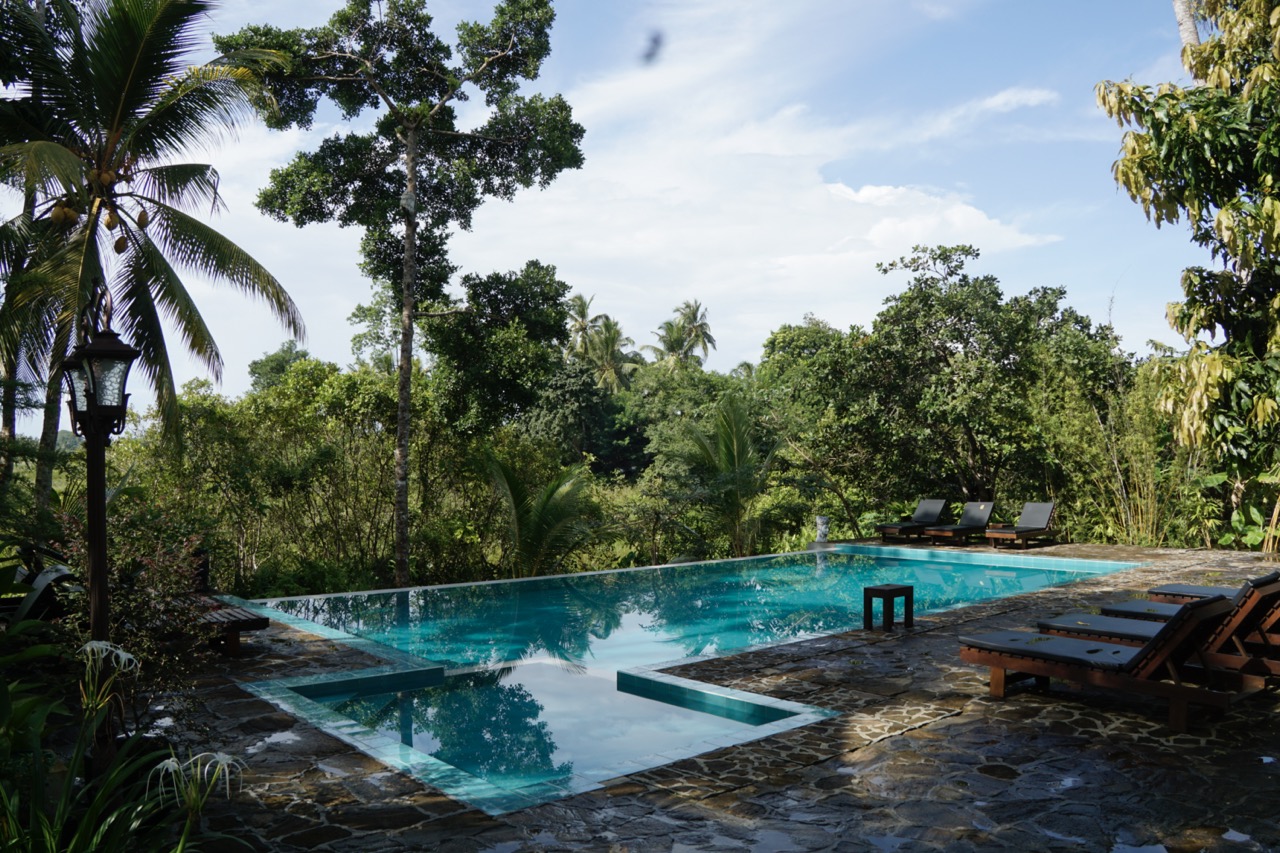
serenity boutique hotel unawatuna

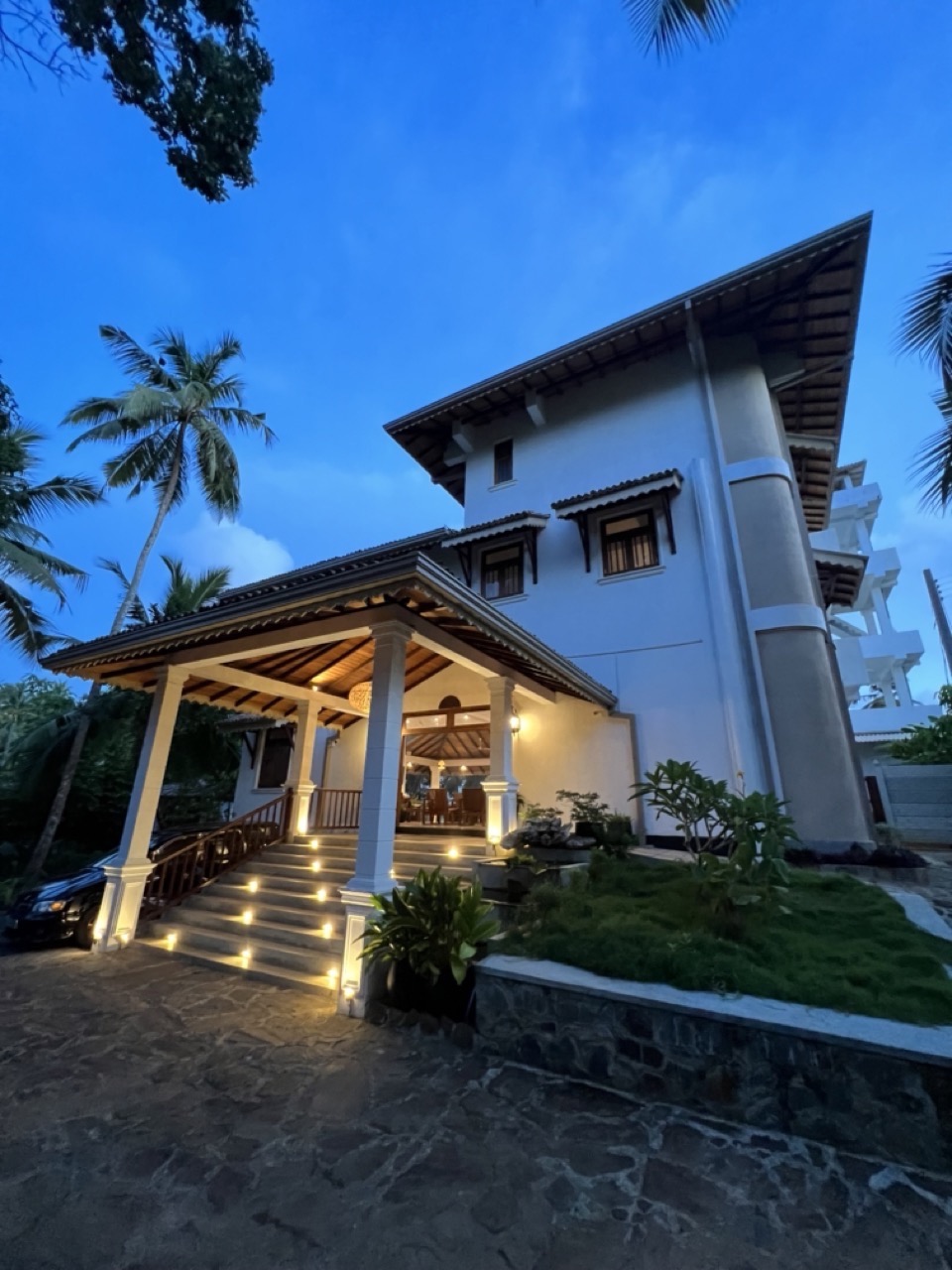
Our stay at Serenity Boutique Hotel was nothing short of splendid. True to its name, this intimate establishment offers an ambiance reminiscent of a lush jungle.

Serenitu boutique hotel unawatuna

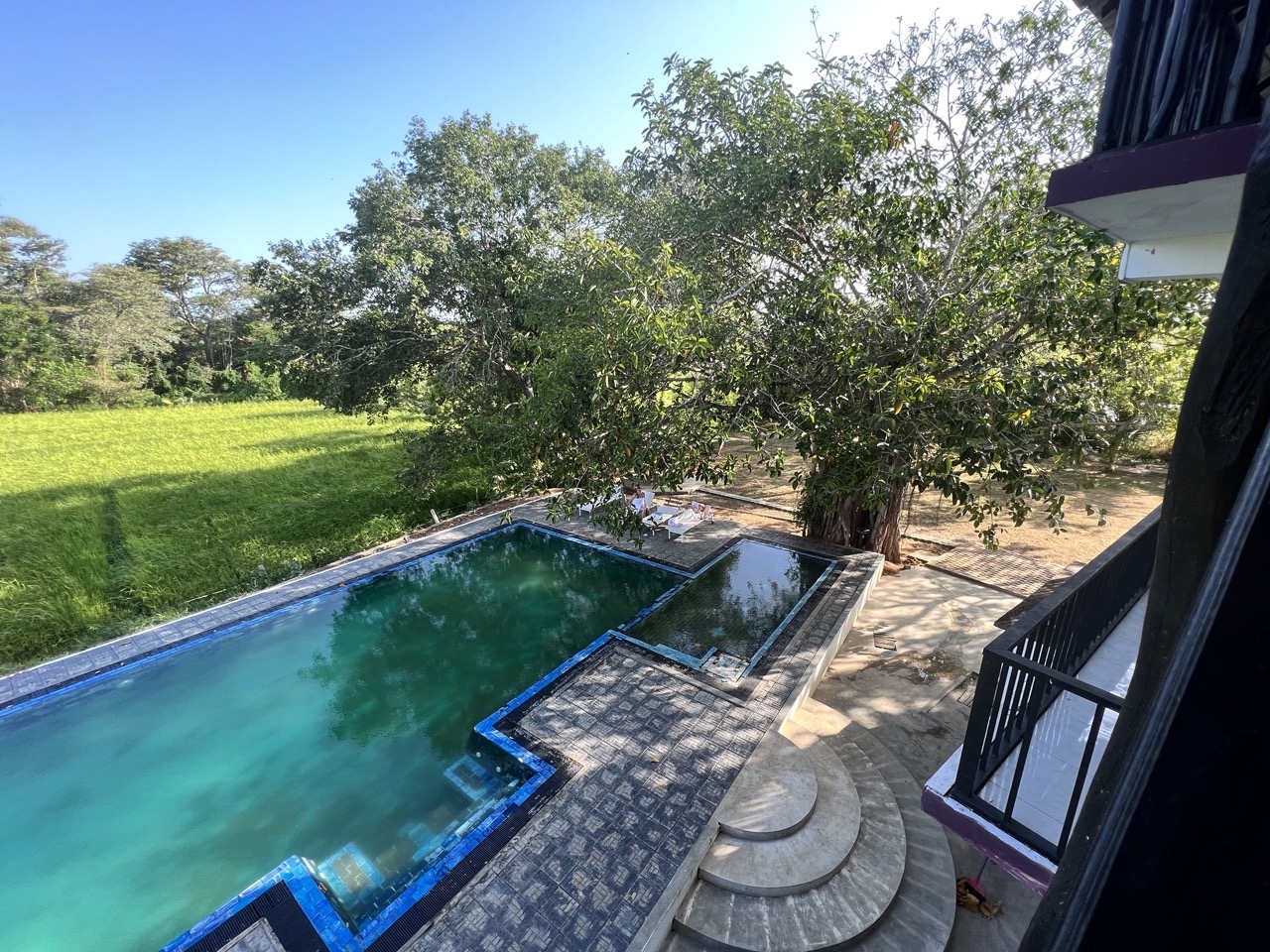
Enjoy panoramic views from the dining terrace and infinity pool, retreat to immaculately maintained rooms, and savor mouth-watering cuisine. Its location, just over a kilometer from the main thoroughfare, ensures you’re serenaded by jungle melodies.

A 15-minute tuk-tuk ride, which the hotel can assist in arranging, whisks you to Unawatuna. The round trip will set you back about 2500 rupees, approximately 7.5 euros.

With the TukTuk to Weligama: A Surfer’s Haven and Historic Retreat

From our base, a short jaunt leads to the surfing mecca of Weligama. The expansive bay, particularly its western side, is an ideal playground for novice surfers. Nestled close by is an intriguing islet, home to an intimate hotel with a storied past – it’s whispered that even presidents have stayed on this island hotel. For a little touch of adventure, take a leisurely walk to this island during low tide; it’s almost like strolling on the ocean floor.

Mirissa: Beach Bliss and Coastal Culinary Delights

Fancy a shark for diner? With a journey a mere 40 minutes to the east from Unawatuna, and you’ll find yourself in the picturesque embrace of Mirissa.

mirissa surf sri lanka

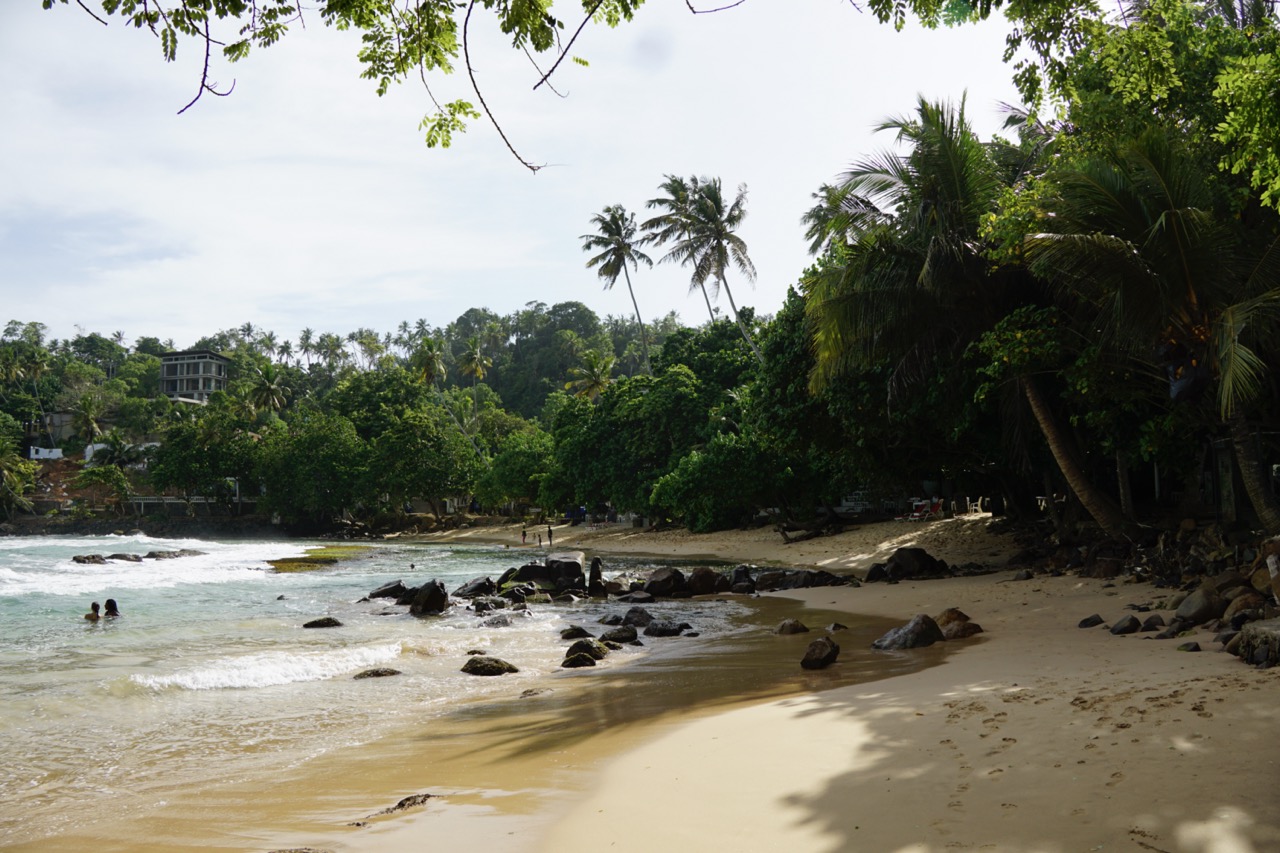
While it’s no secret among tourists, Mirissa still retains its charm at some places. Its shoreline is dotted with delightful dining spots where you can relish gourmet meals with sand tickling your toes and the sound of waves serenading you.

Mirissa surfing

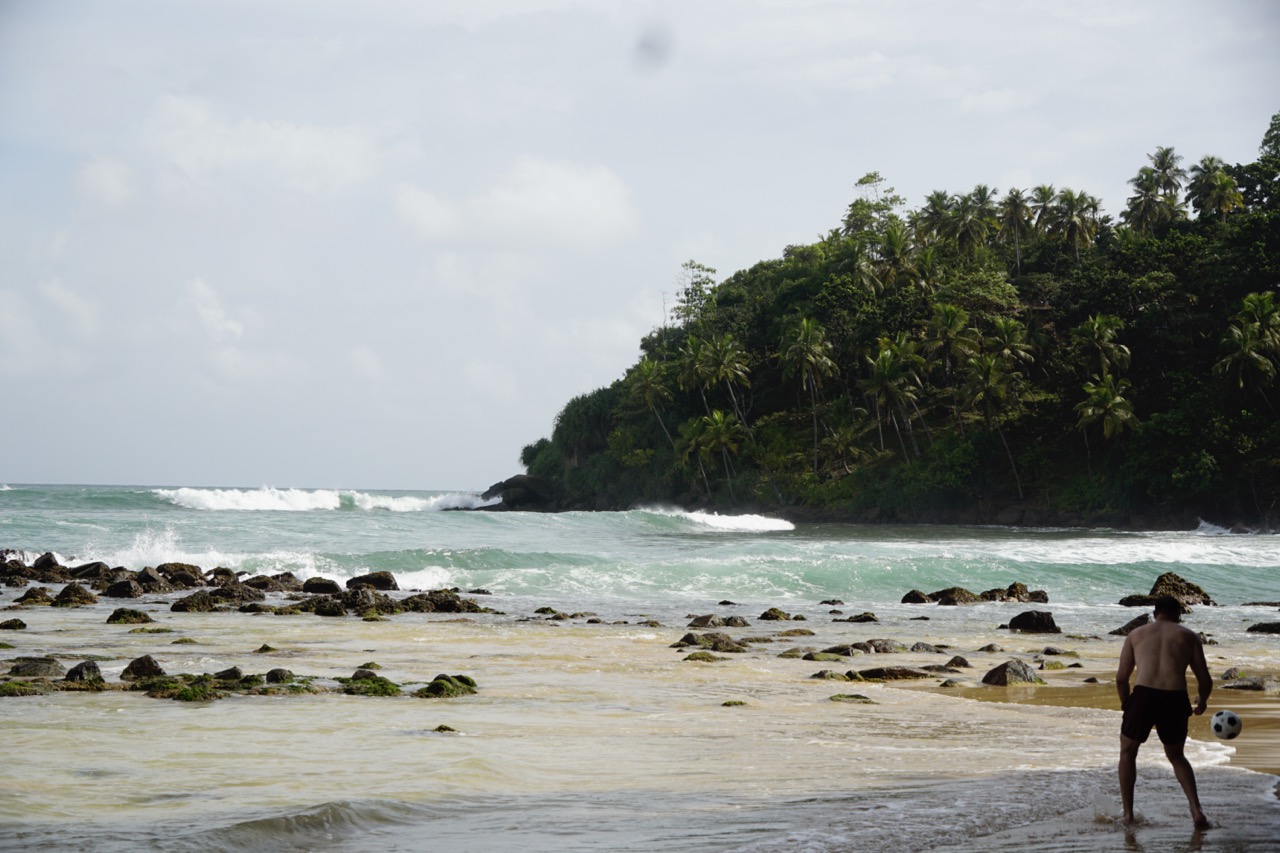
For a quieter, more secluded vibe, head to the bay’s far western corner. This alcove, shadowed by rustling palm trees lining the surf break, promises tranquillity. And if the waves beckon, you’re in luck in the off season. In the main season (from november) you’ll have great waves here and whole of the south. Surf schools and board rentals are conveniently situated at this spot. Dive in!

Yala National Park: Where Wild Wonders Await

Having dipped our toes in the pristine beaches and caught the exhilaration of the first waves (swimming), our compass directed us towards the celebrated wilds of Yala National Park.

Our anticipation was brimming; the very idea of transitioning from sandy shores to an ecosystem teeming with wildlife was nothing short of enchanting. However, we were in for some surprises.

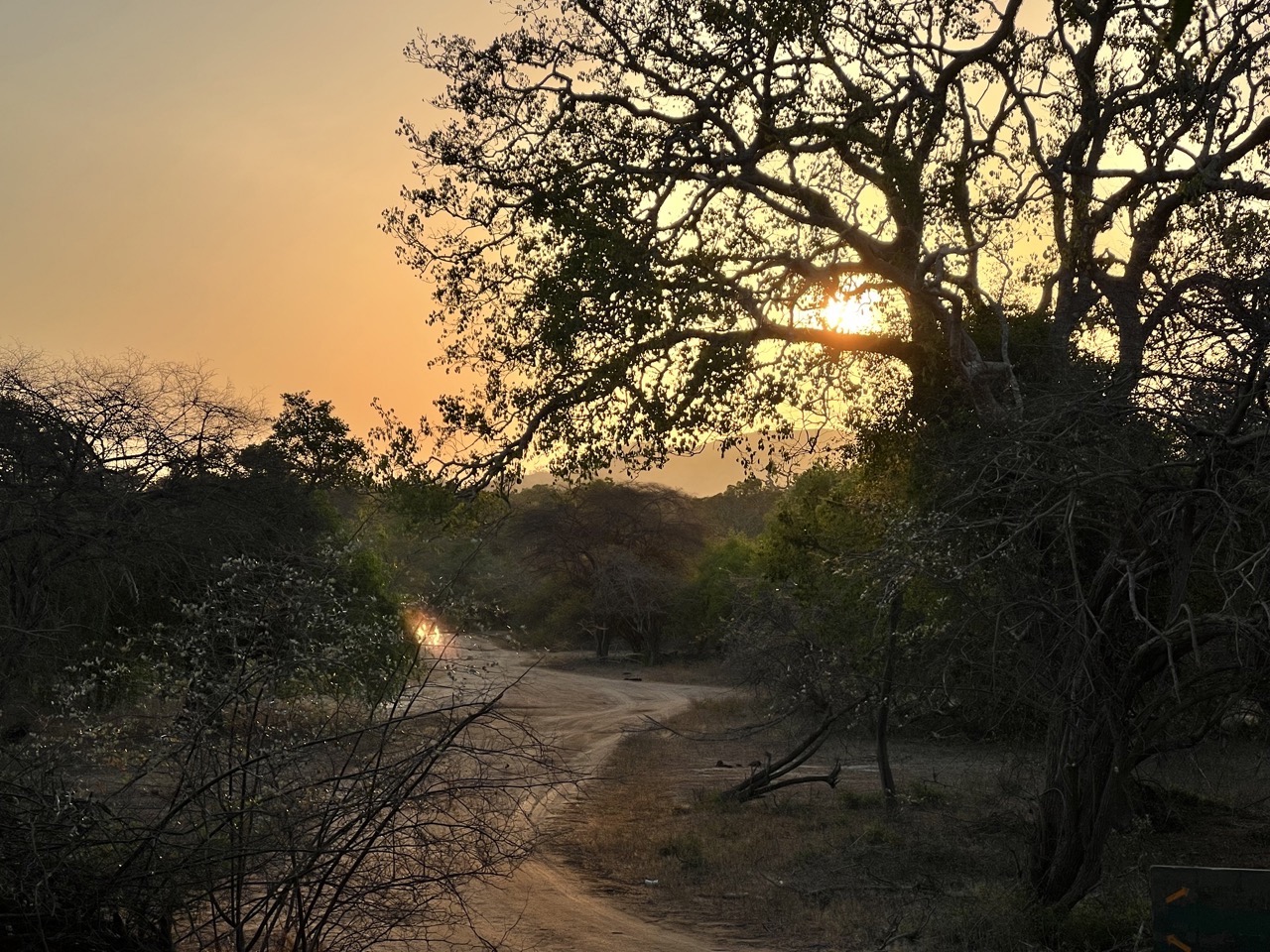
The break of dawn bathed the park in a golden hue, accompanied by distant murmurs of the wild.

golden hour Yala National ParcBut the romance of the safari diminished rather quickly. Imagine a caravan of jeeps, almost competing to catch a glimpse of elephants, crocodiles, bears, deer, monkeys, and the ever-elusive leopard. We were aware that spotting the latter was akin to finding a needle in a haystack. As for us, the roster included every creature except for elephants and leopards. The sight of multiple jeeps jostling for a vantage point robbed us of the authentic safari feel.
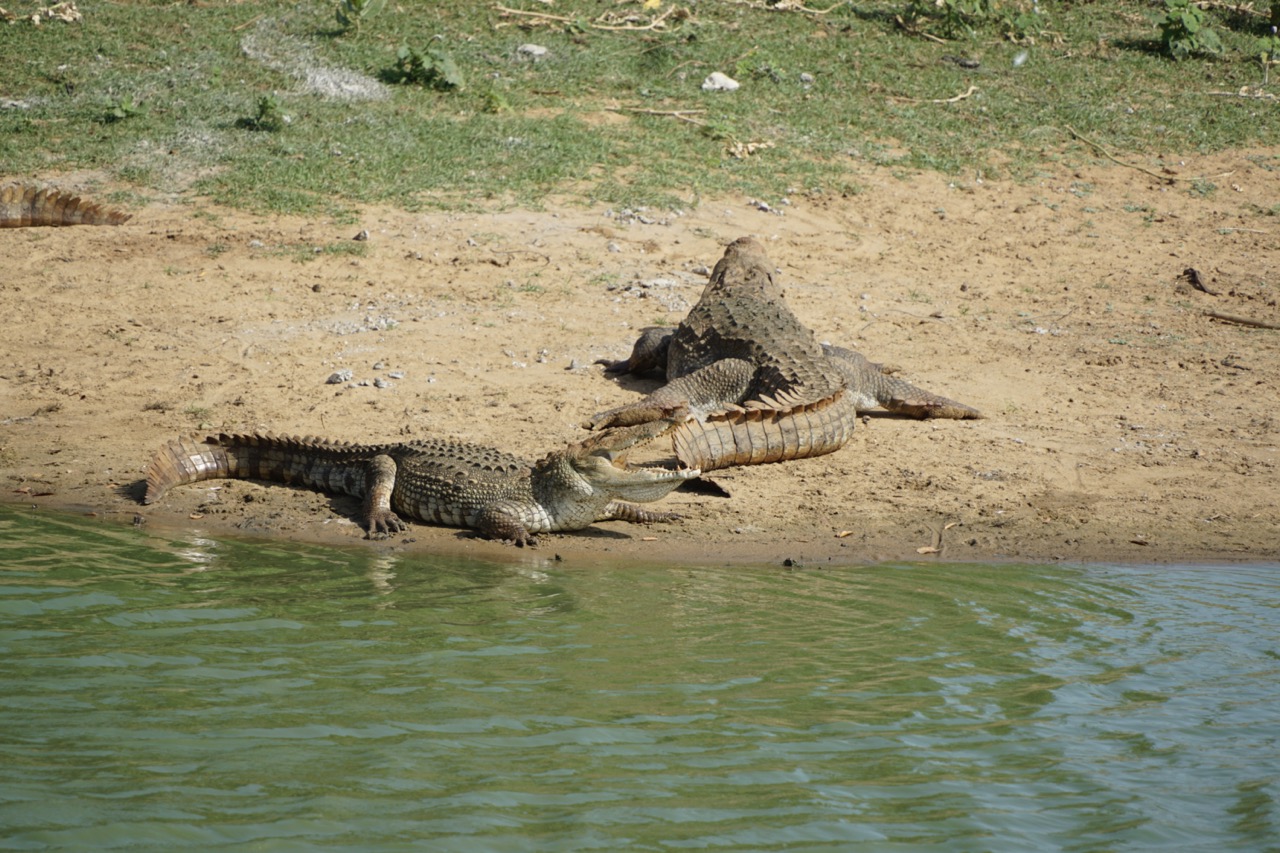
crocodile yala

Given our later experiences in Sri Lanka, had we known, we might have opted for the likes of Kumana instead.

Our two young adventurers, aged 8 and 10, however, soaked in the excitement. Each sighting was a lesson in nature and conservation.

Accommodation near Yala: Of Lakesides and Village Walks

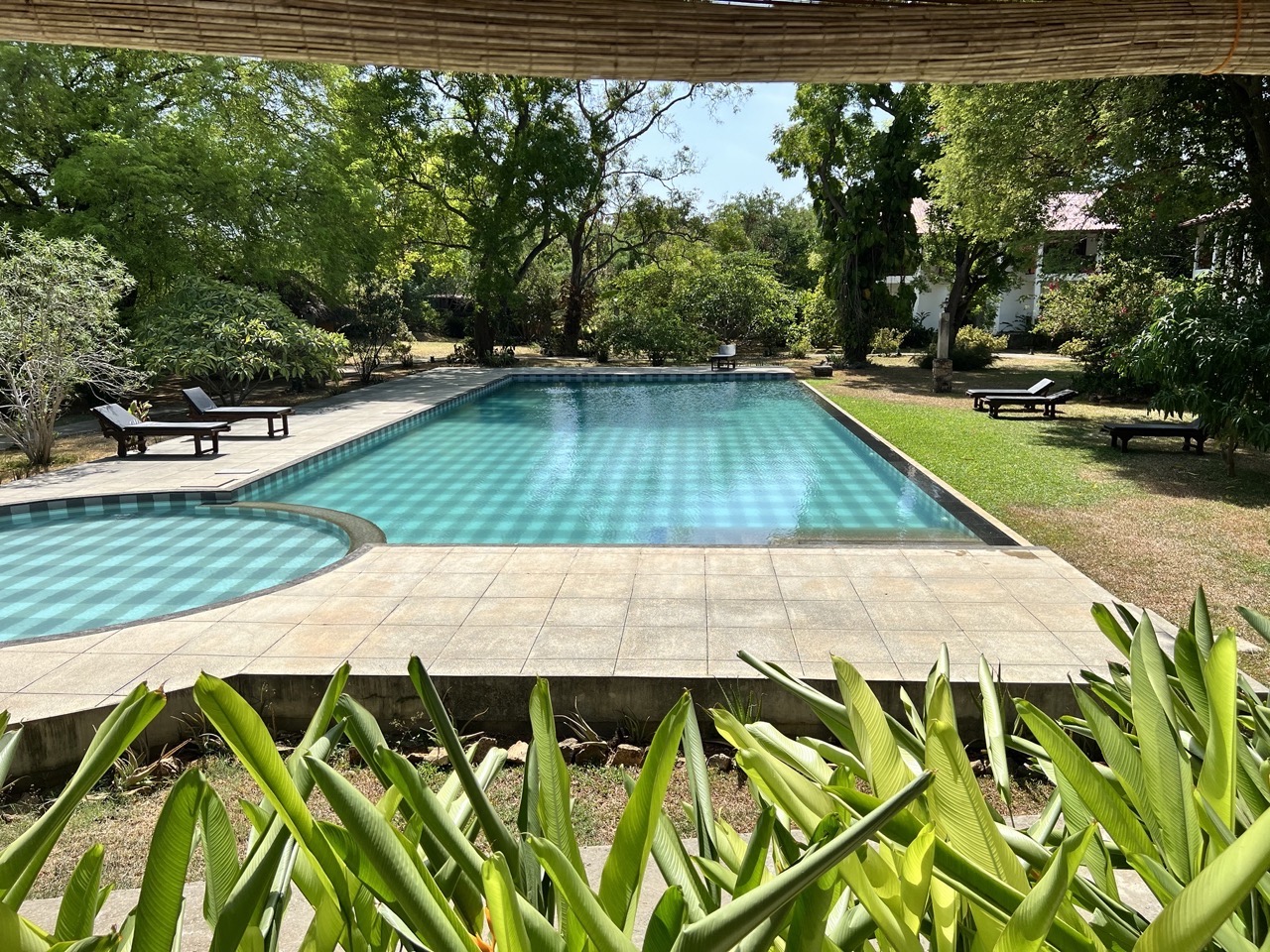
Our temporary abode was the rustic Bird Scenery Hotel in Thissamaharama. True to its name, it offered a panorama of avian life, especially during the twilight hours, with the lake as a serene backdrop.

birds scenery hotel thissa sri lanka

Our initial booking was another hotel through Airbnb, but reality didn’t quite match the allure of online images.

A serendipitous stroll through the quaint village of Thissamaharama led us to Blue Turtle. This gem, managed by a Sri Lankan who once called Paris home, is a meld of Western comfort and local charm. If you seek a touch of the familiar in an exotic land, Blue Turtle is your best bet. And the food? What can you expect of a former Parisien? It’s great!

blue turtle thissa yala blue turtle hotel thissa yala

Considering a safari in Yala?

Most accommodations, including ours, can coordinate the Jeep Safari for you. Our family of four embarked on this journey for 140 euros.

For those inclined towards luxury, Cinnamon Wild beckons. Located a stone’s throw from Yala’s entrance, it promises morning greetings from the wild and a canopy of stars come nightfall.

Arugam Bay: Surfing’s at it’s best

Post our Yala adventure, we hopped onto a taxi bound for Pottuvil, which set us back by 22,000 rupees for the 3.5-hour journey. Just a 15-minute drive south of Pottuvil lies the famed Arugam Bay.

Arugam Bay is the crown jewel of Sri Lankan surfing. It emanates an unmistakably chill ambiance. Most surfers, both novice and seasoned, hit the waves at dawn or dusk, mostly to evade the scorching midday sun.

Delightful Pottuvil: A Blend of Surf and Serenity

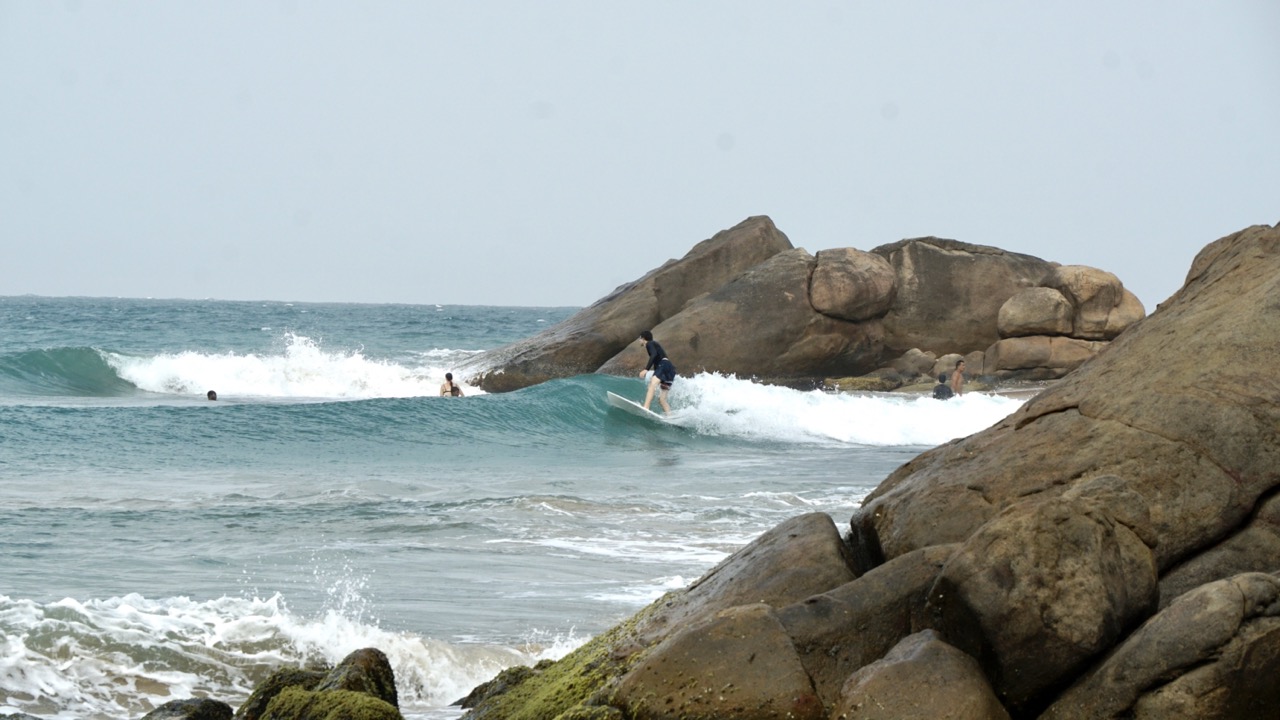
During our stay, we were fortunate to call two exceptional places home. First, we set up camp to the north of Arugam Bay, in Pottuvil. Here, our top pick was the Babar Point. A stone’s throw away from the Pottuvil Point surf spot, it boasts a formidable right-hander that beckoned us for our maiden Sri Lankan surf.

pottuvil surf

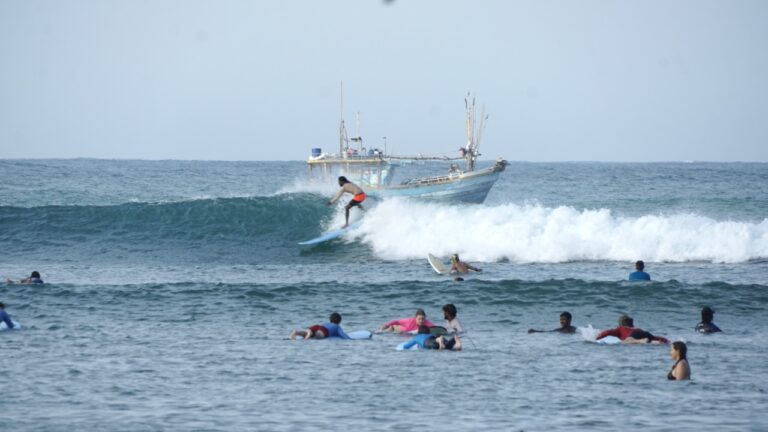
The waves here were sublime, typically rolling out smoothly for around 150 meters but sometimes extending double that. Locals often regale tourists with tales of rides stretching to an astounding 700 meters. However, be prepared for a bustling crowd, especially during surf lessons (dusk and dawn). The absence of strict surfing etiquette might be jarring for some, but with time, you find your rhythm amidst the drop-ins and snaking.pottuvil point


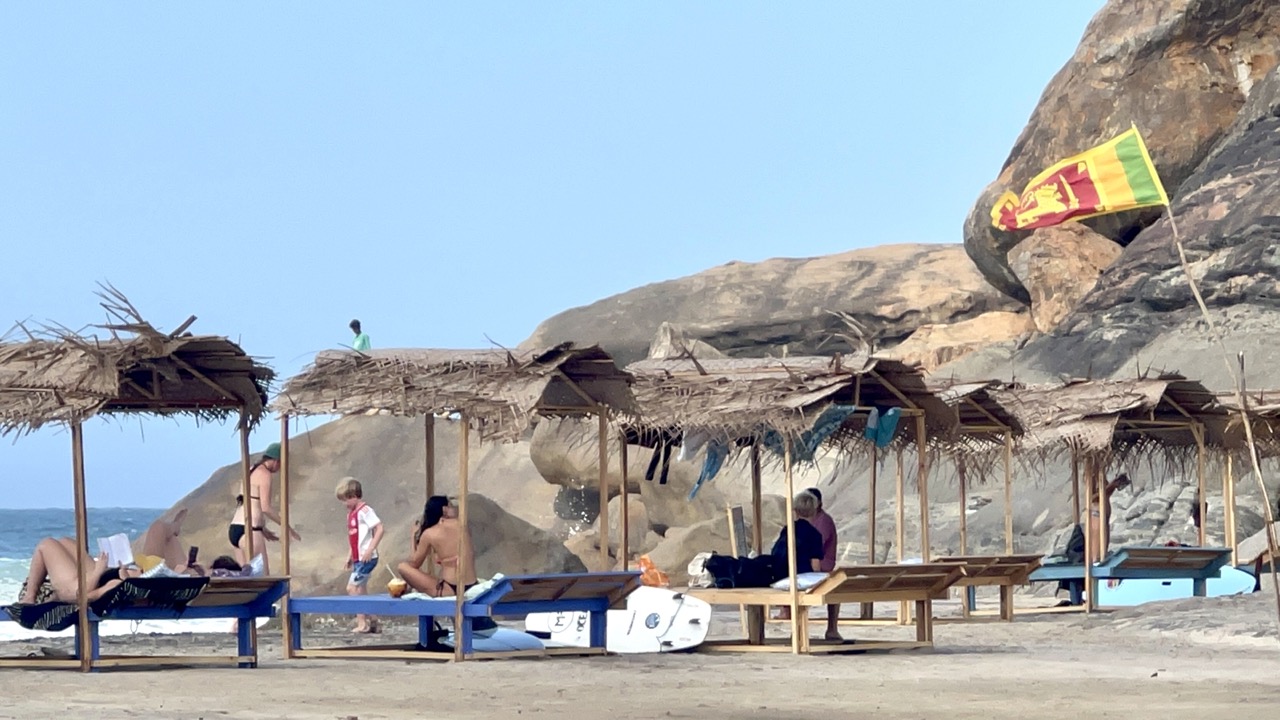
But Pottuvil is more than its waves. The quaint beach is a slice of paradise, with a serene lagoon lying in its embrace. For the more adventurous, a mangrove safari promises sightings of exotic birds and menacing crocodiles. The sprinkling of fisher boats, framed by coconut palms, paints a timeless picture of this little beach. This idyllic setting, seemingly untouched by time, might soon beckon developers. One can only hope its essence remains untarnished.

Also in Pottuvil is the famed Whiskey Point. However, word has it that this once-popular spot has lost its charm in recent times.

Surf’s Up in Arugam Bay

While we reveled in the spectacular surf of Pottuvil and cherished our stay there, heading to Arugam Bay stirred a mix of emotions. We had pre-booked our stay at the charming “Stay Golden” — a name so apt for the place. Unlike Pottuvil’s raw allure, Arugam Bay oozed a more tourist-centric and surfer vibe. It evoked nostalgia, reminiscent of the Kuta of Bali two decades ago.

Catch the Wave: Surf Spots of Arugam Bay

Arugam Bay offers multiple surf spots. The main attractions include Main Point and Baby Point.

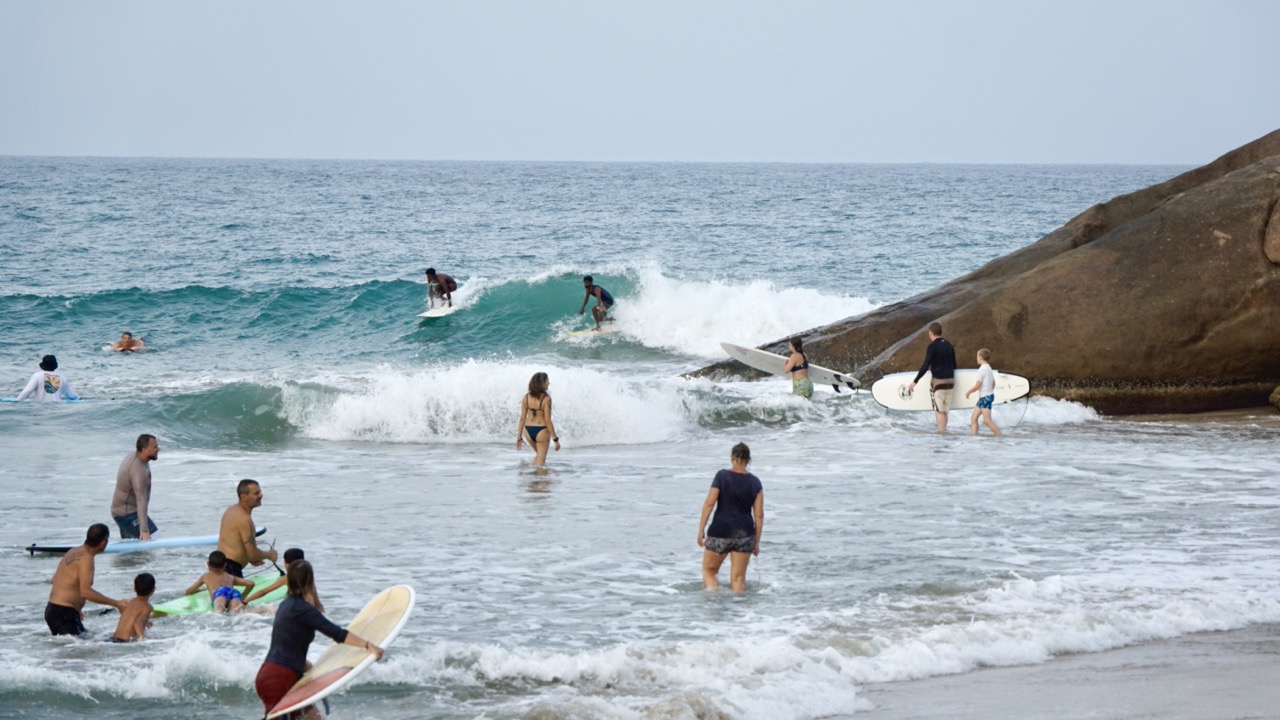
Baby Point is a crowd-puller, especially during morning and afternoon surf lessons. While it may seem crowded, the waves here are generous, offering both number and length.

baby point arugam

And for those yearning for a pristine right-hander, Main Point is perfect, catering especially to intermediate and advanced surfers. The take-offs are smooth, and the surfers here respect the rules a tad more, providing an enjoyable experience as you ride the waves alongside the palm-fringed coastline.

main point arugam

Now, while many guides and blogs tout these waves to be consistently gentle, don’t be fooled. We encountered formidable 10ft waves with a staggering 20-second interval — a paradise for pros, but intimidating for many.

Off the Beaten Path: Surfing Beyond Arugam

Further south, there are lesser-known spots like Peanut Farm, Elephant Rock, and Panama.

elephant rock

As you venture further, the crowds thin out, especially around midday, ensuring a more serene experience.

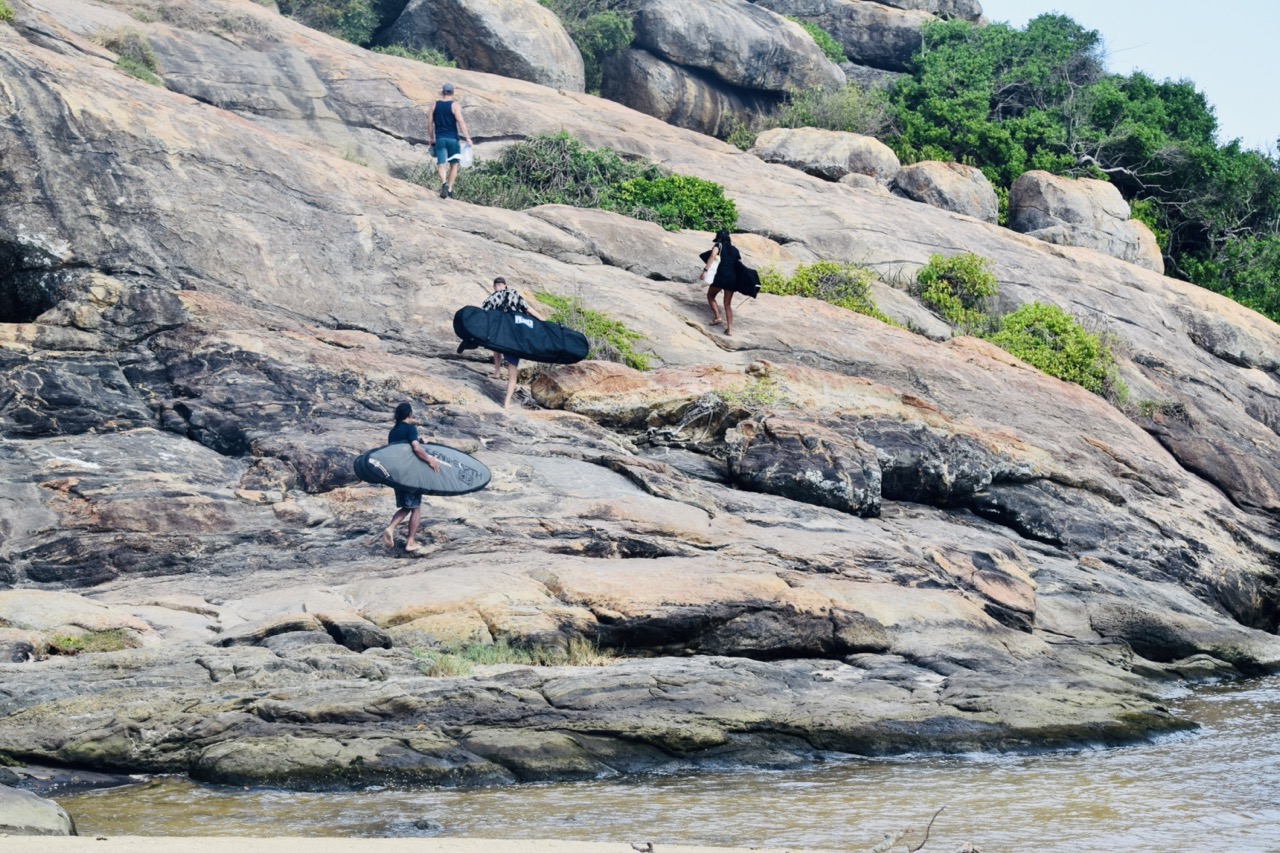
Elephant Rock, in particular, sees an influx of visitors by late afternoon — many drawn by the prospects of a stunning sunset and a potential elephant sighting from the vantage point of the rocks.


While the waves here are sublime, and the ambiance soothing, a word of caution: the nearby river, which you must cross to reach the beach, houses crocodiles. There have been tales of attacks, so remain vigilant.

The Golden Stay

“Stay Golden,” managed by Angie, Rihan, and their adorable son Rami, was our oasis in Arugam Bay.

Located just a short bike ride (or a 15-minute walk) from the heart of Arugam Bay, it offers amenities like free bikes, a refreshing pool, pristine rooms, and a relaxation haven. Yoga enthusiasts can also indulge in their daily sessions.

Exploring Beyond the Waves

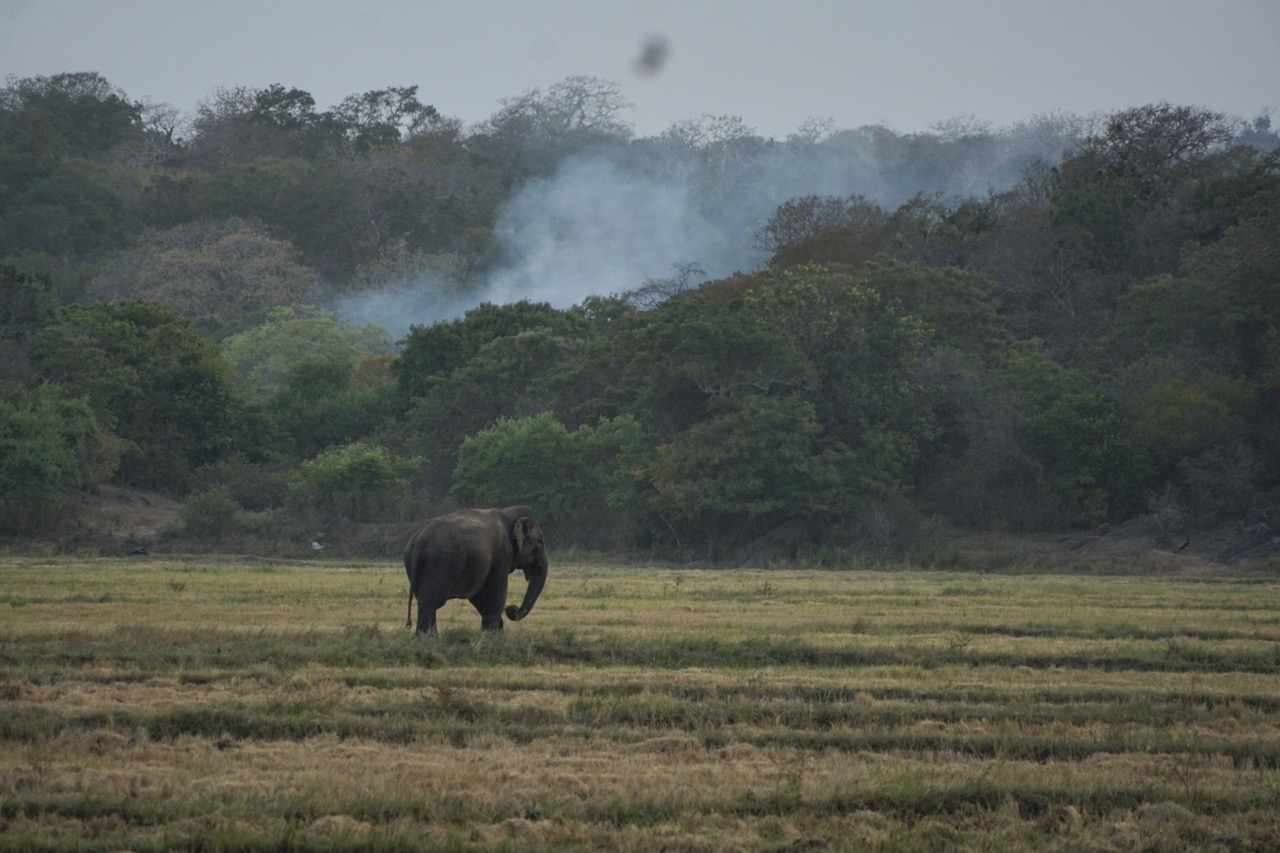
“Stay Golden” also curates tours for those looking to soak in the local culture and nature. We embarked on a journey to a temple perched on a rock, requiring a 1.5-hour tuk-tuk ride. The panoramic views post-climb — sprawling jungle, imposing rocks, and playful monkeys — were well worth the effort. Our descent was met with a magical sight: elephants gracefully sauntering through rice fields.

elephant near elephant rock

This excursion, spanning from 1:30 PM to 6:30 PM, was a richer experience than Yala and was reasonably priced at 7,000 rupees (21 euros).

After six invigorating days of surfing, we set our sights on Sri Lanka’s highlands, embarking on a 3.5-hour journey to Ella.

Ella: In the Heart of the Highlands

Ella paints a picture of perfection. Imagine misty mountains, cascading waterfalls, the rhythmic chug of a train on its tracks, vibrant jungle sounds, and playful monkeys on your terrace.

Our introduction to Ella was somewhat unexpected. The town is lined with Western-style establishments, like the popular Chill Cafe — where advance reservations are a must. While this main street boasts of its charm and delectable food, a stroll down the adjacent lanes reveals a more authentic, local vibe. The choice of experience is yours.

During our 4-day stay in Ella, we delved into family adventures such as hiking to Little Adam’s Peak, marveling at the Nine Arch Bridge, witnessing the majestic Diyaluma Waterfalls, and embarking on a scenic train journey to Haputale, which is renowned for its sprawling tea plantations. And ziplining at Flying Ravana.

Here’s a heads-up for jungle trekkers: Beware of leeches, especially after a downpour. Many of us faced the itch and annoyance of these tiny creatures. It’s advisable to wear shoes and socks, and even long trousers to keep them at bay.

For a more local experience on the train, consider booking a 3rd class ticket. It’s a great way to mingle with locals. Otherwise, you might find yourself primarily among fellow tourists.

train ella

The train ride to Haputale, framed by endless tea plantations, lasts just an hour. Once in Haputale, tuk-tuks are ready to whisk you off to iconic tea plantations, including those of the renowned Lipton brand. Indeed, Thomas Lipton laid the foundations of his tea empire right here.

For those short on time, Ravana Falls is just a 5-minute drive from Ella’s center. However, be prepared for crowds, especially during weekends when locals flock there for their routine baths.

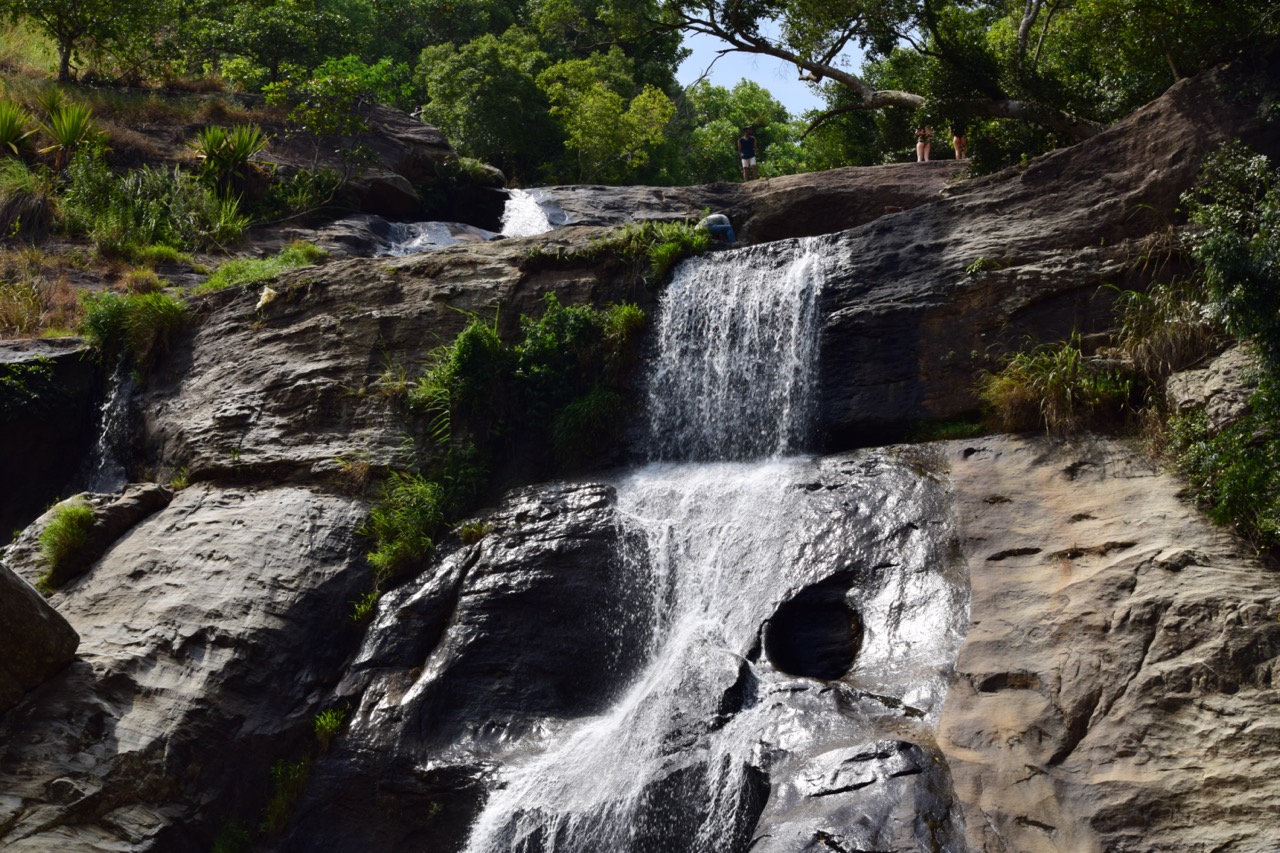
Diyaluma Waterfalls remains a highlight of our trip.

diyaluma waterfalls

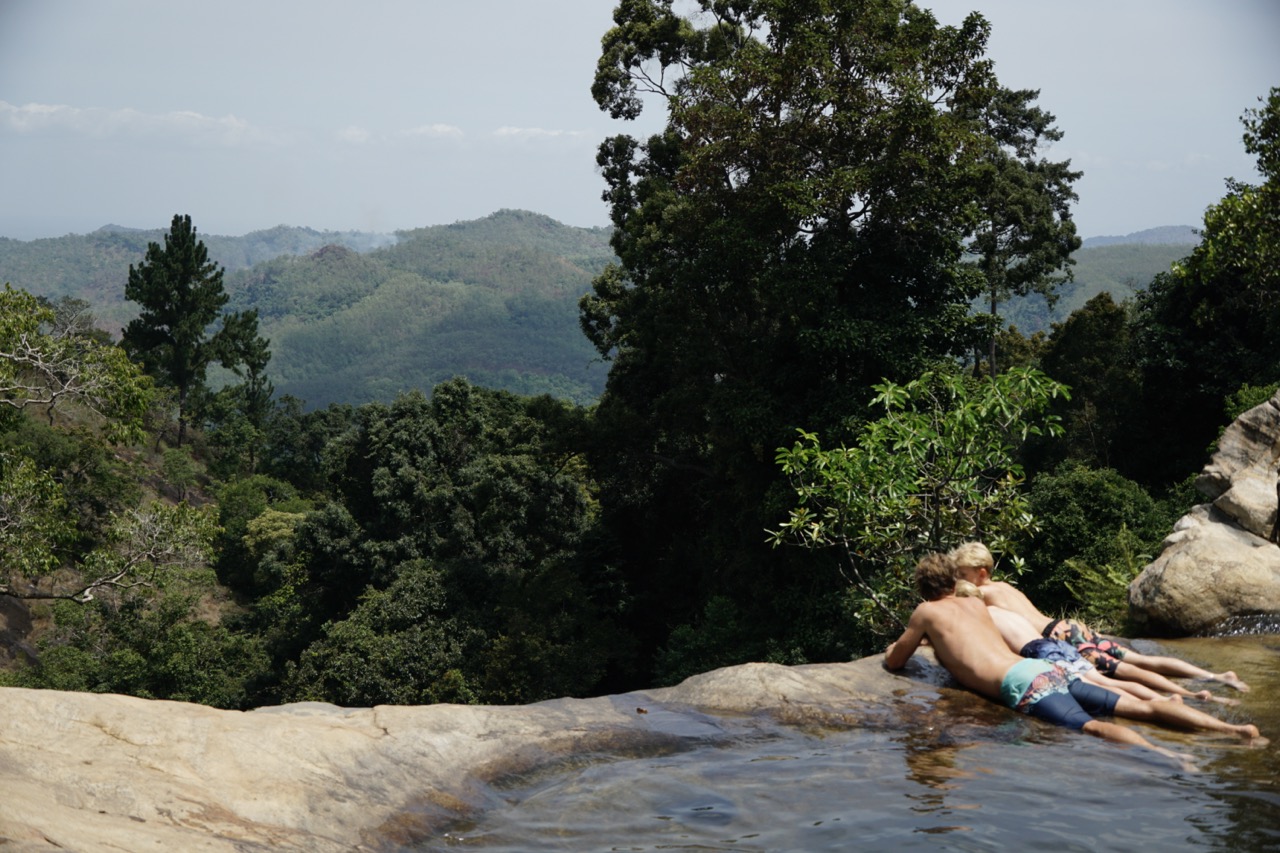
The falls have multiple tiers where visitors can indulge in natural pools, and for the daring, there are spots to jump from — 2 meters or even a daunting 7 meters (though we noticed mostly locals attempting the latter). All the while, monkeys might be your audience!

Ella’s heart lies in its local culture: Participate in tea factory tours, savor the local cuisine, and immerse yourself in conversations with its affable residents.

Our Stay in Ella: Zion View

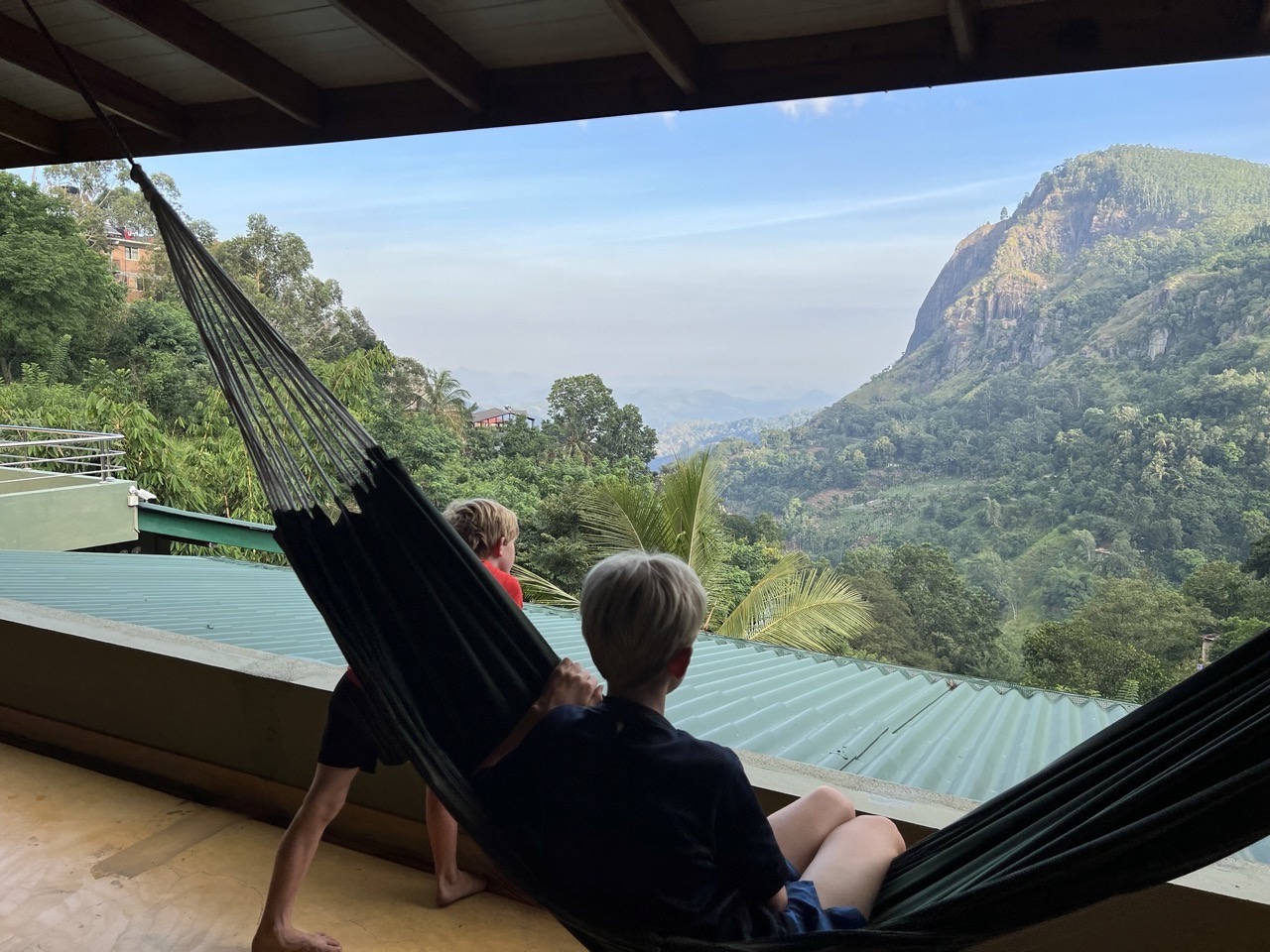
Traveling as a family with two children, we prioritized accommodations with a pool. Although Ella tends to be pricier than other locales, our stay at Zion View, albeit a splurge, was absolutely worth it. The hotel promises unparalleled views and soothing sounds, notably a mesmerizing panorama of Ella Rock.

zion view hotel with view on ella rock

Conclusion:

Sri Lanka, with its vast surfable coasts and breathtaking mountainous terrains, has certainly found its way into our family’s heart. This exceptionally hospitable nation is replete with diverse offerings. We tend to favor crafting our own itineraries over pre-packaged tours, and this approach genuinely enriched our family’s travel experience. It allowed us intimate interactions with locals, immersing ourselves deeply in the natural beauty and rich culture. Sri Lanka is undeniably an island deserving of multiple visits.

For Our Next Trip:

Given our aim for a relaxed pace of travel that prioritized rich, local experiences, we missed out on certain renowned destinations like Sigiriya and Trincomalee. These are touted as must-visit places to truly encompass the essence of Sri Lanka. We’re excitedly earmarking them for our return journey. And discover the South Coast for surfing in the main season.

Practical Tips & Recommendations:

  • Best Times to Visit:
    • South Coast: November to April.
    • East Coast: April to October.
  • Purchase a SIM card (recommend brands: Mobitel, Dialog). These are available directly at the airport.
  • Explore more tips and insights at linktr.ee/dutchiestravelling.
  • Familiarize yourself with a few local phrases for a richer experience:
    • “How are you?” – Kohomada
    • “Thank you” – Estutee
  • Keep in mind local cultural etiquettes.

Don’t-Forget List:

  • Mosquito repellent
  • Universal plug adapter
  • Booties
  • Cash
  • Credit card
  • Long-sleeve shirt
  • Hat or cap
  • Surf leggings
  • Sunscreen
  • Your own surfboard, to make sure you’ll have a good surfboard
  • Local phone subscription

Review: SRFACE 3mm Eco Wetsuit

This review highlights the benefits and features of SRFACE 3mm Eco Wetsuits. Made from Yulex, a natural rubber material, these wetsuits are setting new standards in the surfing industry with their eco-friendly approach without compromising on quality.

Make the shift

Hopefully all surfers are constantly searching for ways to reduce our environmental impact. SRFACE supports this. And has brought an innovative solution to the world of surfing with their Eco Wetsuits, made from Yulex, a natural rubber material. This review will take a deep dive into the features and advantages of these sustainable wetsuit, providing an insight into why more surfers should make the shift.

Products Information 3mm SRFACE Yulex wetsuit

SRFACE Eco Wetsuits are manufactured from Yulex, a plant-based alternative to neoprene. SRFACE’s use of Yulex reflects its dedication to sustainability, offering surfers a green solution without sacrificing quality or performance.

srface eco wetsuit 3mm review

Is Yulex better than neoprene?

Yule natural rubber offers comparable performance to neoprene while being a significantly more eco-friendly option. Unlike neoprene, which is manufactured in factories, natural rubber is sourced from trees that actively absorb carbon throughout their lifespan. By transitioning to hevea, the CO₂ emissions associated with a single wetsuit can be reduced by up to 80%.

Why prefer this 3mm wetsuit

Surfers are gravitating towards SRFACE Eco Wetsuits for their blend of eco-friendliness and performance. These suits are FSC® certified, ensuring they don’t contribute to deforestatio. The suits provide the flexibility, comfort, and warmth that surfers require, while their production causes less harm to the environment.

Feature

SRFACE Eco Wetsuits offer a durable, comfortable, and flexible surfing experience. The suit’s natural rubber material provides excellent insulation and stretch, ensuring a snug fit and maximum maneuverability.

Additional Features

Additionally, the wetsuits maintain their integrity and performance over time, ensuring you get the most out of your investment. Their high-quality construction and use of innovative material make them a favorite among eco-conscious surfers.

Other Users Opinion

Numerous other surfers have praised the SRFACE Eco Wetsuit for its fit and flexibility, lauding the comfortable surfing experience it provides. Additionally, users appreciate the company’s dedication to sustainability and environmental consciousness.

Final Verdict 3mm SRFACE Eco Wetsuit

The SRFACE 3mm Eco Wetsuit is an impressive fusion of sustainable technology and surfing functionality. Its use of Yulex natural rubber offers a significantly less damaging alternative to traditional wetsuits without compromising on quality or performance.

Pros

  • Made from sustainable Yulex rubber
  • Reduces CO2 emissions by up to 80%
  • High-quality construction and design
  • Provides excellent insulation and flexibility

Cons

  • May be priced higher than traditional wetsuits (still good priced though)
  • Availability may vary due to sustainable sourcing of materials

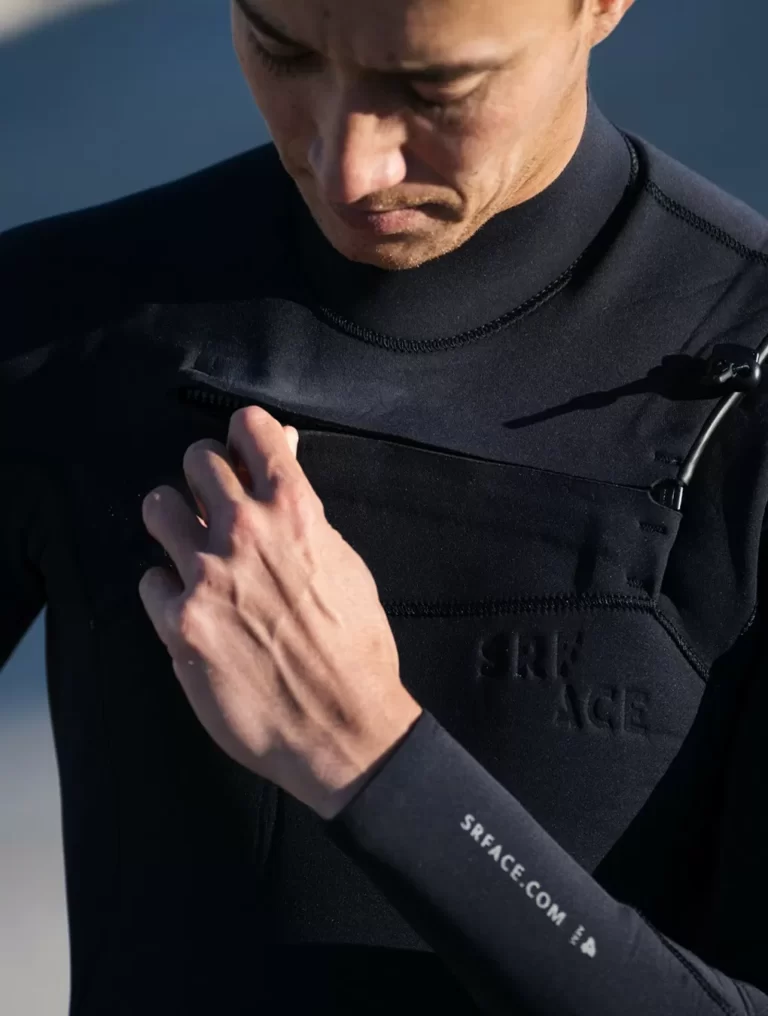
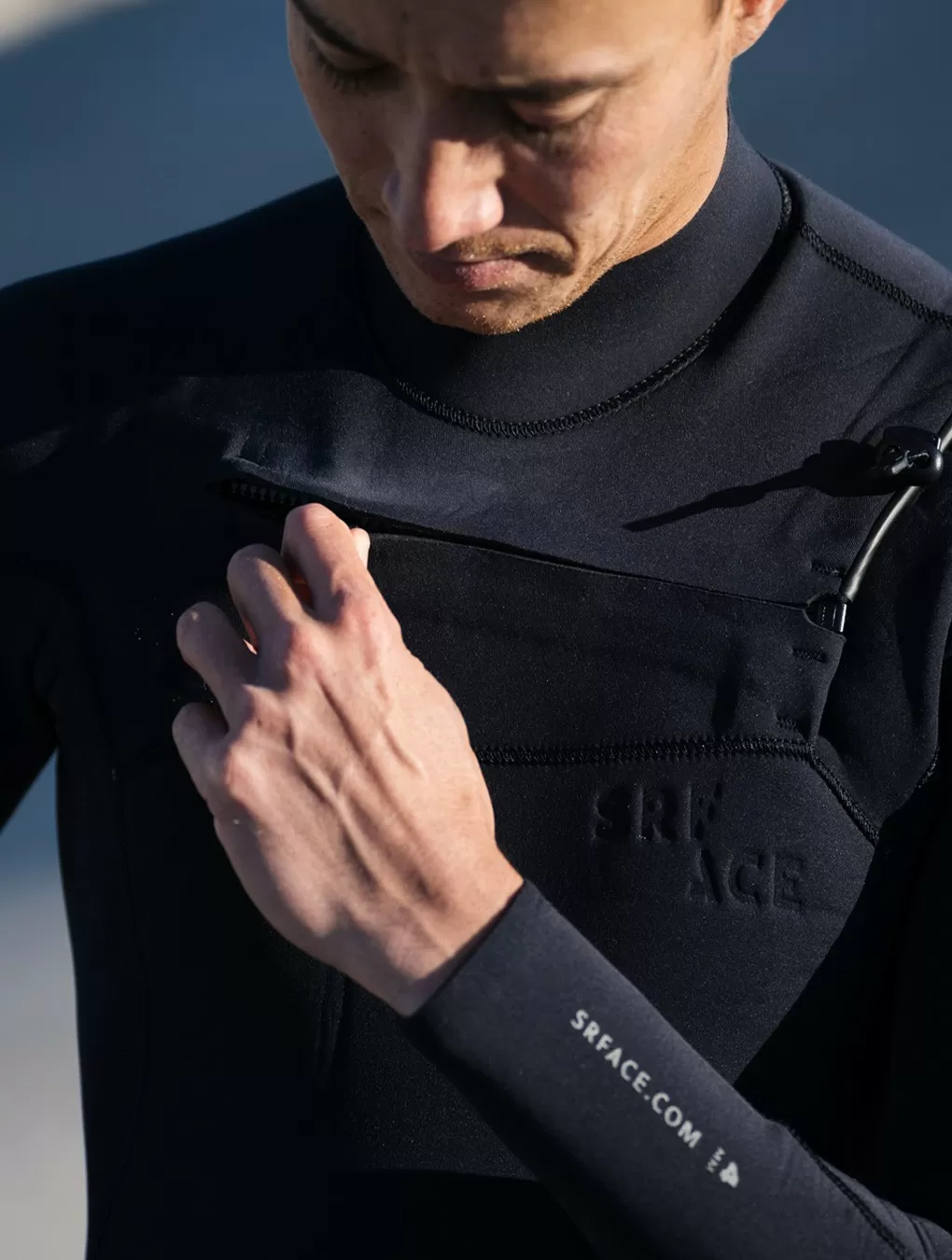
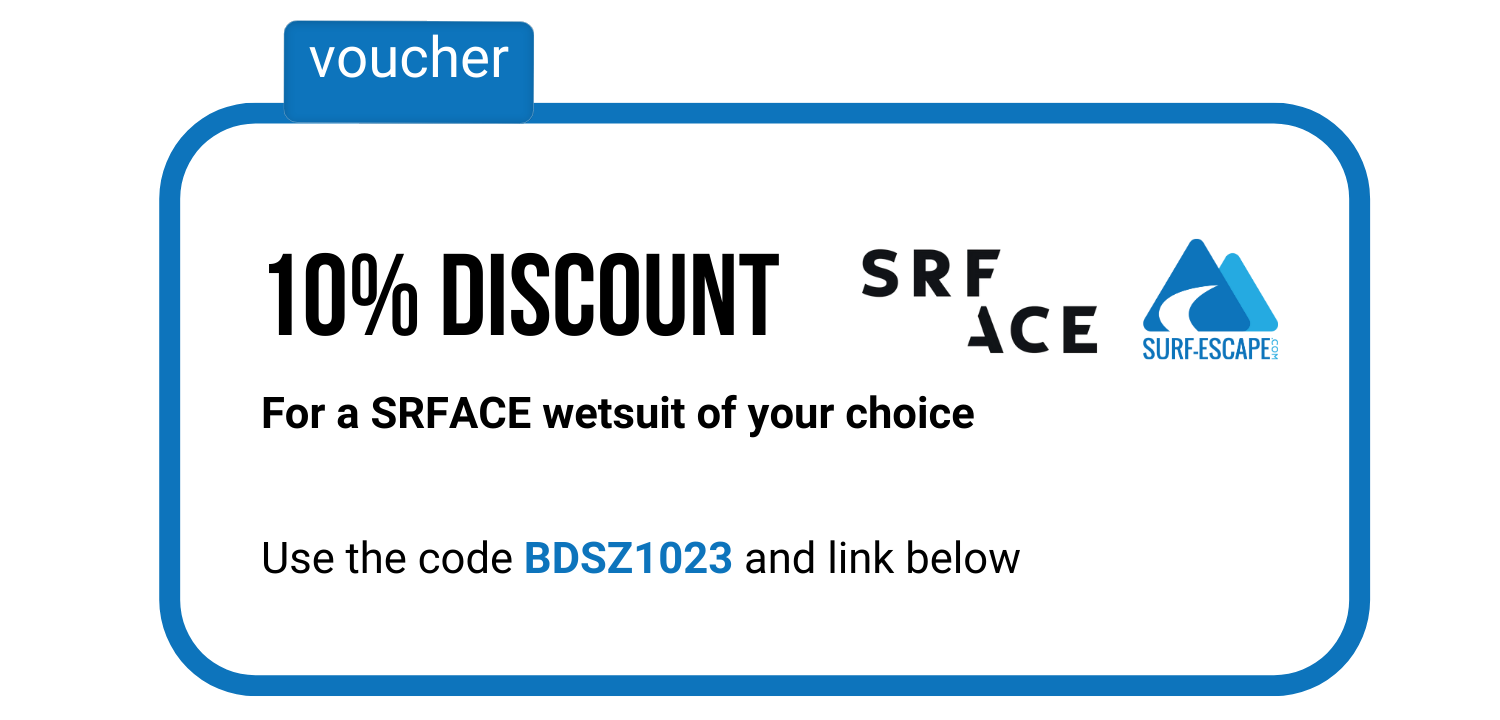
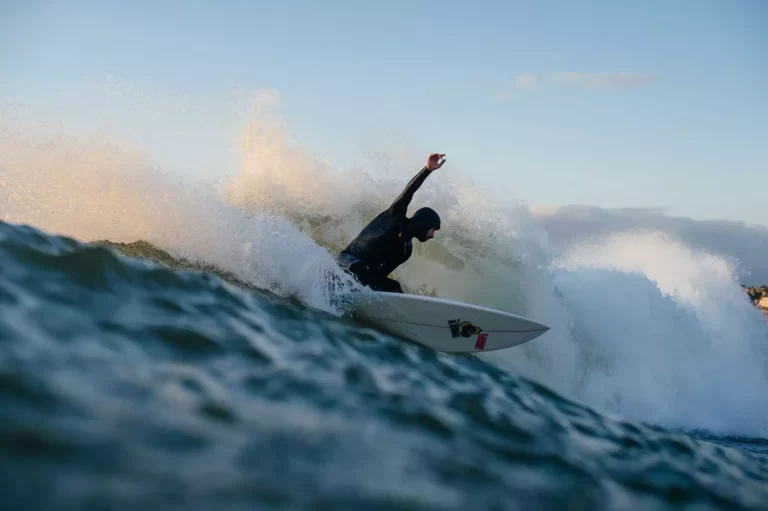
Also check the discount!srface wetsuit remix review

Check the wetsuit at the SRFACE website

In conclusion

In our view The SRFACE 3mm Eco Wetsuit made from Yulex natural rubber sets new standards in the surfing industry by providing an eco-friendly solution without compromising on quality. These sustainable wetsuits offer comparable performance to traditional neoprene suits while significantly reducing CO₂ emissions by up to 80%. With features such as durability, flexibility, and insulation, these wetsuits provide a comfortable and high-performing surfing experience. The positive feedback from other users further reinforces the appeal of SRFACE Eco Wetsuits.

By making the shift to these eco-friendly wetsuits, surfers can contribute to reducing their environmental impact without sacrificing performance.

More reviews

Check also our other SRFACE wetsuit reviews

SRFACE Remix 4/3 Wetsuit Review

SRFACE 4/3 Remix wetsuit

As a surfer who has been using the SRFACE 4/3 Remix wetsuit for the past six months, I can confidently say that it lives up to its promise of being highly flexible, warm, and offering great value for money. During the winter months, I relied on the 5/4 version of this wetsuit (check out my review on that). But now, as the weather gets milder, I can finally shed a millimeter.

In this article, I will break down and evaluate the SRFACE 4/3 Remix wetsuit.

Spoiler alert: the SRFACE Remix 4/3 is top-quality and reasonably priced.

The promise of an affordable wetsuit without compromising on performance is fully realized in the SRFACE Remix 4/3. With its high-quality Yamamoto neoprene and excellent features, which I will describe below, this wetsuit delivers on that claim. It provides warmth, flexibility, and comfort in the water, and it feels incredibly soft.

Price of SRFACE Remix 4/3 Yamamoto:

The SRFACE Remix 4/3 wetsuit is priced at 299 euros, which is quite reasonable for a good wetsuit. You can find cheaper 4/3 wetsuits, but remember that cheap often translates to poor quality in the world of wetsuits. So, is this information enough to convince you to buy the SRFACE? Head over to the SRFACE website (make sure to check the discount at the bottom of this page).

A top-range wetsuit with Yamamoto neoprene:

Consider the SRFACE 4/3 as a high-end wetsuit, which typically costs around 350 euros. So, this one is slightly less expensive. Is it worth the price? The spoiler already gave the answer away.

What makes this wetsuit stand out?

It is made with limestone neoprene from the renowned Japanese brand Yamamoto (since 1964). This wetsuit utilizes the highest-quality neoprene currently available and is double-lined with a combination of soft nylon and spandex jersey, enhancing the material’s flexibility.

The SRFACE plush lining provides additional warmth where you need it most while maintaining flexibility in your hips, shoulders, and arms.

All panels are triple-glued and blind-stitched before being tape-sealed, ensuring no water enters the wetsuit.

Furthermore, the SRFACE wetsuit is designed to limit water intake through the neck, arms, and legs. The seals also prevent the wetsuit from losing its shape after prolonged and intensive use.

As mentioned earlier, the neoprene feels soft against the skin and stretches up to 400% in all directions.

Lastly, the quick-drying hollow fiber insulation allows the wetsuit to dry rapidly, so you can get back in the water quickly.

Final verdict on SRFACE REMIX Yamamoto:

Precision-engineered and crafted from high-quality materials, the SRFACE wetsuit is an excellent choice for surfers of all levels.

Discount and 30-day trial:

At www.srface.com, you’ll find easy assistance in selecting the right size and thickness for your wetsuit. Additionally, you can try out the wetsuit for 30 days, with free shipping and returns. The customer service, operated by surfers, is available seven days a week.

And here’s some extra good news, check it out:

srface wetsuit remix reviewCheck srface.com

FAQ’s

How much does the SRFACE Remix 4/3 wetsuit cost?

The SRFACE Remix 4/3 wetsuit is priced at 299 euros, which is considered reasonable for a good-quality wetsuit.

Is the SRFACE Remix 4/3 wetsuit worth its price?

Yes, the SRFACE Remix 4/3 wetsuit is worth its price. It offers high-quality Yamamoto neoprene, excellent flexibility, warmth, and comfort in the water. Considering its performance and features, it provides good value for the price.

What sets the SRFACE Remix 4/3 wetsuit apart from others?

The SRFACE Remix 4/3 wetsuit stands out due to its use of limestone neoprene from Yamamoto, a renowned Japanese brand. The wetsuit is double-lined with a combination of soft nylon and spandex jersey, enhancing flexibility. It has triple-glued and blind-stitched panels that are tape-sealed to prevent water entry. The SRFACE wetsuit also features seals to limit water intake and maintain its shape over time. The neoprene feels soft against the skin and stretches up to 400% in all directions. Additionally, it has quick-drying hollow fiber insulation.