Home Blog

DFROST Almugar Taghazout Review


Review · DFROST Almugar Taghazout · Morocco

Some places give you a feeling after just one day. Because everything simply works. DFROST Almugar is absolutely one of those places.

If you are looking into surfing in Taghazout, you will quickly come across DFROST Almugar. It is one of the most complete surf camps in Taghazout.

A place where surfing, comfort and relaxation come together. And that makes it interesting, especially if you travel with your family, friends or on your own.

Quick verdict

DFROST Almugar is a surf camp that feels more like a boutique hotel, with plenty of freedom to follow your own rhythm.

  • Strong mix of comfort, surfing and relaxation
  • Very suitable for families
  • Several packages and accommodation options
  • Good surf experience, but not high-performance coaching

Surf Escape score

9.5 /10

An excellent choice if you want to combine ease, atmosphere, comfort and surfing.

Is DFROST Almugar worth it?

Yes. Especially if you want to surf in Taghazout with comfort, flexibility and a relaxed atmosphere.

For families, couples and intermediate surfers, this is a strong choice. If you are looking for maximum surf progression, a more performance-focused surf camp might suit you better. Or maybe your own apartment, rental car and surfboard.

Read also: Our Surf trip report to Taghazout

A place that instantly feels calm

As soon as you enter Dfrost, you notice it. Outside, Taghazout is exactly what you expect. Movement, sound, the rhythm of a village that is alive.

But behind the walls of DFROST, that instantly fades away.

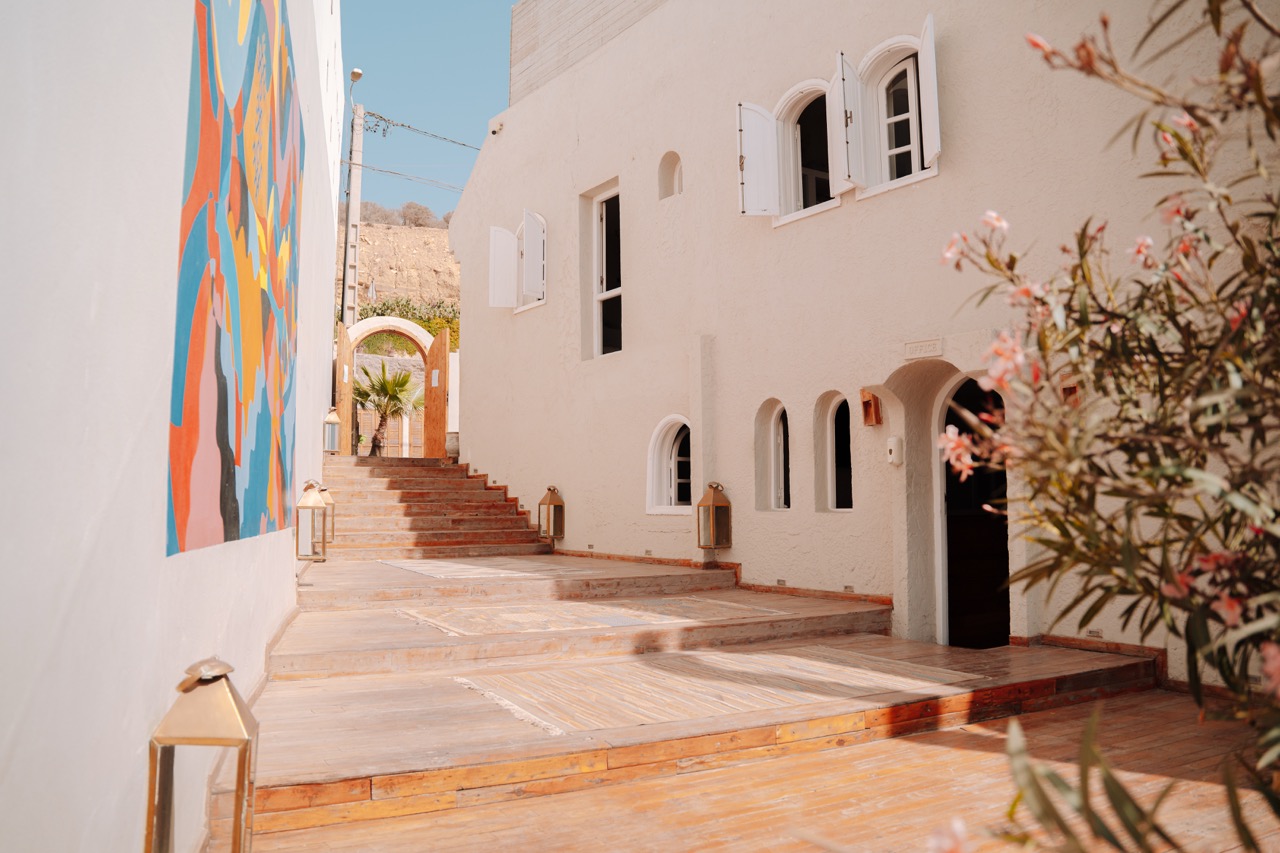
Entree at DFROST Almugar in Taghazout

The space opens up, and somewhere between the wood, the pool, the seating areas and the ocean, calm appears.

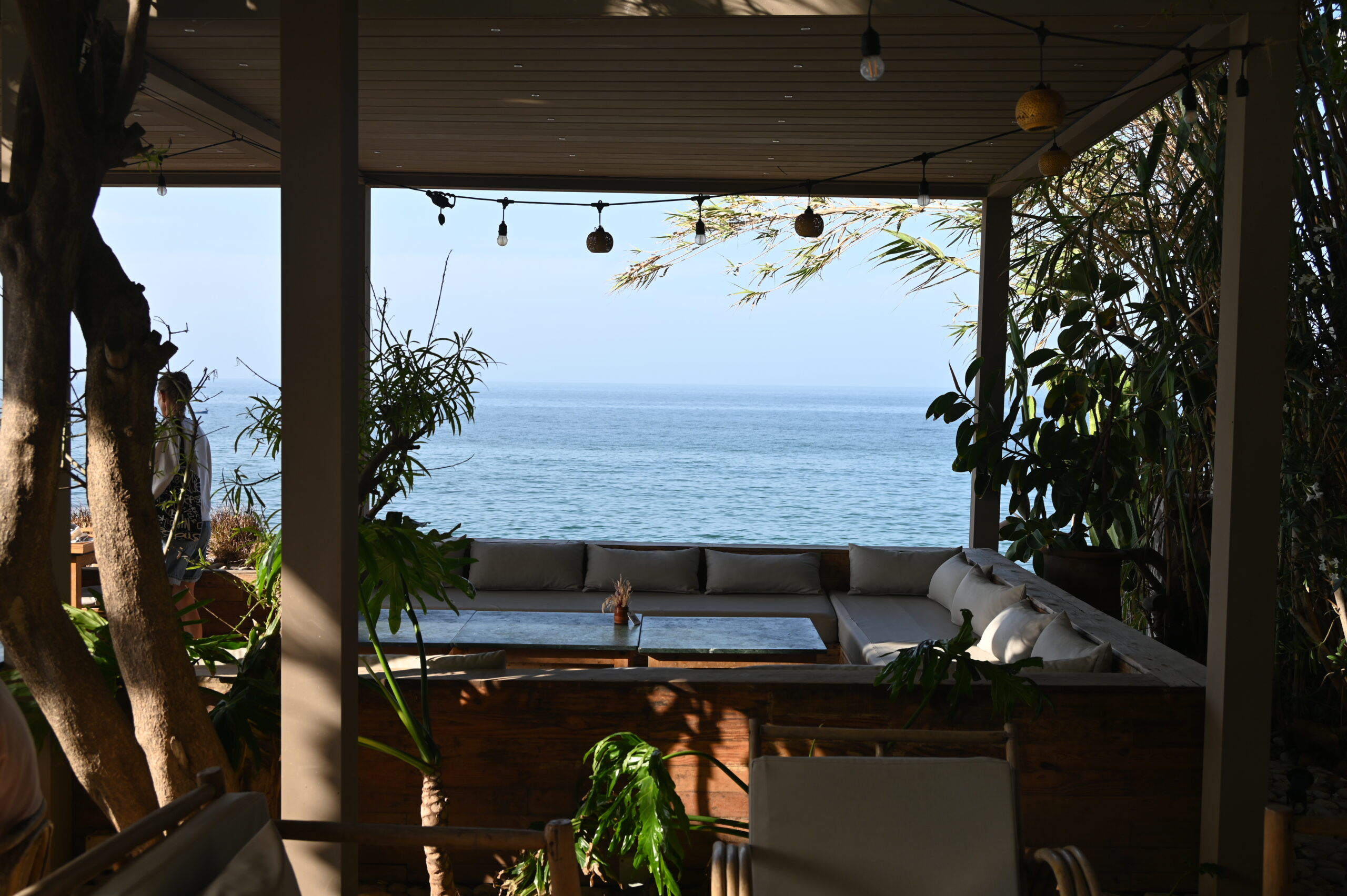
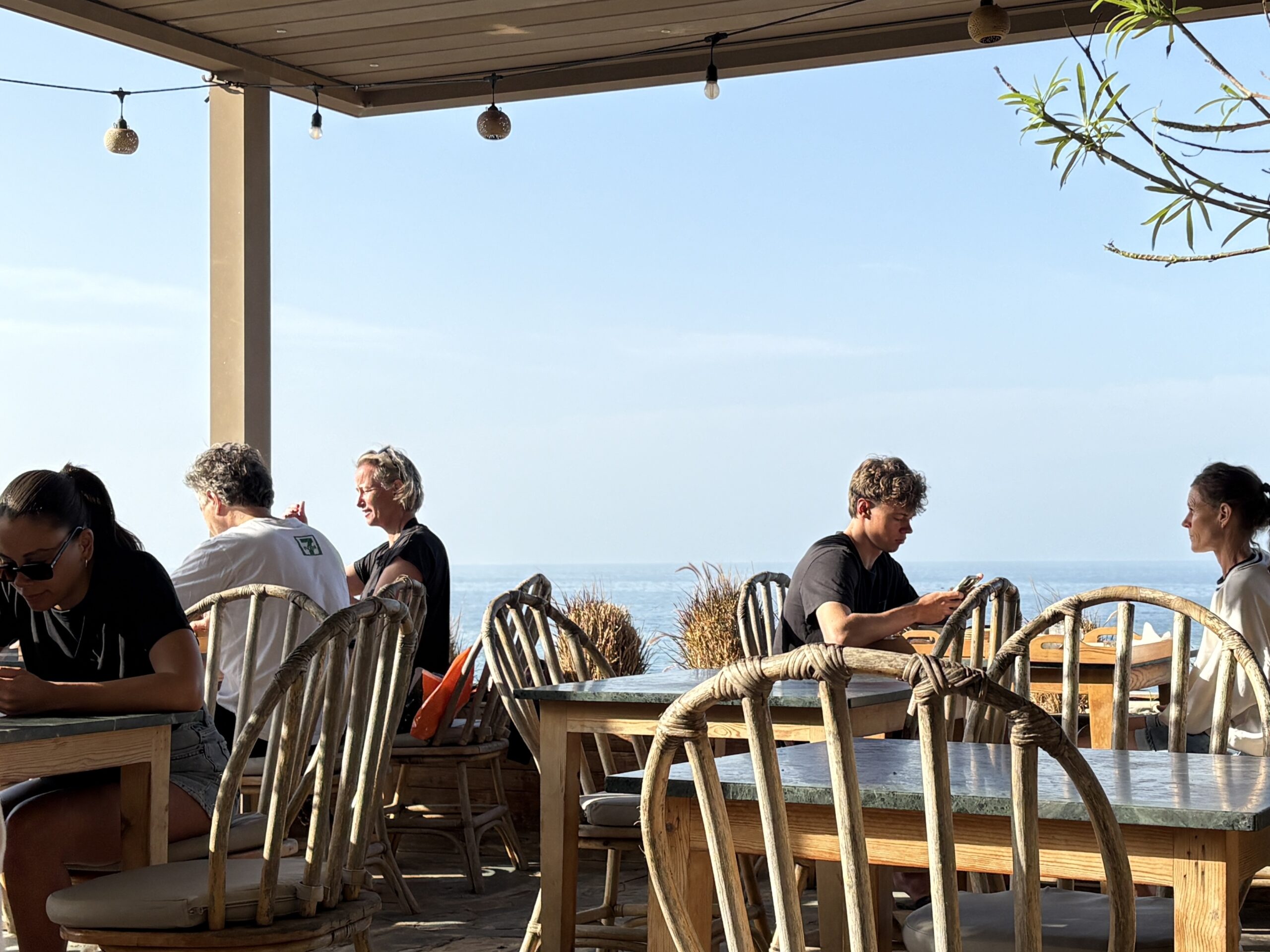
Seating area at DFROST Almugar Taghazout

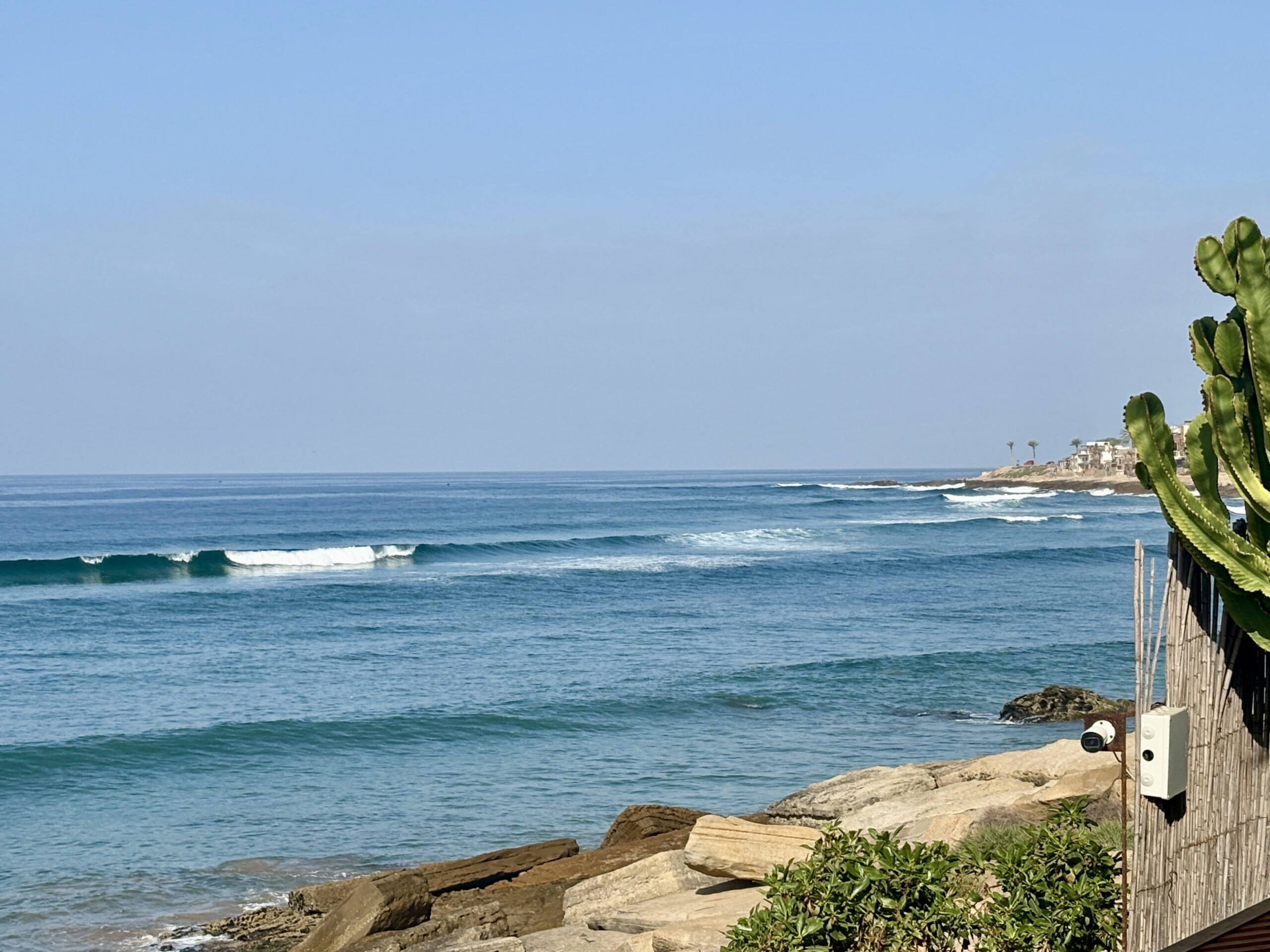
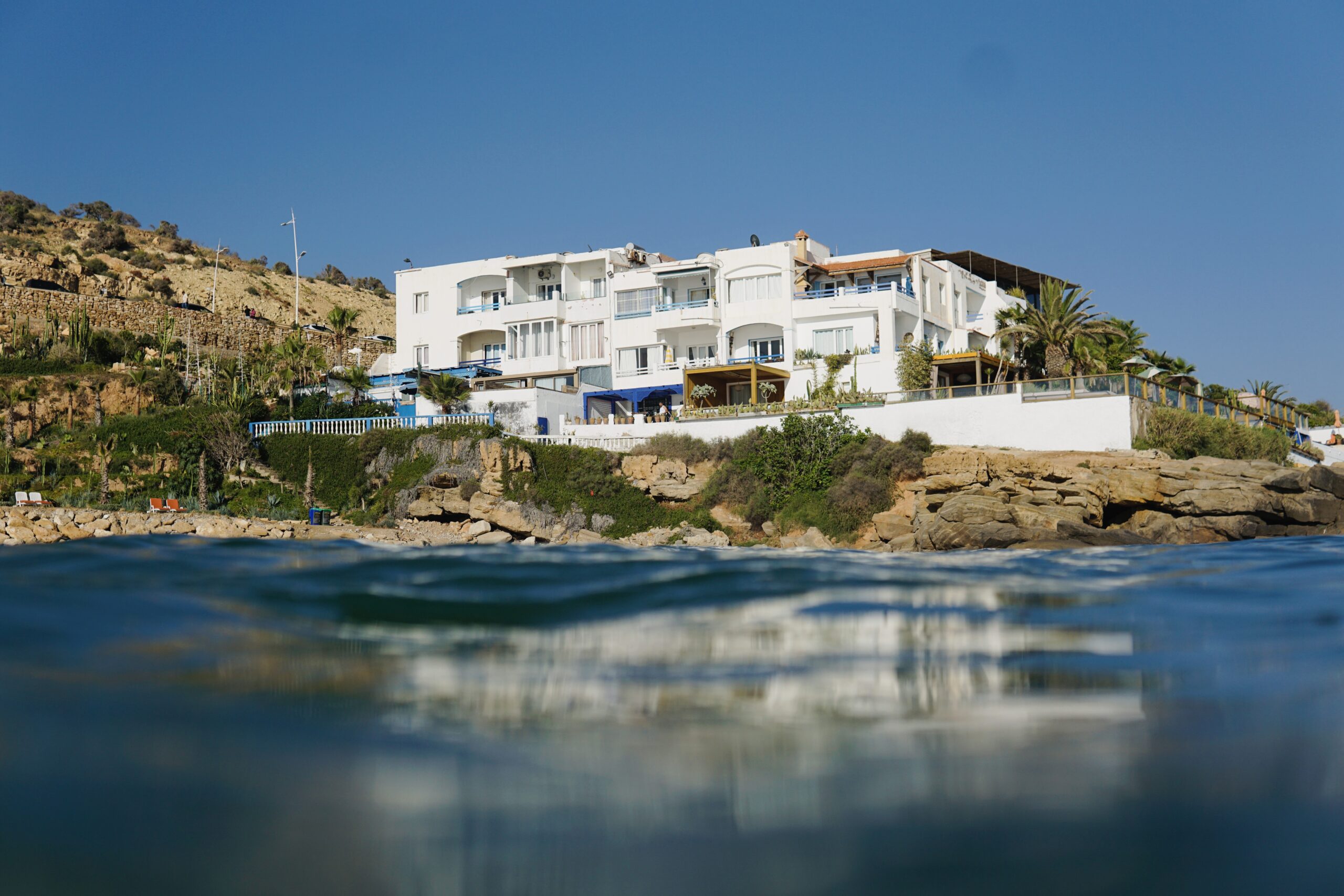
People sit scattered around. Someone is reading. Someone is looking out over the ocean. And in the distance, you can see Anchor Point breaking. Not perfect every day. Not always for your level. But always beautiful to watch.

View of Anchor Point from DFROST Almugar

That view pulls you out of your head and into the rhythm of the ocean, even before you have touched the water.

Comfort you might not expect from a surf camp in Taghazout

What stands out is that everything feels just a little more comfortable than you might expect. Many surf camps in Morocco are quite basic. Which is fine. But DFROST Almugar clearly sits above that level.

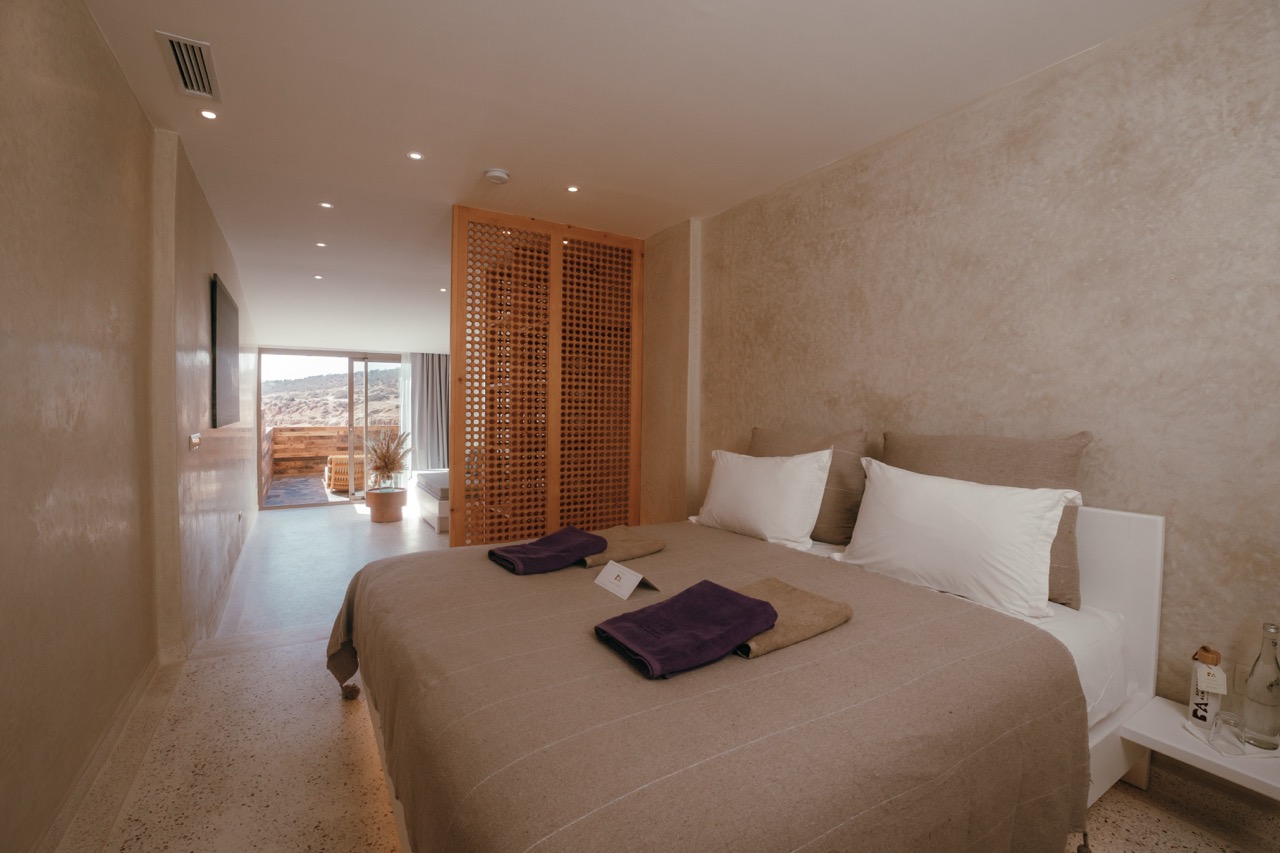
The rooms are very clean, spacious and well maintained. The beds are good, which you really appreciate after a full day in the water.

Room with view of Anchor Point from DFROST Almugar

That view pulls you out of your head and into the rhythm of the ocean, even before you have touched the water.

Comfort you might not expect from a surf camp in Taghazout

The rooms are cleaned every day, towels are ready, beach towels are provided, and fresh drinking water is waiting for you. Every day. In Morocco, that is perfect.

It is not a luxury hotel, and it does not try to be one. It is mainly a place where your body and mind can recover between surf sessions. The staff play a big role in that too. Big smiles, always helpful, always willing to assist with whatever you need.

Surfing in Taghazout without any hassle

What DFROST does really well is remove decisions. You do not have to search for the right surf spots in Taghazout yourself, worry about gear or constantly check the forecast. That is taken care of.

In the morning, you meet up, grab your gear and get into the bus. Off to a spot that works for the group and the conditions that day.

And that is also where the nuance comes in. It is well organised, relaxed and you surf a lot. But it is not always tuned to the absolute best wave of the day. Sometimes logistics matter. Sometimes accessibility matters.

For surfers who want to chase perfect conditions, that can be a limitation. For families or anyone who simply wants to relax, it is a relief.
Is DFROST suitable for families?

Yes. DFROST Almugar is definitely suitable for families who want to surf in Taghazout.

Kids have space, parents do not have to arrange much, and the daily rhythm stays flexible. For families looking for comfort without a resort feeling, this is one of the better options in Taghazout.

For families, it just makes sense

What stands out is how naturally things flow here. Kids move freely between the pool, the terrace and the rooms. You can jump into the waves from the small beach. In the evening, there is football in the village.

You surf when it is good. You rest when you need to. You eat when it is time. And in between, the day fills itself.

Terrace at DFROST Almugar

The mix of guests helps too. Families, couples, friends and solo travellers all blend together. You are part of the same environment, but never stuck in a group.

Packages: choice without making things complicated

DFROST has set up its packages in a smart way. You can choose from different options, from more surf and coaching focus to a combination with yoga and relaxation.

Surf & Stay

For those who mainly want to surf and like having gear, planning and transport arranged.

Surf & Coaching

More focus on guidance and technique. Good for beginners and intermediates who want to improve with more structure.

Surf & Yoga

For those who want to combine surfing with rest, mobility and a softer daily rhythm.

You choose the direction that suits you, but you are not completely locked in. If you want to change your day, skip a session or try a different spot, they usually think along with you.

How much does a surf camp in Taghazout cost?

A surf camp in Taghazout often costs between roughly €100 and €180 per person per night, depending on the room, package and season.

DFROST Almugar sits toward the higher end of the market. In return, you get accommodation, meals, surf guidance, equipment and transport. You mostly pay for ease, comfort and a well-organised total experience.

Accommodation: from dorm to family room to villa

There is more choice than you might expect. Alongside dorms, there are private rooms, family rooms and quieter boutique-style options. We stayed in a four-person room, which felt logical and comfortable as a family.

For solo travellers and friends

Dorms and shared rooms make DFROST more accessible and also create a social atmosphere.

For families and couples

Private rooms and family rooms offer a little more peace, without losing the surf camp vibe. They even have a villa.

That makes DFROST flexible. You decide how much comfort, calm and social interaction you want. And it never feels like you have ended up in a big resort.

Food and service: the difference is in the small things

Food is not an afterthought here. Meals are light, fresh and exactly what you need when you spend a lot of time in the water. Not heavy, but nourishing and varied. It works well for kids too, because there is always choice.

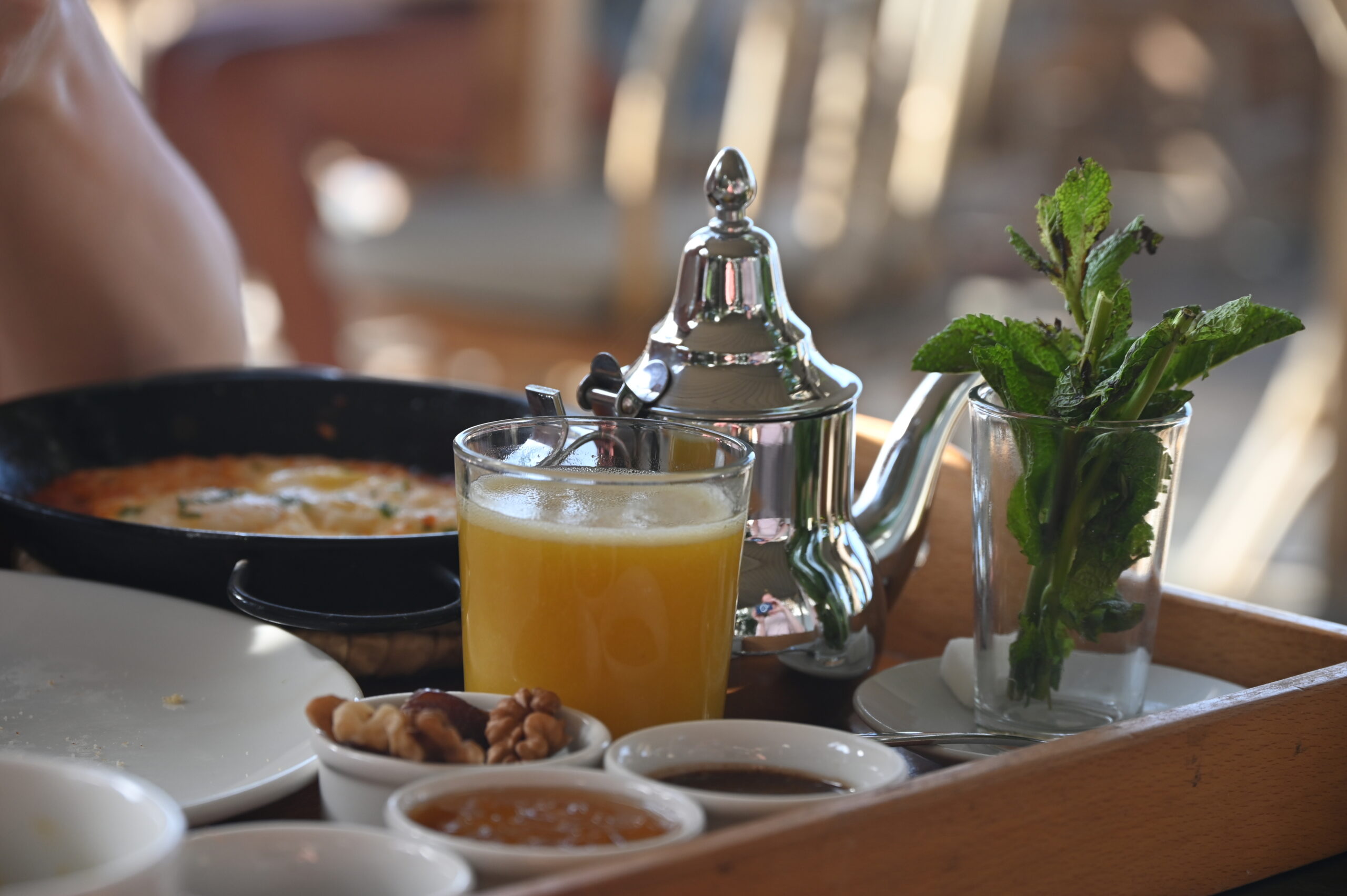
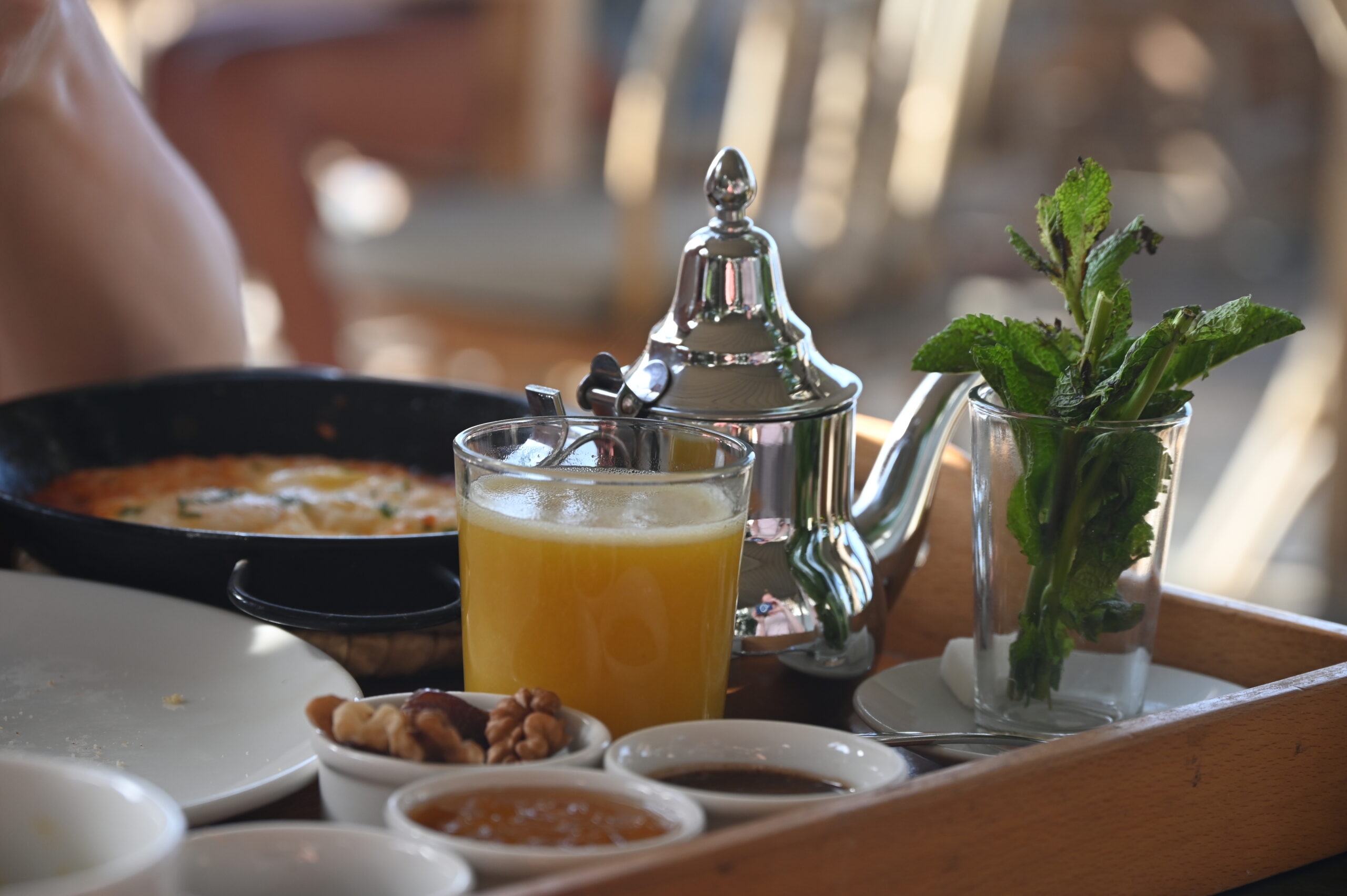
Breakfast at DFROST Almugar in Taghazout

Maybe even more important is how effortless it all feels. You sit down, eat, and move on. No hassle, no doubt, no worries about hygiene or quality.

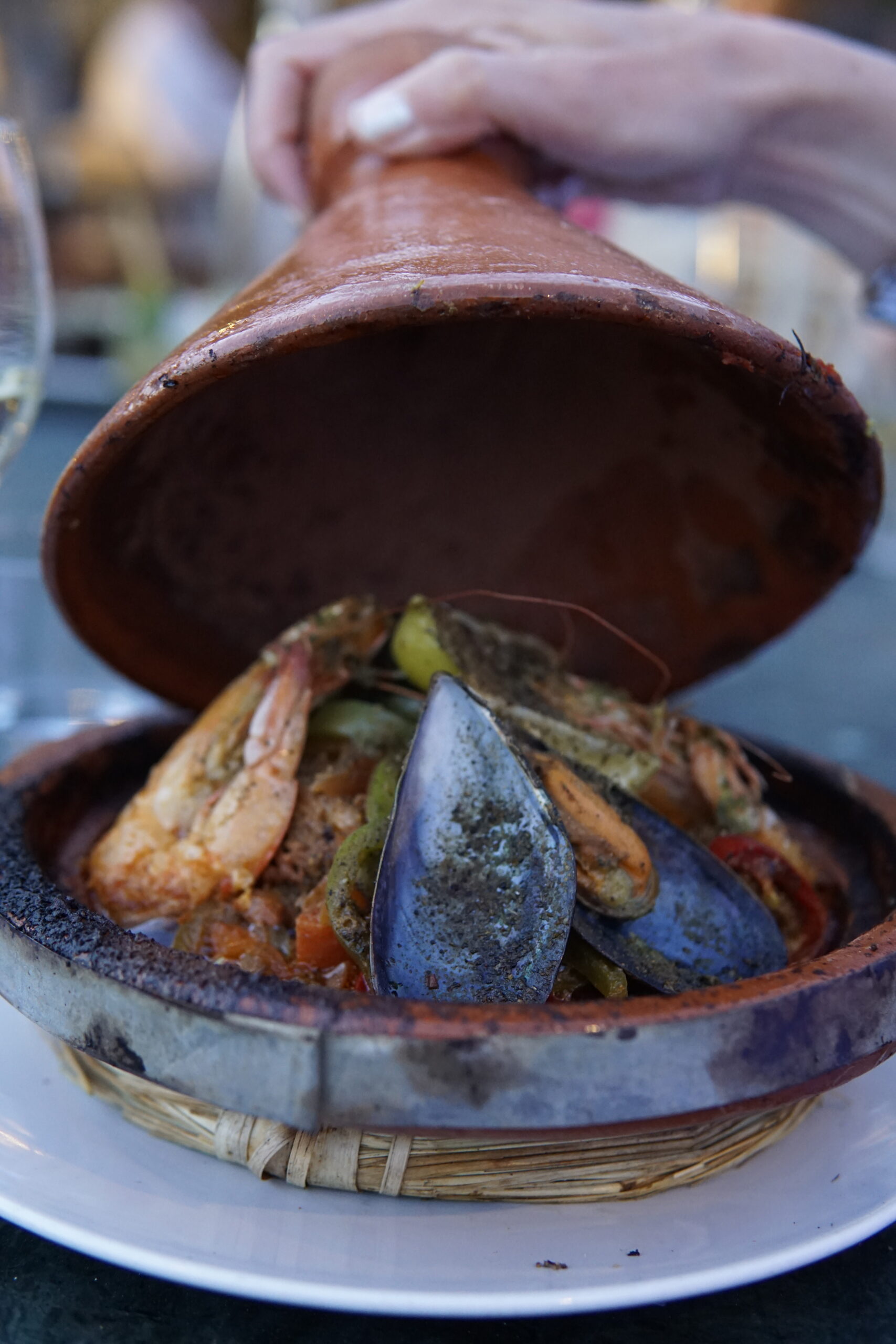
Tagine at DFROST Almugar in Taghazout

The service is in those small moments. Things are arranged before you even ask. And that helps you relax faster than expected.

Why this place works so well

DFROST has been around since 2008 and is one of the original surf and yoga places in the Taghazout region. You can feel that.
It is a place that has taken shape over the years, with a clear idea behind it: to create an environment where people can surf, relax and step away from their daily rhythm.

The name says it all. DFROST stands for escaping the cold. With hundreds of sunny days per year, that is not a promise. It is reality.

What level of surfer is DFROST Almugar suitable for?

DFROST Almugar is suitable for beginners, families and intermediate surfers.

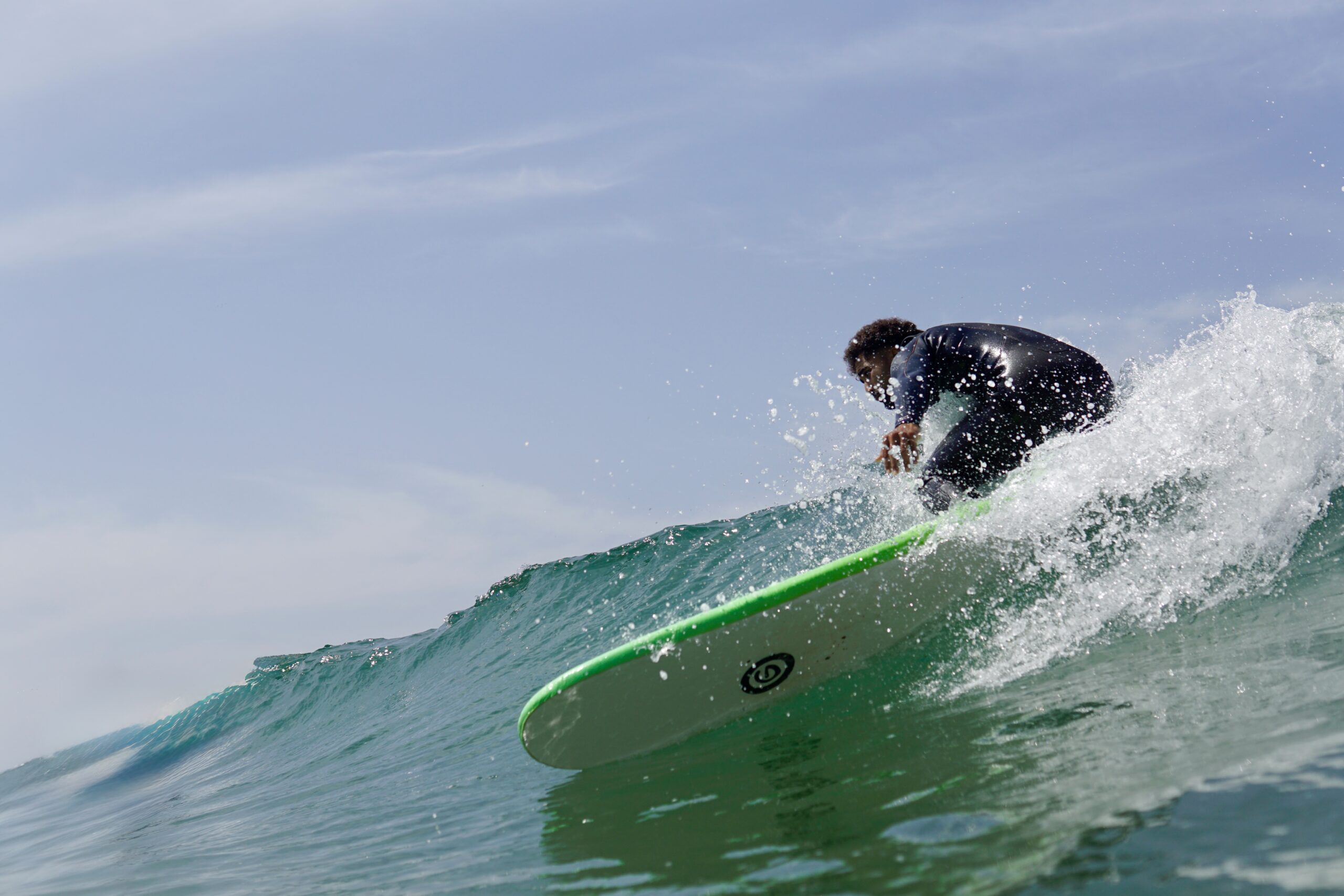
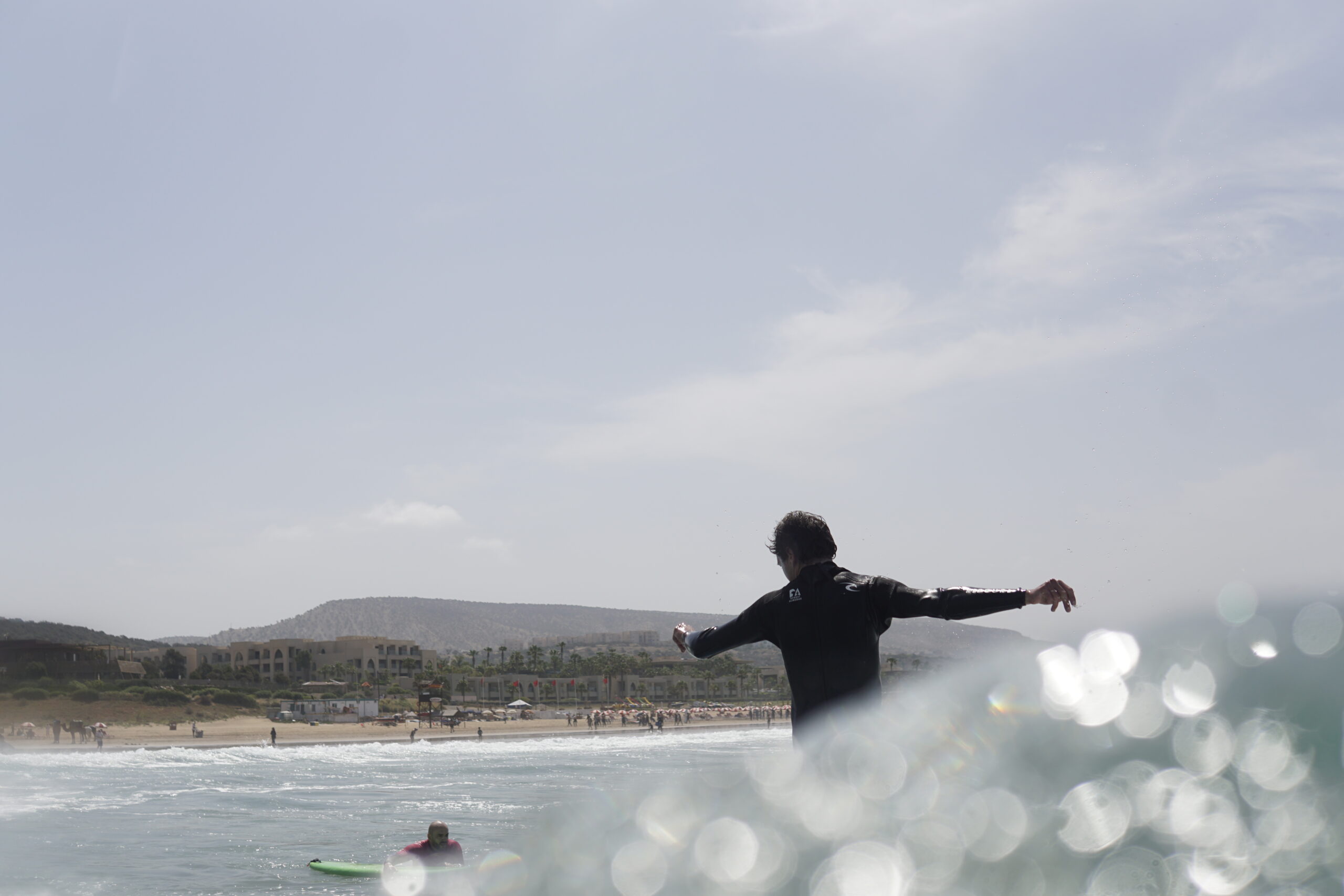
DFROST surf instructor during a surf lesson in Taghazout

Beginners benefit from guidance and accessible spots. Intermediates can surf a lot and improve in a relaxed setting.

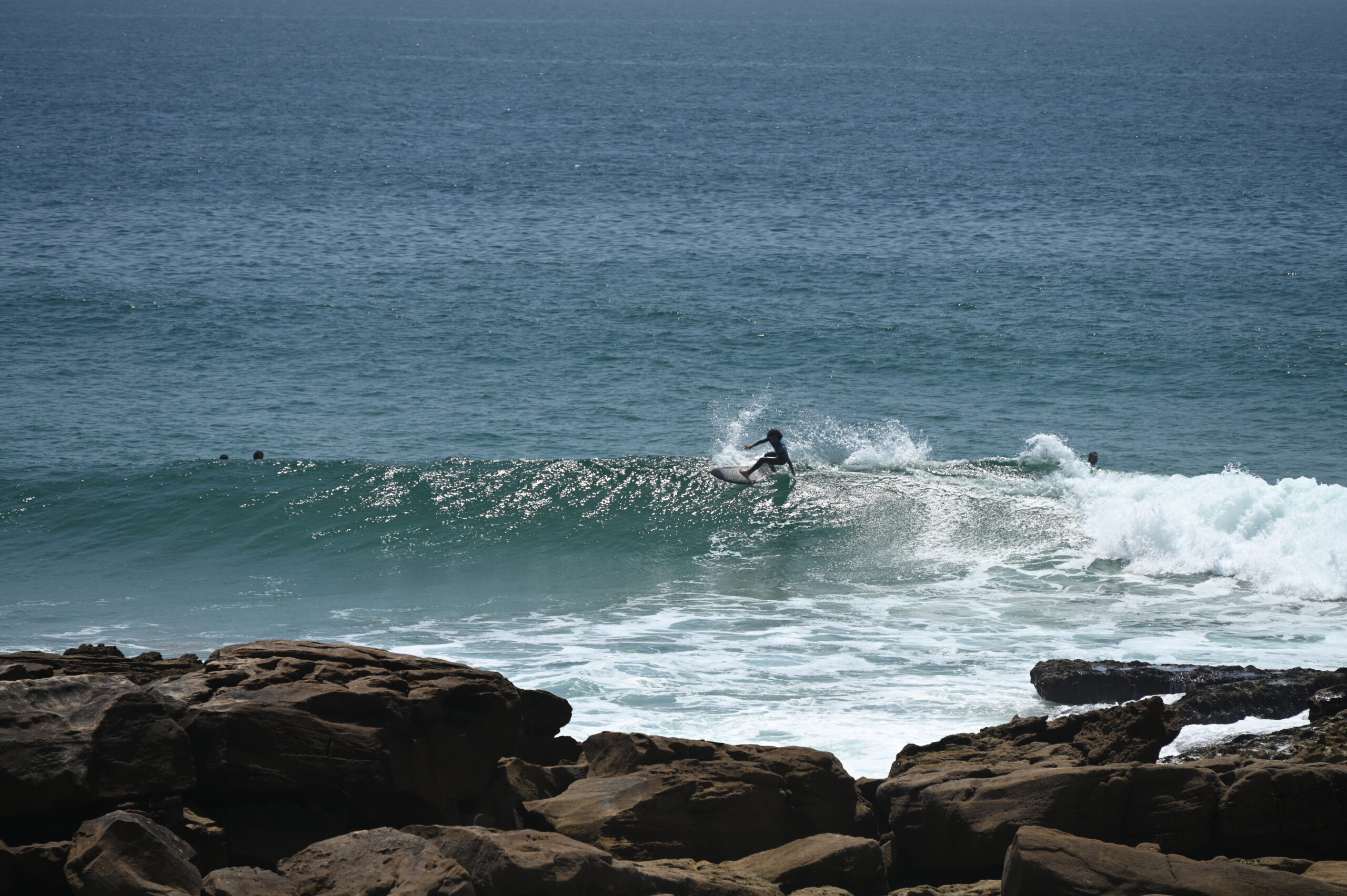
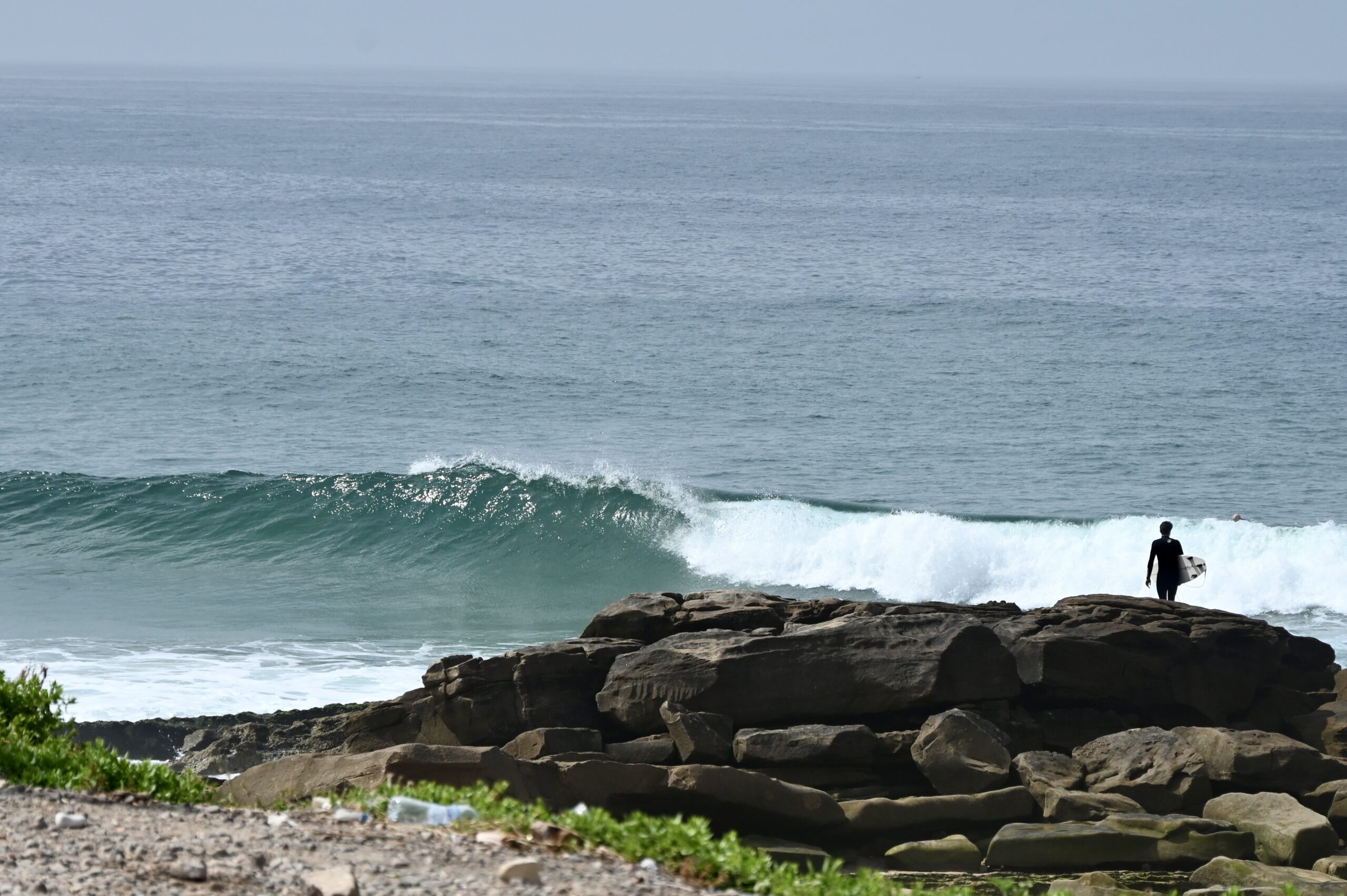
Surfer at Anchor Point near Taghazout

For advanced surfers, DFROST is mainly interesting if comfort, atmosphere and ease matter more than maximum coaching or the most critical spot choice.

What could be better?

If you look at it critically, there are always things that could be better. The quality of the surf guiding can vary depending on the guide. That also depends on expectations: is someone guiding you, or actually instructing you? One guide gives more feedback than another.

For surfers really looking for progression and performance, it can sometimes feel a little too relaxed. But in that case, the advanced programme is probably the better fit.

That does not make it a perfect surf destination. But it does make it a place that works better than perfect for many people.
Price: you pay for how it feels

In terms of price, DFROST sits in the higher segment in Taghazout.

Surfing, equipment, transport, food and accommodation are all included. What you pay for is not just those separate parts, but mainly how easy everything feels. And how relaxed that makes you.

You have to arrange less, plan less and think less. That has value.

Final verdict

Strong points

  • Location with views of Taghazout and Anchor Point
  • Comfort well above average surf camp level
  • Suitable for families
  • Good choice of packages and rooms
  • Relaxed atmosphere without group pressure
  • The staff is super friendly and helpful

Less strong

  • Not always maximising conditions for critical intermediate surfers

Who is this the right choice for?

DFROST is a good fit for families, couples, friends who want to surf without hassle, surfers looking for comfort without ending up in a resort, and anyone who wants freedom within a structure that works.

It is a place for people who want to relax and improve their surfing, without pressure.

And who is it less suitable for?

For surfers who want to optimise every session, advanced surfers looking for intensive coaching, or people who want to control every detail themselves, this is probably not the right place.

Conclusion: everything in balance at Dfrost

What you find at DFROST Almugar is a place where everything is in balance. Surfing, rest, comfort and freedom blend naturally. The days do not feel planned. They unfold. You do not have to arrange much or decide much, and that brings you closer to what it is really about.

Being in the water when it is good. Sitting on the terrace when it is beautiful. And simply being in between.
That is what makes it strong. And relaxing.

Would we go back?

Yes. Absolutely.

Because everything feels easy here. Because you relax faster than expected. Because the days naturally find a rhythm that you move with.

But most of all because it is a place where you not only surf well, but also really disconnect from everything outside.

And that feeling stays with you, even after you return home.

FAQ about DFROST Almugar and surfing in Taghazout

Is DFROST Almugar suitable for beginners?

Yes, DFROST Almugar is suitable for beginners. With guidance, equipment and accessible surf spots around Taghazout, it is a good place to start surfing.

Is DFROST Almugar suitable for families?

Yes, especially for families looking for freedom, comfort and a relaxed atmosphere. There is no animation programme or forced schedule, so you can keep your own family rhythm.

How much does DFROST Almugar cost?

Roughly count on around €150 per person per night, although cheaper and more expensive options are possible depending on package, room and season. This includes accommodation, meals, surf guidance, equipment and transport.

Is Taghazout suitable for kids who want to surf?

Yes, Taghazout is suitable for kids, as long as the right spot and conditions are chosen. Mellow beach breaks like Aghroud are better suited than powerful point breaks like Anchor Point.

Is DFROST Almugar better than a regular hotel in Taghazout?

If you come to surf, DFROST is often more practical than a regular hotel. Equipment, transport, spot choice and meals are arranged, so you have less to organise yourself.

Want to get more out of your Morocco surf trip?

Explore which surf spots around Taghazout work best by level, season and swell direction.

Surfing in Morocco →

Surfing in Taghazout with the family at Dfrost; A Morocco surf trip guide

Family surf trip Morocco

Surfing in Taghazout with the family

A week of surfing in Taghazout with the family during the May holidays means west to northwest swell, warm spring weather, mellow beach breaks for kids, serious point breaks for experienced surfers, and a village rhythm that pulls you in almost immediately.

0.5–1.5mTypical spring swell
18–19°CWater in May
3/2mmRecommended wetsuit
±1 hourDrive from Agadir

Quick answer: Taghazout is one of the best family surf destinations in Morocco because it combines beginner-friendly beaches such as Aghroud, intermediate waves like Mysteries, world-class point breaks like Anchor Point, short travel times from Agadir, good surf schools, and a relaxed village atmosphere.

Sounds quite good already, right?

Beginners and kids find space in the waves at Aghroud Beach, intermediates score waves at Mysteries, and more advanced surfers check Anchor Point around low to mid tide.

From Agadir Al Massira, it is just about a one-hour drive to the village.

A set rolls in as Moroccan mint tea is poured from low to high.

We spend a week in Morocco as a family. Our trip starts in the beautiful surf village of Taghazout. Whether you are just starting out, intermediate, or advanced, Taghazout is a surf paradise for every level.

And at Dfrost surf hotel, you are in a very good place. Check also our Dfrost Review.

From the terrace at Dfrost, you can watch waves wrapping around Anchor Point. Calm. Powerful.

Do you keep watching? Or do you grab your wetsuit and head straight into the water?

That is exactly the kind of dilemma you face here every day. What a luxury.

Taghazout is already our favorite village.

Planning a surf trip to Morocco?

Start with our full Morocco surf guide, including regions, seasons and practical travel tips.

Morocco surf guide →

So much choice around Taghazout

Surfing in Taghazout feels like a guarantee. You have long point breaks. Fun beach breaks. Sun. Warmth. Perfect lines. Good food. Beautiful scenery.

All true. But as a surfer, it helps to know this:

The waves around Taghazout work best with a west to northwest swell of 1 to 2 meters, with a period of 10 to 15 seconds. Combine that with offshore winds, or simply calm mornings, and a tide between low and mid, and you are set. If you stay at Dfrost, the instructors keep track of all this.

What does that mean in practice? You have to choose. Sometimes wait. Or drive along the different surf spots.

And that is part of the charm of a surf trip.

Arriving in a different rhythm

We fly for four hours from Amsterdam. Long enough to feel like you are really traveling. And to land in a completely different culture.

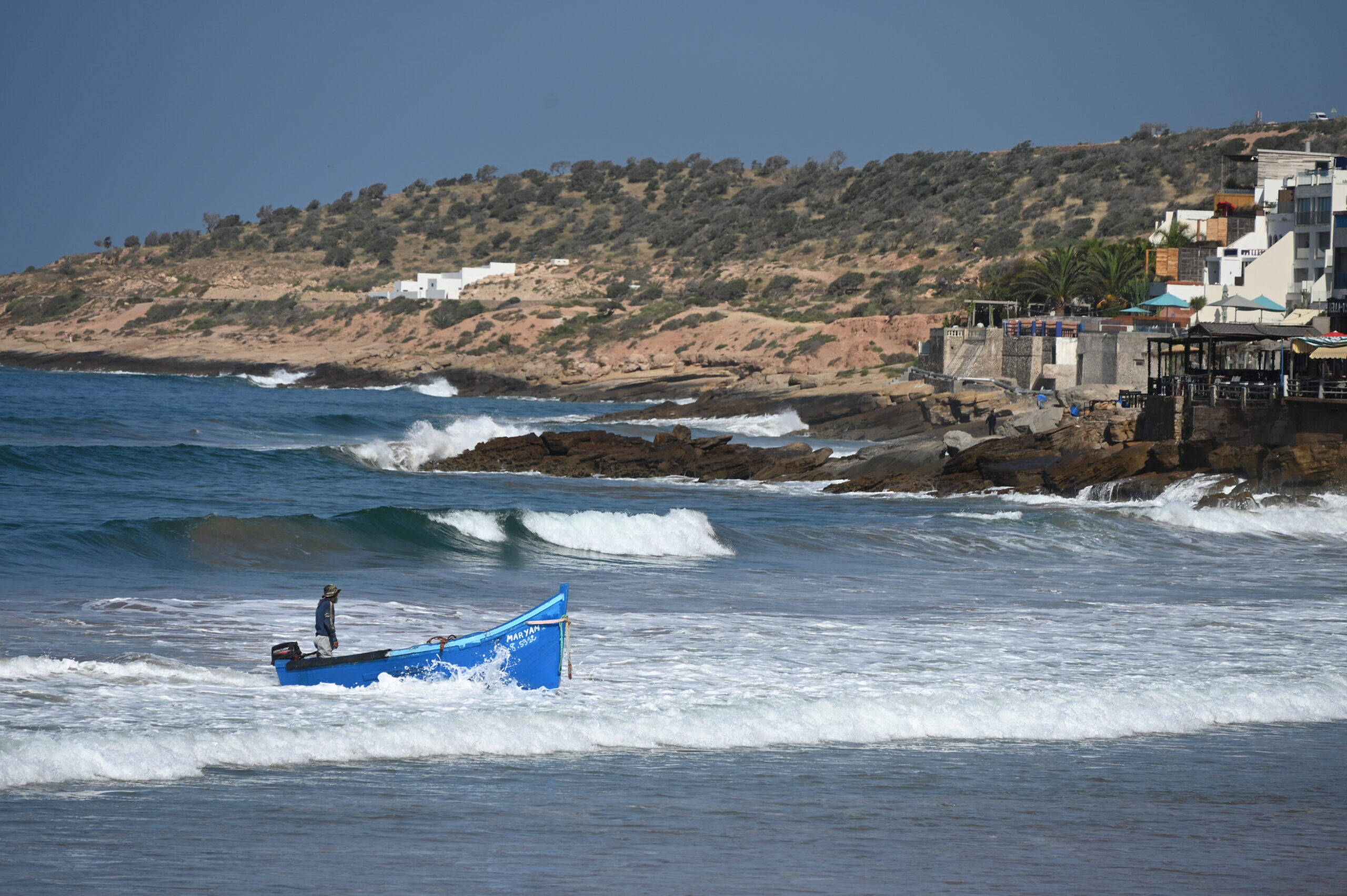
We pick up our rental car. The car itself? A brand no one has ever heard of. But it drives. And that is all you need. The roads are good and we are on our way to Taghazout, known for its blue fishing boats.

Blue fishing boat in Taghazout, Morocco

We follow the coastline for about an hour. The ocean gets closer. We see the first waves from the road. Enough to switch your mind straight into surf mode.

And then we arrive at Dfrost.

Located on the northern side of the village. A small staircase down from the road. A colorful mural on the right. Reception on the left. People smiling at you like you have been here before.

We walk through to the terrace.

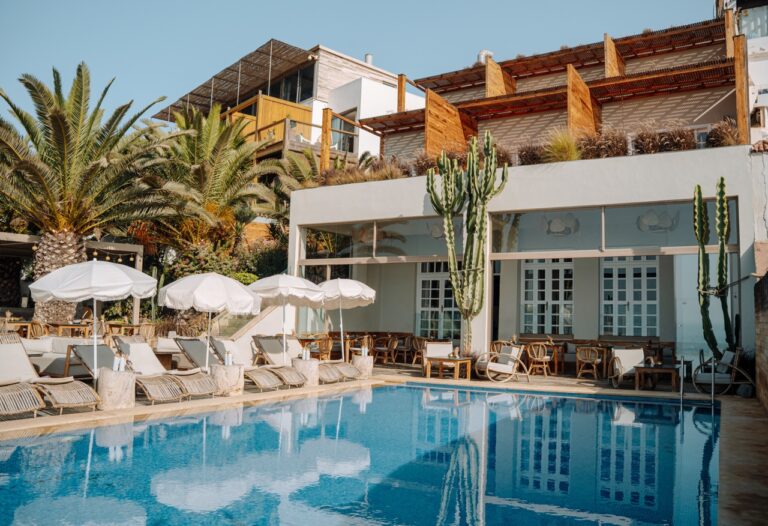
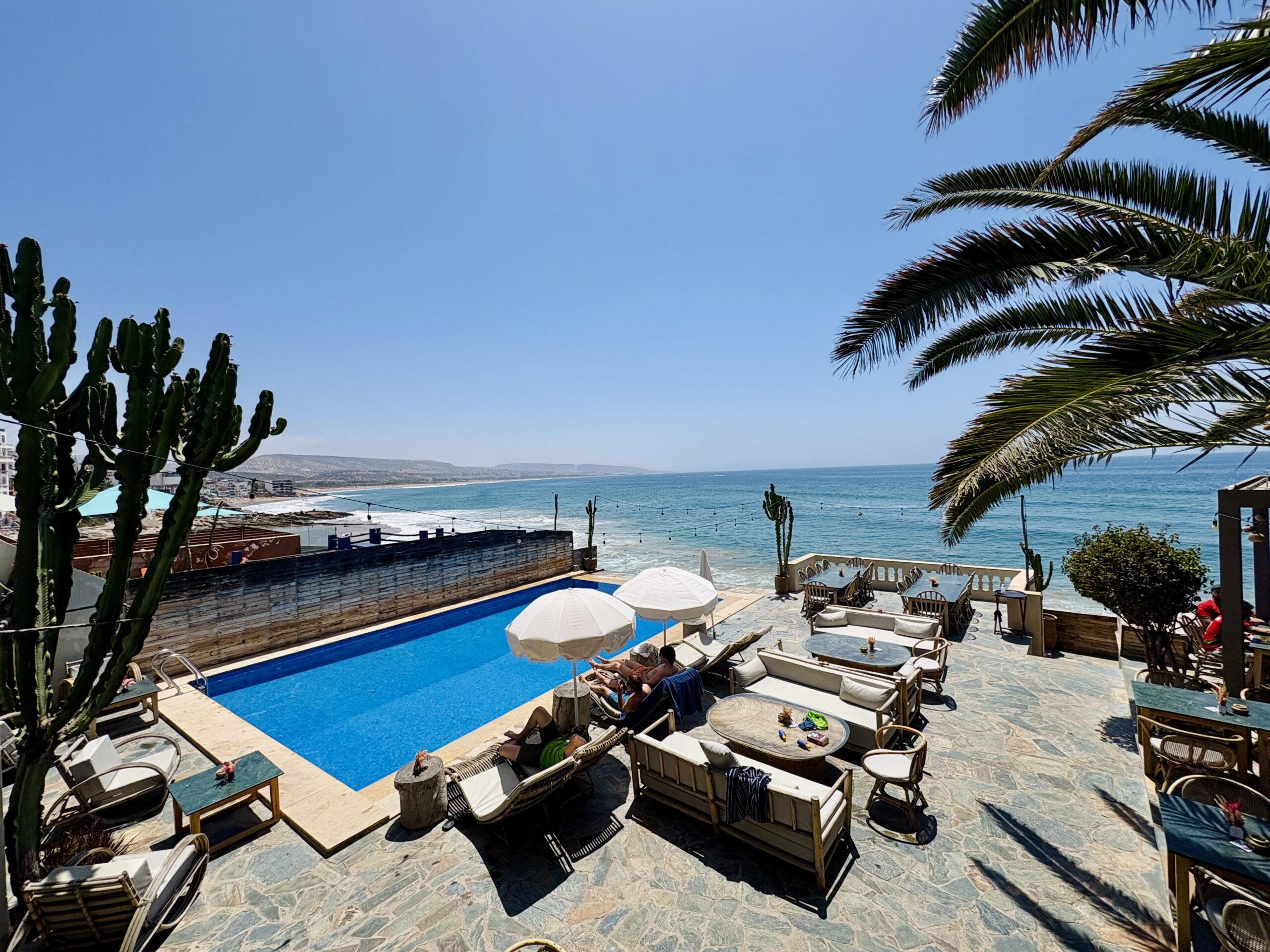
Dfrost swimming pool overlooking Taghazout

The ocean in front of you. The pool on the left. And that first mango smoothie.

Full. Sweet. Different.

Without even realizing it, we are sitting there, completely relaxed, overlooking the ocean and Taghazout with its iconic blue boats, listening to the waves.

The rhythm of Dfrost

What makes it so relaxed here? Maybe the fact that you do not have to figure anything out. With the surf and yoga package, everything is taken care of. Breakfast overlooking Anchor Point and Taghazout.

Lunch packs for the beach. A three-course dinner in the evening. And in between: yoga and surf sessions.

But it is not just what is arranged. It is how. The food is fresh. Light. Healthy. Not heavy, just exactly what you need when you are in the water twice a day.

Breakfast at Dfrost surf hotel in Taghazout

Morning starts around 09:45. Grab your wetsuit. Choose your board. Bodyboards too, which turned out to be perfect for our youngest. Then into the Dfrost bus.

And off you go.

On the beach, Dfrost sets up umbrellas. Simple, but essential. The sun and the sand get hot in late April. Especially with kids, it makes a big difference.

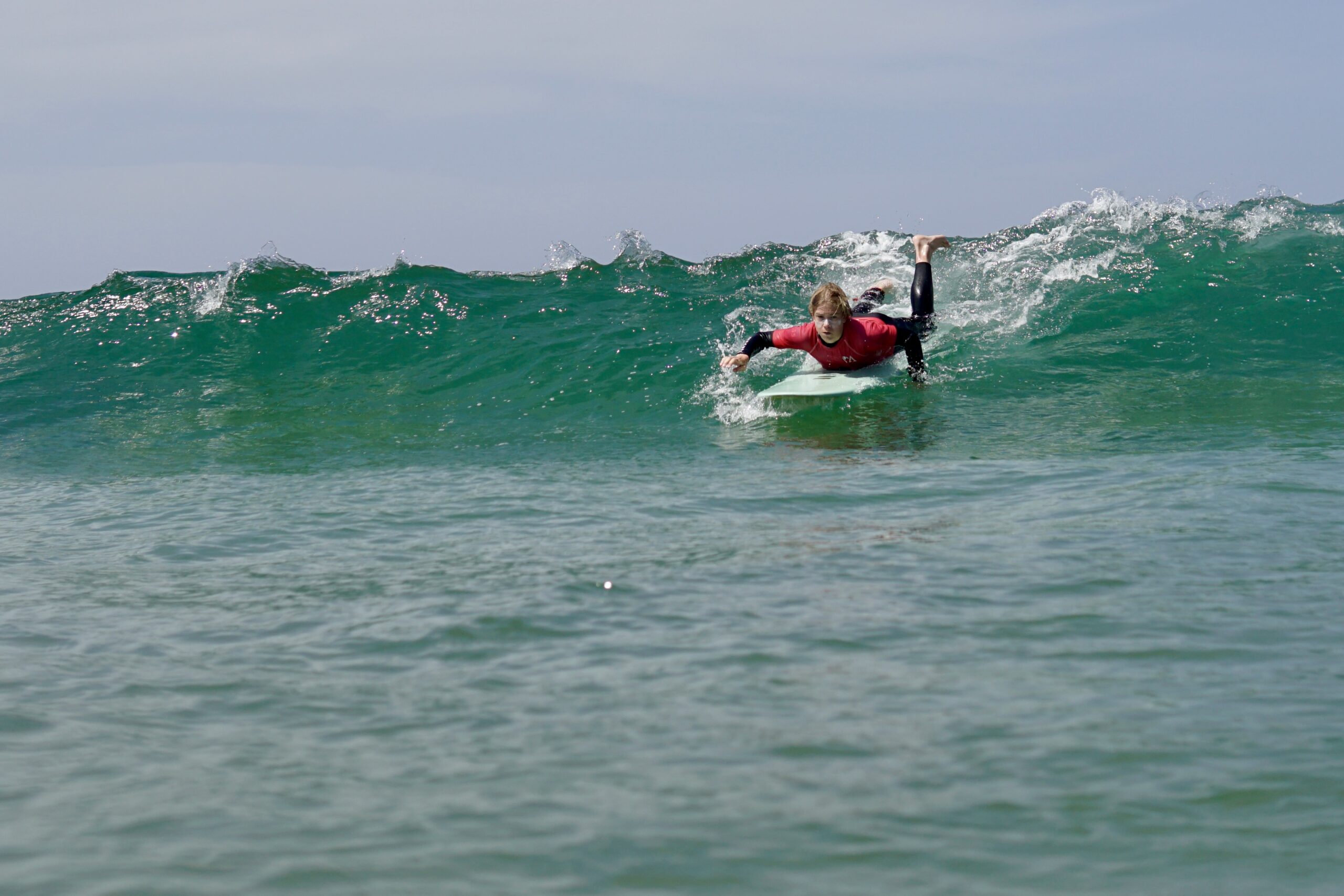
Family surf lesson with Dfrost in Taghazout
Surfer during a Taghazout surf session

You surf. Eat. Surf again. Or not. That is fine too.

And at the end of the day, maybe one more quick session near the apartment, or just a dive in the waves and one in the pool after that.

Apartment at Dfrost in Taghazout

In the evening, everyone gathers around a long table. Three courses. Plenty of choice. Conversations flow naturally.

And after? Maybe head into the village. Or just stay on the terrace. The kids play football with locals.

Then sleep in clean, comfortable rooms. And the beds? Really good.

Surfing as a group, without obligation

A surf trip with a group. Is that something for us? That was a question for us beforehand.

You might think: are you stuck together? Do you have to join everything? But it does not work like that at all. The group is a mix of families, couples, friends, and solo travelers. And still, it never feels forced. Join when you want. Skip when you want. Do your own thing within the whole.

Different spot? Easy. Want to surf alone? No problem.

That freedom is exactly what makes it so relaxed.

The day the swell arrives

On day two, the ocean changes.

Anchor Point surfer in Taghazout

From small and fairly flat, the swell starts to build. From 0.7 meters to around 1.5 meters, with a period of 14 to 15 seconds.

You notice immediately. The ocean gets structure. Sets become visible. Lines start connecting. From the terrace, Anchor Point suddenly really comes to life.

Anchor Point coming to life in Taghazout

Clean. Long. Calm. Serious.

And again, the question:

Do we stay and watch? Or do we go?

Surfer hitting the lip at Anchor Point

Sometimes, the answer is obvious.

Choosing spots: mellow or more power

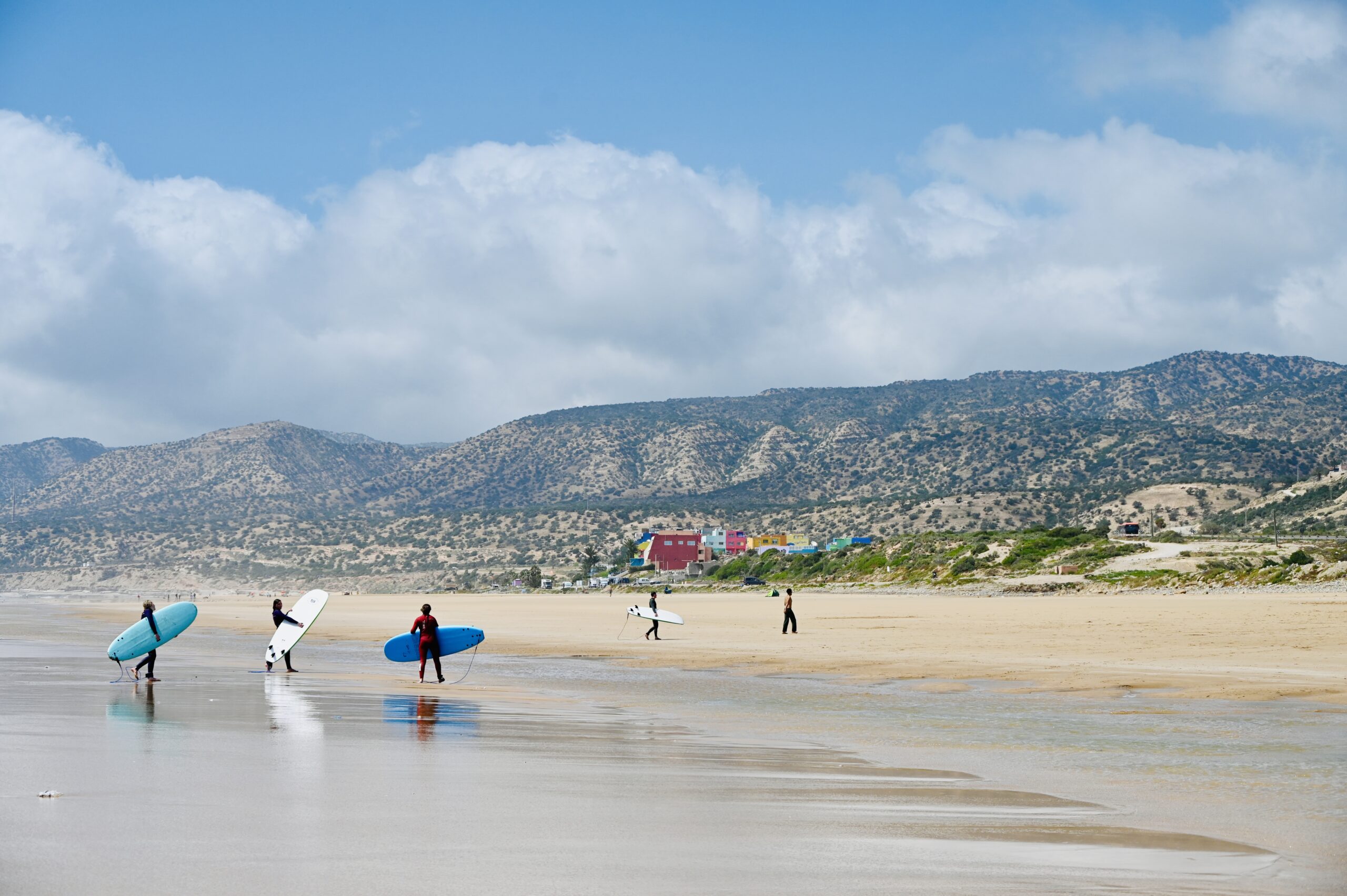
With the group, we head to Aghroud Beach.

Aghroud Beach near Taghazout

A wide, open bay with smaller waves. Perfect for beginners, intermediates, and our kids.

Two hours of surfing. Lunch. Another session. Everything is optional.

But what if you want more? You jump back in the car. Head to Mysteries.

Here, the swell comes in better. A clean right-hander near the La Source apartments. Waves of 1 to 2 meters, with a 13 to 14 second period.

Yes, it is busy. But not chaotic.

You adjust your line. Wait a bit. Navigate through. And when you get one, it is a proper ride. What stands out here is the coaching. The instructors really watch you. Your positioning. Your paddling. They give small tips. Sometimes a push. And suddenly, you are catching way more waves than you expected.

Catching a wave near Taghazout Morocco

At Mysteries, Dfrost even has its own setup on the beach. Umbrellas, boards, wetsuits, all ready.

You just need to get in the water.

Which Taghazout surf spot fits your level?

Beginners and kids

Aghroud Beach works well around 0.5 to 1 meter. It is wide, open, mellow and easier to read than the point breaks.

Intermediates

Mysteries and Banco are good options when the swell is clean. You need to be comfortable paddling through whitewater and sharing a lineup.

Advanced surfers

Anchor Point and Killer Point are the serious options when the swell has enough west or northwest direction, size and period.

Want to compare the surf spots?

Explore the full Surf Escape guide to the best surf spots in Morocco, including Taghazout, Anchor Point, Mysteries and more.

View Morocco surf spots →

Spots around Taghazout

The spots are close together. Almost all within 30 minutes.

Anchor Point and Killer Point sit just north of the village. Mysteries is right next to them. Banco is to the south. Aghroud is about 25 km north via the N1.

Having your own car makes the difference

Do you always stay with the group? Not necessarily. And that is exactly why we like having a rental car.

Panoramas is not working that day. Close-outs. Less structure. So what do you do? You drive. Back to Mysteries. Another session. With the family. No plan.

And that moment, that unplanned one, sticks.

Sunset from the skatepark

Another highlight: the skatepark.

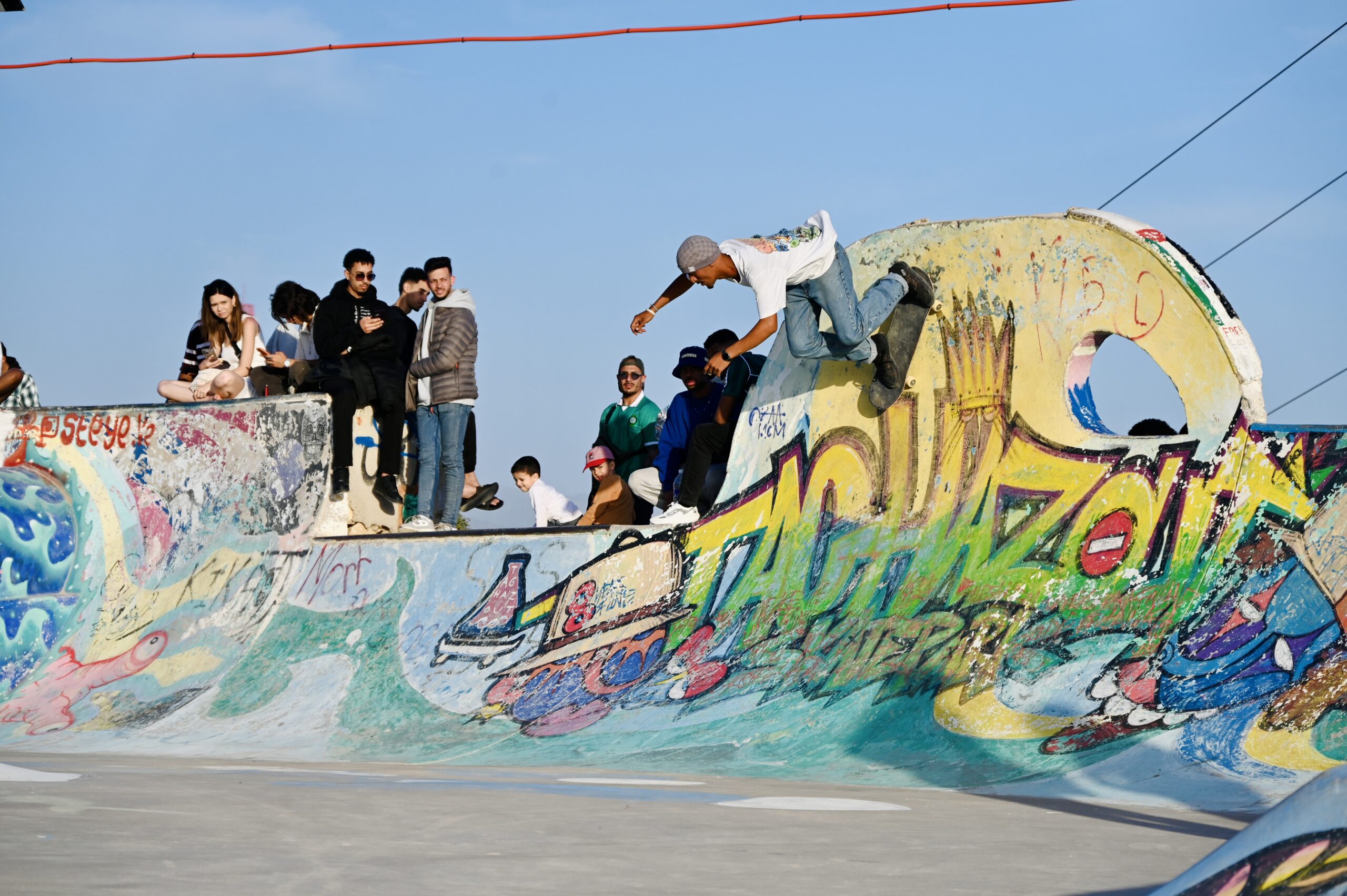
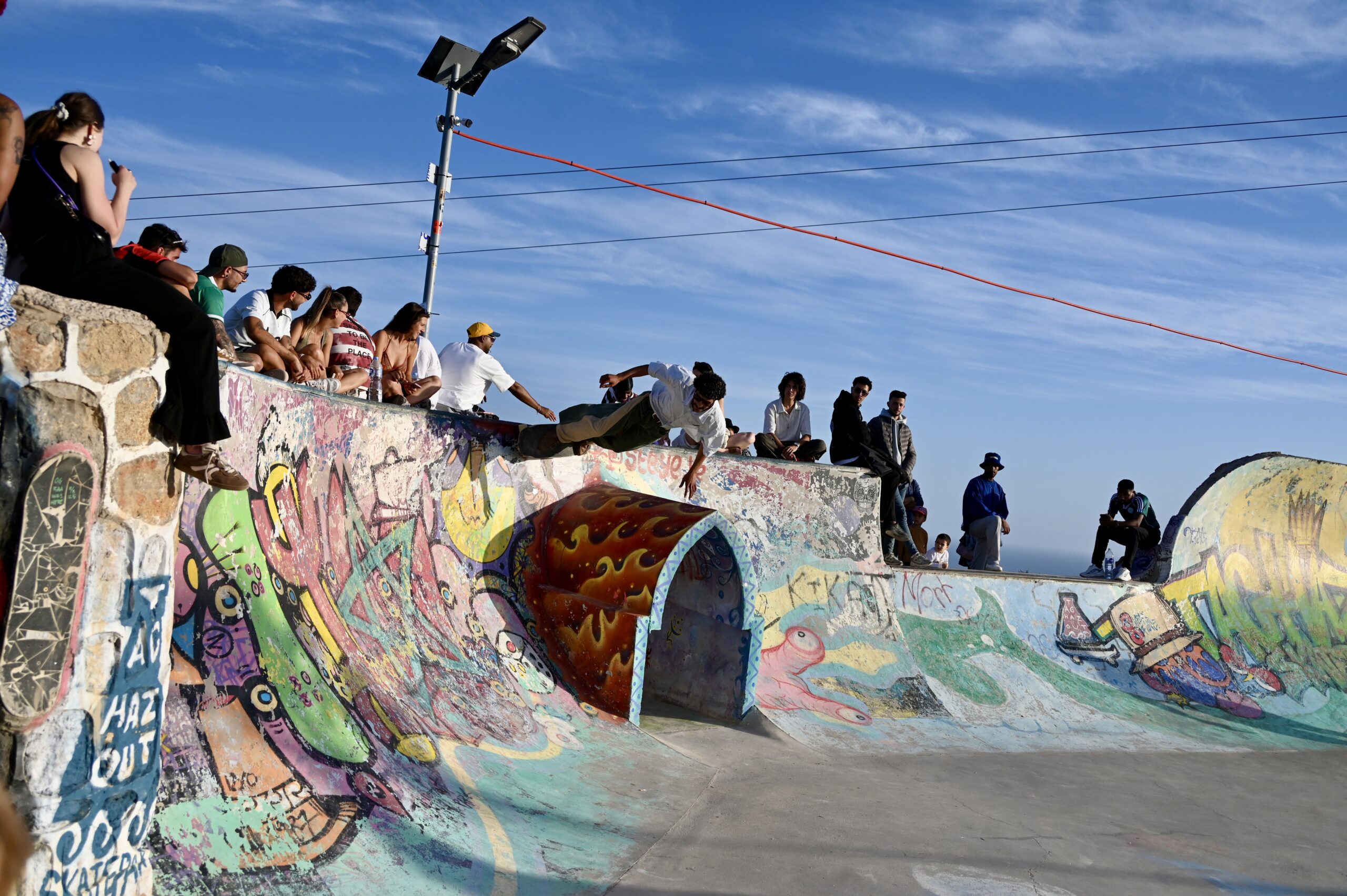
Skater in Taghazout skatepark
Taghazout skatepark above the village

Just above Dfrost on a hill, you will find the Taghazout skatepark.

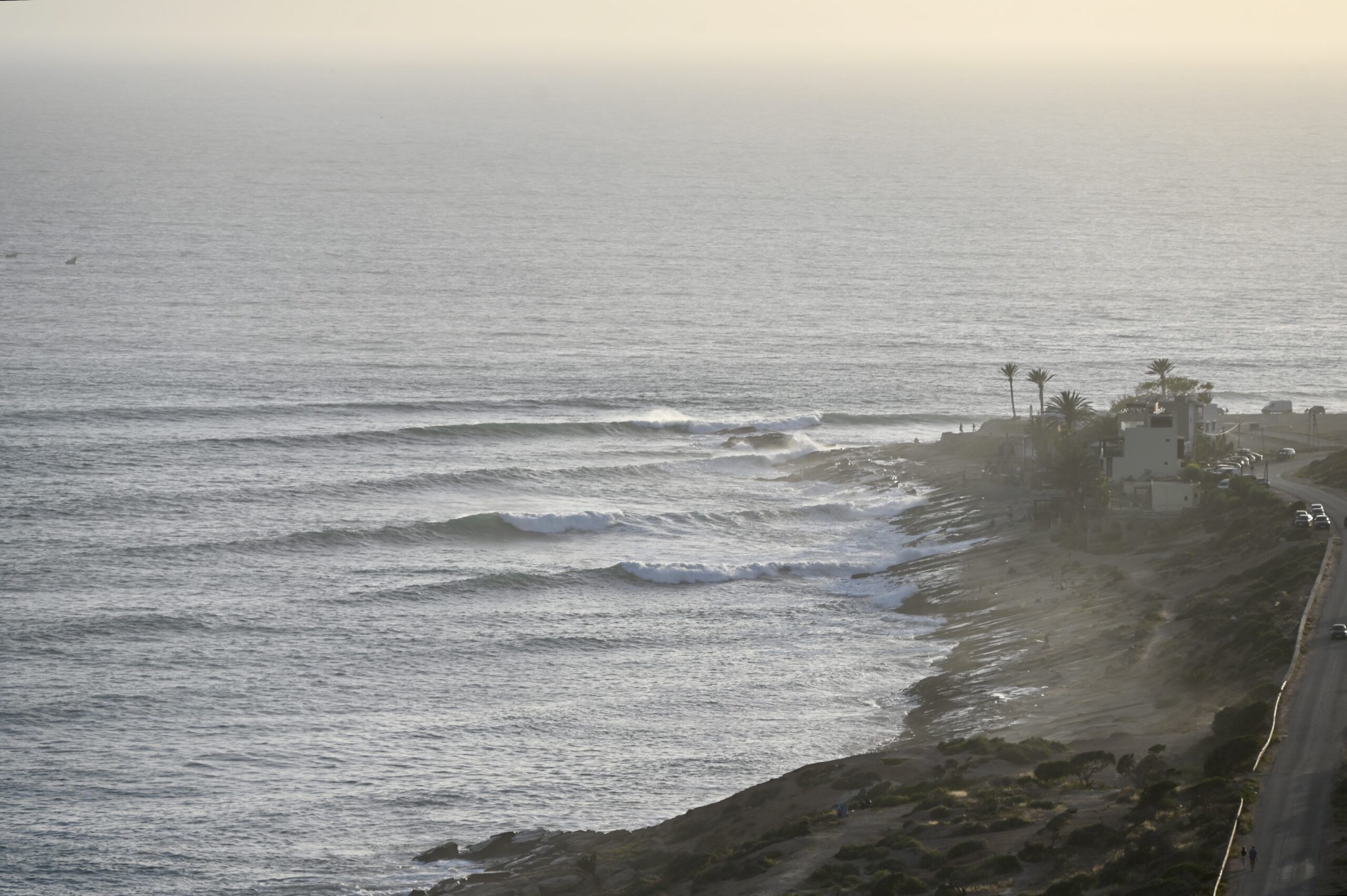
At the end of the day, people walk up. From the top, the view is incredible.

View from Taghazout skatepark at sunset

And skaters cruise smoothly through bowls and ramps. It fits perfectly with the surf vibe.

The little things that stay with you

It is not just the waves. It is the football pitch where you play with local kids in the evening. No words. Just playing.

The puppies on the beach.

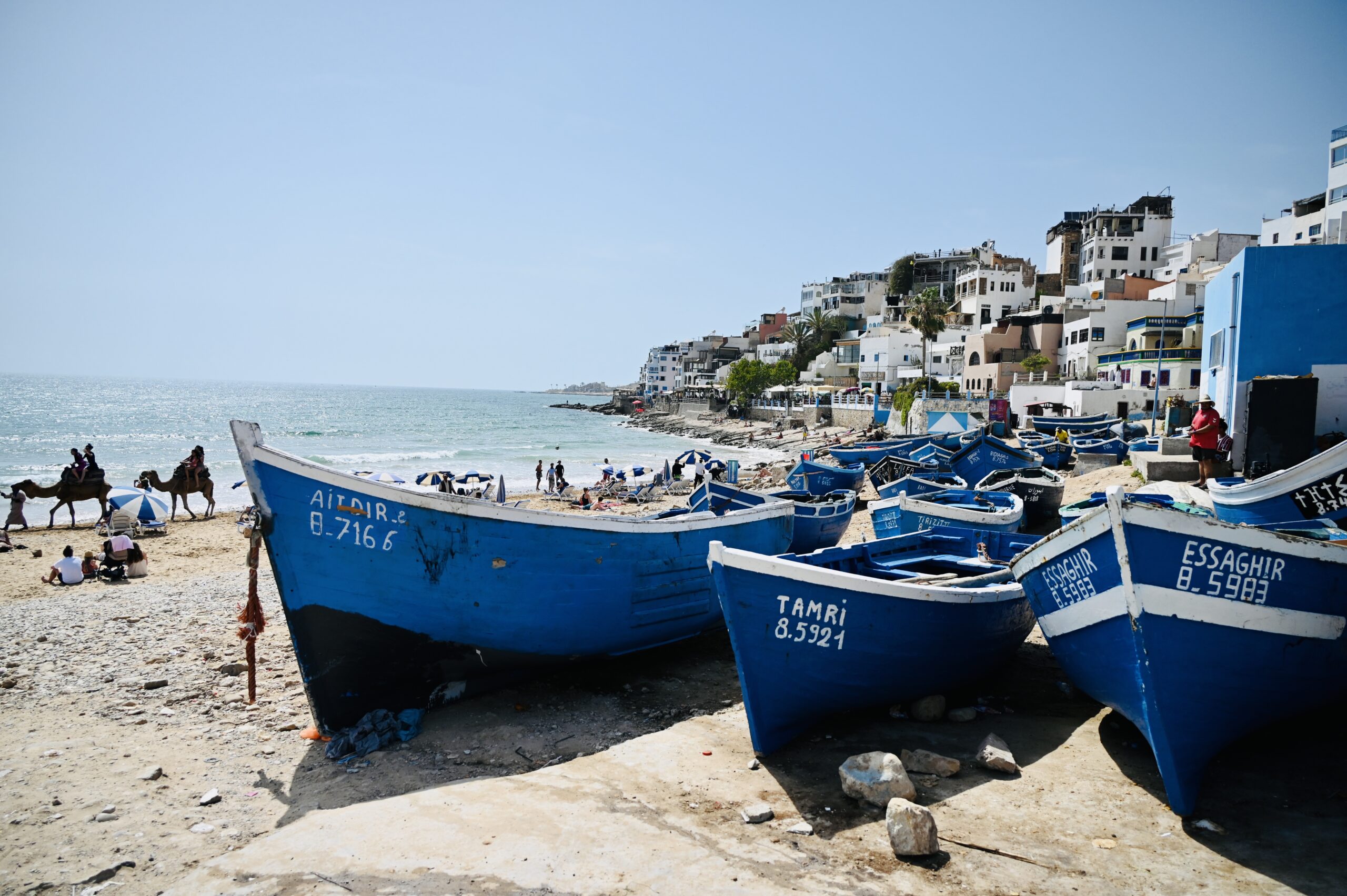
Fishing boats in Taghazout Morocco

The blue fishing boats.

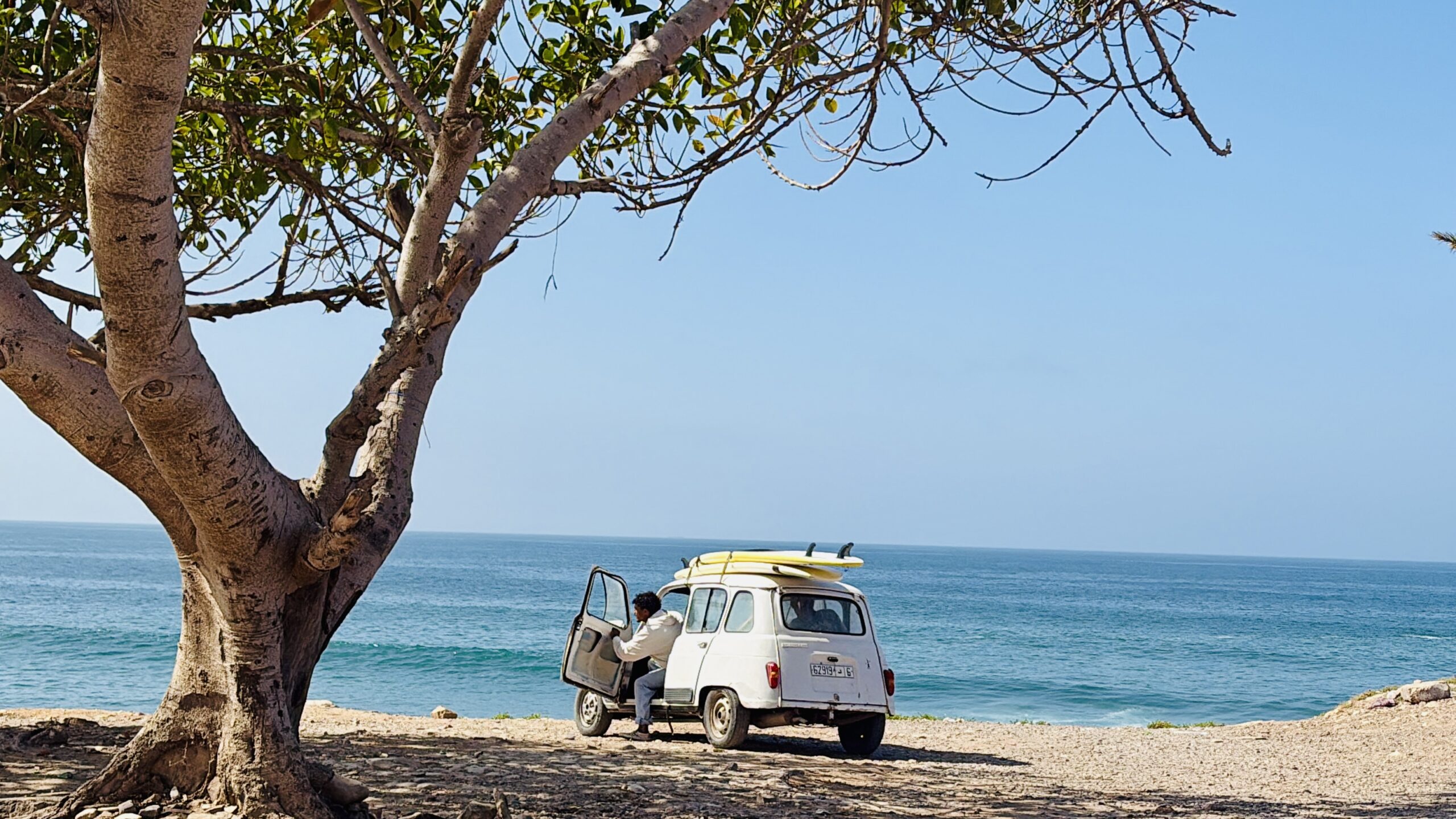
Old Renault with surfboards in Morocco

That Renault 4 with surfboards on the roof.

And always that smile from the locals.

We felt safe everywhere. We even let the kids walk to the football field on their own without hesitation.

Spontaneous evenings

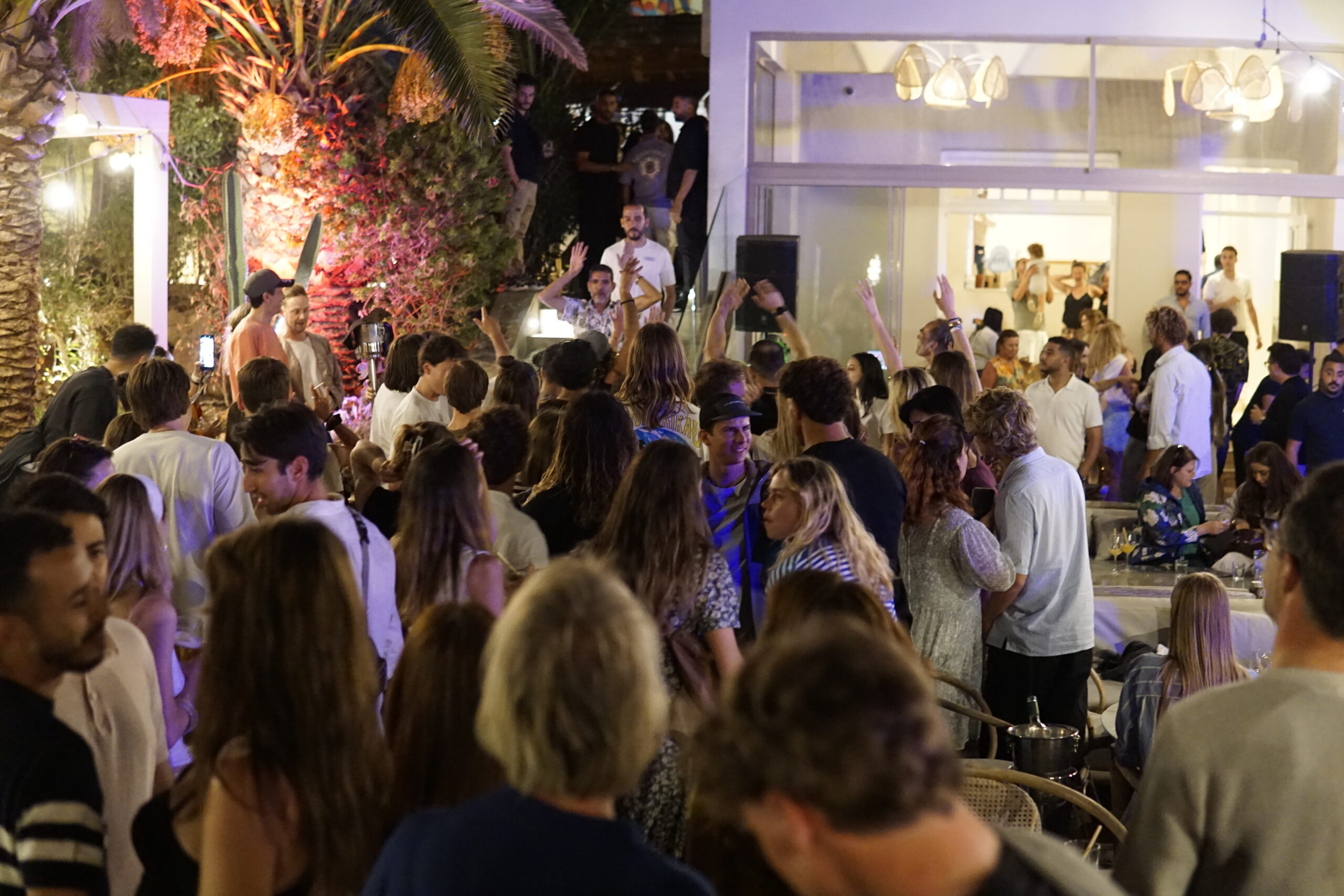
Friday night. After dinner, people stay at the table. The music gets louder. Suddenly there is a DJ by the pool.

DJ night at Dfrost Taghazout

Kids running around. People dancing.

Effortless.

Is everything perfect?

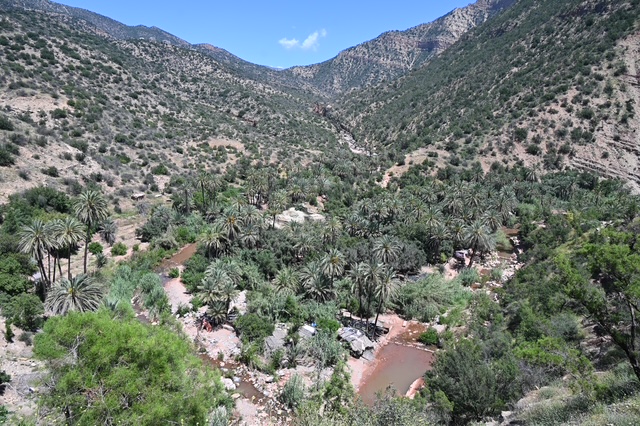
Paradise Valley.

Online, you see bright blue pools.

Paradise Valley near Taghazout Morocco

In reality? Still beautiful. But the water is brown. And it is busy.

Still, the landscape, the rocks, the palm trees. You understand why it is called Paradise.

We even took the wrong route. Missed the short 15-minute path and ended up hiking 45 minutes instead.

So: pay attention to the route.

How it feels as a family

“Everything’s great.” That is basically what our oldest, 13, says. But when you ask more: the apartment is chill, the food is great, people are kind, surf gear is good.

Our youngest, 11, adds: the rooms are super clean, fresh drinking water every day, and playing football with locals.

Suzanne notices how relaxed everything feels. You surf. You eat. You rest. And do what you feel like.

The Dfrost team helps when needed. Lets go when possible.

Practical: what you need to know

Surfing around Taghazout in April and May usually means swell between 0.5 and 1.5 meters, periods of 10 to 15 seconds, and the best window between low and mid tide. Mornings are often calm until around 11:30, while the wind usually picks up in the afternoon.

Condition April May
Average swell 0.7–1.5 m 0.5–1.3 m
Period 10–15 sec 10–14 sec
Water temperature 17–18°C 18–19°C
Air temperature 22–26°C 25–30°C
Wetsuit 3/2 mm 3/2 mm
Best time Morning until 11:30 Morning and after 17:00

The gear at Dfrost is good. Boards in all sizes. Rip Curl wetsuits.

If you are more critical and want an even better board, you can rent an almost-new Firewire board nearby, about 100 meters away, for around 400 dirham per day. Roughly €40.

Roadtrip checklist with kids

  • ✓ 3/2 mm fullsuit for everyone, including kids
  • ✓ Bring or rent bodyboards at Dfrost
  • ✓ SPF 50 sunscreen and UV shirts for the water
  • ✓ Caps and sunglasses for the beach
  • ✓ Cash dirhams for local taxis and rental boards
  • ✓ Arrange your rental car in advance
  • ✓ Drinking water: bottled only, never tap water
  • ✓ Backup plan for flat days: Paradise Valley or Agadir

Need the full Taghazout guide?

Read the complete Surf Escape guide to Taghazout, including surf conditions, seasons, spots and practical travel advice.

Taghazout surf guide →

From ocean to city

After four nights, we do not really want to leave. But our time here is up.

And we are also ready for Marrakesh.

Marrakesh: intense and alive

What happens when you go from ocean to city?

Road trip from Taghazout to Marrakesh

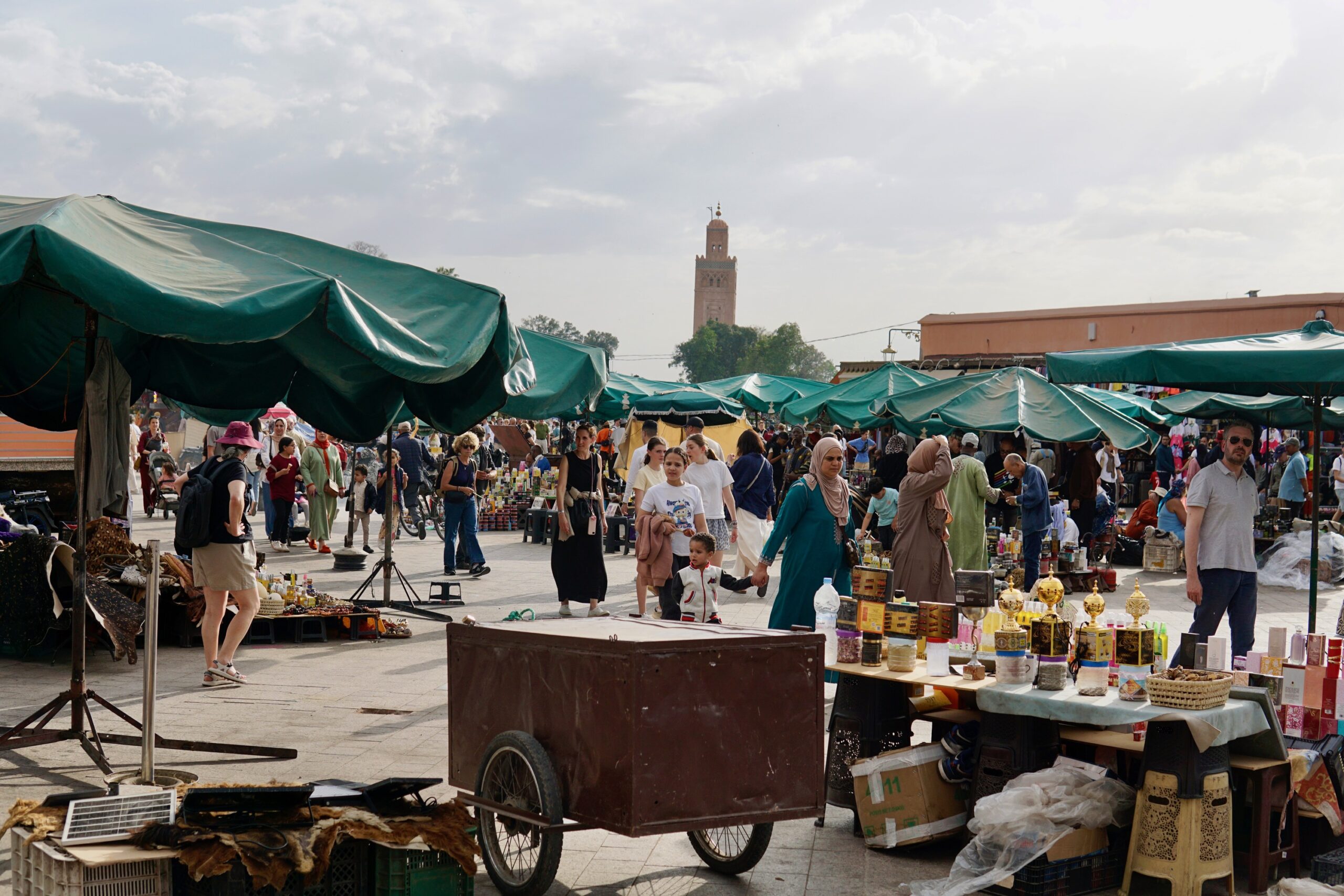
You wake up fast. Marrakesh is busy. Intense. Full. Exactly as expected.

The medina. The souks. Narrow streets. The smell of spices. The sounds. For the boys, and for us, it is one big adventure.

Football shirts. Souvenirs. And we become slightly obsessed with the coffee cups. They really are beautiful.

And then, somewhere above it all, on a rooftop, everything suddenly becomes calm again. Looking out over the city.

Beautiful and uncomfortable at the same time

Jemaa el-Fnaa square remains special. But also complicated.

Monkeys in clothes. Snakes moving to music. Photos with animals. Not for us. But it is part of what happens here. When we visited 20 years ago as a couple, it was not any different.

On to the Agafay Desert

After a day and a half in Marrakesh, we have had enough. So we continue to the Agafay Desert.

Agafay Desert near Marrakesh Morocco
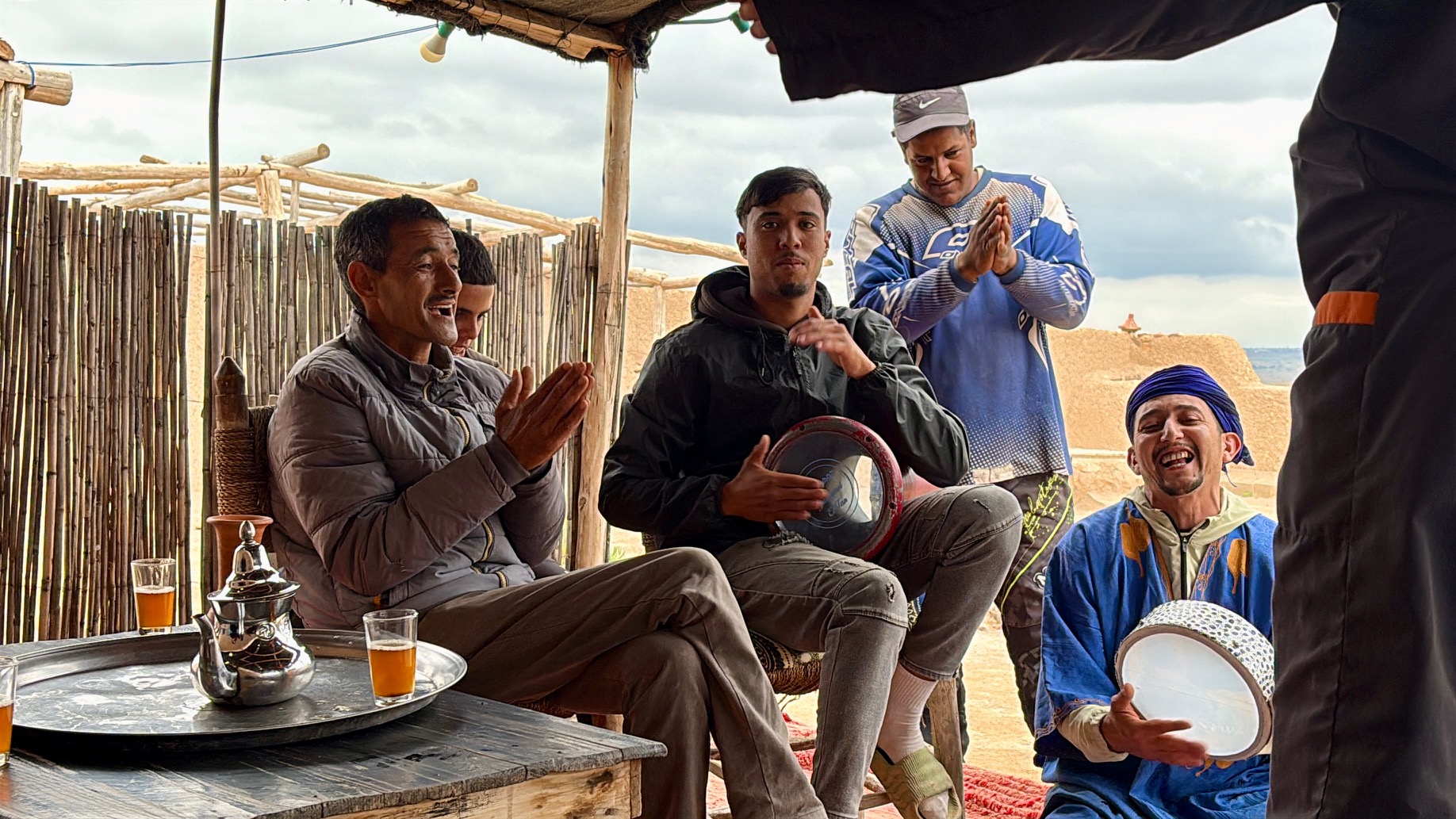
Moroccan people in the Agafay Desert

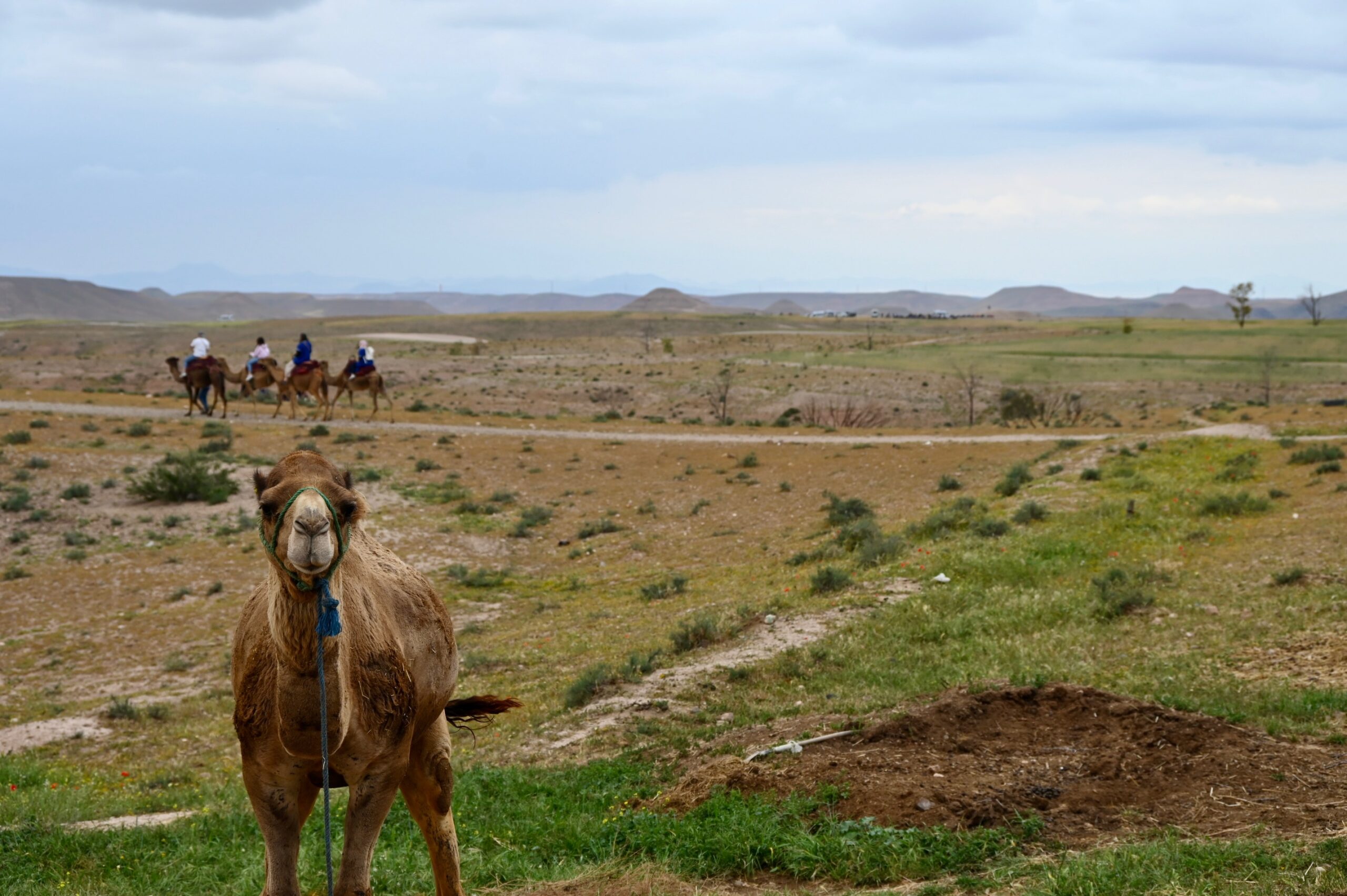
A beautiful area, still quite green in this season, full of fields with poppies.

Silence. Space. Camels. And a Moroccan sunset.

What really stays with you

That this was an incredible, adventurous surf trip as a family.

Traveling together in a different culture.

Moments happen naturally. A perfect surf session. A spontaneous dance night. Discovering new places without planning.

“We’ll come back. For the surf. For the atmosphere.”

Explore more Morocco surf guides

Plan your own trip with our Morocco guide, Taghazout guide and complete surf spot overview.

Start planning →

FAQ: surfing in Taghazout with kids

Is Taghazout good for a family surf trip?

Yes. Taghazout works very well for families because there are beginner-friendly beaches nearby, surf schools are used to mixed-level groups, and the village has a relaxed, easy-going rhythm.

What is the best surf spot for kids near Taghazout?

Aghroud Beach is one of the better options for kids and beginners when the swell is small to moderate. It is wider, more open and easier to manage than the point breaks close to Taghazout.

Do you need a wetsuit in Taghazout in April or May?

Yes. A 3/2 mm fullsuit is the safest choice in April and May. The water is usually around 17 to 19°C, which can still feel cool during longer surf sessions.

Do you need a rental car in Taghazout?

You can join surf school transport, but a rental car gives you much more freedom. It makes it easier to check different spots, explore the coast and visit places like Paradise Valley or Agadir.

Unstad: Arctic waves and mountains, and everything in between. Tips & photo’s.

There are destinations you recognize from photos. And then there are destinations you only truly understand once you’re there. The Lofoten Islands belong to the latter.

Video of the Week: back in the water after weeks on the sidelines

Video of the Week: back in the water after weeks on the sidelines

You may have been there yourself: weeks sometimes even months stuck on the sidelines. You still check every swell, refresh the forecast, even though your body keeps telling you “not yet.” Frustrating, restless, and above all: you miss the water.

Winter Wetsuits 2026 Explained

How to Choose the Right Cold-Water Wetsuit

(Without Freezing, Overpaying, or Falling for Hype)

Winter surfing has changed. Not because winters are suddenly warmer, but because wetsuits finally caught up.

Yet every winter, Surf-Escape still hears the same complaints: “My suit is thick but I’m still cold”, “I can’t paddle after an hour”, “It was expensive but it leaks”. The problem is rarely toughness or water temperature alone. It’s usually the wrong wetsuit choice.

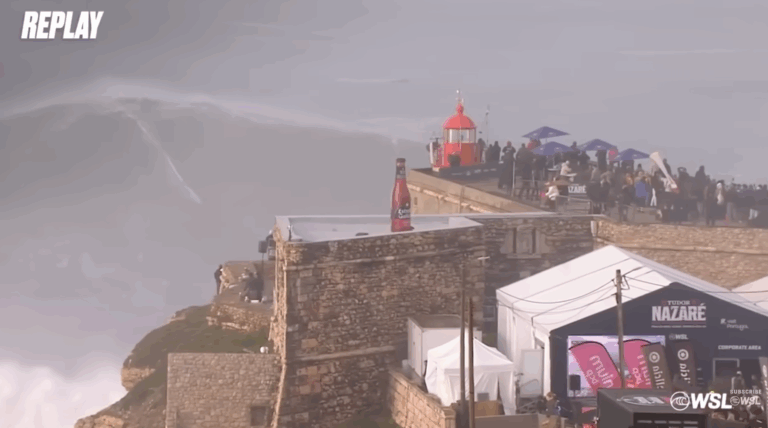
Nazaré once again proves why it is the epicenter of big-wave surfing

Praia do Norte once again delivered exactly what it’s known for worldwide: raw power, unpredictability, and waves that push the boundary between human ability and nature itself.

During this remarkable day — which instantly flooded social media — teams and elite surfers faced massive sets in the 45 to 60 ft range (14–18 metres).

These are precisely the kind of conditions that continue to define and reinforce Nazaré’s reputation as the ultimate big-wave arena.

In the video below, you’ll find the highlights from the day: perfectly timed tow-ins, brutal drops, heavy wipe-outs, and the constant balance between control and chaos.

Nazaré Big Wave Challenge: the results

The 2025/2026 TUDOR Nazaré Big Wave Challenge was recently held at Praia do Norte. Despite highly demanding and at times unpredictable conditions, several surfers and teams stood out:

  • The Portuguese team of Nic von Rupp & Clément Roseyro claimed the team title once again, delivering strong and consistent performances in heavy conditions.
  • Lucas “Chumbo” Chianca was named Best Male Surfer. He survived multiple heavy wipe-outs, supported by fast and decisive work from the safety crews.
  • Justine Dupont confirmed her status as one of the all-time greats in big-wave surfing by winning the women’s title for the second year in a row.

These performances underline not only the sporting level at Nazaré, but also the critical role of experience, teamwork and safety at this extreme venue.

Official competition window now open

At the same time, the official competition window for the TUDOR Nazaré Big Wave Challenge 2025/2026 has now opened and runs through March 31, 2026.

Throughout this period, the world’s best big-wave surfers remain on constant standby. One perfectly aligned swell is all it takes to activate the event within 24 hours for a decisive, one-day tow-in competition.

Praia do Norte, Portugal
One-day tow-in format
On standby at all times

Want more context on this unique surf spot, the canyon effect, and why the waves here grow to such extreme sizes? Read our in-depth surf spot guide on Nazaré.

Watch the video

Watch the video and see once again why Nazaré remains the ultimate benchmark for big-wave surfing, season after season.


Surfing in Las Américas, Tenerife: dream spot or not for intermediate surfers?

0

Surfing in Las Américas, Tenerife: dream spot or not for intermediate surfers?

Surfing in Las Américas on Tenerife often sounds like the perfect picture: sunshine, predictable waves, and that easy post-session vibe where you can walk straight to a café in your wetsuit.
But is it the ideal place for intermediate surfers?

The honest answer: yes and no.

Below you’ll find why Las Américas can be a brilliant base for intermediates — and also why it won’t suit every surfer.

Where is Playa de las Américas?

South-west Tenerife.
Playa de las Américas location
Why Las Américas is great for intermediate surfers
1. Year-round consistency

Las Américas receives swell almost non-stop. For intermediates this means more water time, more rhythm, and real progression. Winter often brings clean, reliable conditions.

2. Accessible reef breaks

The reefs here are rock, not coral. That makes them far less intimidating than the word “reef” might suggest. You still need to know your entry and exit points, but with a few pointers you settle in quickly.

3. Several spots within a tiny stretch of coastline

Within a 10-minute walk you’ll find different peaks, each with its own personality. Ideal if you like predictable take-off zones and the option to switch spots.

4. A strong surf setup out of the water

Surf schools, board hire, cafés, shops — everything is clustered together. For many intermediates, this practicality makes the area genuinely enjoyable and easy.

5. Coaching and help are easy to find

If you want guidance on positioning, the reef, etiquette or navigating crowds, local surf coaches are everywhere. A single session can make a big difference.

Why Las Américas is not always the best choice for intermediates

1. It gets busy. Very busy.

Beginners, surf schools, locals, advanced surfers — everyone is out there.
If crowds make you tense or you prefer more space, the line-up can feel overwhelming.

2. Crowd etiquette is serious

Tenerife is known as one of Europe’s more localised surf destinations. You’re welcome to surf here as a visitor — as long as you follow etiquette:

  • locals take the best waves

  • patience is essential

  • if you blow your first wave, it may take a long time to get another chance (if at all)

For an intermediate who sometimes hesitates, that can feel intense.

3. Not suitable on genuinely big days

When larger swells hit, the friendlier peaks turn fast and powerful. The reef becomes far less forgiving and experience really matters. On these days, intermediates often prefer beach breaks elsewhere on the island.

4. You have to like the touristy environment

Some surfers love the buzzing energy. Others find it “the busiest place on earth”. If you prefer quiet beaches, nature and space, the north or other parts of Tenerife will suit you better.

So… is Las Américas the best spot for intermediates?

Yes, if you:

  • enjoy predictable, user-friendly reef breaks

  • like having facilities right at the beach

  • want to progress through consistency

  • can handle crowds

  • understand and respect surf etiquette

No, if you:

  • get overstimulated or stressed in crowded line-ups

  • prefer mellow beach breaks

  • feel anxious around strong local crowds

  • want quiet, nature-rich surroundings

  • like the freedom to experiment without pressure

Practical tips for intermediates heading to Las Américas

  • Surf mid to low tide at El Medio and Bunker — more manageable and less crowded.

  • Go early or late — sunrise and sunset sessions are noticeably quieter.

  • Hire a local surf coach for your first session — you’ll gain respect, insight and confidence.

  • Avoid the most localised peaks, such as Izquierda and busy days at Derecha.

  • Respect etiquette — priority rules, safety, and local order. Follow them and you’ll generally be welcomed.

Winter longboard trip to northern Spain

0

Winter Longboarding in Northern Spain: Quiet Lines, Rolling Swells & Pure Atlantic Freedom

Northern Spain in winter feels like a hidden chapter of Europe’s surf story: calm beaches, clean morning lines, empty car parks, and mellow waves wrapping into long sandy bays. If you’re a longboarder or simply someone who loves smooth, stylish surfing, this coastline offers some of the best winter logging conditions in Europe.

Why Northern Spain works so well for longboarders

Thanks to its position on the Bay of Biscay, Northern Spain receives consistent NW swells from autumn through spring. Unlike some parts of Portugal or France, the coastline here features:

  • wide, forgiving beaches with long, predictable sandbanks
  • plenty of space — even on good days
  • clean offshore mornings, especially with easterly winds
  • small-to-medium days that break perfectly for longboards

It’s the balance that matters: winter power when you want it, mellow longboard waves when you choose the right spot and timing.

What to expect in winter: conditions, vibe & water temperature

Wave size & Shape

From November to March, the region sees reliable swell. But because most beaches are open and gently sloping, they filter the power into smooth, rolling shoulders — especially:

  • in the morning
  • during mid-tide
  • when winds switch offshore (E/SE)

Even on stronger days, beaches like Somo, Oyambre, Berria, and Laredo offer longboardable windows.

Wind

Winter favors offshore southeasterlies, especially in Cantabria. Mornings are almost always your best bet for clean shoulders.

Water Temperature

Expect:

  • 12–15°C in winter
  • a 5/4 mm wetsuit with booties
  • 4/3 mm possible in early autumn and late spring

Wetsuit & Board Guide for longboarders

Winter Wetsuit Checklist
✔ 5/4 mm wetsuit
✔ Booties recommended
✔ Hood optional (helpful with strong north winds)

Best Boards for the Region

  • Classic longboard 9’+
  • Mid-length (7’–8’6”) for bigger days
  • Funboard when you want a little more speed

Shops are open year-round in larger towns (Somo, Suances, Zarautz), but smaller rental shops may close in winter. Bbring your gear if possible.

The surf regions of Northern Spain. What longboarders should know

1. Cantabria — Best All-Round Longboard Coast

Somo, Loredo, Berria, Laredo, and Oyambre are all wide beaches with mellow profiles.
Ideal for winter longboarders.

2. Basque Country — Stylish & Surf-Culture Rich

Zarautz is the standout: long rides, consistent banks, and a classic surf town vibe.

3. Asturias — Scenic & Slightly Wilder

Salinas and Rodiles offer exceptional longboard waves, though Rodiles gets powerful in winter.

4. Galicia — Raw, Green & Beautiful

Pantín is the main longboard option: soft banks on smaller days, world-class scenery year-round.

The 10 Best Longboard Surf Spots in Northern Spain

Below you’ll find the strongest longboard locations — organised from east to west — with seasonal notes so you know exactly what to expect during winter.

1. Playa de Somo (Cantabria)

Quick Surf Guide – Somo

  • Type: Wide beachbreak, soft banks
  • Best in winter: Clean mornings with E wind
  • Tide: Mid
  • Winter vibe: Calm, big playing field

Somo is the most reliable longboard wave in Northern Spain. Clean shoulders, mellow take-offs and endless space make it a winter favourite.

2. Playa de Berria

Quick Surf Guide – Berria

  • Type: Soft peaks between dunes
  • Winter: Powerful but clean with offshore wind

A beautiful, quiet beach that filters winter swell surprisingly well, delivering long rides on smaller days.

3. Playa de Oyambre (San Vicente de la Barquera)

Quick Surf Guide – Oyambre

  • Type: Mellow beachbreak
  • Winter: Best on 1.5m+ swells + morning offshores

A dreamy longboard beach inside a national park. Quiet, peaceful, perfect for logging.

4. Playa de Liencres

Quick Surf Guide – Liencres

  • Type: Broad sandy bay
  • Winter: Longboard only on smaller days

On calm winter swells, Liencres delivers rolling peaks with enough space for stylish cruising.

5. Playa de Los Locos (Suances)

Quick Surf Guide – Los Locos

  • Type: Beach/point hybrid
  • Winter: Best on medium lines

A scenic setup that shines in winter when the swell drops — ideal for longboards.

6. Zarautz (Basque Country)

Quick Surf Guide – Zarautz

  • Type: Long sandy beach
  • Winter: Clean lines on offshore days

Zarautz is stylish and consistent — a longboarder’s classic with good vibes year-round.

7. Salinas (Asturias)

Quick Surf Guide – Salinas

  • Type: Wide beachbreak
  • Winter: Smooth, long walls

Known for its longboard festival, Salinas has mellow winter waves perfect for cruisy sessions.

8. Rodiles (Asturias)

Quick Surf Guide – Rodiles

  • Type: Legendary rivermouth right
  • Winter: Too powerful on big days. Choose small swells

On the right day, Rodiles offers 100-meter rides. With winter swell: choose wisely.

9. Pantín (Galicia)

Quick Surf Guide – Pantín

  • Type: Wide bay
  • Winter: Best on offshore mornings

Pantín is famous for competitions, but on small winter days it’s a longboard paradise.

10. Laredo (Cantabria)

Quick Surf Guide – Laredo

  • Type: Long beach
  • Winter: Great on low-energy days

Laredo’s long, mellow walls make it one of the most forgiving winter waves on the coast.

When Is Northern Spain Best for Longboarding?

September–November: Best combo of swells + mild weather
December–February: Most consistent surf, colder water, clean mornings
March: Underrated longboard month — quiet and playful

Frequently Asked Winter Questions

Is it suitable for families?

Yes. Somo, Berria and Laredo have easy access, surf schools and safe zones.

What if a storm hits?

Move to sheltered corners (Suances, Zarautz) or simply wait for offshore mornings.

Is it beginner-friendly?

On small swells: absolutely. On bigger winter days: choose mellow beaches like Somo or Oyambre.

Explore more guides on Surf-Escape:
Surfing in Spain |
Wetsuit Guide |
How to Read a Surf Forecast

SRFACE Remix 4/3 wetsuit review

We’ve been surfing extensively in the SRFACE Remix 4/3 wetsuit for the past eighteen months. During the colder winter months, I switch to the 5/4 Heat (hooded) when conditions get really harsh. For spring and autumn sessions, the 4/3 Remix is our go-to: extremely flexible with pleasantly soft neoprene and surprisingly warm for its thickness.

tl;dr

Pros: top flexibility thanks to Yamamoto limestone neoprene, soft against the skin, quick-drying, neat finish, excellent value for this segment.
Consider: in winter combined with strong or icy winds, the Remix lacks windproof chest and back panels found on the Heat, making the Heat noticeably warmer.
Recommendation: Spring/autumn → Remix 4/3. Cold, windy winter → Heat 5/4 hooded or 6/5 hooded for longer sessions.
Tip: Black Friday discounts are live! Up to 40% off plus an extra 10% via our recommended supplier.

Discount and buying options

Good news: SRFACE wetsuits can always be bought with 10% off if you use the specified discount code at checkout. Check the best available offers via the official SRFACE store online.

Price and market positioning

The SRFACE Remix 4/3 retails for around €299, making it highly competitive in the upper-mid price range. Cheaper 4/3 wetsuits exist, but in wetsuit world, cheap usually means compromise. Thanks to high-grade Yamamoto neoprene and fine craftsmanship, this suit offers a premium feel without the top-end price.

Ready to buy? Visit the SRFACE website to pick your size and thickness, and don’t forget the discountcode:

srface wetsuit remix review

Materials, construction and warmth

Think of the Remix as a high-end wetsuit focused on flexibility and comfort:
Neoprene: Japanese Yamamoto limestone neoprene since 1964, double-lined with soft nylon/spandex jersey for extra stretch (up to ~400%).
Lining: SRFACE plush in key warmth zones; shoulders, arms, and hips retain great freedom of movement.
Seams: triple-glued, blind-stitched (GBS) and internally taped to minimise water entry.
Seals: designed to limit flushing at neck, arms and legs while maintaining shape.
Drying speed: hollow-fibre insulation dries quickly, so you can get back in the water without a cold, damp suit.

Remix vs heat: which model suits you?

Remix (4/3, 5/4, 6/5) Heat (4/3, 5/4 hooded, 6/5 hooded)
Strengths: flexibility, comfort, quick drying Strengths: warmth, thanks to windproof panels on chest and back
Best for: spring and autumn; summer sessions in 3/2 or 4/3 Best for: winter, long sessions, onshore or changeable winds
Limitation: can feel chilly in winter with strong wind due to lack of blocking panels


Our honest advice: If you surf often in cold, windy winter conditions (like the North Sea), choose the Heat (5/4 hooded or 6/5 hooded for really long or freezing sessions). For spring/autumn or calmer wind days, the Remix 4/3 is a wonderfully flexible all-rounder.

Surfers’ experiences (pros & cons)

We’ve gathered genuine feedback from surfers, lightly edited here:

Critical (wind/winter):
“Go for the Heat in winter. My partner found the 5/4 Remix too cold when windy because the Heat’s chest and back panels really help.”
– Remix may feel cooler with strong winds.
– Some report faster wear on collar and seams after intensive use.

Positive (flexibility & comfort):
“Remix is my favourite—special neoprene, feels softer and more flexible.”
“5/4 hooded Remix offers top neoprene quality and comfort; 4/3 Remix is super flexible.”
– Widely praised for the soft feel and freedom of movement.
– Newer Heat generation is also more flexible than previous years.

Final verdict srface remix 4/3 (yamamoto)

– **For whom?** Surfers seeking top flexibility and comfort for spring and autumn (and mild winters without strong wind).
– **Why we choose it:** light, supple, quick drying, with a premium feel.
– **When not to choose:** winter combined with wind—here the Heat is better suited due to extra warmth and windproof panels.

Discount and 30-day trial

At srface.com you can easily select size and thickness. You get 30 days to try it out; shipping and returns are free, and customer service is run by surfers themselves, available 7 days a week.

srface wetsuit remix review

Check the latest deals and explore the[Remix product page.

Frequently asked questions

Is the srface remix 4/3 warm enough for uk winter surfing?

On calmer days and shorter sessions, it can suffice. However, in strong or icy winds, the Heat with its chest and back windproof panels will keep you considerably warmer. For long winter sessions, opt for the 5/4 hooded or 6/5 hooded version.

What’s the difference between remix and heat?

The Remix focuses on maximum flexibility and comfort. The Heat adds windproof chest and back panels for extra warmth. The latest Heat models are also more flexible than older generations.

How do i choose the right size and thickness?

SRFACE offers a clear size and thickness guide on their website. Unsure? Check out our wetsuit buying guide on Surf-Escape.com and benefit from the 30-day trial and free returns.

Does the remix wear out faster than the heat?

Some users report faster wear on collars and seams after heavy use. Proper donning/doffing techniques along with thorough rinsing and drying can significantly extend the suit’s lifespan.

What seasons is the remix 4/3 best suited for?

Spring and autumn are ideal. Summer can often be handled with a 3/2 or shorty. For winter, we usually recommend the Heat hooded wetsuits for maximum warmth.

Where to surf this winter in Europe? A practical preview for intermediate surfers

Where to surf this winter in Europe? A practical preview for intermediate surfers

TL;DR: Winter equals progress. Consistent swell, fewer crowds, more space to practice your turns. Don’t chase the biggest wave, pick the best shoulder instead. Top regions for mellow intermediate surfing: Peniche (Portugal), Zarautz & San Vicente (Spain), and on good days, a sandbank in southern France.

Why winter is your best window for surfing

Between November and March, the North Atlantic Ocean operates at full throttle. Storm systems generate deep groundswell that regularly reaches Portugal, France, and Spain. Surfing in winter means catching more sets and making faster progress.

What should intermediates watch out for?

1. Wind (offshore > cross-shore > onshore)

Offshore winds create a clean face and give you control on the drop. Cross-shore requires more effort. Full onshore winds feel like a tough workout and are far less enjoyable.

2. Tide

Beachbreaks usually have a sweet spot. Always check the tide chart beforehand and stay flexible in your choice of surf spot.

3. Ideal swell range for mellow to intermediate progress

For European beachbreaks, 0.8–1.5 metres is the perfect swell range for intermediates.

spot matrix: the best mellow/intermediate options

Spot / region Level Winter swell range (intermediate) Best wind direction Best tide Why it’s good for progress
Cantinho da Baía (Peniche, PT) Intermediate — mellow 0.8–1.5 m N / NW E / NE offshore Mid tide rising Long rides, predictable shoulders, great for progression
Molhe Leste (Peniche, PT) Intermediate 0.8–1.4 m E / NE Mid tide Clean face, fewer crowds
Zarautz (Basque Country, ES) Beginner–Intermediate 0.6–1.3 m NE / E Mid tide Friendly beachbreak, perfect for practising turns
San Vicente (Cantabria, ES) Intermediate — mellow 0.6–1.2 m W / NE Mid tide Gentle entry, long wave lines
Hossegor / Seignosse (FR) – only on smaller days Advanced / Intermediate (only with the right sandbank) 0.6–1.0 m W / NE Mid tide World-class waves, but do not surf the big days

Portugal — winter magic (Ericeira / Peniche / Algarve)

Ericeira: Multiple reef breaks with predictable lines. Easterly winds provide a delightful offshore.

Peniche (the best choice for intermediates): Molhe Leste and Cantinho da Baía offer long rides, clean faces, and ideal shoulders.

Algarve: West winds can bring onshore conditions, so drive 15 minutes to the south coast for cleaner lines.

Wetsuit advice: 4/3 mm with boots (Dec–Feb). Northern Portugal sometimes requires 5/4 mm.

France; sandbanks that change weekly (Hossegor / Capbreton)

Southern France can be raw. Big swells, fast drops, strong rips. But on smaller days (0.6–1.0 m), the sandbanks can be truly mellow.

Checklist on arrival:

  • Check from the dunes: is the wave closing out? If yes, drive 300 metres down the coast.
  • Pick sandbanks with clear shoulders, avoid those with beach-wide closeouts.

Wetsuit advice: 5/4 mm with boots, hood optional.

Spain (Basque country & Cantabria) — mellow & long lines

  • Zarautz: super accessible, perfect line for practising turns.
  • San Vicente: gentle entry, mellow sets, family- and intermediate-friendly.
  • Mundaka: just watch for inspiration—it’s highly educational.

Wetsuit advice: 4/3 mm with boots.

Canary Islands (Fuerteventura): winter sun + mellow progression

Fuerteventura is a surfer’s playground: you can always drive to find offshore conditions. The north coast spots vary from mellow point-like reefs to friendlier beachbreaks around El Cotillo and Waikiki.

Why it’s perfect for intermediates:

  • Many options within 20–30 minutes’ drive
  • Not dependent on mid-tide beachbanks like France
  • Clean wave faces courtesy of the trade winds

Top mellow/intermediate spots:

  • El Cotillo (beachbreak) — mellow days, gentle entry
  • Waikiki (Corralejo) — friendly vibe, long wall
  • Punta Blanca (reef, right-hander) — predictable, great for turns

Swell range (winter, intermediate): 0.8–1.4 m
Wetsuit advice: 3/2 or 4/3 mm (Dec–Feb)

Morocco — mellow points & endless glides

Atlantic swells roll in long lines right onto the coast here. Winter is high season. The vibe is relaxed and the point breaks are ideal for developing flow and rail-to-rail turns, without the chaos of beachbreaks.

Why it’s perfect for intermediates:

  • Long rides → more time on each wave → faster progress
  • Many spots with gentle entry and predictable rhythm
  • Active surf & coaching scene, including video analysis

Best mellow/intermediate spots:

  • Imsouane (The Bay) — mellow, endless lines, perfect for technique
  • Taghazout (Panoramas / Banana Point) — gentle points, safe exits
  • Tamri (beachbreak) — an alternative when swell picks up

Swell range (winter, intermediate): 0.7–1.5 m
Wetsuit advice: 3/2 or 4/3 mm (Dec–Feb), depending on wind

FAQ

1. What wetsuit do I need in winter?
4/3 mm for Portugal/Spain, 5/4 mm for France.

2. Best swell range for intermediates?
0.8–1.5 metres for progression.

3. Best time of day?
Morning sessions tend to have less wind and emptier line-ups.

4. Where can I book coaching?
Choose a school that offers video analysis.

5. Week trip or month?
A week builds momentum; a month triggers a big leap in progress.