Home Blog Page 3

One of those surf trips that ends with a golden Glow

Sometimes a surf trip doesn’t start big—but ends up being unforgettable. One of those weeks where everything aligns: mellow swell, warm air, barely any wind, and the freedom to dive into the ocean whenever you want.

That’s exactly the kind of week we got in Seignosse at the end of June. With the occasional detour to Bidart.

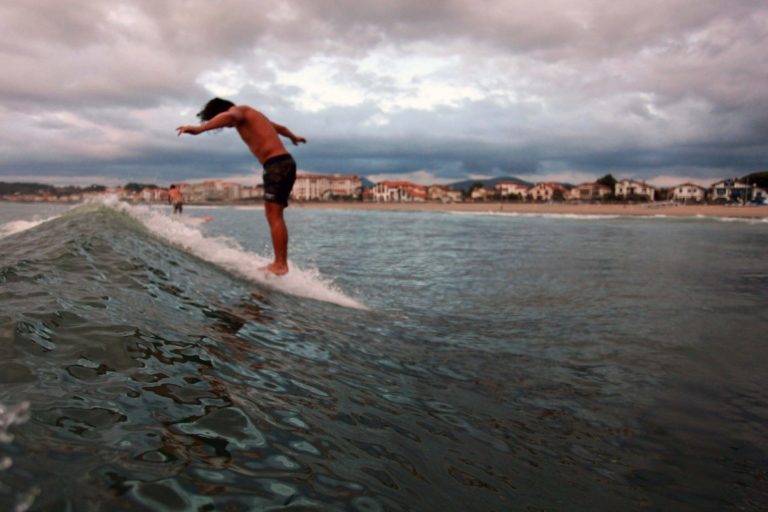
And it was the best of both worlds: longboard bliss mixed with shortboard sessions on a point-like break.

Planning a surf trip to France?
Check out our Surf Guide to South West France – 70 pages of tips, spots & stays from the Vendée to the Basque Country.

Missed the swell? Still scored.

We had the whole month of June as a possible window—except for one week. And you guessed it: that one week turned out to be the best Europe had seen in a while. Clean, solid lines around a meter high, 11 to 12-second period, and barely any wind.

Still, our week looked promising too. The plan started to take shape: if conditions stay small but clean, we’ll turn it into a longboard trip. Sounds like a win.

After a bit of calendar shuffling, we hit the road on Sunday morning. Twelve hours later, we rolled into our campsite in Seignosse.

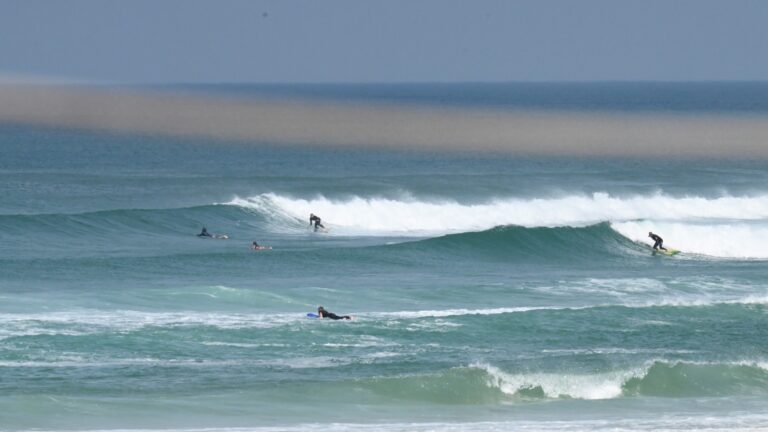
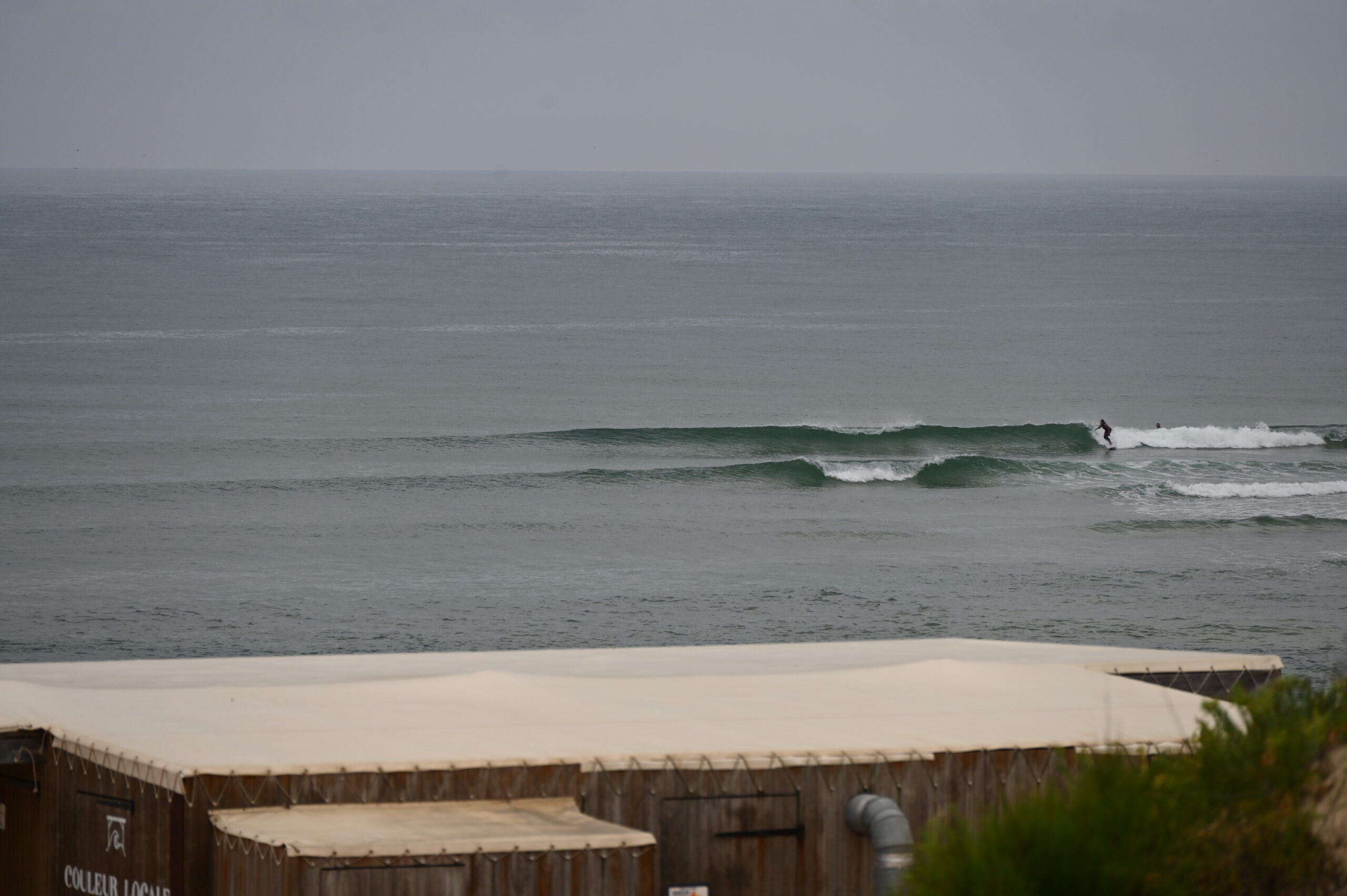
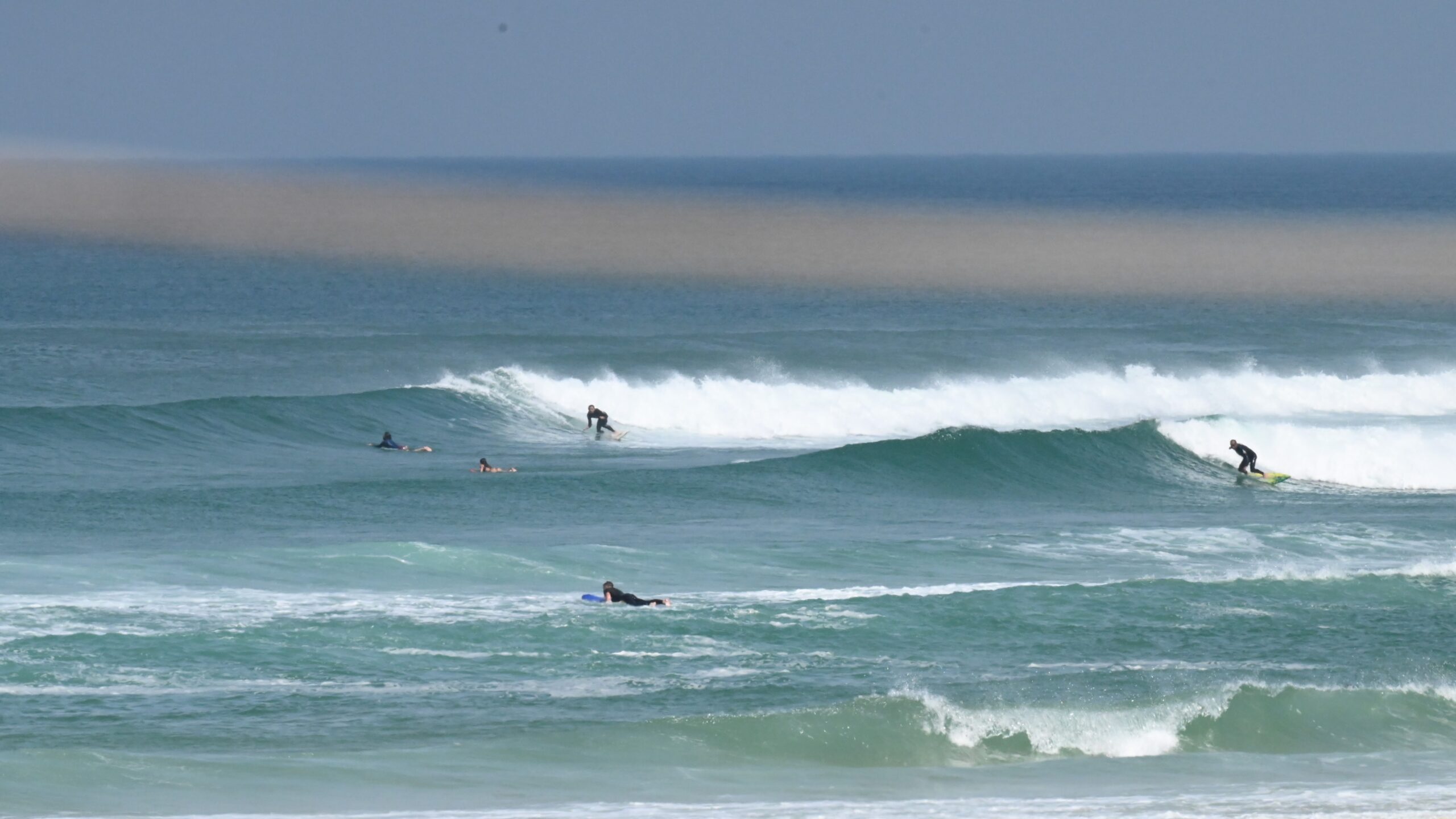
First stop: Les Bourdaines. Warm water, a mellow swell, and hazy sunshine. A perfect first session, with both lefts and rights on offer thanks to the sandbanks. We wrapped it up with a great meal at Cabane Couleur Locale, right on the beach.

Bourdaines

Point Bourdaines

Le Penon: Home base with peaks and potential

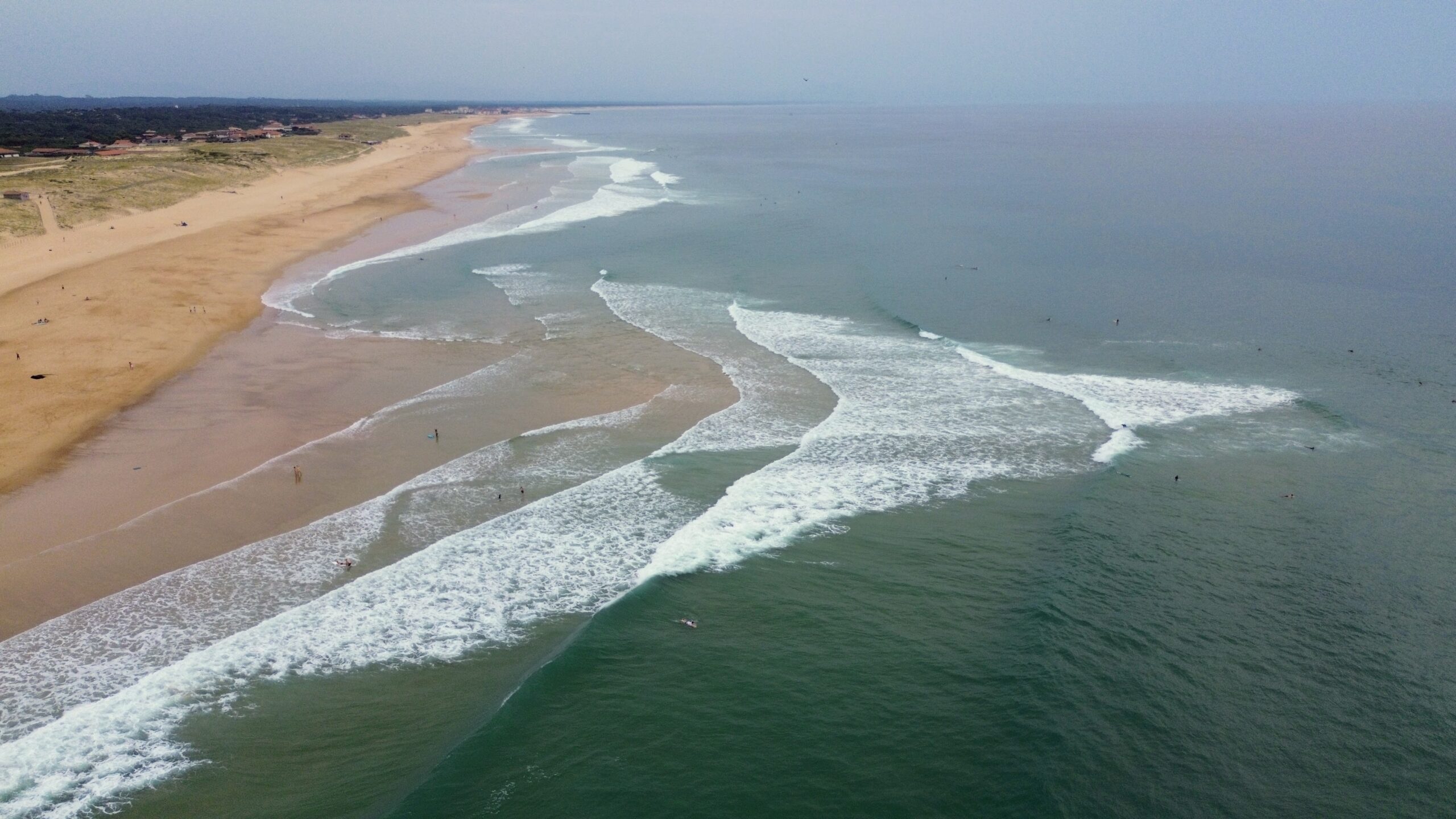
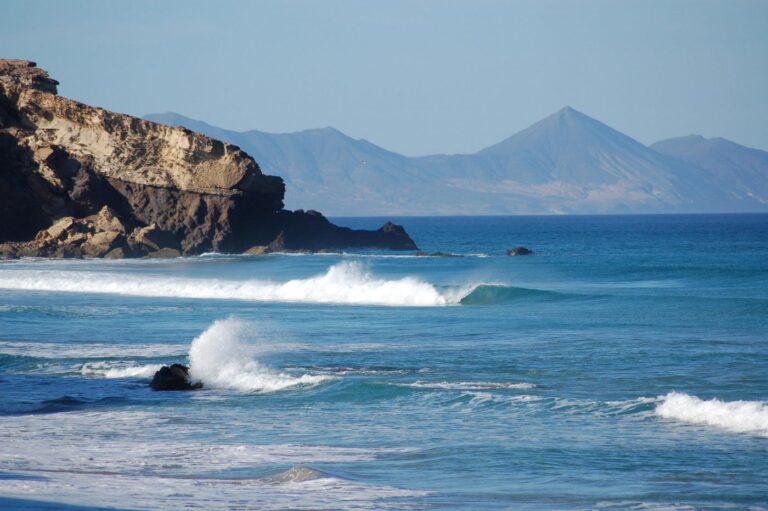
The following days made it clear: Le Penon was our go-to spot. Early mornings, park the car by the dunes, walk over—and boom, you’re standing on a massive beach with views of Hossegor, Capbreton, and on clear days, even the Pyrenees.

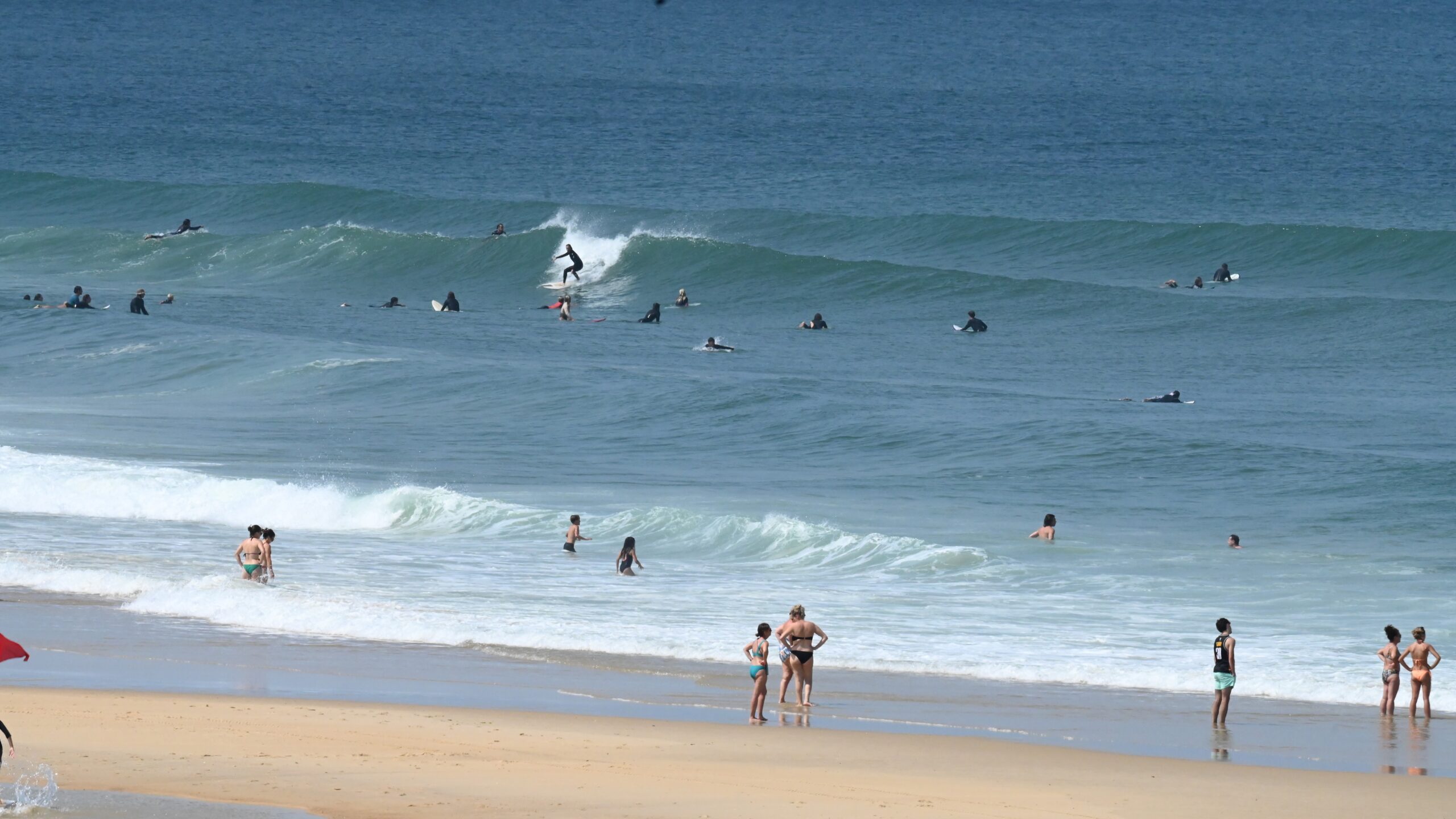
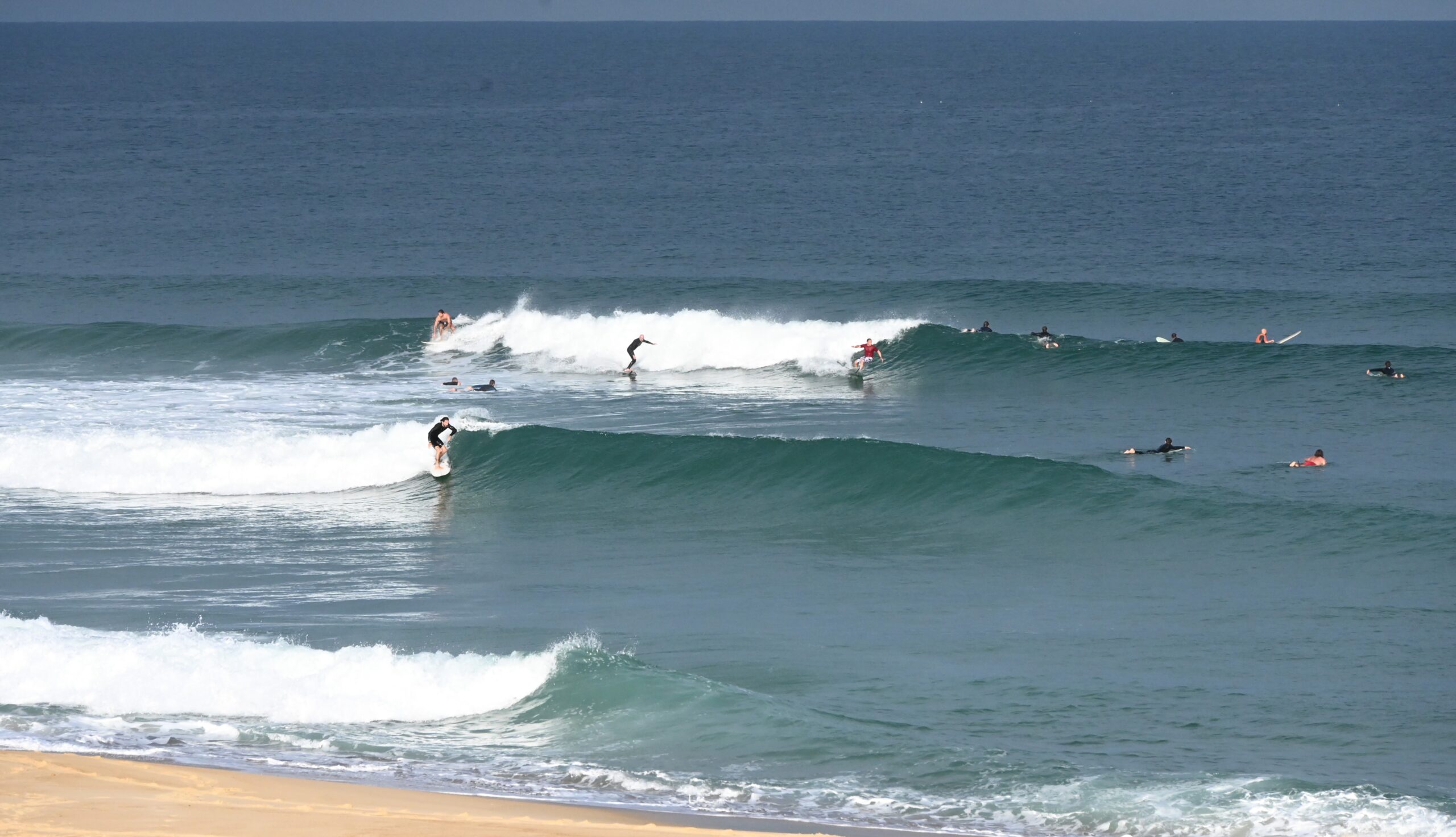
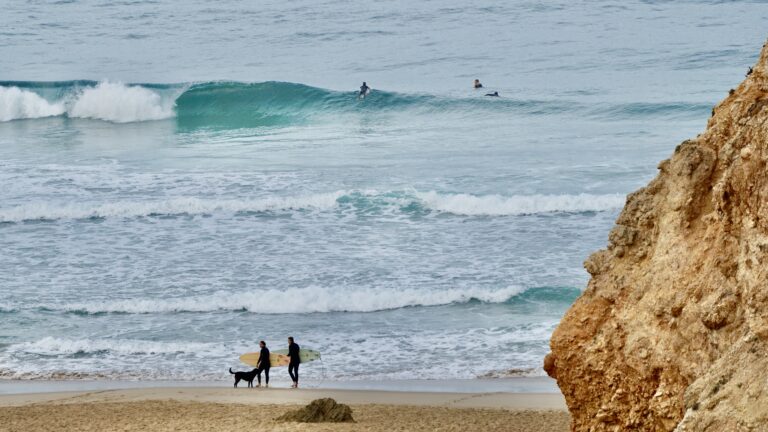
On the best day, it hit 35°C. The swell lines were clean (1.2m at 11s), and even better once we were in the water. It was a dream session: perfect peaks, occasional barrels the locals made the most of, a mellow crowd, and a point-like section that worked from low to almost high tide.Le Penon

Penon Seignosse

Spot Info: Le Penon (Seignosse)

  • Type: Beach break with seasonal sandbars / point-like shapes

  • Best Swell Direction: W to NW

  • Best Wind Direction: E to SE

  • Tide: Low to mid and almost high

  • Level: All levels

  • Watch out: Strong rip currents at outgoing tide – solid paddle fitness recommended

Explore more surf spots in France »

Mini road trip to Bidart

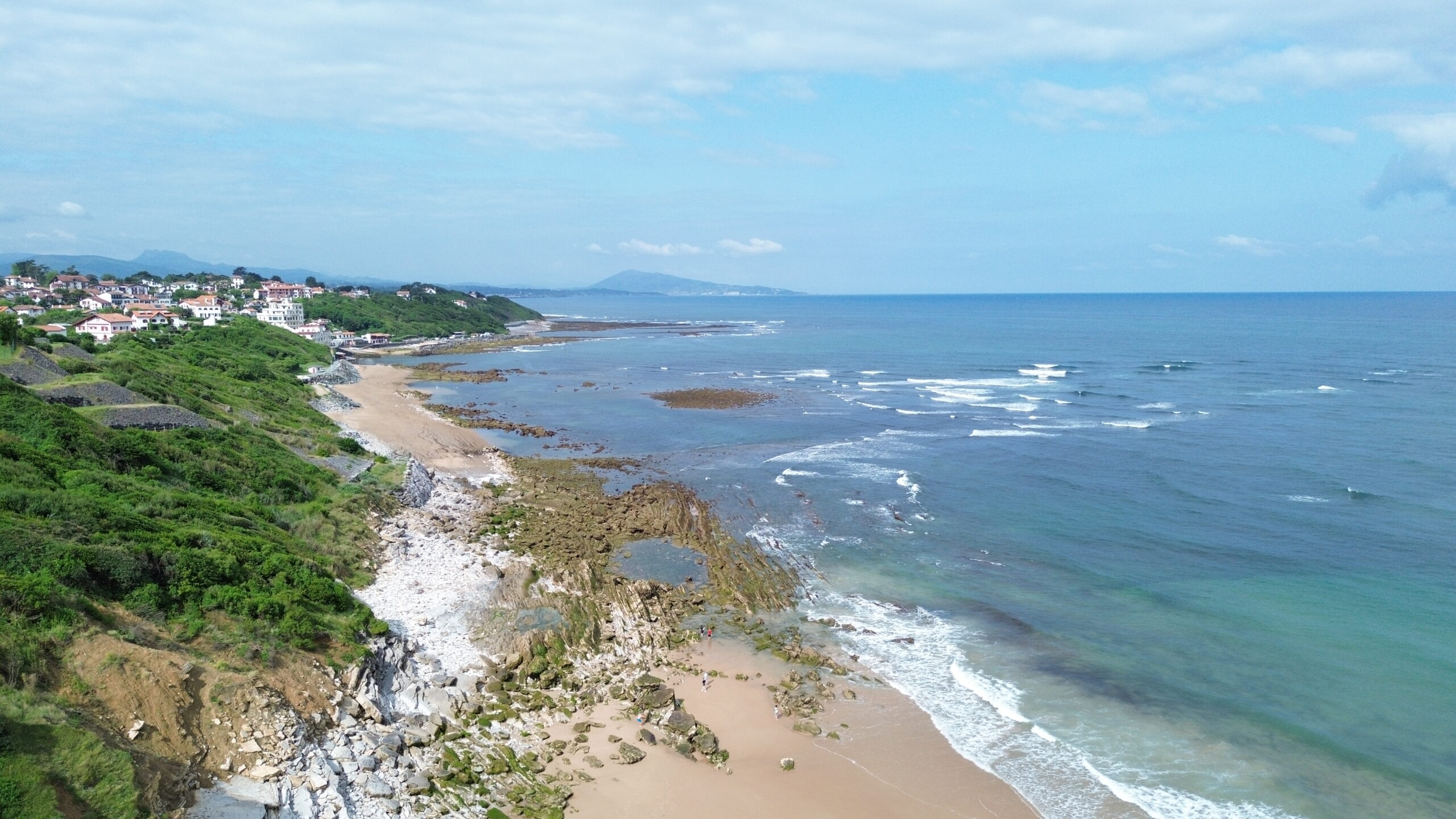
One day brought some light onshore winds, and Windy showed calmer conditions near Bidart—just south of Guéthary. So we drove 45 minutes and entered a whole different world.

Rolling hills, tucked-away beaches, and a laid-back vibe. We scored two solid sessions. Waves looked small from the beach, but once in, it was fun and playful (0.9m at 9s).

Guethary

We saw kids surfing with helmets (totally logical with those rocky reefs) and soaked up the village atmosphere near the beach and tiny harbor at Plage Centrale.

We wrapped it up at Uhabia, a small beach with a shortbreak-style wave—perfect for a last mini session.

Spot Info: Bidart (Uhabia & Plage Centrale)

  • Type: Reef & beach combo

  • Best Swell Direction: W to NW

  • Best Wind Direction: E to SE

  • Tide: Incoming to mid and semi high

  • Level: Intermediate (due to rocks and shortbreak)

  • Watch out: Rocks under the surface and rip currents at high tide

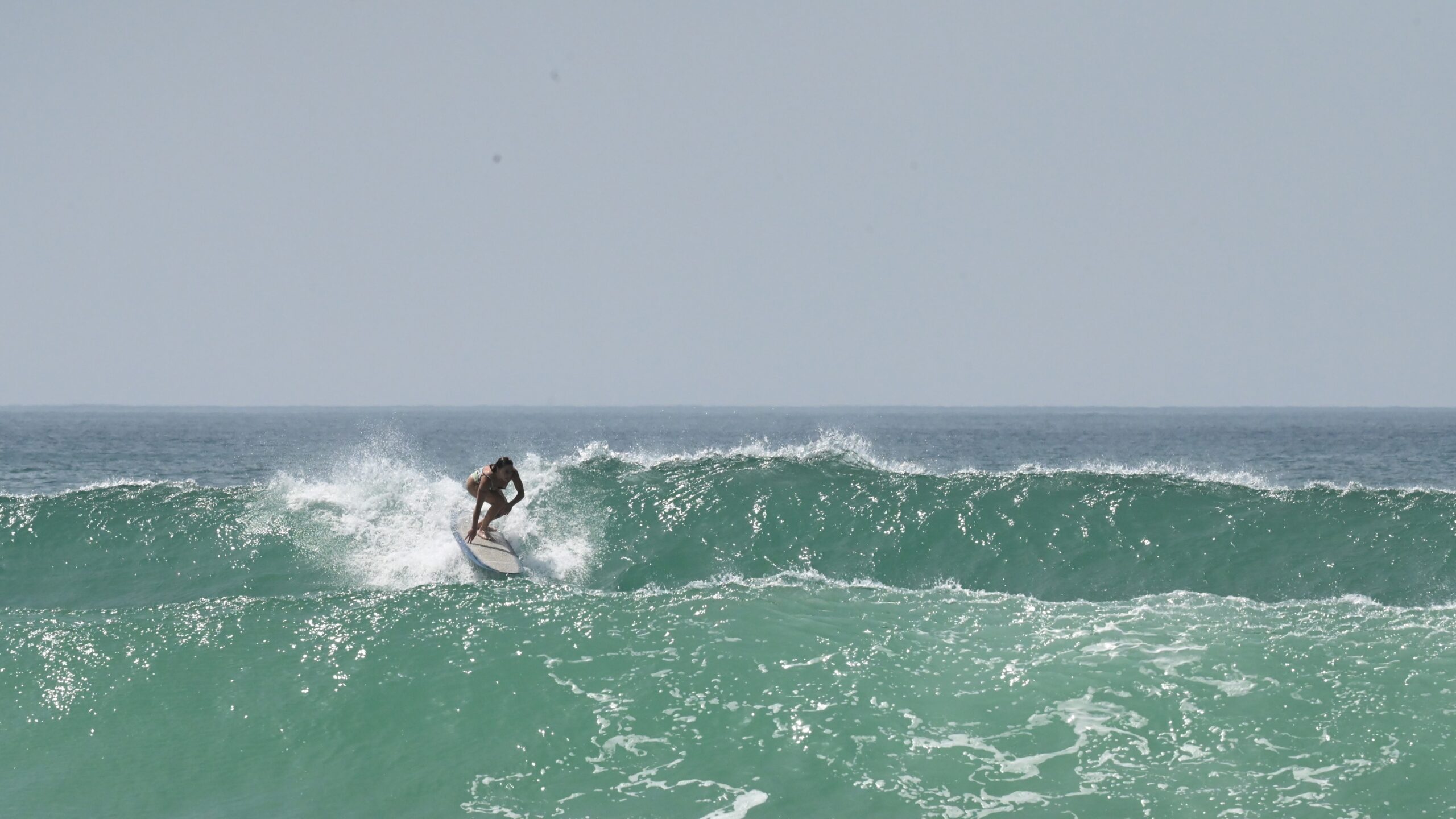
Back in Seignosse, we finished the day with a sunset surf. The wind had dropped. That golden light shining through the lip of the wave, crystal-clear water… one for the memory books.

Seignosse longboard

A few things we noticed

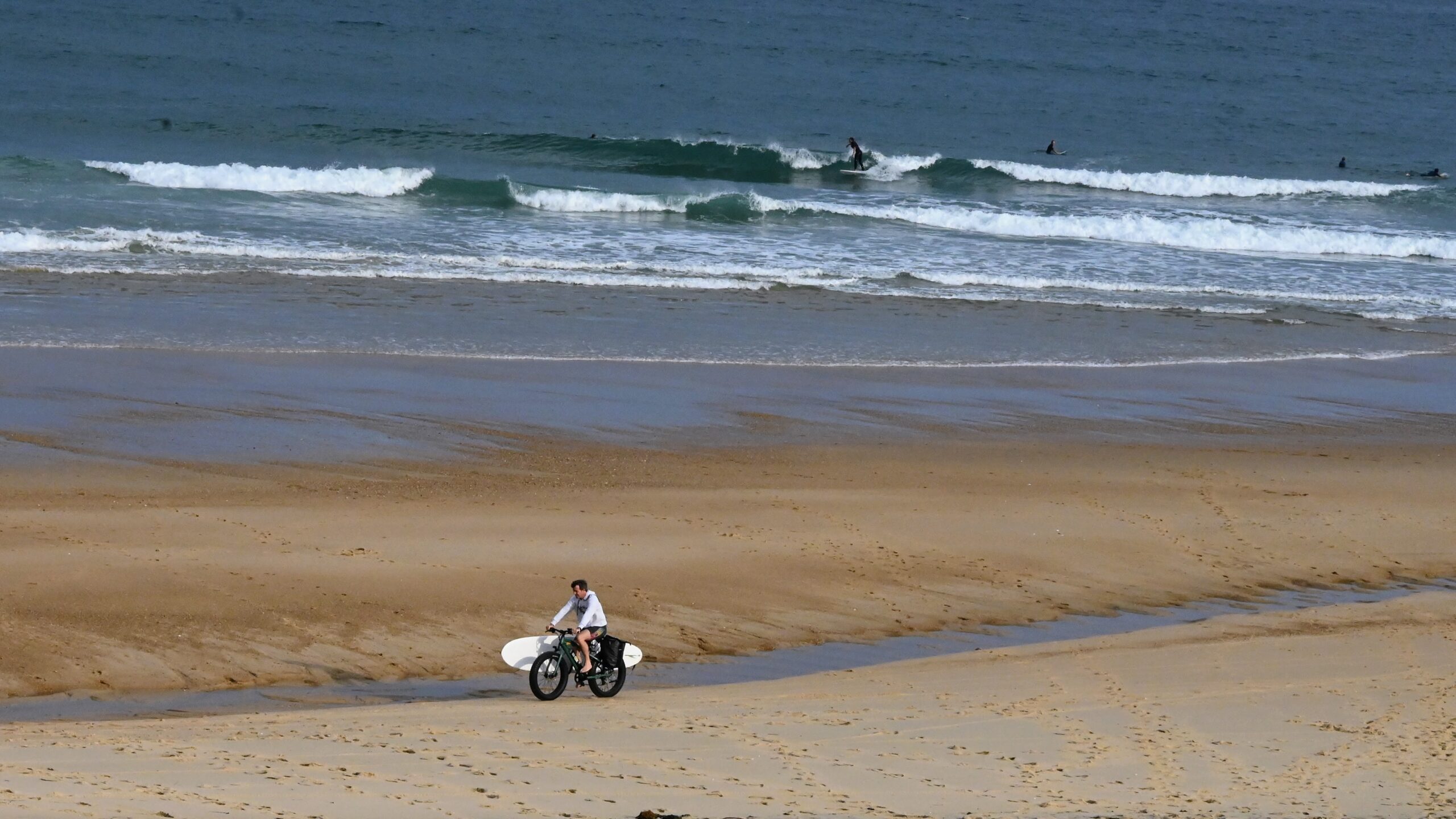
  • Fatbikes everywhere: Surfers cruising over the beach with boards in side racks. Looks like the new normal.

fatbikes beach

  • Helmets in the water: More and more surfers—kids and adults alike—are wearing them.

The morning we didn’t paddle out

On our final morning, we stood at Les Bourdaines again. No wind. Swell had picked up. Perfect, long, clean lines.

Bourdaines point

But we were tired. And mostly—just deeply satisfied. So instead of paddling out, we snapped some pics for this post, grabbed a croissant, and started the drive back to the Netherlands.

Yes, including the usual Paris traffic jam.

paris traffic

But also: with a head full of sun, surf, and a few unexpectedly perfect sessions.

Where We Stayed

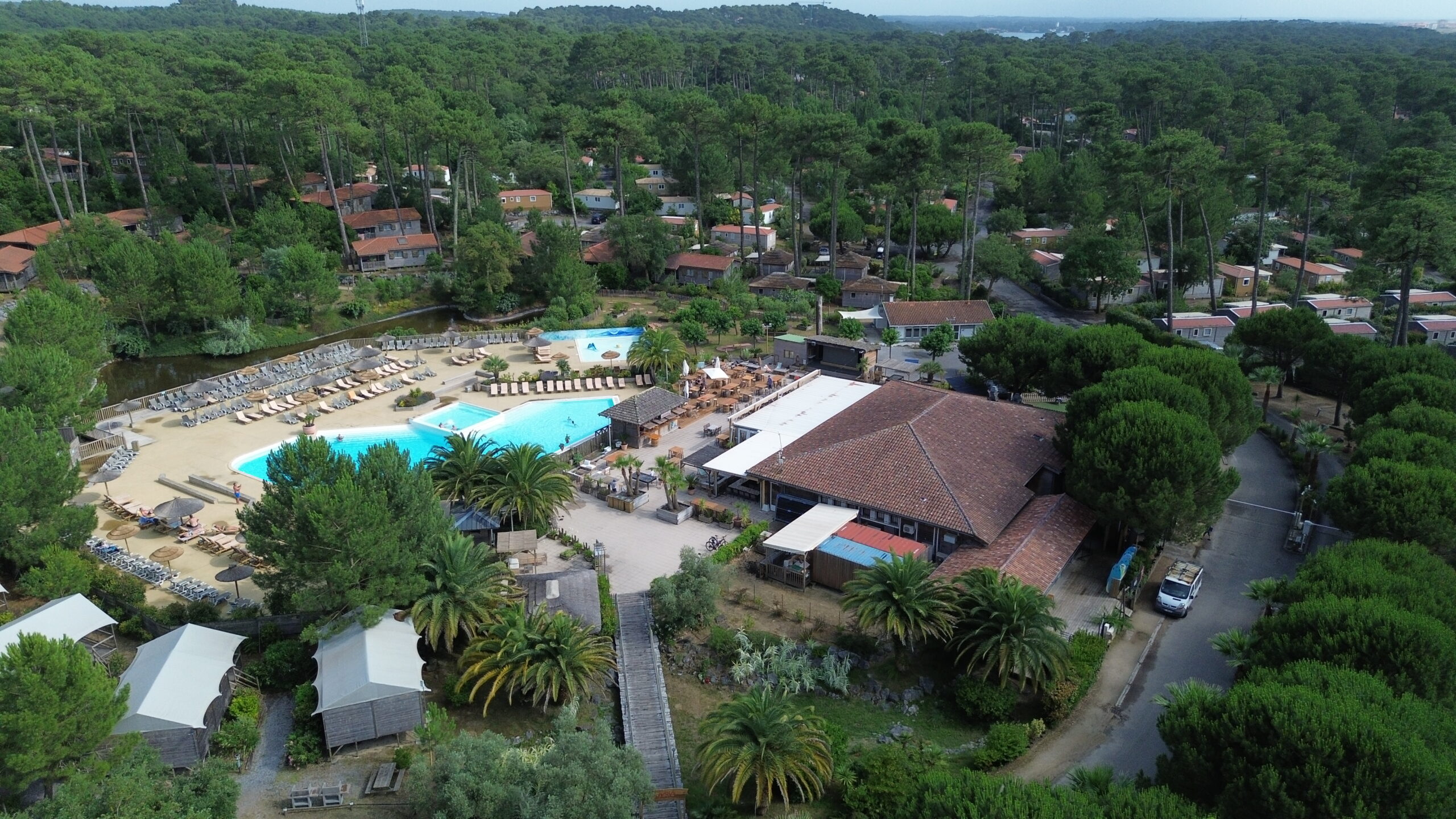
Camping Naturéo – A luxury surf campground in Seignosse with an on-site surf school, pool, and lodge tents. Perfect if you like your surf trips with a touch of comfort.

Natureo

Read the full review here »

Surf Lessons in Seignosse?

Looking for a more personal surf school than the one on the campground?
Check out Coco Surfschool by Annelies. She keeps her lessons small—max 6 people—and super flexible.
Visit the website here »

Planning a surf trip to France?
Check out our Surf Guide to South West France – 70 pages of surf tips, 35+ surf spots & stays from the Vendée to the Basque Country.

Wetsuits 2025: The Ultimate Guide to Brands, Innovations & Tips

Looking for the perfect wetsuit for your surf sessions in 2025? You’re in the right place. This guide is for surfers who care about quality, comfort, and sustainability. Whether you’re buying your first suit or upgrading to a high-performance model, we’ll help you make an informed decision.

We compared over 20 brands and dive into stretch, warmth, seam technology, and eco-innovations. Explore the world of modern wetsuits.

Quick summary for busy readers that need to get into the water

In 2025, top wetsuits stand out for their combination of ultra-flexible materials (like Yamamoto limestone neoprene or Technobutter 4), thermal linings (such as Graphene or Celliant), and fully sealed seams with liquid or taped finishes. Eco-friendly alternatives like Yulex (natural rubber) are on the rise, matching performance standards without compromising sustainability.

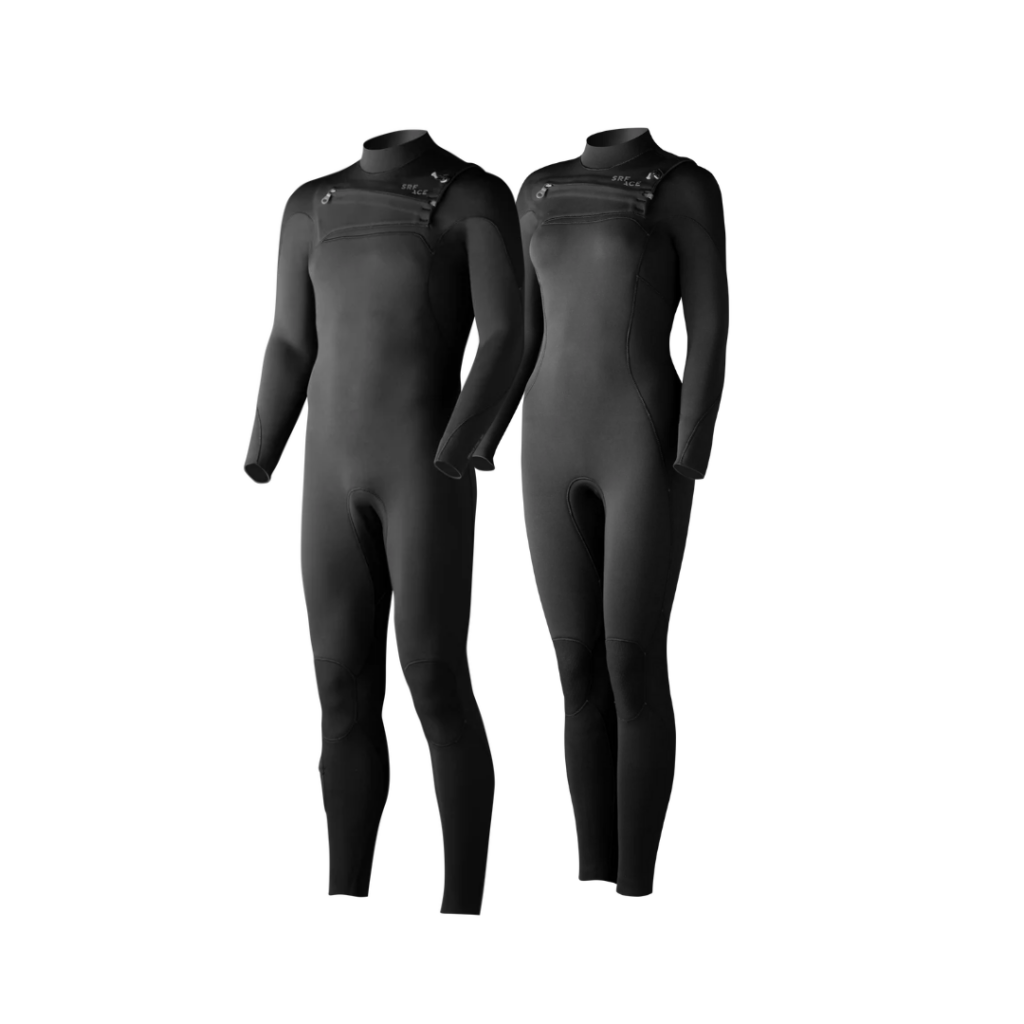
Leading brands include Rip Curl, O’Neill, Billabong, Xcel, and Patagonia, while innovators like SRFACE, Need Essentials, Wildsuits, and Deeply are shaking up the market with affordable high-tech options. Our personal favorite? The SRFACE Remix 4/3mm — a premium-level wetsuit at a fair price.

Top 3 wetsuit picks for men, women & kids

Men:
1. Billabong Furnace Natural – Excellent combination of eco materials and warmth with graphene lining.
2. O’Neill Hyperfreak – High performance with Technobutter 4 neoprene and minimal seams.
3. SRFACE Remix – Outstanding value, great all-rounder for serious cold-water surfers.

Women:
1. Patagonia R2 Yulex – Fully neoprene-free, warm, and built to last — ideal for eco-conscious surfers.
2. Roxy Syncro – Affordable, well-designed women’s wetsuit with solid GBS seams and good warmth.
3. SRFACE Heat  – High-quality suit with thermal lining and excellent fit at a competitive price.

Kids:
1. O’Neill Youth Epic – Durable and warm suit, great for extended water time.
2. Olaian Shorty for summer (2/2)– Perfect entry-level summer suit for casual beach days.
3. Rip Curl Dawn Patrol Youth for winter (5mm)– Reliable winter wetsuit for ambitious young surfers.

Scroll down for the full guide or use the menu above to jump straight to the section that interests you most.


Recent developments in wetsuits (2020–2025)

The past five years have seen major leaps in wetsuit innovation. Sustainability is now a central focus. Brands like Patagonia and Picture Organic are leading the way with natural rubber (Yulex) and recycled materials that aim to replace traditional neoprene. Others, like Billabong, have followed with eco-conscious lines. High-performance materials such as Yamamoto limestone neoprene and graphene-infused linings make wetsuits warmer and more flexible than ever. Seamless construction, improved seals, and zip-free designs are also gaining popularity for enhanced comfort and mobility.

Types of wetsuits

There are several common wetsuit styles: fullsuits (long arms and legs, ideal for cold water), springsuits (shorter arms or legs for warmer conditions), long johns, and wetsuit tops. The right choice depends on water temperature, the season, and your surf style. A 4/3mm or 5/4mm fullsuit is best for autumn to winter, while a 2mm shorty is perfect for summer. Hooded suits are designed for freezing temperatures. Many brands also offer gender-specific cuts and youth sizes.

wetsuit guide

Key quality factors to consider

Flexibility: High-end wetsuits use premium materials like Yamamoto neoprene or Technobutter 4, which stretch easily without losing shape.
Seams: Entry-level wetsuits often use flatlock stitching, which is less water-resistant. Mid to high-end models use glued and blind-stitched (GBS) seams, often with internal taping or liquid sealing for extra warmth.
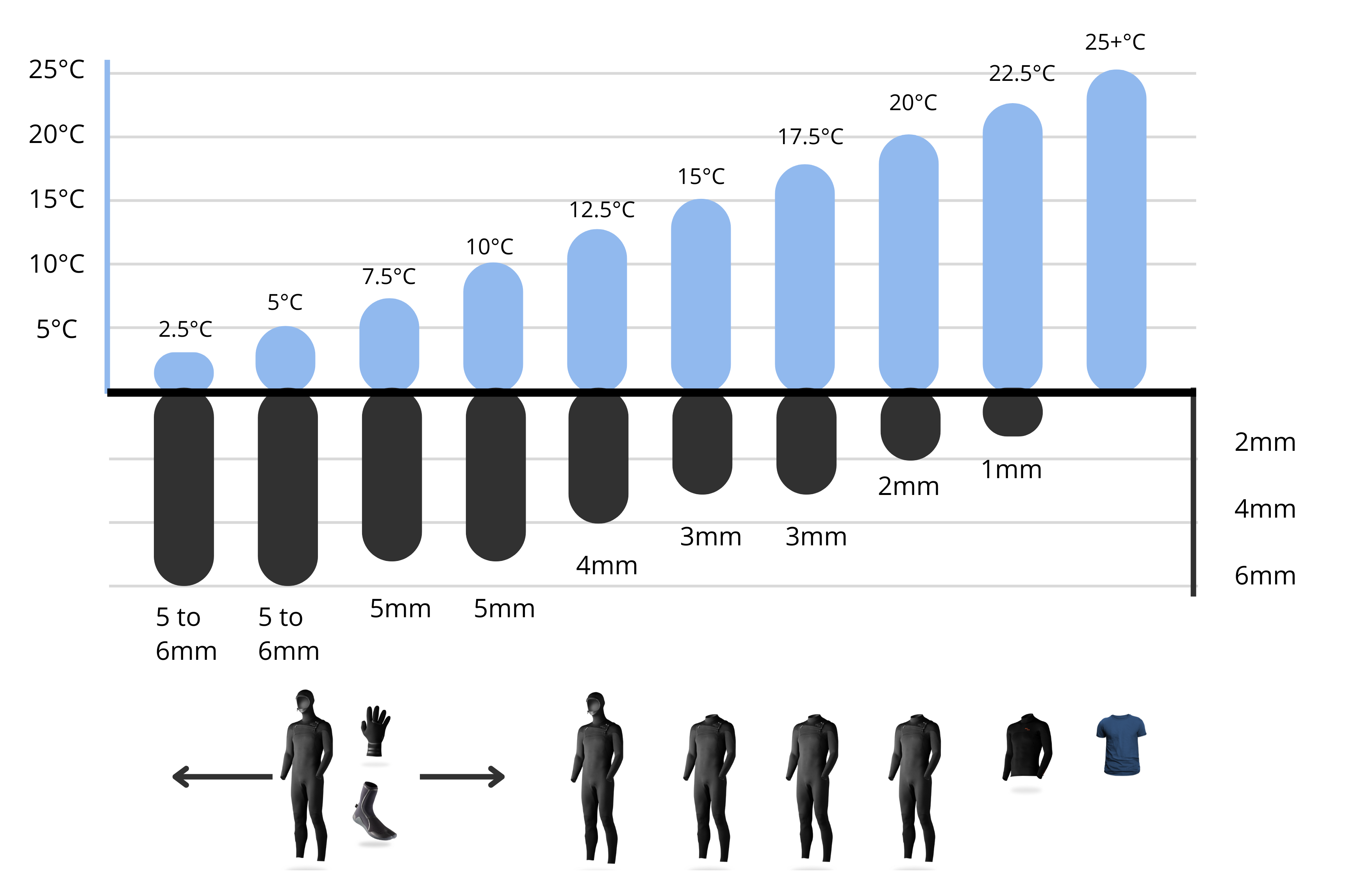
Thickness: Choose 3/2mm for summer, 4/3mm for spring and autumn, and 5/4mm or thicker for winter conditions.
Fit & Comfort: A wetsuit should fit snugly but not restrict movement. Look for anatomical panels and minimal seam construction for better flexibility.
Lining: Thermal linings like fleece, graphene, or Celliant retain heat and speed up drying time, improving comfort in colder sessions.

Well-Known wetsuit brands in 2025

Patagonia: Known for their outdoor apparel, Patagonia has been a wetsuit player since the early 2000s with a strong focus on sustainability. They shook the market by abandoning neoprene entirely — all their wetsuits are now made from Yulex natural rubber. Models are labeled R1, R2, R3, R4 depending on water temperature needs. The R4 Yulex, for example, is a thick winter wetsuit made for frigid conditions. Their construction is impressive: triple glued, blind-stitched, and fully taped seams. Some older models even had external taping, though newer versions removed it to improve flexibility.

O’Neill: The inventor of the wetsuit and still a global leader. The Hyperfreak series is beloved for its extreme comfort, powered by Technobutter 3 or 4 — some of the stretchiest neoprene around. O’Neill leans into performance more than eco credentials, although their Blueprint series is more eco-conscious. Solid value, wide range for men, women, and kids.

Rip Curl: This Australian brand pushes innovation with suits like the Flashbomb Heatseeker and E-Bomb, known for their fast-drying flash lining and E7 neoprene. Ideal for surfers who want to surf multiple sessions per day. Rip Curl also offers an Eco line with recycled linings and water-based adhesives.

Billabong: Blends progressive technology like Graphene lining with sustainability. The Furnace Natural model is fully neoprene-free, using Yulex, recycled interiors, and solvent-free glue. With stylish cuts and bold designs, it remains popular among younger surfers.

SRFACE: A direct-to-consumer brand from the Netherlands and Belgium, offering premium Japanese limestone neoprene at competitive prices. The SRFACE Remix is a top performer loved by experienced surfers. Their sizing tool and eco-options make them a smart, transparent brand.

Xcel: A Hawaii-based company known for warm, winter-ready suits. Their TDC lining and Drylock tech make them a favorite in colder regions. They focus less on eco-marketing and more on technical thermal performance.

Picture Organic: A French brand that focuses heavily on environmentally responsible production. Their wetsuits use Eicoprene (a limestone + natural oil blend) instead of neoprene, with solvent-free glue and recycled lining. Their aesthetic is bold and modern — you can tell it’s not just another surf brand.

New and emerging wetsuit brands

Wildsuits (France): An eco-driven brand using recycled materials and limestone neoprene. Designed in France and manufactured in Morocco, Wildsuits offers good warmth and flexibility at a fair price. They’re quickly gaining traction in the European market with a strong community feel.

Deeply (Portugal): Known for stylish and affordable wetsuits that integrate modern tech like graphene linings. Deeply’s products combine good stretch, warmth, and smart cuts — ideal for both beginners and seasoned surfers on a budget.

Soöruz (France): Pioneers in Naturalprene (made from rubber tree latex), algae-based foams, and bio-sourced glues. Soöruz continues to push the envelope in sustainable surf gear, including wetsuits designed for cold-water performance with a green conscience.

Manera (France): Focused on ergonomic fit and long-lasting durability, Manera’s suits are designed using 3D modeling to maximize comfort and freedom of movement. Though not always eco-labeled, the brand is known for quality and innovation.

Need Essentials (Australia): Offers minimalist, unbranded wetsuits at a fraction of the usual price by cutting out retail markups. The focus is on performance, warmth, and durability, with fewer aesthetic frills — great value for core surfers.

Vissla (USA): Surfing with soul — Vissla’s eco-conscious wetsuits use limestone neoprene, Dope Dyed yarns, and recycled linings. They offer progressive styling and solid tech for surfers who care about performance and the planet.

SRFACE (NL/BE): Though already mentioned among big brands, their fresh take on direct-to-consumer innovation and eco-packaging still places them among standout new brands shaping the wetsuit landscape.

Sustainable materials vs. traditional neoprene

Yulex: A plant-based natural rubber that has become the benchmark for eco-friendly wetsuits. Brands like Patagonia have adopted Yulex across their entire wetsuit line. It performs almost identically to traditional neoprene in terms of flexibility and warmth, but with a significantly reduced environmental footprint.

Limestone Neoprene: Mined from limestone rock, this version is more durable and water-resistant than petroleum-based neoprene. Though not renewable, it’s considered a less harmful option and widely used in high-end wetsuits from brands like SRFACE, Xcel, and O’Neill.

Recycled Linings & Solvent-Free Glues: Many brands now use recycled polyester (from plastic bottles) in inner linings and switch to water-based or solvent-free glues, further reducing chemical impact.

Naturalprene, Ecoprene & Others: Smaller brands such as Soöruz and Picture Organic explore even newer materials like algae-based foams or Naturalprene (a renewable rubber compound) in their most eco-advanced suits.

Overall, sustainable wetsuits are no longer a compromise. In 2025, they offer top-tier performance while helping reduce the environmental cost of surfing.

Entry-level, mid-range & premium Wetsuits

Entry-Level: These are the most budget-friendly wetsuits, ideal for beginners, casual surfers, or as a backup summer suit. Entry-level suits (typically €50–€150) use standard neoprene that has less stretch. Seams are often flatlock or basic glued-blind-stitched without tape. You won’t get plush linings—just basic nylon jersey interiors. Examples: O’Neill Reactor II, Rip Curl Omega, Quiksilver Prologue, Billabong Absolute 3/2. Perfect for warm conditions or short sessions. Pros: Low price, gets the job done. Cons: Less flexible and warm, shorter lifespan (2 seasons with heavy use), and less water resistance.

Mid-Range: In this tier (€150–€300), you get a major upgrade in performance. These suits typically feature GBS seams and some taping or liquid sealing in stress areas. Neoprene is higher quality (like Superstretch or Limestone), offering significantly better flexibility. You’ll often see thermal panels on the chest and back. Suited for most conditions faced by average surfers. Examples: Rip Curl Dawn Patrol, Xcel Comp, O’Neill Hyperfreak (non-Firewall), Billabong Furnace Absolute. Pros: Excellent value — noticeable improvement in warmth and comfort. Cons: Not top-tier materials, pros will notice differences. Some luxury features may be missing (like full taping or ultra-lightweight foam).

Premium: This is the high-performance tier (€300–€600+). These are flagship suits loaded with cutting-edge tech: ultra-stretch Japanese neoprene, fully taped or welded seams, unique linings throughout, 3D anatomical paneling, and zipperless designs. Examples: Patagonia R4 Yulex, Rip Curl Flashbomb Heatseeker, O’Neill Psychotech / Hyperfreak Fire, Xcel Drylock, Billabong Furnace Natural, SRFACE Remix. Even thick 5/4 hooded suits in this category feel surprisingly light and stretchy. Pros: Maximum comfort (feels like a second skin) and ideal for long sessions in cold water. Cons: Expensive. Requires proper care (rinsing, drying flat). High-tech materials can be more fragile, but when treated well, premium suits last multiple heavy-use seasons.

Comparison table by brand

Brand Flexibility Warmth Seams & Finish Sustainability Top Models
O’Neill Very high (Technobutter 4) High (Firewall lining) GBS + taping, zipless options Good (Blueprint series) Hyperfreak, Psycho Tech
Rip Curl Very high (E7 neoprene) Very high (Flash lining) GBS + liquid seal Moderate (recycled lining) Flashbomb, E-Bomb
Patagonia High (Yulex, improved) Very high (merino/thermal lining) Triple GBS + full tape Excellent (100% neoprene-free) R2, R3, R4
SRFACE Very high (Yamamoto) High (Thermal lining) GBS + taped critical seams Good (eco option) Remix, Heat
Billabong High (Airlite foam) Very high (Graphene lining) GBS + internal tape Excellent (Furnace Natural) Furnace, Absolute
Xcel High (Nanoprene Lite) Very high (TDC lining) Full tape + Drylock seals Good (limestone neoprene) Drylock, Comp
Decathlon Basic (entry neoprene) Basic (no lining) Flatlock / basic GBS Improving (recycled elements) Olaian 100, 500, 900

Top 3 wetsuit picks for men, women & kids

Men:
1. Billabong Furnace Natural – Excellent combination of eco materials and warmth with graphene lining.
2. O’Neill Hyperfreak – High performance with Technobutter 4 neoprene and minimal seams.
3. SRFACE Remix – Outstanding value, great all-rounder for serious cold-water surfers.

Women:
1. Patagonia R2 Yulex – Fully neoprene-free, warm, and built to last — ideal for eco-conscious surfers.
2. Roxy Syncro – Affordable, well-designed women’s wetsuit with solid GBS seams and good warmth.
3. SRFACE Heat  – High-quality suit with thermal lining and excellent fit at a competitive price.

Kids:
1. O’Neill Youth Epic – Durable and warm suit, great for extended water time.
2. Olaian Shorty for summer (2/2)– Perfect entry-level summer suit for casual beach days.
3. Rip Curl Dawn Patrol Youth for winter (5mm)– Reliable winter wetsuit for ambitious young surfers.

Sources for this wetsuit research:

  • Product information and specifications from Rip Curl, O’Neill, Billabong, Patagonia, Xcel, SRFACE, C-Skins, Need Essentials, Picture Organic

  • Updates on wetsuit innovations from 2020–2025 via Surfline, Stab Magazine, and The Inertia

  • Brand pages and technical manuals from Yulex, Yamamoto, NaturalPrene, Limestone Rubber

  • User reviews from the Boardshortz community, Reddit r/surfing, YouTube gear reviewers, and surf shops such as SurfDome, Euroglass, Decathlon, and Surfd.nl

  • Personal usage experience.

The 12 best longboard surf spots in France

France is a paradise for longboarders, if you know where to go and when.

With mellow beach breaks, wide sandy beaches and laid-back vibes, there are plenty of spots where you can stylishly carve your lines.

Here you’ll find the 12 best longboard surf spots in France, including: ideal conditions per spot, recommended campsites and guesthouses, and seasonal wetsuit advice.

Check out all French surf spots here.

What makes a spot good for longboarders?

You can recognize a good longboard spot by the following:

  • Long, gradual waves: No abrupt close-outs

  • Less strong currents: So you can paddle back easily

  • Space in the water: No crowded line-ups full of shortboarders claiming every wave

  • Gentle take-off: Waves that build slowly are easier to time with a longboard

Why go longboarding in France?

Whether you’re trying your first hang-five or you love those classic stylish rides across mellow walls—France has it all.

From sheltered bays in Brittany to wide sandbanks in Les Landes, there’s always a spot with soft, long waves that are perfect for your log.

Bonus: Many of these spots are family-friendly and ideal for surf trips with kids.

Overview: Best French longboard spots + conditions & tips

For each spot, you’ll find:

  • Best conditions (swell direction, wind, and tide)

  • Required swell height and power

  • Seasonal wetsuit advice

  • Accommodation tips (campsite and guesthouse)

We’ve gathered all the info you need to plan your next surf trip with ease.

Looking for the best waves in France?
Our digital surf guide maps out 35+ spots, longboard-friendly breaks and hidden gems – all in one easy download.

Here they are; the 12 longboard surf spots in France

1. Mimizan Plage (Les Landes)

Swell: W / NW | Wind: E | Tide: Mid
Ideal swell: 0.8 – 1.5m, 8–12s

Wetsuit advice:

  • Summer: 3/2mm in the morning, otherwise 2/2mm or even boardshorts on hot days

  • Fall/Spring: 4/3mm

  • Winter: 5/4mm + boots and hood

Accommodation:

2. La Torche (Brittany)

Swell: W / SW | Wind: E | Tide: Best at mid
Ideal swell: 1 – 1.8m, 10–14s

Wetsuit advice:

  • Summer: 3/2mm shorty

  • Fall/Spring: 4/3mm

  • Winter: 5/4mm + boots and hood

Accommodation:

3. Hendaye (Basque Country)

Swell: W / NW | Wind: NE | Tide: Low to mid
Ideal swell: 1 – 2m outside, 0.5 – 1.2m inside the bay

Wetsuit advice:

  • Summer: 3/2mm in the morning, otherwise 2/2mm or boardshorts

  • Fall/Spring: 4/3mm

  • Winter: 5/4mm (+ boots and hood on cold days)

Accommodation:

  • Camping: Camping Ametza

  • Guesthouse: Hotel La Marisa (Rated 9.1 on Booking!)

4. Les Dunes – Brétignolles (Vendée)

Swell: W / WNW | Wind: E / SE | Tide: Mid
Ideal swell: 0.7 – 1.5m, 9–12s

Wetsuit advice:

  • Summer: 3/2mm

  • Fall/Spring: 4/3mm

  • Winter: 5/4mm + boots and hood

Accommodation:

5. Le Phare – La Tranche-sur-Mer (Vendée)

Swell: W / SW | Wind: NE / W | Tide: Mid to high
Ideal swell: 0.8 – 1.6m, 10–13s or 1.8–2.5m, 12–15s from W/NW

Wetsuit advice:

  • Summer: 3/2mm

  • Fall/Spring: 4/3mm

  • Winter: 5/4mm + boots and hood

Accommodation:

6. Saint-Girons Plage (Les Landes)

Swell: WNW / NW | Wind: E / NE | Tide: Mid
Ideal swell: 0.8 – 1.4m, 9–12s

Wetsuit advice:

  • Summer: 3/2mm in the morning, otherwise 2/2mm, or even boardshorts on hot days

  • Fall/Spring: 4/3mm

  • Winter: 5/4mm + boots and hood

Accommodation:

7. Soulac-sur-Mer (Gironde)

Swell: W | Wind: E / SE | Tide: Mid to high
Ideal swell: 0.6 – 1.3m, 8–10s

Wetsuit advice:

  • Summer: 3/2mm in the morning, otherwise 2/2mm, or even boardshorts on hot days

  • Fall/Spring: 4/3mm

  • Winter: 5/4mm + boots and hood

Accommodation:

8. Les Blancs Sablons (Northern Brittany)

Swell: WNW | Wind: E / NE | Tide: Mid
Ideal swell: 0.8 – 1.5m, 10–13s

Wetsuit advice:

  • Summer: 3/2mm

  • Fall/Spring: 4/3mm

  • Winter: 5/4mm + boots and hood

Accommodation:

9. Moliets-et-Maa (Les Landes)

Swell: W / NW | Wind: E / SE | Tide: Mid
Ideal swell: 0.8 – 1.5m, 9–11s

Wetsuit advice:

  • Summer: 3/2mm in the morning, otherwise 2/2mm, or boardshorts

  • Fall/Spring: 4/3mm

  • Winter: 5/4mm + boots and hood

Accommodation:

10. Saint-Pierre-Quiberon – Penthièvre (Brittany)

Swell: SW / W | Wind: E / NE | Tide: Mid
Ideal swell: 0.7 – 1.4m, 10–12s

Wetsuit advice:

  • Summer: 3/2mm

  • Fall/Spring: 4/3mm

  • Winter: 5/4mm + boots and hood

Accommodation:

11. Cenitz (Basque Country)

Swell: W / NW | Wind: NE | Tide: Mid to high
Ideal swell: 0.8 – 1.6m, 10–13s

Wetsuit advice:

  • Summer: 3/2mm in the morning, otherwise 2/2mm, or even boardshorts

  • Fall/Spring: 4/3mm

  • Winter: 5/4mm + boots and hood

Accommodation:

12. Guéthary (Basque Country)

Swell: NW / W | Wind: E / NE | Tide: High
Ideal swell: 1 – 2m, 12–15s
Wetsuit advice:

  • Summer: 3/2mm in the morning, otherwise 2/2mm, or boardshorts

  • Fall/Spring: 4/3mm

  • Winter: 5/4mm + boots and hood

Accommodation:

More about surfing in Guéthary


Want to know more about surfing in France?

Curious which wetsuit you need or how to read a surf forecast?


Exclusive SRFACE Wetsuits Discount

Always 10% off all SRFACE wetsuits when you order
via this link
The discount is automatically applied at checkout!

SRFACE Wetsuits


Surfing in April? Where and when to go in Europe.

Surfing in April offers surfers a range of possibilities within Europe and Morocco.

Whether you’re a beginner looking for mild waves or an advanced surfer taking on powerful breaks, there’s something for everyone. On this page, we’ll guide you through the best surf spots, categorized by skill level and preference for sun and warmth.

Surfing in April, an introduction

April, the month in which Europe slowly awakens from its winter sleep, offers surfers a perfect period to catch the first real waves of the year. Like a flower opening to the sun, the European and Moroccan coasts unfold with endless possibilities for every surfer.

Whether you long for North African sunshine or prefer to dive into the fresh Atlantic swell – April is a playground for surfers.

April is a month to cherish: less crowded line-ups, better accommodation prices, and wonderful waves.

SURFER’S TIP
In April, you can often surf with just a 3/2mm wetsuit in Morocco,
while you still need booties in Northern Spain.

Legend:

– ‍♂️ Suitable for longboard
– ‍♀️ Suitable for shortboard
– ️ Water temperature in April

Surf spots in April for beginning surfers

Catching your first waves. As a beginning surfer, April offers good conditions on many European beaches.

For sun worshippers

Praia do Amado, Algarve (Portugal) ️ approx. 16°C ‍♂️‍♀️

This is an ideal learning spot with consistently smaller waves. With water temperatures around 16-18°C, you’ll need a 3/2mm wetsuit. The wide beach provides space for beginning surfers, and there are several surf schools present. *Suitable for: longboard and shortboard*

Praia da Arrifana, Portugal ️ approx. 16°C ‍♂️(+) ‍♀️(-)

Arrifana is a beautiful sheltered bay with a sandy bottom and cliffs on both sides. Waves break calmly and predictably. Beginners feel safe here thanks to shallow water, good surf schools, and a relaxed vibe. Suitable for: mainly longboard, shortboard during larger swells.

Famara Beach, Lanzarote ️ 19-20°C ‍♂️(++) ‍♀️

Famara stretches over 6 kilometers with soft, gradual waves. With water temperatures around 19-20°C and air temperatures above 20°C, a thinner wetsuit is sufficient. Suitable for: ideal for longboard, also suitable for shortboard during larger swells

The Bay, Imsouane (Morocco) ️ 18-19°C ‍♂️(+++) ‍♀️(-)

The Bay is known for its extremely long, slow waves that are perfect for practicing standing up. With rides sometimes lasting 30-60 seconds, you get plenty of time to practice. Water temperature is around 18-19°C. Suitable for: perfect for longboard, less suitable for shortboard.

Panorama Beach, Morocco ️ 18-19°C ‍♂️(++) ‍♀️

Panorama has a wide beach with sandy bottom and calm, predictable waves. Ideal for absolute beginners and children. Protected against strong winds, causing waves to break long and friendly. Good infrastructure with beach bars and surf schools. Suitable for: longboard, beginning shortboarders

Banana Point, Morocco ️ 18-19°C ‍♂️(++) ‍♀️

offers calm, slow right-hand waves that run over a sandy bottom and some rocks. Waves are gentle, predictable, and consistent. Perfect for finding balance and practicing first turns. Suitable for: mainly longboard, shortboard in larger conditions.

Less warm locations in April for beginners

Playa de San Vicente (Cantabria) ️ 14-15°C ‍♂️(+) ‍♀️

Beautiful bay with calm waves. Sandy bottom and sheltered location provide clear waves, ideal for practicing basic skills like paddling and standing up. Less crowded than Somo. Suitable for: both board types, longboard has an advantage.

Moliets, France ️ 14-15°C ‍♂️ ‍♀️

Moliets welcomes you with open arms if temperature isn’t your top priority. Here, it seems as if Neptune himself shaped the sandy bottoms – with soft, sloping contours that create predictable, friendly waves. Expect water temperatures around 13-15°C; a wetsuit is necessary. Suitable for: both board types

La Côte des Basques, Biarritz, France ️ 15°C ‍♂️(++) ‍♀️(-)

This is not just any surf spot; This beach has a rich surfing history and is accessible for beginners, especially at low to mid tide. Facilities such as surf schools and rentals are well-organized. Water temperature in April: 13-15°C. Suitable for: excellent for longboard, less ideal for shortboard.

Also check: which wetsuit is needed in France?

For intermediate surfers: the next step

Surfers at an intermediate level look for spots with more power, length, and variation in the waves, but without extreme risks. April offers excellent options for this in both Europe and Morocco.

That said, the above-mentioned spots for beginners are of course also nice surf spots for intermediates.

The warm(er) destinations

Ribeira d’Ilhas, Ericeira (Portugal) ️ 16-18°C ‍♂️ ‍♀️(+)
A popular right-hand pointbreak with long, well-defined waves. Ideal for practicing turns and making longer rides. Suitable at different tides. In April, the water temperature is around 16-18°C. Suitable for: both board types, longboard for smaller swells, shortboard for larger conditions.

>> Check surfing in Ribeira d’Ilhas

Baleal (Peniche) ️ 16-17°C ‍♂️ ‍♀️
Varied beachbreak with different peaks. Average waves, friendly atmosphere, and clear conditions make this a great place to practice new moves and surf comfortably. Suitable for: both board types, versatile spot.

El Cotillo, Fuerteventura ️ 19°C ‍♂️(-) ‍♀️(++)
Known for good beachbreaks with powerful waves. Waves offer a challenge but remain manageable thanks to sandy bottom. The atmosphere is relaxed, with many cozy cafes and facilities nearby. Suitable for: mainly shortboard, longboard possible on smaller days.

>> Check more surf spots in Fuerteventura

Devil’s Rock, Tamraght (Morocco) ️ 19°C ‍♂️(-) ‍♀️(++)
Constant beach and reef breaks with sufficient power and length. There are multiple peaks that vary in difficulty level. The spot is less crowded than nearby Taghazout. Water temperature in April: around 20°C.  Suitable for: mainly shortboard, less suitable for longboard.

Cooler, more powerful options

Supertubos, Peniche (Portugal) ️ 16-17°C ‍♀️(+++)
Supertubos is known from the World Surf League. Less intense in April than in winter, but still with powerful beachbreaks and tubes. Only suitable for intermediates during smaller swells. Wetsuit recommended (16-17°C). Suitable for: exclusively shortboard.

Somo, Cantabria (Spain) ️ 14-15°C ‍♂️ ‍♀️
Somo is a vast beach with multiple peaks. Suitable at different tides. Relatively calm in April, with water around 14-15°C. A good place to gain more control in variable conditions. Suitable for: both board types, “Malibu” section especially for longboarders.

For advanced surfers: challenging conditions in April

Advanced surfers are looking for more technical and powerful waves. Think reef or pointbreaks with higher speeds, barrels, or complex sections. In April, there are various spots in Europe and Morocco where you can find that – often with less crowd than during high season.

Warm destinations

Anchor Point, Taghazout (Morocco) ️ 19-20°C ‍♂️ ‍♀️(++)
Anchor Point is one of the most famous right-hand pointbreaks in North Africa. The waves here can be up to 500 meters long and break with high speed. Only suitable with sufficient swell and with experience in crowded line-ups. Water temperature in April: 19-20°C. Suitable for: both board types, optimal for shortboards.

Killer Point, Taghazout (Morocco) ️ 19-20°C ‍♂️ ‍♀️(++)
Killer Point breaks over reef and delivers powerful, fast rides with sections for quick turns. Requires experience due to the reef and intensity during larger swells. Less crowded than Anchor Point, but technically more challenging. Suitable for: mainly shortboard.

El Quemao, Lanzarote (Spain) ️ 19°C ‍♀️(+++)
This is a powerful reef break that is compared to Hawaiian spots. This left-hand wave offers deep tubes and powerful walls that are perfect for advanced shortboarders. Water temperatures around 19°C make it more pleasant than comparable spots in continental Europe. Suitable for: exclusively shortboard.

Discover everything about surfing around Taghazout

Carcavelos, Portugal ️ 16°C ‍♀️(+++)
Carcavelos near Lisbon is a beachbreak that produces waves ideal for aerials, snaps, and cutbacks. The tubing sections are perfect for dynamic shortboarding. Suitable for: exclusively shortboard.

Coxos (Portugal) ️ 16°C ‍♀️(+++)
Coxos north of [Ericeira](https://www.boardshortz.nl/surfen/portugal/ericeira/) is a powerful, hollow right-hand reef break, often considered Portugal’s best wave. Fast take-offs, deep barrels, sharp rocky bottom, only suitable for experienced surfers. Suitable for: exclusively shortboard.

Generally still a bit less warm in April

La Gravière, Hossegor (France) ️ 13-14°C ‍♀️(+++)
La Gravière is a shortboarder’s dream come true. This sandbar produces waves that are powerful. In April, the intensity can vary, but on the right day it still offers barrels. Suitable for: exclusively shortboard. 

>> Check surfing in Hossegor

Playa de Pantín, Galicia (Spain) ️ 13-14°C ‍♀️(++)
Pantin is known from international competitions, accessible to advanced surfers in April. Consistent beachbreak, left and right breaking waves that are ideal for improving turns and speed. Suitable for: mainly shortboard.

Destinations for pros in April

Mundaka, Basque Country (Spain) ️ 13-14°C ‍♀️(+++) ‍♂️(-)
Mundaka is a legendary left-hand barrel that breaks over a sandy bottom. Requires timing and experience with fast, hollow waves. In April, the swell can still be powerful enough, with slightly less storm conditions than in winter. Water temperature: 13-14°C. Suitable for: predominantly shortboard, very experienced longboarders can also surf it

Nazaré (Portugal) ️ 16°C ‍♀️(+++)
Nazaré is world-famous for its gigantic waves in winter, but even in April there can still be days with 4-6 meter high waves. Only for very experienced surfers with knowledge of big wave safety. Not a spot for experimenting. Water temperature: around 16°C. Suitable for: exclusively shortboards/gun.

## What to keep in mind in April

April offers an ideal combination of factors for Dutch surfers: acceptable water temperatures, consistent waves, and less crowding.

Whether you’re a beginner taking your first steps in Famara, an intermediate surfer making progress in Tamraght, or an advanced surfer braving the legendary waves of Mundaka – April in Europe and Morocco has suitable options for every level.

Consider the water temperatures when planning your trip and pack the right wetsuit. For warmer destinations such as the Canary Islands and Morocco, a 3/2mm is usually sufficient, while cooler destinations such as France and Northern Spain require a 4/3mm, possibly supplemented with booties.

Want to stay informed about the best surf spots for each season, specific travel guides, and exclusive surf updates? Subscribe to our Substack newsletter and receive Surf Love with tips for every surfer.
Exploring the surf at Osa Peninsula in Costa Rica

A Jungle Surf Adventure on video

The Osa Peninsula in Costa Rica is more than a jungle retreat—it’s a hidden gem for surfers seeking pristine, (quite) uncrowded waves in one of the world’s most biologically intense environments.

If you’re looking for an unforgettable surf experience combined with jungle exploration, this is your dream destination. And there’s no better place to stay than Encanta La Vida, a family-run ecotourism lodge that provides the ultimate surf base amidst the wild beauty of Costa Rica.

Surfing at Encanta La Vida: Perfect Waves and Pure Bliss

Encanta La Vida is set just steps away from some of the best waves on the Osa Peninsula, making it ideal for surfers of all levels.

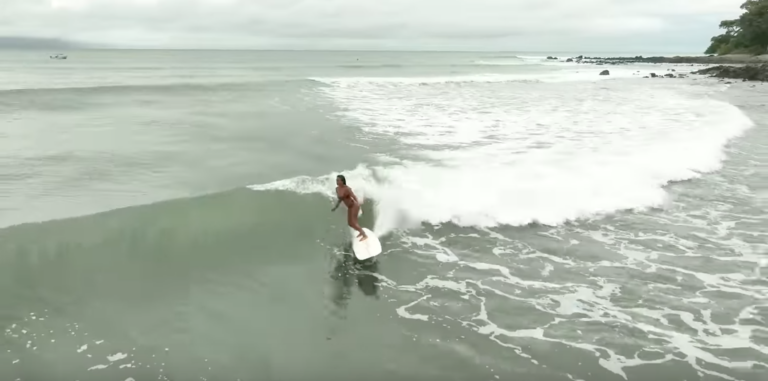
Whether you’re after the mellow, longboard-friendly waves of Pan Dulce or ready to chase something a bit more challenging, the peninsula has it all, like Matapalo and if you take a boat you can even go to Pavones.

Early mornings start with yoga at the lodge’s shala, overlooking the waves—a perfect warm-up for a day on the water. And when the surf conditions align, you can expect glassy, rolling waves that break beautifully, offering plenty of ride time and room to practice.

Jungle to Sea: A Unique Adventure

The lodge offers easy access to several breaks, each with its own unique vibe, plus breathtaking views of the coastline from the board. And when you’re ready for a break, the adventure doesn’t stop.

From whale-watching excursions to fishing for roosterfish, the peninsula provides endless possibilities. And when the waves take a pause, there’s no shortage of jungle activities—waterfall hikes, tree canopy challenges, and wildlife sightings make every moment unforgettable.

Go to the lodge Encata la Vida

See it for Yourself

Want to catch a glimpse of this surfer’s paradise? This video takes you on a journey from Encanta La Vida’s stunning lodge to the rolling waves and lush jungle adventures.

Dive into the heart of Costa Rica’s Osa Peninsula, catching wave after wave, encountering incredible wildlife, and winding down each day with amazing food and the sound of the rainforest.

If you’re a surfer, nature enthusiast, or simply seeking a new kind of adventure, this video will give you a taste of what awaits in Costa Rica.

https://youtu.be/Fc8gWbhC18g?si=OgP8KvPB4sx8ljCM

Where to surf in Europe in November?

Surfing in Europe: Your Ultimate November Guide for Intermediate Surfers

As autumn leaves fall and temperatures drop, many surfers pack away their boards until spring.

But here’s a secret: November can be one of Europe’s most rewarding surf seasons – if you know where to go.

Let’s dive into the best destinations for intermediate surfers seeking that perfect November wave.

Why November?

Before we explore specific locations, let’s talk about why November surfing in Europe is special. The month marks the sweet spot between autumn and winter, bringing consistent swells without the harsh winter conditions. You’ll find fewer crowds, better wave consistency, and some of the most dramatic coastal scenery as nature transitions to winter.

Top Destinations for Intermediate Surfers

1. Portugal’s Silver Coast

Best spots: Peniche, Ericeira, Algarve region

Average water temperature: 17°C (63°F)

Swell direction: NW to W

Crowd factor: Moderate

Portugal’s Silver Coast is a November surf paradise. While Nazaré might be grabbing headlines with its monster waves, spots like Supertubos in Peniche offer perfectly manageable conditions for intermediate surfers. The region benefits from consistent groundswells and offshore winds, creating clean, organized waves.

Pro tip: Base yourself in Peniche – you’ll find spots suitable for different wind directions within a 20-minute drive.

2. Canary Islands

Best spots: Famara (Lanzarote), El Cotillo (Fuerteventura)

Average water temperature: 21°C (70°F)

Swell direction: N to NW

Crowd factor: High

Don’t let their African latitude fool you – the Canaries are technically part of Europe and offer the continent’s warmest November surfing. Famara Beach in Lanzarote is particularly well-suited for intermediates, with its long, peeling waves and forgiving sandy bottom.

Pro tip: Morning sessions here are your best bet – winds typically pick up by early afternoon.

3. French Basque Country

Best spots: Anglet, Guéthary

Average water temperature: 15°C (59°F)

Swell direction: W to NW

Crowd factor: Moderate

While Hossegor might steal the spotlight, nearby spots offer excellent conditions for intermediate surfers. Anglet’s beach breaks provide variety, while Guéthary’s reef breaks offer more challenging options when you’re feeling confident (more suitable for advanced surfers)

Pro tip: The beaches here are exposed to multiple swell directions – check several spots before committing to one.

Essential November Surf Gear

Wetsuit Requirements

  • Portugal and France: 4/3mm full suit with boots
  • Canary Islands: 3/2mm full suit
  • Optional but recommended: 2mm wetsuit gloves, hood for early sessions

Also check our wetsuit guide.

Additional Equipment

  • Warm changing robe (trust me, you’ll thank me later)
  • Thermal rashguard for extra warmth
  • Hot water bottle for post surf warmup, but also afterwards.

Beyond the Surf: Practical Tips

Weather Considerations

November weather in Europe can be unpredictable. Pack for both sunny 20°C days and stormy 10°C conditions. The upside? Dramatic skies make for incredible surf photos.

Check de the European Surf Forecast.

Accommodation Strategy

  • Book accommodations with board storage.
  • Look for places with heating (not all European beach accommodations have it).
  • Consider staying slightly inland for better prices – most spots are less crowded, so the extra few minutes’ drive won’t cost you waves. But overlooking the ocean from your appartment is priceless, right?

Timing Your Sessions

  • Dawn patrols often offer the cleanest conditions
  • Mid-morning sessions typically have the best combination of light, tide, and wind
  • Always check local tide tables – some spots only work on specific tides

Making the Most of Your Trip

Local Etiquette

  • Respect priority rules – they’re taken seriously in Europe
  • Learn basic greetings in the local language
  • Follow local parking regulations – many beach parking areas have strict rules

Common November Surf Challenges

Challenge 1: Changing Conditions

November can bring rapid weather changes. Solution: Always have a backup plan and know several spots in the area.

Challenge 2: Cold Water

While not Arctic, it’s definitely not summer anymore. Solution: Invest in a quality wetsuit and consider a thermal rash vest.

Challenge 3: Short Days

November days are significantly shorter. Solution: Plan your sessions around daylight hours and always have a good set of eyes on the lineup.

Conclusion

November surfing in Europe offers a perfect blend of consistent swells, manageable crowds, and beautiful autumn conditions. For intermediate surfers, it’s an ideal time to progress your skills without the summer crowds or winter’s harsh conditions. Pack the right gear, stay flexible with your spot selection, and you might just score some of your best sessions of the year.

Remember: The best surfer out there is the one having the most fun – and with proper preparation, that could be you this November.


About the Author: This guide was created based on extensive research and real experiences from European surf spots. While conditions can vary, these insights should help you make the most of your November surf adventure.

A guide to choosing the right wetsuit for surfing in France

Riding the French Waves in Comfort

France’s diverse coastline offers surfers a range of experiences, from the sun-kissed beaches of the southwest to the rugged shores of Brittany.

However, to truly enjoy these varied surf spots, you need to be prepared with the right wetsuit. Let’s dive into the essentials of selecting the perfect wetsuit for surfing in France.

Why Wetsuits Matter

Before we explore the regional specifics, it’s worth noting that wetsuits do more than just keep you warm. They provide comfort when lying on your surfboard and can even offer protection against bumps and bruises.

With the right wetsuit, you’ll be able to extend your time in the water, making the most of every wave.

Southwest and Western France: Basque Country and Les Landes

Summer (June to September)

– Water temperatures: Up to 22°C (72°F) or higher
– Recommended wetsuit:
– Midday: None needed
– Mornings: Light wetsuit or rashguard

Winter (December to March)

– Water temperatures: As low as 12°C (54°F)
– Recommended wetsuit: 4/3mm full suit
– Accessories: Boots and gloves

In this region, you’ll enjoy warm summers where you might not need a wetsuit at all during peak daytime hours. However, for those early morning sessions, a light wetsuit or even just a rashguard might be comfortable.

Winter demands more protection, so invest in a quality 4/3mm wetsuit along with boots and gloves to brave the colder waters. On cold days even a 5/4 mm will be necessary.

Brittany and Normandy

Summer (June to September)

Water temperatures: 16°C to 18°C (61°F to 64°F)
– Recommended wetsuit: 3/2mm full suit

Winter (December to March)

– Water temperatures: As low as 10°C (50°F)
– Air temperatures: Average around 8°C (46°F)
– Recommended wetsuit: 5/4mm full suit
– Accessories: Gloves, boots, and hood

The northern coast of France presents a more challenging environment for surfers. Even in summer, you’ll want a 3/2mm wetsuit to comfortably ride the waves.

Winter surfing in Brittany and Normandy is not for the faint of heart – a thick 5/4mm wetsuit is essential, along with gloves, boots, and a hood to keep you warm in the frigid waters.

Choosing Your Wetsuit

When selecting your wetsuit for surfing in France, consider these factors:

1. Thickness: The numbers in wetsuit descriptions (e.g., 3/2mm, 5/4mm) refer to the thickness of the neoprene. The first number is the thickness around the torso, the second is for the limbs.

Check here what thickness is needed by what water temperature:

wetsuit guide

2. Fit: A well-fitting wetsuit should be snug but not restrictive. Too loose, and it won’t keep you warm; too tight, and it’ll limit your movement.

3. Quality: Invest in a good quality wetsuit. It will last longer and provide better insulation.

4. Versatility: If you plan to surf in different seasons, consider getting two wetsuits – a thicker one for winter and a thinner one for summer.

5. Accessories: Don’t forget about boots, gloves, and a hood for colder conditions. These can significantly extend your surf time in chilly waters.

By choosing the right wetsuit, you’ll be well-equipped to enjoy France’s diverse surfing scenes, from the sun-drenched beaches of Biarritz to the powerful waves of Brittany.

Remember, the right gear not only keeps you comfortable but also safer, allowing you to focus on what really matters, catching that perfect wave.

Wetsuit recommendation

SRFACE creates one of the best and affordable wetsuits in the market. Our favorite is the Remix. It’s super soft. Check also our review of the SRFACE Remix.

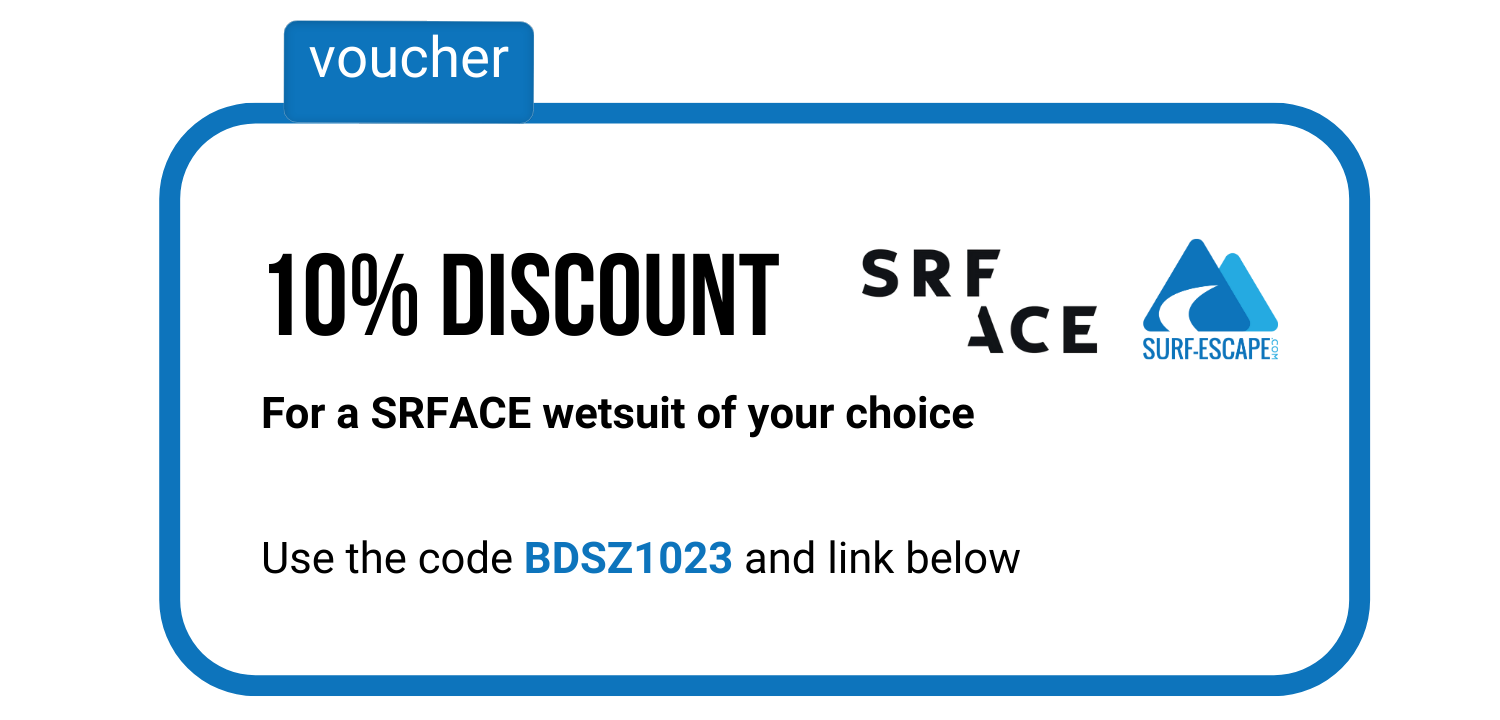
See below a 10% discount on SRFACE wetsuits. Use the code. And the link below.

srface wetsuit remix reviewCheck this link en go to srface.com

Winners of the WSL 2024

A Historic Year for Surfing

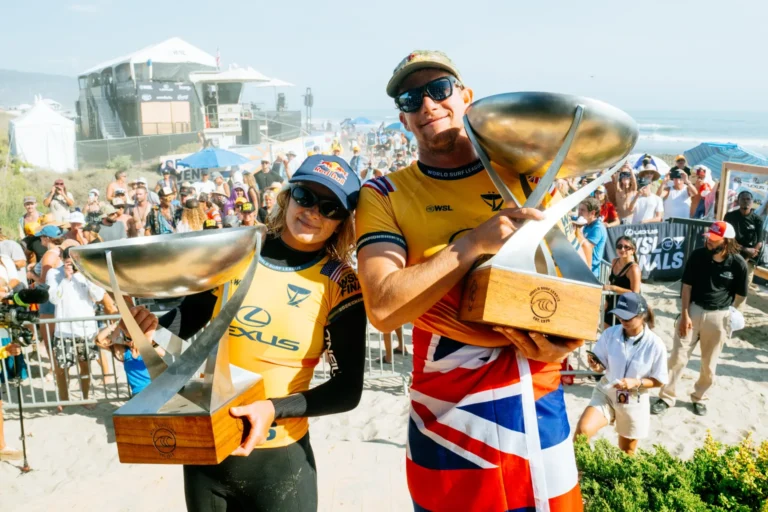
The 2024 World Surf League (WSL) season concluded with stunning performances that crowned two exceptional champions: John John Florence in the men’s division and Caitlin Simmers in the women’s division.

The 2024 World Surf League season consisted of nine regular-season events across seven countries, each presenting unique challenges and opportunities for the world’s best surfers. The season culminated in the WSL Finals at Lower Trestles, where the top 5 men and top 5 women battled it out for the world titles.

John Johns’ and Caitlins victories were not only a testament to their individual talent but also marked significant milestones in the world of competitive surfing.

John John Florence: A Triumphant Return to the Top

After a seven-year hiatus from the pinnacle of the surfing world, John John Florence reclaimed his place as the world’s best, winning his third World Surf League title in 2024.

In the men’s final, John John Florence faced Italo Ferreira in an electrifying contest that highlighted both surfers’ skills and competitive spirit. Florence’s near-perfect 9.70 ride, coupled with his strategic patience and wave selection, ultimately secured his victory, marking a memorable end to a remarkable season.

This victory marked a triumphant return to form for Florence, who battled through injuries and stiff competition to emerge victorious.

1. Consistency Throughout the Season

Florence’s road to the title was characterized by consistency across the entire season. Entering the WSL Finals as the No. 1 seed, Florence had already demonstrated his prowess in various competitions, placing himself as the man to beat. His ability to deliver steady performances across diverse surfing conditions set him apart from his competitors.

2. Versatility in Surfing Style

One of the key reasons behind Florence’s success was his versatility. Renowned for his well-rounded approach, Florence combined powerful rail games, stylish maneuvers, exceptional aerial skills, and unparalleled barrel riding. This versatile style enabled him to perform exceptionally well across different wave types and conditions, making him a formidable competitor throughout the season.

3. Clutch Performance Under Pressure

The defining moment of Florence’s campaign came during the finals at Lower Trestles in San Clemente, California. Facing off against Italo Ferreira in a highly competitive final, Florence secured his victory with a near-perfect 9.70 ride, the highest single score in WSL Finals history. This clutch performance under pressure showcased not only his skill but also his mental fortitude and strategic awareness.

Watch the final here

4. Overcoming Adversity

Florence’s 2024 title run was also a story of resilience. Over the past seven years, he faced numerous challenges, including injuries that threatened to derail his career. However, his comeback to win the world title demonstrated his determination and capacity to overcome adversity, further cementing his legacy as one of surfing’s greats.

Caitlin Simmers: A Record-Breaking Victory

In the women’s division, Caitlin Simmers made history by becoming the youngest WSL Champion ever. At just 18 years, 10 months, and 12 days old, Simmers shattered the previous record held by five-time world champion Carissa Moore.

The women’s final was equally gripping, with Caitlin Simmers and Caroline Marks going head-to-head. Simmers’ comeback after losing the first heat showcased her ability to adapt and persevere under pressure, culminating in a historic victory that brought immense pride to her home state of California.

Her victory was not just a win for herself but also a significant moment for California surfing, as she brought home the state’s first women’s world title in 40 years.

1. A Rapid Ascent to the Top

Simmers’ victory in 2024 was only her second year as a Championship Tour (CT) athlete, making her quick rise to the top even more impressive. Her world title win in her sophomore season demonstrated her exceptional talent and potential, signaling the emergence of a new generation of surfers.

2. Overcoming Strong Competition

The final at Lower Trestles saw Simmers facing off against defending champion Caroline Marks. Despite losing the first heat, Simmers showcased remarkable resilience, coming back to win the title match in the deciding heat. Her ability to stay composed under pressure and adapt her strategy mid-competition was a key factor in her victory.

Watch it here:

3. Consistent Performance Throughout the Season

Before the finals, Simmers had already secured three WSL tour victories in the 2024 season, entering the finals as the top seed. Her consistent performance throughout the year, characterized by aggressive yet calculated surfing, established her as a favorite and culminated in her historic championship win.

4. A New Era in Surfing

Simmers’ victory represents a significant shift in the landscape of professional surfing. Her success not only breaks records but also signals the rise of a new generation of talent in women’s surfing. With her youth, skill, and determination, Simmers has set a new standard and is poised to be a dominant force in the sport for years to come.

Conclusion: A Season to Remember

The 2024 WSL season will be remembered for its thrilling competitions and historic victories. John John Florence’s return to the top and Caitlin Simmers’ record-breaking triumph highlight the ever-evolving nature of competitive surfing, where experience meets youth, and skill meets determination. As we look forward to the 2025 season, the achievements of Florence and Simmers will continue to inspire surfers around the world.


O2 SURFTOWN MUC: Europe’s Largest Wave Pool open in Munich

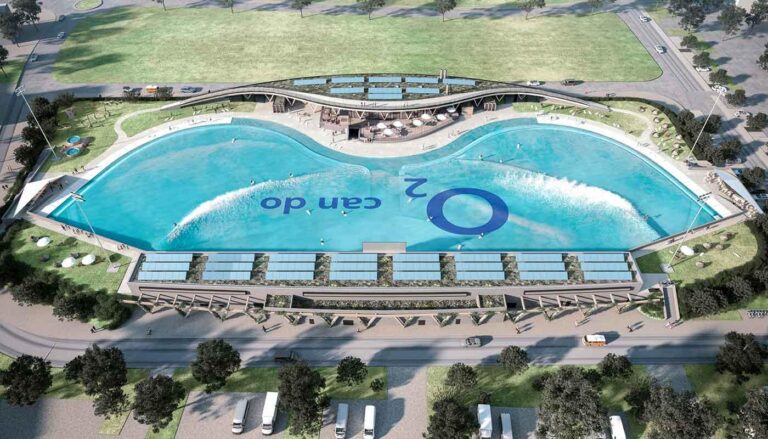
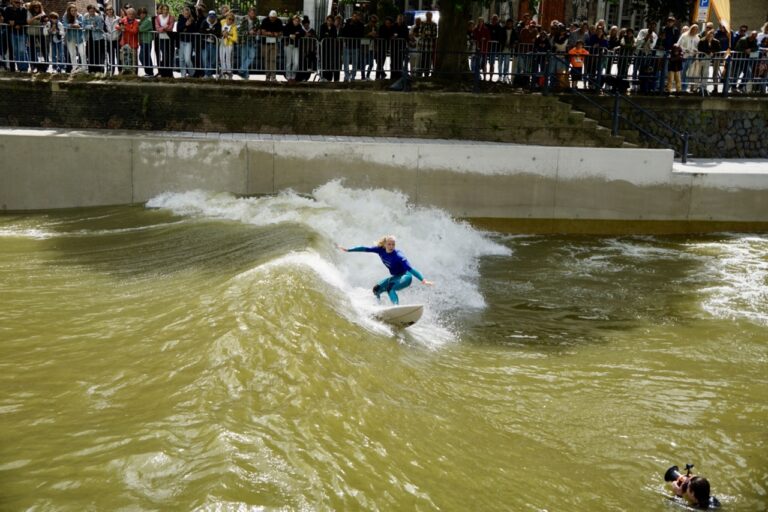
Munich, a city known for its vibrant surf scene thanks to the famous Eisbach river wave, hasa new, groundbreaking addition in 2024: O2 SURFTOWN MUC.

This innovative surf park features Europe’s largest wave pool and will revolutionize the surfing experience in Germany and across Europe.

O2 SURFTOWN MUC is located in Hallbergmoos, adjacent to Munich Airport, and spans a massive 20,000 square meters. Let’s dive into what makes this new surf destination so exciting and unique.

Location and Size: The Largest Wave Pool in Europe

O2 SURFTOWN MUC is strategically located in Hallbergmoos, just a short distance from Munich Airport, making it easily accessible for both local residents and international visitors.

With a length of 180 meters, the wave pool is over 50% larger than a standard football pitch, securing its position as Europe’s largest wave pool. The entire facility covers 20,000 square meters, offering ample space for surfers, spectators, and amenities.

Wave Technology: Endless Surf Innovation

What truly sets O2 SURFTOWN MUC apart is its use of the Endless Surf wave-making technology. This state-of-the-art system is a world-first, allowing the wave pool to produce a variety of wave types and sizes, from gentle swells for beginners to powerful barrels and A-frame peaks for advanced surfers.

Waves can range from 0.5 meters to 2.1 meters in height, catering to all skill levels and preferences. The Endless Surf technology ensures a consistent, high-quality wave experience that can be tailored to different surfing styles and abilities, making every session unique.

Surfing Experience: Catering to All Levels

O2 SURFTOWN MUC features four distinct surf zones, each designed to accommodate up to 16 surfers simultaneously. This setup allows for a personalized surfing experience, where surfers can choose a zone that matches their skill level and desired wave type. The park offers coaching and sessions for all levels, from first-time surfers to seasoned professionals.

With customizable wave settings, surfers can practice specific maneuvers or styles, making O2 SURFTOWN MUC a versatile training ground for improving skills or simply enjoying the sport.

Check this video

Sustainability Features: A Green Surfing Haven

O2 SURFTOWN MUC is not just about delivering an incredible surfing experience; it is also committed to sustainability. The facility is designed to be 80% self-sufficient in energy, relying on renewable sources such as solar and wind power.

A closed-water system minimizes water waste, while geothermal energy is used for cooling and heating. These innovative features reflect a strong commitment to environmental stewardship, making O2 SURFTOWN MUC a pioneer in sustainable surfing destinations.

Pricing and Availability: Accessible Surfing for Everyone

Standard Pricing at 02 Munich

The standard price for a one-hour surf session at o2 SURFTOWN MUC ranges from €69 to €89, depending on the skill level. Specifically:

  • Beginner levels (First-timer, Rookie): €69
  • Intermediate to advanced levels (Progressive, Cruiser, Advanced, Expert): €89

Pro Session

A pro-level session, which will be available soon, is priced from €139.

Session Package Deals

o2 SURFTOWN MUC offers discounted rates for bulk purchases of sessions:

  • 50 sessions package: €2,899 (approximately €58 per session)
  • 25 sessions package: €1,699 (approximately €68 per session)
  • 10 sessions package: €749 (approximately €75 per session)

These package deals provide a cost-effective option for regular surfers, offering savings compared to individual session bookings. It’s worth noting that each one-hour session guarantees at least 12 wave opportunities for surfers. The total experience, especially for beginners, can last up to two hours when including safety briefings, warm-up, and debriefing.

Check also the website.

Why O2 SURFTOWN MUC is a Game-Changer for Munich’s Surf Scene

The opening of O2 SURFTOWN MUC represents a major development for Munich’s surf community. Until now, surfers in the city have primarily relied on river waves like the Eisbach, which, while popular, can be unpredictable and challenging for beginners. O2 SURFTOWN MUC provides a controlled environment with consistent, high-quality waves, making surfing more accessible to people of all skill levels. This new facility is set to become a significant attraction, drawing surfers from across Germany and Europe to experience its cutting-edge technology and sustainable features.

FAQs About O2 SURFTOWN MUC

What is O2 SURFTOWN MUC?

O2 SURFTOWN MUC is an innovative surf park set to open in Munich, Germany, in early summer 2024. It features Europe’s largest wave pool and uses advanced Endless Surf wave-making technology.

Where is O2 SURFTOWN MUC located?

The surf park is located in Hallbergmoos, adjacent to Munich Airport, making it easily accessible for both local and international visitors.

What types of waves can be found at O2 SURFTOWN MUC?

O2 SURFTOWN MUC offers a variety of wave types, including barrels, point breaks, and A-frame peaks, with wave heights ranging from 0.5 meters for beginners to 2.1 meters for professionals.

How much does it cost to surf at O2 SURFTOWN MUC?

Standard session rates are expected to be 89€, with discounted pre-sale vouchers available for 59€ (A-Frame sessions) and 79€ (beginner sessions). Ticket bundles are also available for reduced rates.

What is the cost of a one-hour surf session in a wave pool?

Costs of surfing in public wave pools in Europe

Surfing in a wave pool is an exciting way to catch the perfect wave without relying on the unpredictable nature of the ocean.

With wave pools popping up across Europe, the cost of riding these man-made waves can vary significantly.

In this article, we’ll dive into the pricing of a one-hour surf session at some of the most popular wave pools that are open for the public:

  • Rif010 in Rotterdam,
  • The Wave in Bristol,
  • Alaïa Bay in Sion,
  • and O2 in Munich.

Whether you’re a seasoned surfer or just looking to try something new, knowing what to expect can help you plan your next adventure. One thing you’ll discover: When it comes to wave pools in Europe, costs can vary widely.

RiF010 in Rotterdam, Netherlands

The cost for a surf session at RiF010 varies depending on the wave height:

€45 for beginner waves in the bay

€50 for the 1.2 meter (4 foot) wave

€60 for the 1.5 meter (5 foot) wave These prices include surfboard rental (softtop). The wave pool is open year-round, ten hours a day.

Standard Pricing at 02 Munich

The standard price for a one-hour surf session at o2 SURFTOWN MUC ranges from €69 to €89, depending on the skill level. Specifically:

  • Beginner levels (First-timer, Rookie): €69
  • Intermediate to advanced levels (Progressive, Cruiser, Advanced, Expert): €89

Pro Session

A pro-level session, which will be available soon, is priced from €139.

Session Package Deals

o2 SURFTOWN MUC offers discounted rates for bulk purchases of sessions:

  • 50 sessions package: €2,899 (approximately €58 per session)
  • 25 sessions package: €1,699 (approximately €68 per session)
  • 10 sessions package: €749 (approximately €75 per session)

These package deals provide a cost-effective option for regular surfers, offering savings compared to individual session bookings. It’s worth noting that each one-hour session guarantees at least 12 wave opportunities for surfers. The total experience, especially for beginners, can last up to two hours when including safety briefings, warm-up, and debriefing

pricing details for a one-hour surf session at Alaïa Bay in Sion, Switzerland:

Price Structure for Alaia Bay in Switzerland

Alaïa Bay uses a three-tier pricing system:

  • Peak: Busiest times
  • Normal: Average weekday rates
  • Best: Lowest-cost times

Hourly Rates

The cost for a one-hour surf session ranges from 109 to 149 Swiss Francs (CHF), which is approximately $120 to $165 USD. The exact price depends on the tier and when you book your session.

One-hour surf session at The Wave in Bristol

The cost for a one-hour surf session for adults varies depending on the time of day and week:

  • Peak times: €59.50 – €65.45
  • Off-peak times: €47.60 – €53.55

Intermediate and Advanced Sessions

For more experienced surfers:

  • Intermediate and advanced sessions: €65.45 – €71.40

Children’s Pricing (6-17 years)

  • Standard rate: €47.60 – €53.55

Additional Information

  • These prices are for a one-hour surf session in the main surfing area.
  • The facility offers various wave settings suitable for different skill levels.
  • Prices include wetsuit hire, but board hire is an additional cost.
  • There’s a separate beginners’ area called “The Bays,” which has different pricing.

Membership Options

The Wave offers membership packages that can provide cost savings for frequent visitors:

  • Annual membership: €357

Members receive discounts on surf sessions and other benefits.

Booking Advice

  • Prices may vary slightly depending on the specific day and time chosen.
  • It’s recommended to book in advance, especially for peak times and weekends.
  • The facility is open year-round, allowing for surfing regardless of weather conditions.

Keep in mind

Remember that prices may be subject to change, and it’s always best to check the official websites.

In conclusion, costs vary widely

As you read, when it comes to wave pools in Europe, costs can vary widely.

  • Alaïa Bay in Switzerland stands out as the most expensive, with prices ranging from €113 to €155 for a one-hour session, reflecting its premium status and location.
  • On the other end of the spectrum, RiF010 in Rotterdam offers the most budget-friendly option, with sessions starting at just €45, making it perfect for surfers looking for an affordable ride.
  • The Wave in Bristol and O2 in Munich offer mid-range pricing, with options to suit different skill levels and budgets, especially with Munich’s flexible package deals for regular visitors. Whether you’re looking for luxury or value, there’s a wave pool in Europe to match your surfing style and budget.