Saturday, February 7, 2026
Home Blog Page 4

The Big Sea: A documentary unveiling the toxic legacy of neoprene

0

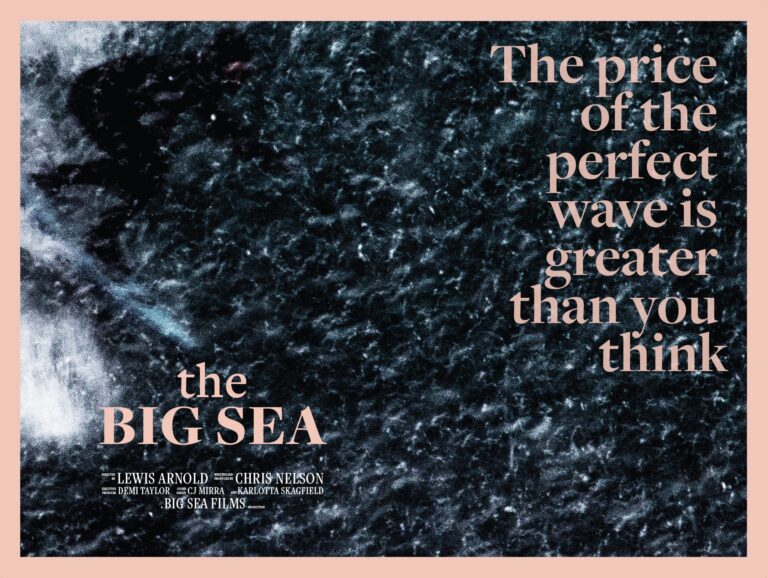
The price of the perfect wave is greater than you think.

Is the opening title of the thebigsea.org.

Followed by the alarming paragraph that states that the $10 billion global surf industry, epitomized by the allure of free spirits, pristine waters, and a profound connection with nature, is more popular than ever. And that surfing has positioned itself as a defender of the environment.

And yet, there is a hidden dark side to this sport… and it’s costing lives.

A journey into the heart of surfing’s dark secret

Lewis Arnold en Chris Nelson, a seasoned filmmaker and photographer from the Northeast of England, has delved deep into the surfing culture of northern Europe for over three decades. As the director of “The Big Sea,” Arnold has encountered the surf’s icy embrace clad in neoprene, a material he once saw as a boon for surfers worldwide.

But behind the comfort provided by the wetsuits he’s owned lies a distressing truth that has changed his perspective forever.

The neoprene conundrum

Neoprene, or chloroprene rubber, is a common component of wetsuits. This substance is chiefly manufactured by Denka, a chemical company with a significant plant in an area known as Cancer Alley, Louisiana.

Cancer Alley, refers to a stretch along the Mississippi River in Louisiana where locals have uncommonly high cancer rates.

See also this NY Times article.

This region, primarily inhabited by a black community living below the poverty line, faces a cancer risk 50 times the national average—a dire statistic directly linked to the chloroprene emissions from Denka’s facilities.

The revelation of his indirect contribution to this catastrophe spurred the filmmakers into action, questioning the ethics behind the surf industry’s material choices.

Exposing the surf industry’s overlooked impact

Chris Nelson and Arnold produced “The Big Sea,” an independent documentary that seeks to lay bare the link between the surf industry and the environmental injustices in Cancer Alley.

In the film you’ll be taken to Cancer Alley in Louisiana to hear from local activists who have spent decades fighting for the health and safety of their community.

Their investigation reveals a troubling oversight in the industry’s marketing of itself as “ethical” and “sustainable” while it continues to rely on harmful materials like neoprene.

Summer of 2024

The documentary will be on screen in the summer of 2024.

The Big Sea trailer:

The story surf brands don’t want told

Arnold and Nelson’s journey into the core of the issue showcases a landscape marred by historical and ongoing injustices. The site of the Denka plant itself is steeped in a painful history, sitting on the grounds of a former slave plantation.

The majority of those affected by the toxic emissions are minorities, underscoring a narrative of neglect and exploitation that the surf industry has long ignored.

A call to action: abandon neoprene

The filmmakers have engaged with environmentalists, industry insiders, and the local community to gather a comprehensive view of the implications of neoprene production. Their findings paint a stark picture of a community where no household has been left untouched by cancer. Despite some media coverage, little has changed for the residents of Cancer Alley, prompting a call for the surf community to lead the charge in abandoning chloroprene rubber.

Supporting “The Big Sea” needed

Arnold and Nelson have self-funded their project but now look to the global surf community for support to complete the documentary. They ran a Kickstarter campaign to finance the final stages of production, including sound design and legal costs. The campaign also offers an opportunity to celebrate companies that have pivoted from neoprene to more sustainable alternatives like natural rubber.

Check also How can I Help?

Broader movement towards sustainability

“The Big Sea” aims not only to inform but to inspire action, encouraging the surf industry and its enthusiasts to reconsider their environmental footprint. By spotlighting the potential to shift away from toxic materials, Arnold hopes to catalyze a broader movement towards sustainability in sports and beyond.

As the project gains momentum, the support of the global community will be crucial in bringing this vital issue to the forefront, helping to heal the wounds inflicted on the communities of Cancer Alley and setting a precedent for future generations.

Listen to the Podcast

Surfing in Rotterdam from this summer at Rif010

RiF010: The urban surfing destination

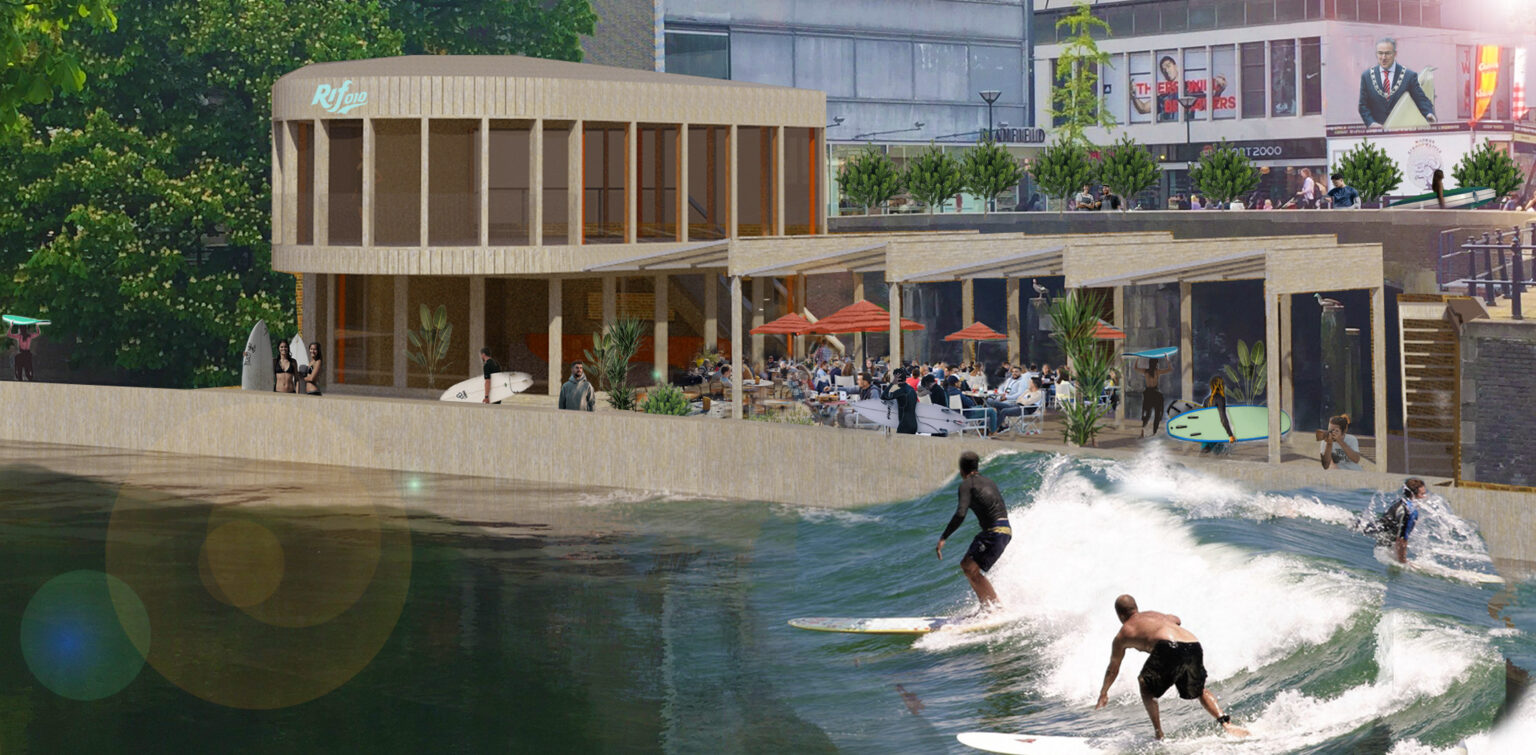
Just under a year ago, it was announced that Steigersgracht, near Rotterdam’s Markthal, would soon be home to a new urban surfing destination: RiF010.

surfing in rotterdam

As we approach the grand unveiling, the excitement is there. After a decade of meticulous planning and an investment surpassing €10 million, entrepreneurs Edward van Dongen and Edwin van Viegen are about to realize their dream.

Starting in June, Steigersgracht will come alive with the first of many waves, marking the opening of the city’s wave pool. This innovative project promises to transform the area into a bustling surf paradise right in the heart of Rotterdam.

The grand opening will take place at Saturday July 6.

What is Rifi010?

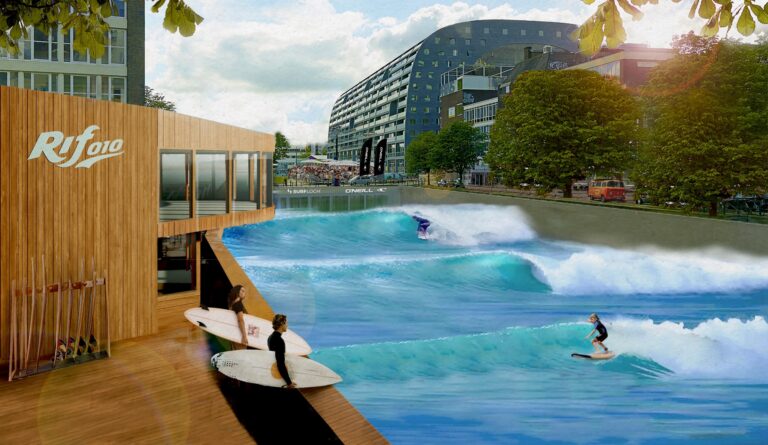
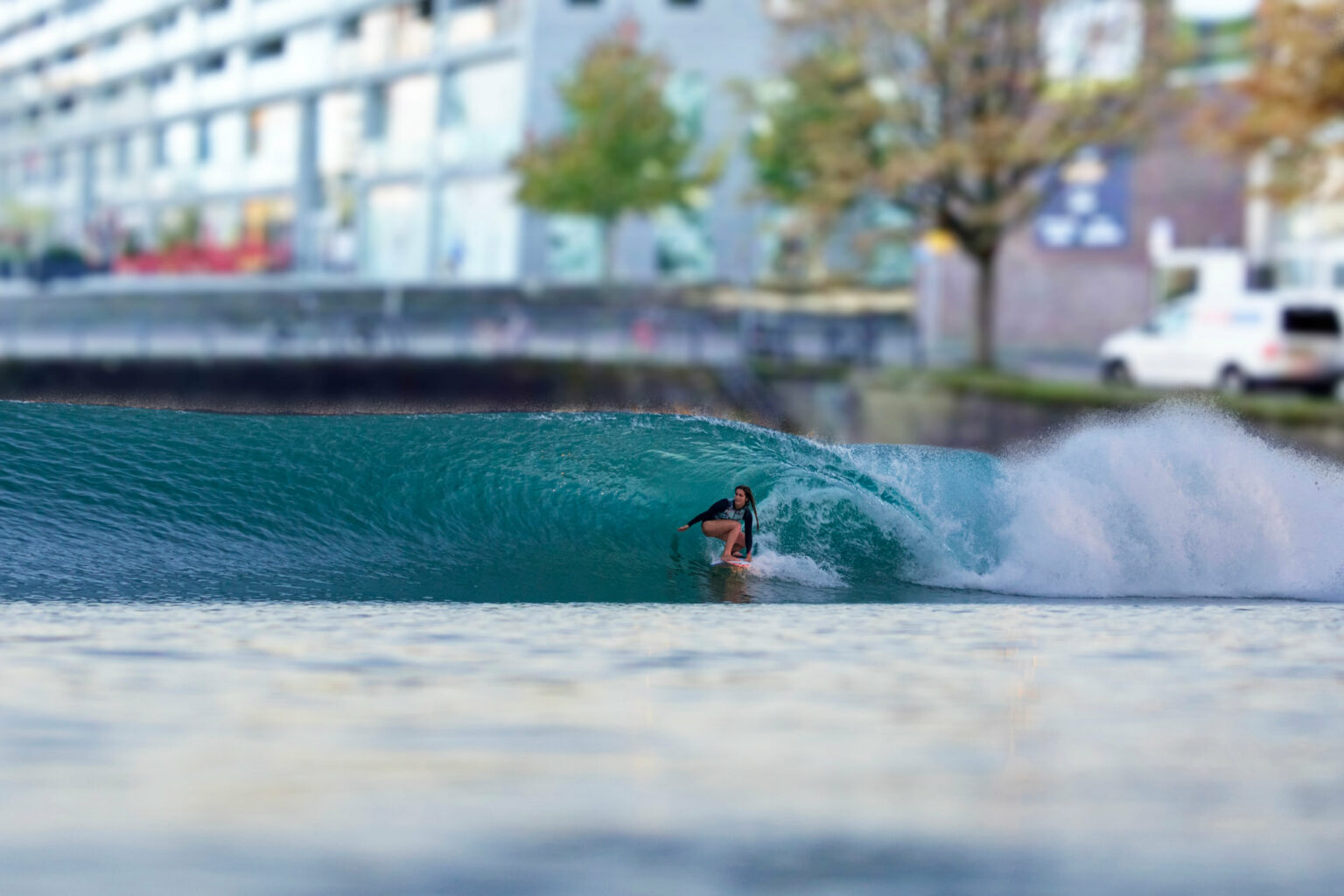
RiF010 is a groundbreaking urban wave pool project set to open in Rotterdam, Netherlands in 2024. It will be the world’s first surf pool located in the heart of a city, built within an existing canal in the city center.

rif010

Key Features of Rif010

  • Generates consistent waves up to 1.5 meters high, perfect for surfing, bodyboarding, and other water sports.
  • Utilizes Surf Loch’s pneumatic wave technology to create realistic ocean-like waves
  • Waves break every 7 seconds, producing around 330 waves per hour
  • 100% powered by wind and solar energy for sustainable operations
  • Incorporates a beach house with a surf shop, changing rooms, and a surf bar/restaurant
  • Aims to introduce surfing and water sports to Rotterdam schoolchildren through educational programs

Unique Aspects

  • First wave pool built within a dense urban setting, attracting over a million visitors annually
  • Waves generated in an existing canal, allowing surfers to ride waves through the city’s iconic waterways
  • Pneumatic wave technology ensures low maintenance costs and minimal downtime
  • Focuses on accessibility, aiming to make surfing available to all, not just the elite

Surfing to the heart of Rotterdam

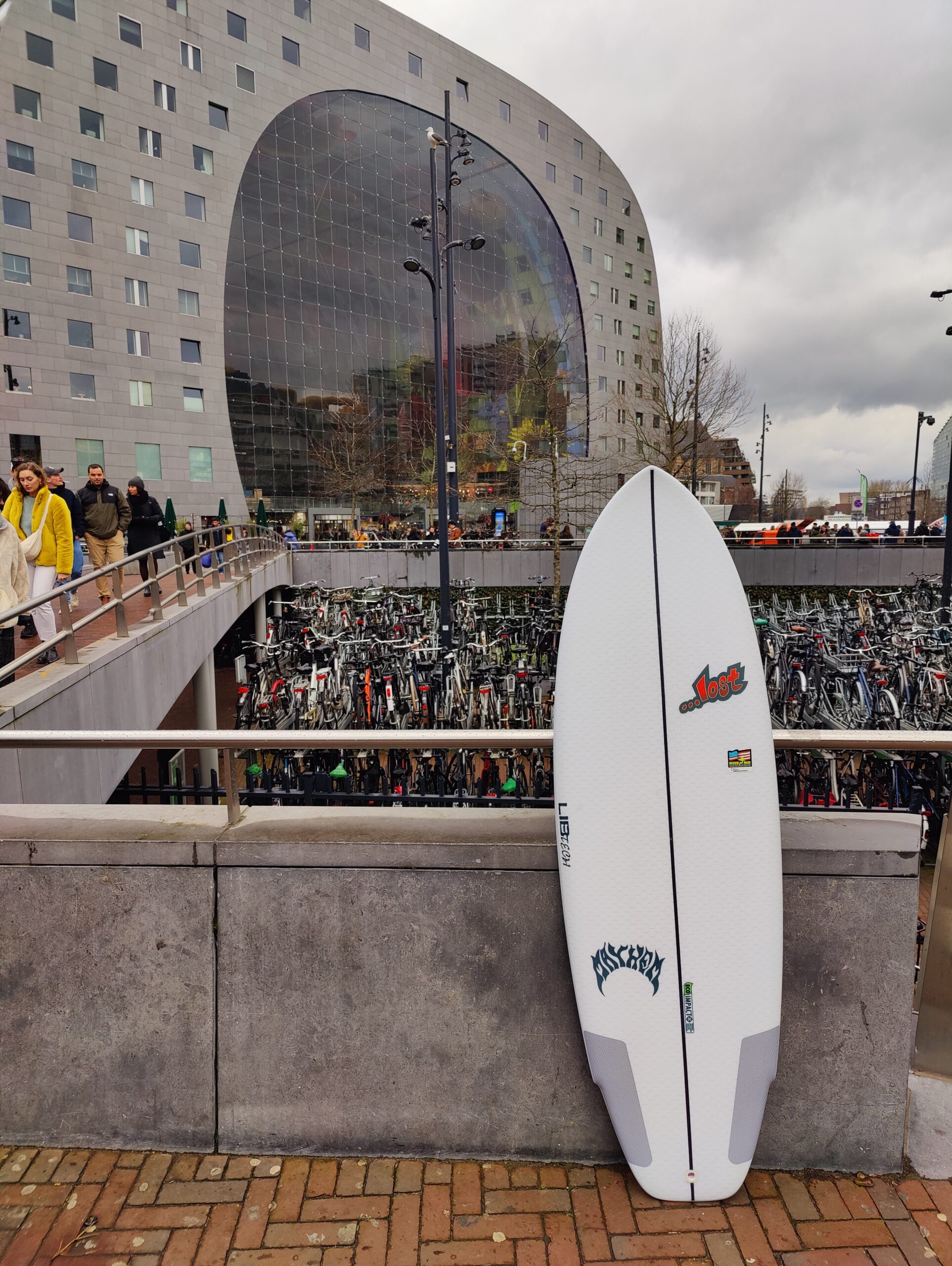
rif010 near rotterdam centre
oplus_34

RiF010 is a pioneering project that brings the thrill of surfing to the heart of Rotterdam, promoting sustainability, accessibility, and a unique urban surfing experience.

Sources:


Pulse Podcast: Nic von Rupp and Big Wave surfing

0

Find out how Nic von Rupp got into big wave surfing, why he left the German team after 10 years and what surfing means to him in the new Pulse Podcast!

The new Pulse Podcast

In this podcas of less than 30 minutees, from surfersmag.de they go into the exciting world of action sports and talk to Nic von Rupp. Nic surfs the biggest waves on the planet.

Listen here:

Surfing in Portugal on a budget: 7 tips and tricks

Portugal offers a mesmerizing blend of rich history, culture, and stunning landscapes and waves. All accessible on a budget. Portugal proves you don’t need to spend a fortune for an enriching travel experience. It can actually by quite cheap to surf in Portugal. And you can save hundreds of Euro’s, which you can use for another surf trip.

Here are the key tips for surfing in Portugal on a budget and save money:

1. Living like a local

Immersing yourself in the local lifestyle is not just enriching; it’s economical. Portugal’s welcoming communities, local markets, and neighborhood eateries offer a glimpse into the true essence of Portuguese life while helping you stretch your euros further.

Shopping at local markets

Local markets in Portugal are treasure troves of fresh produce, artisan goods, and unique finds. They’re not just shopping venues but cultural experiences, offering quality items at lower prices than tourist-centric spots. So, cook some of your own meals using groceries from local markets to save money on eating out.

Dining in local eateries

Dining where the locals do, be it a quaint café or a bustling market food court, offers authentic flavors without the hefty tourist price tag. It’s a delicious way to save money while indulging in Portuguese culinary delights.

2. Choosing a budget-friendly destination

Look for areas outside the popular Algarve region, such as the western Portuguese coastline around Lisbon and Porto. Places like Nazaré, Carcavelos, and Costa da Caparica offer great surf at lower prices than the Algarve. We also think the Alentejo and the North of Portugal is perfect for a budget friendly surftrip.

3. Accommodation

Opt for hostels, guesthouses, or vacation rentals instead of luxury resorts. This can save significantly on accommodation costs.

4. Transportation

Avoid renting a car and use public transportation like trains and buses to get around. This is much cheaper than taxis or rental cars. Portugal’s public transport network is efficient, extensive, and economical, it connects major tourist spots.

5. Bringing your own gear or rent

Consider renting surfboards locally instead of bringing your own to avoid oversized luggage fees. Fees for oversized baggage are a definite pain point. There’s no escaping them, and no matter how much you debate, you won’t secure a lower fee. You’re simply stuck with the cost.

Not bringing your own surfboard can save you € 100 to € 200 on airline charging fees. Especially if you’re heading to as surf camp. As many surf camps will provide you with a surfboard.

And if you do bring your own surfboard for example, see our next tip. And put 2 surfboards in 1 boardbag, so you have to pay the airline fee just once.

6. Add a person to your surftrip

You can be really cost-effective by planning a surf trip with your friends compared to solo travel. It can save you hundreds of Euro’s in a week.

You can divide expenses that you would have had to cover entirely on your own, like transportation costs to and from airports, car rental, accommodation. In our experience it could save you €50 to €100 a day! In a week you’re saving enough money for another surf trip.

And it’s all about sharing the stoke, right?

7. Timing your trip

Avoid the peak summer months when prices are highest. Visit during the shoulder seasons of spring and fall for better deals. And visiting in spring or late autumn will offer you more bang for your buck, with pleasant weather and fewer tourists.

Also check for 1 or 2 days earlier or later if you book a flight. if you can be flexibele, this will also save you €50 to €100.

By following these budget-friendly tips, you can enjoy world-class surfing in Portugal without breaking the bank

11 Best Beginner surf spots in Europe

Beginner-friendly surf spots in Europe

Embark on a journey through some of Europe’s most beginner-friendly surf spots, where the rolling waves beckon novices to embrace the surfer’s lifestyle.

From the sandy shores of the United Kingdom to the vibrant coasts of France, Spain, and Portugal, this article unveils a curated selection of beaches that are not only perfect for those taking their first steps onto a surfboard but also offer a glimpse into the rich cultural tapestry and stunning landscapes of each region.

Whether it’s the user-friendly waves of Widemouth Bay in Devon or the gentle swells of Baleal in Portugal, these destinations promise an unforgettable adventure into the world of surfing, paired with scenic views, local charms, and a welcoming atmosphere for every aspiring surfer. Because that’s how we like it.

United Kingdom

1. Widemouth Bay

widemouth-bay

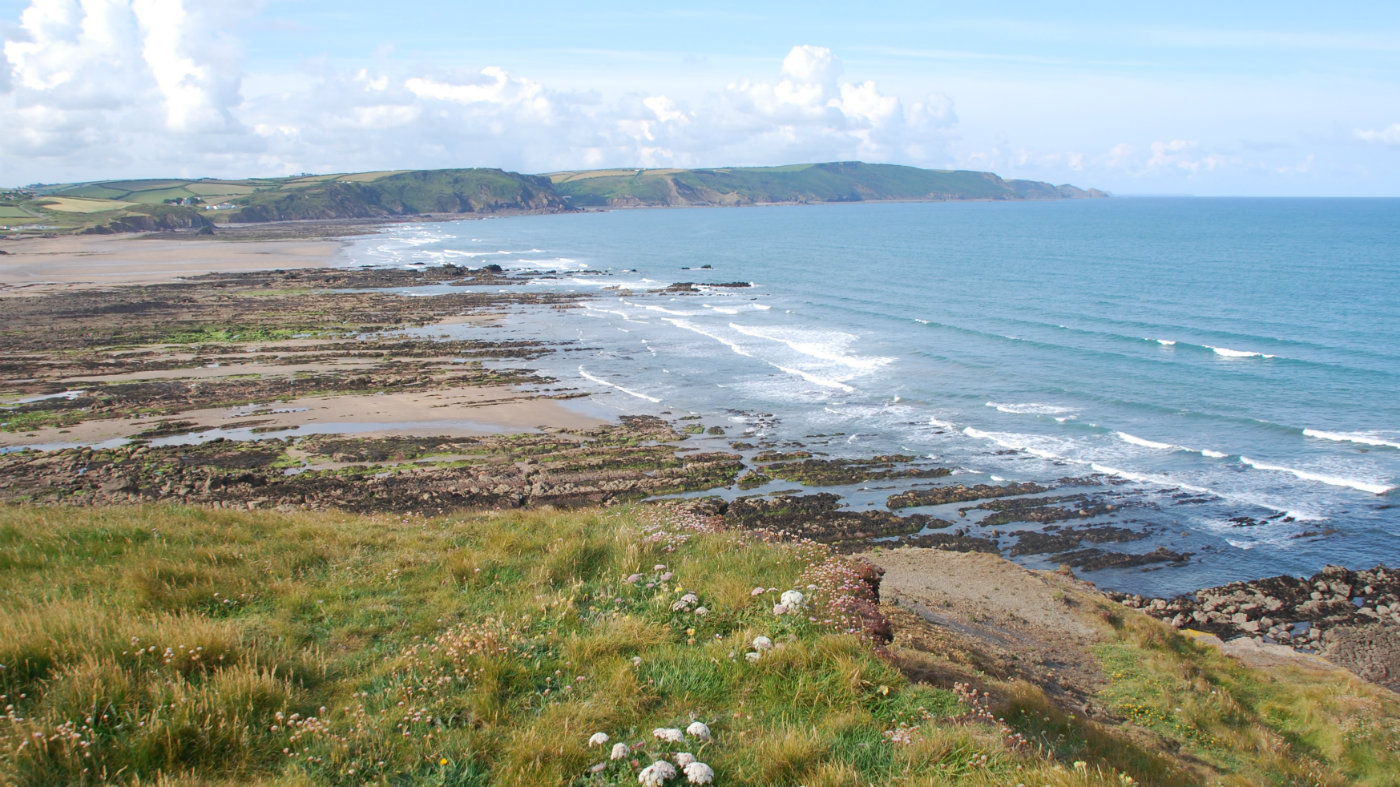
In Devon (UK) near Bude, Widemouth Bay is a long stretch of beach that has become the area’s go-to surf school and beginner surfer break due to its variety of peaks and user-friendly walls and is often considered one of the best locales to learn to surf in England.

France

2. Penhors in Britanny

penhors surf

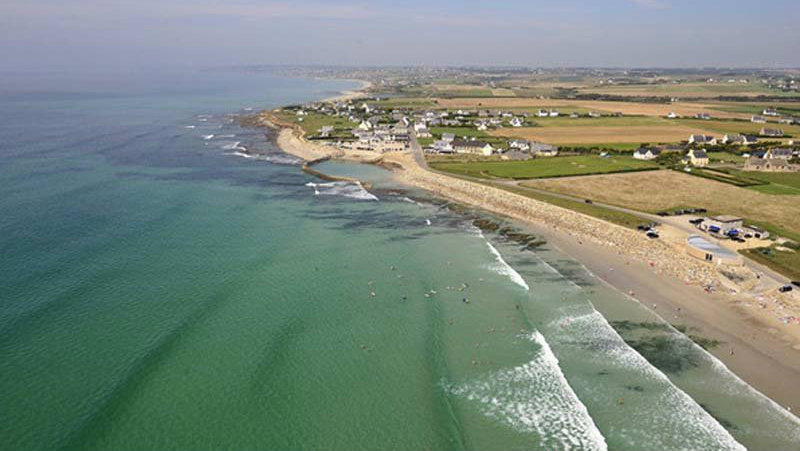
A great beach to learn and improve your surfing. It has all the facilities like surf school, showers, restaurants, good parking. So yes it can get a little crowded from Britannies perspective, but it’s still okay compared to other more famous surf spots in France.

3. Plage du Ris in Britanny

plage du ris surf

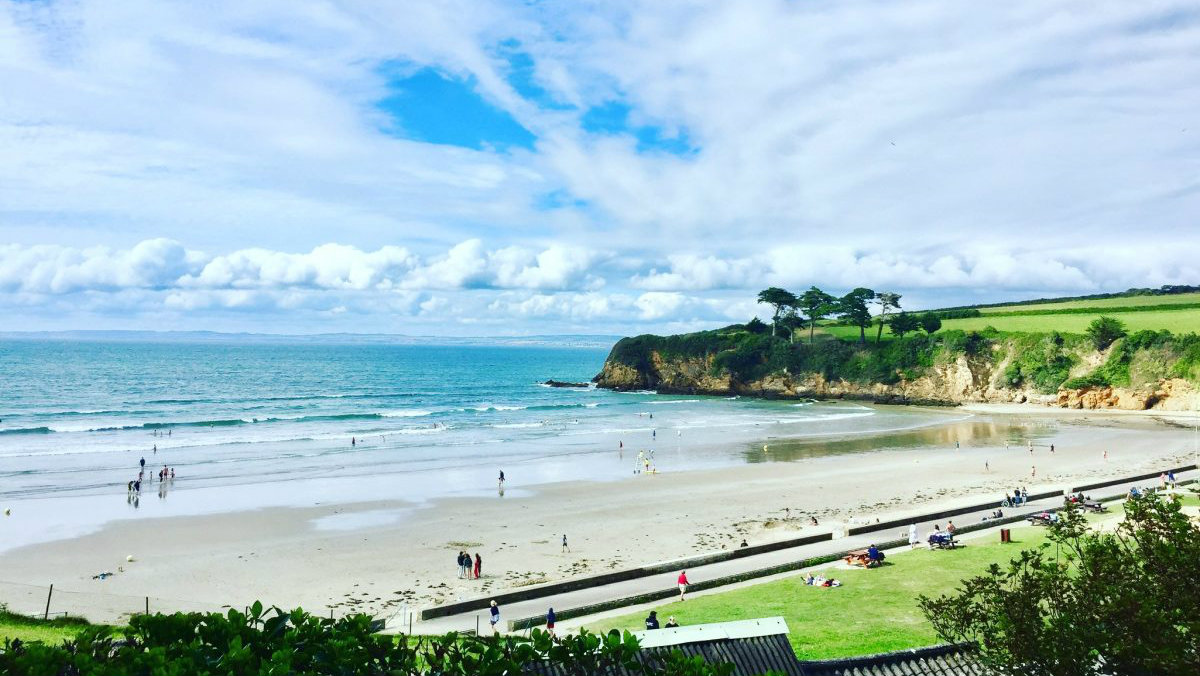
A beach (small bay) with stunning views. Take a close look at the picture beneath. Miles away you can see the beautiful landscape of Britanny. And from this beach you can also see the charming town of Douarnanez. And the waves are gentle. Always better with the push of the tides. But it’s not picking up every swell. So if there’s just a small swell around, you better check Penhors.

4. Les Dunes in the Vendee

les dunes surf

The Vendee, overlooked by many. But why? We really don’t know. Maybe the countryside is not that inviting as Britanny or the Basque Country, but for the surf the Vendee is awesome. It has a lot of reefs, which is good for the shape of the waves. But Les Dunes is all sand bottom with a scattered rock here and there. Mellow waves are on offer here. Multiple campsites nearby.

5. Hendaye in French Basque Country

surf hendaye

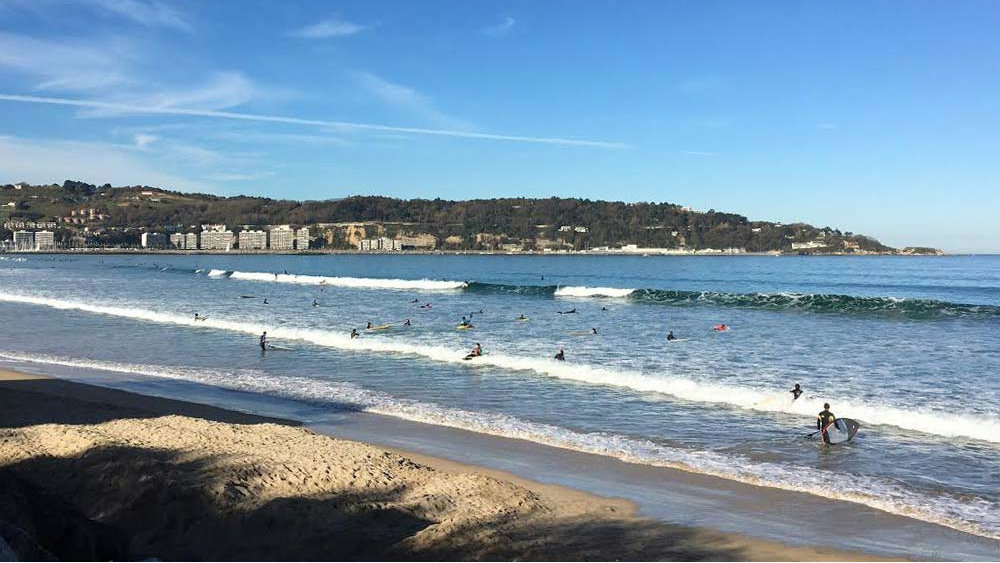
The Basque Country is one of the best places to surf in France together with Britanny. At least, that’s what we experienced. All kinds of surf spots for all levels. Hendaye is an easy-going beach and even easier-going waves. When it’s big elsewhere head for this place. You can park directly at the beach side.

Spain

6. San Vicente de la Barquera in Cantabria

surf san vicente de la barguera

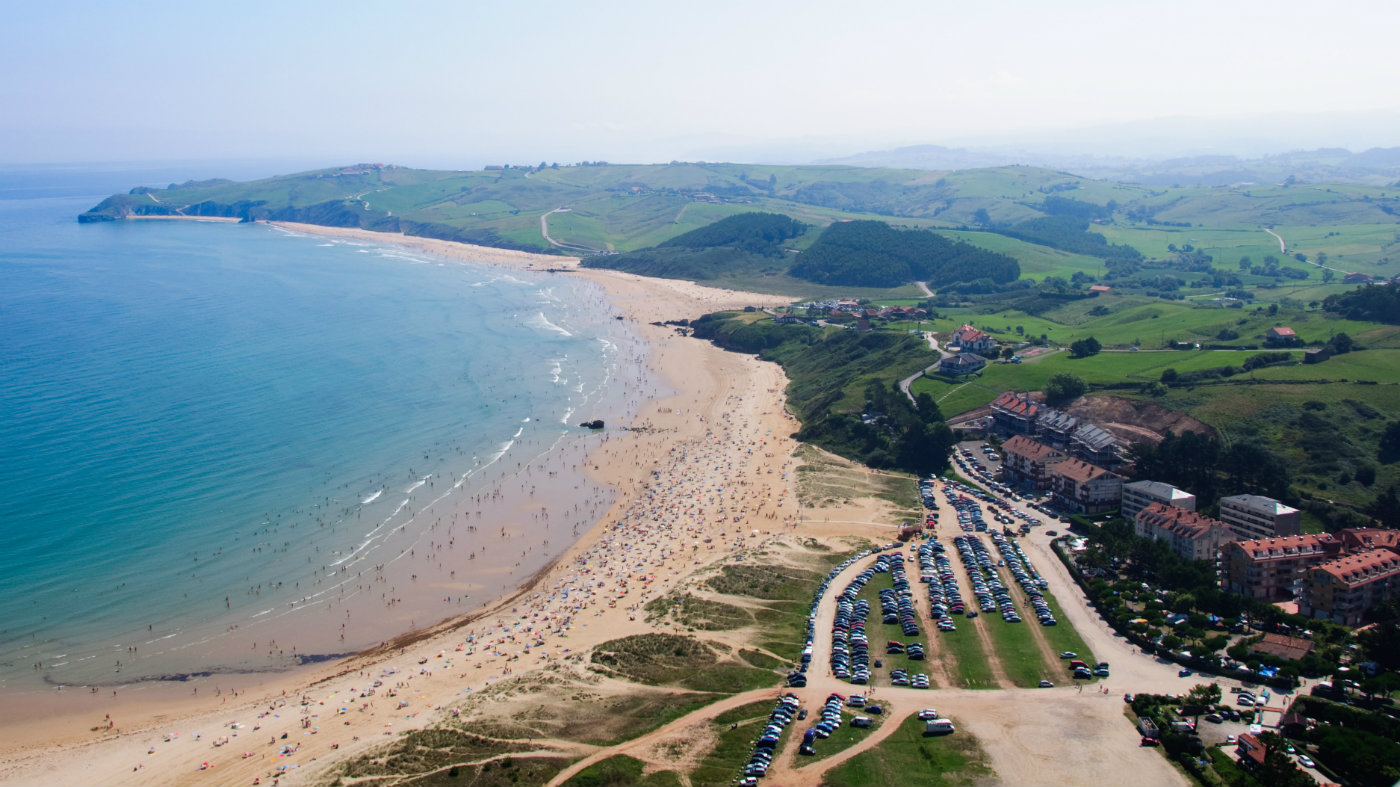
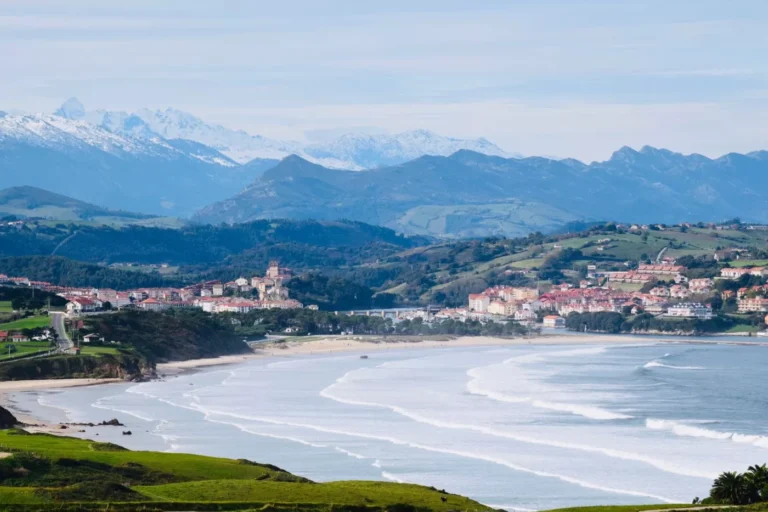
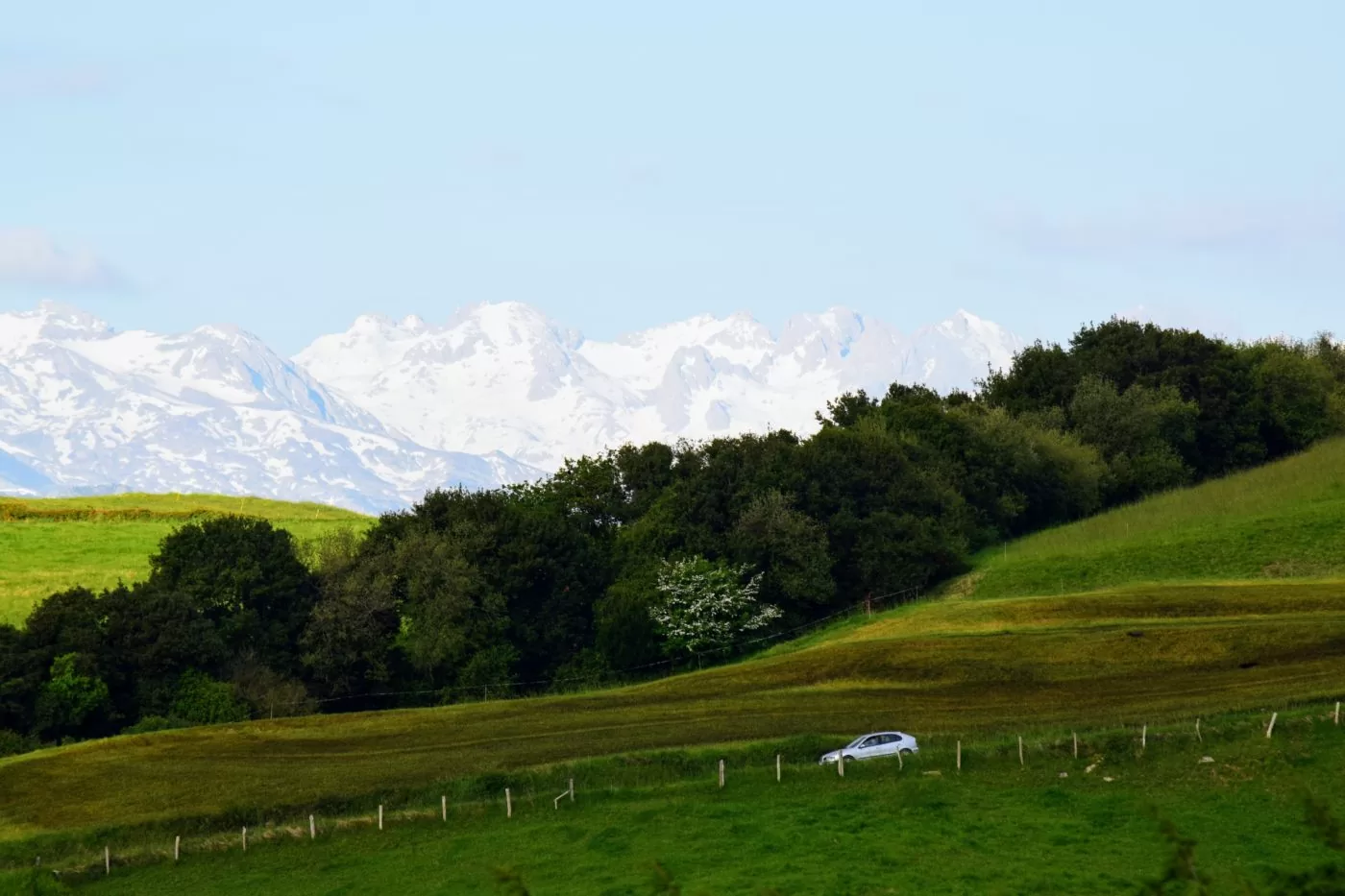
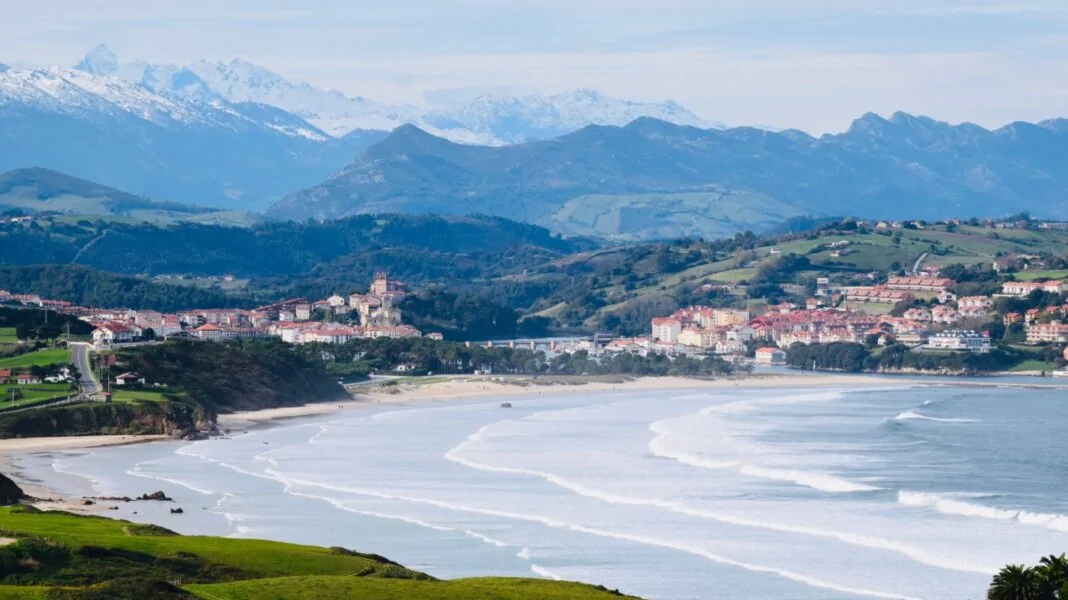
San Vicente is an authentic Spanish town situated in Cantabria which has views on the snowy mountains of National Park Picos de Europa. The region offers a lot of great surfspots with excellent quality & consistency.

San Vicente is more west orientated. But 5 minutes aways there’s a more east orientated beach aka bay named Oyambre. Which makes it easy to choose the best waves that matches your level.

7. Playa Somo

somo surf

Somo Beach, located on Spain’s North coast, is a beginner-friendly surf haven stretching over 8 km. It welcomes consistent, manageable swells from multiple directions throughout the year, making it an ideal spot for those new to the sport.

The beach features gentle lefts and rights, perfect for novice surfers to practice and improve their skills. Although it’s best at mid to high tides, Somo is accommodating under various conditions. Nearby, you’ll find one of Europe’s most famous surf schools, Escuela Cantabra de Surf, offering lessons and support for beginners. N

estled in a welcoming village with easy access from Santander, Somo provides a supportive environment and all the essentials for a memorable first surf experience. While it’s a popular spot that can get busy in summer, its friendly atmosphere and suitability for all levels make it an excellent choice for beginners eager to catch their first waves in northern Spain.

Portugal

8. Baleal – Peniche in centre of Portugal

peniche-surf

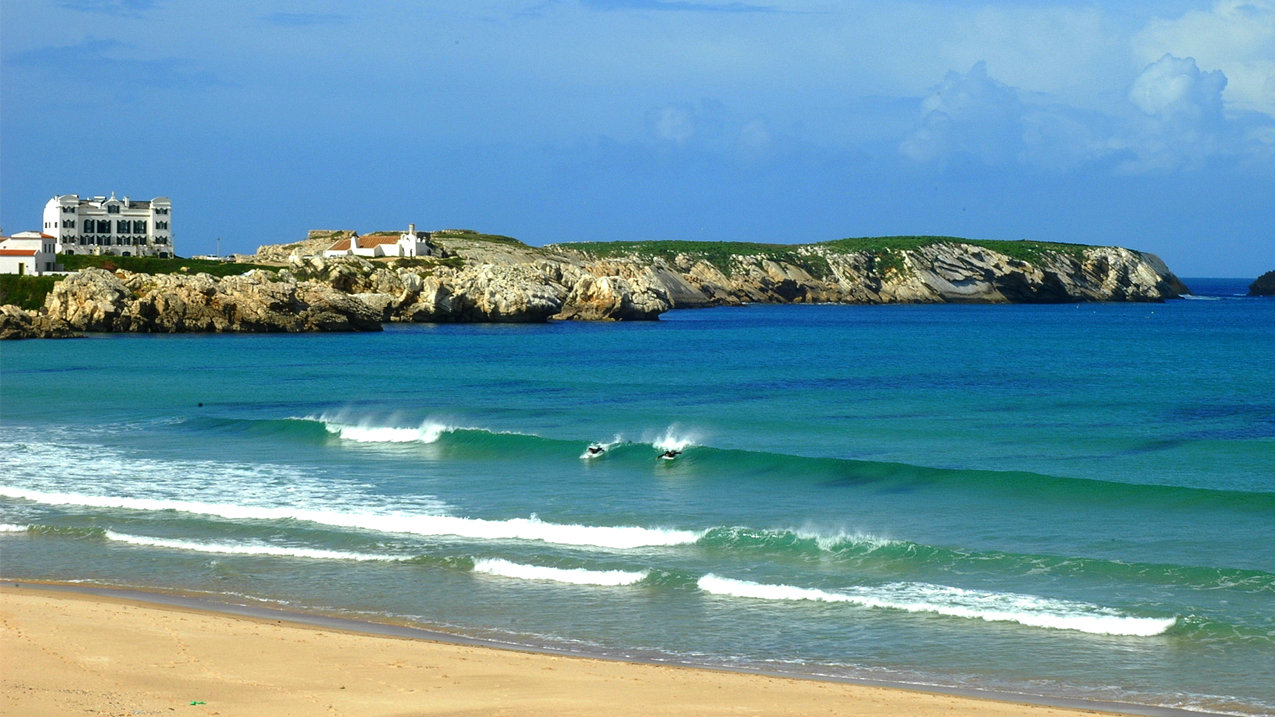
Between Lisbon and Porto. Not very far from Supertubos, one of the heaviest beach breaks in the world you’ll find Baleal, a world-class spot for beginners. You’ll find bigger and smaller waves by moving north or south to the more protected areas with easier sections. And when you feel ready to rise to the next level all you need is to walk a few yards away and test yourself.

Also discover more options for beginners in Portugal.

9. Praia do Amado – southwest Portugal

The quintessential beginners spot in the south of Portugal, Amado was one of the first spots in the country to receive “new surfers” from many European countries on a regular basis. Also a soft mellow wave with many surf schools to choose from, Amado is a beginners dream spot.

10. Mareta in the Algarve

Mareta surf

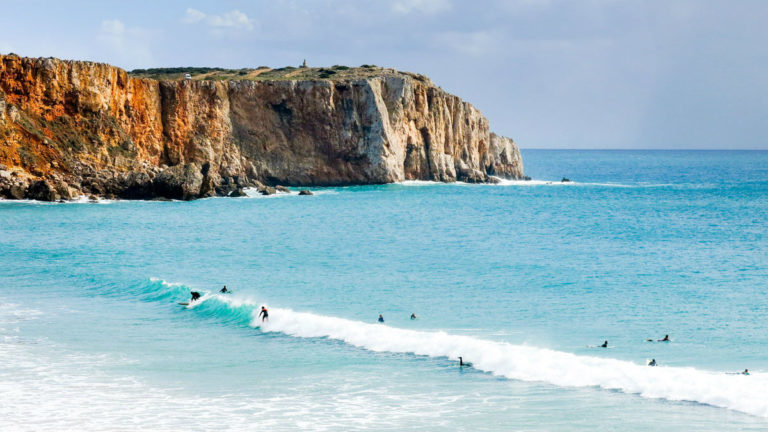
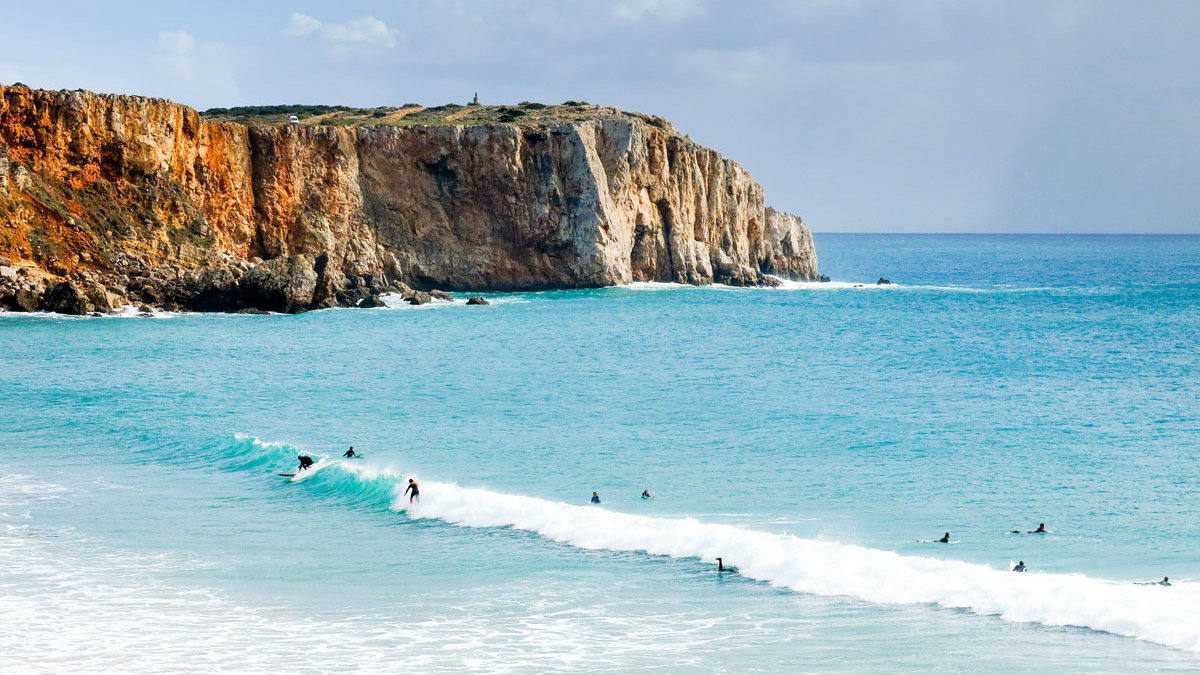
Mareta Beach in Sagres, nestled among stunning cliffs and near a historic fortress, is not just a surf spot but a family-friendly beach ideal for swimming and sunbathing. It’s easily accessible with ample free parking and offers dining options right on the beach. While known for its mellow vibe, Mareta can surprise with its waves when the south swells come in, offering gentler, beginner-friendly surf conditions compared to the more intense west coast. However, these waves can still pack a punch on bigger days, so it’s good to stay informed about the tides and seek advice if you’re new to surfing here.

11. Praia do Sul in Lisbon Region (Portugal)

Praia do Sul, a stunning beach near Ericeira, is just a short walk from local accommodations and offers a variety of surf breaks suitable for different skill levels. While the beach is more favorable with bigger swells, beginners have options too.

Toward the middle of the beach, there’s Furnas, a spot with gentler waves perfect for those just starting out or looking to practice in milder conditions. While the north side features Pico do Futuro, a spot for advanced surfers, beginners might want to stick to the more forgiving central areas.

Occasionally, the south end of the beach also offers a nice left-hand wave, providing another option for novice surfers to catch some rides.

When to surf in Bali? A Seasonal Guide to Surfing this tropical paradise.

Bali is a surfer’s paradise, with some of the best waves in the world. But did you know that the surf season in Bali changes throughout the year?

In this blogpost, you’ll discover the different surf seasons in Bali and what you can expect during each one.

The Dry Season (May-September)

The dry season in Bali is the most popular time for surfers to visit the island. During this season, the weather is warm and sunny, and the waves are consistent and powerful.

Some of the best surf spots during this season include Uluwatu, Padang Padang, and Bingin.

These spots offer long, barreling waves that are perfect for experienced surfers.

Additionally, the dry season is when many surfing events and competitions take place in Bali, such as the Rip Curl Cup at Padang Padang.

The Wet Season (October-April)

While the wet season may not be as popular among tourists, it can still offer some great surfing opportunities.

During this season, the weather is a bit cooler and rainier, but the waves can be just as good as during the dry season. Some of the best surf spots during this season include Canggu, Keramas, and Medewi.

These spots offer more mellow waves that are great for beginners or intermediate surfers. Additionally, the wet season is when you’re more likely to find empty lineups and uncrowded waves.

The Shoulder Seasons (April-May and September-October)

The shoulder seasons are a great time to visit Bali if you want to avoid the crowds but still catch some good waves.

During these seasons, the weather is transitioning between the dry and wet seasons, so you can expect a mix of sunny and rainy days.

Some of the best surf spots during these seasons include Balangan, Dreamland, and Nusa Dua. These spots offer a variety of wave types, from long walls to fast barrels.

4 tips for Surfing in Bali

Whether you’re a beginner or an experienced surfer, there are some things you should keep in mind when surfing in Bali.

  1. First and foremost, always check the tides and surf conditions before heading out. Bali’s reefs can be dangerous, so it’s important to know what you’re getting into.
  2. Additionally, try to avoid crowded surf spots, especially during the dry season when the island is packed with tourists. If you’re new to surfing, consider taking lessons or renting equipment from a reputable surf school.
  3. Finally, be respectful of Bali’s culture and traditions while you’re on the island. Dress modestly when you’re not in the water, and don’t leave any trash behind on the beach.
  4. Read our dedicated page on surfing in Bali. Here you will discover must-visit surf spots and other practical informatie for your surftrip in Bali.

A true surfer’s dream destination

Bali is a true surfer’s dream destination, with something to offer for every skill level and preference. By understanding the different surf seasons in Bali, you can plan your trip accordingly and make the most of your time on the waves. Whether you’re looking for powerful barrels or mellow walls, Bali has it all.

Just remember to stay safe, respect the local culture, and have fun!

And interested in Bali, but than like it was 20 year ago? Check surfing in Sri Lanka.

9 tips for surfing in Cantabria in Spain

Discover the Magic of Cantabria: A Surfer’s Paradise

Embark on an enchanting journey to Cantabria, Spain, a hidden gem that offers one of Europe’s most exquisite surfing experiences. With the majestic Picos de Europa as your backdrop, immerse yourself in a surfing haven that caters to both longboarders and shortboarders alike.

Why Cantabria?

sanvi surf

Cantabria is not just a surf spot; it’s a sanctuary where mellow waves meet a laid-back atmosphere. Here’s what makes this region a must-visit for every surfer:

  • Ideal for Longboarders: With its gentle waves, Cantabria is a longboarder’s dream come true.
  • Welcoming to Shortboarders: Don’t worry, shortboarders; there’s plenty of action for you too.
  • Beyond Surfing: Explore the rich culture, stunning landscapes, and friendly locales that make Cantabria special.

Your Cantabria surf adventure: 9 tips for a great experience

  1. Getting There: Fly to Bilbao and venture west to Cantabria. Tip: Compare airline surfboard fees to save on travel costs.
  2. Cultural Delights: Don’t miss the iconic Guggenheim Museum in Bilbao, a masterpiece of modern architecture, boasting intriguing art exhibitions and a cozy café.
  3. Surf’s Up: Head to Oyambre or San Vicente de la Barquera for unparalleled surfing. Oyambre, nestled in a National Park, offers a serene escape amidst nature.
  4. Stay in Style: Consider Villa Sofia for your accommodation, where comfort meets stunning views, be it the Picos de Europa or the vast ocean.
  5. Surfing Spots: Enjoy diverse surfing experiences at Oyambre and San Vicente, each offering unique conditions for unforgettable surf.
  6. Explore Comillas: On a flat day, visit the charming town of Comillas to admire Gaudi’s architectural genius.
  7. Keep Surfing: At Buena Onda Escuela de Surf, friendly experts are ready to enhance your surfing skills or provide top-quality boards.
  8. Picos de Europa: A short drive away, these mountains offer breathtaking views and a touch of adventure.
  9. Mobility Tip: Renting a car is your key to exploring Cantabria’s treasures at your own pace.

Capture the Essence of Cantabria

picos

From the thrill of riding perfect waves to the tranquility of its scenic landscapes, Cantabria is a destination that offers more than just surfing. It’s an experience that feeds the soul, sparks adventure, and creates memories to last a lifetime.

Join the Adventure

Have you explored Cantabria’s surfing paradise? Share your experiences or plan your journey today. Embrace the waves, the culture, and the unparalleled beauty of this Spanish treasure.

6 cool surf spots in the north of Spain near Bilbao

0

Unfortunately, the number of days you can walk onto the beach with your board under your arm and the sun on your head to catch some waves can be counted on two hands, maybe three hands if you live in Northwestern Europe.

Surfing Around Bilbao

Fortunately, with some planning, you can be in sunny Spain for just a few dozen euros, where the weather conditions are somewhat better. Flying to Bilbao is quite affordable. From there, you have all the options. Head towards San Sebastian, or plan a road trip to the east.

Therefore, we have listed some cool surf spots for you in Northern Spain, all easily accessible from Bilbao.

  1. Playa Razo

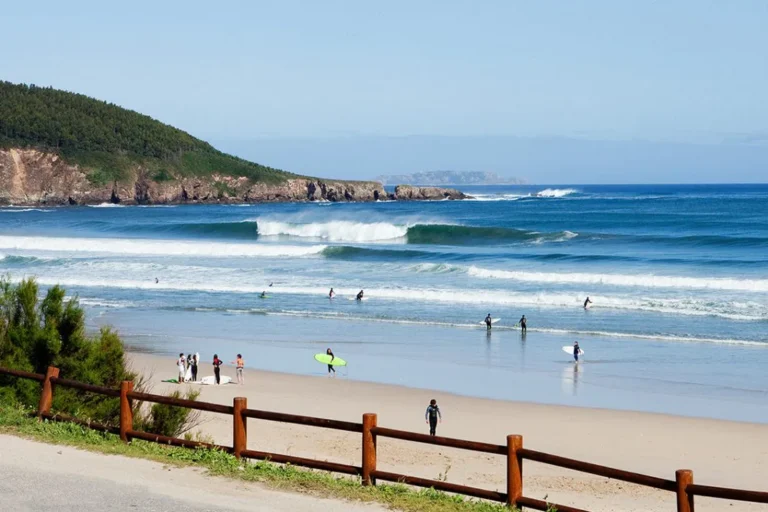
Okay, this one might be a bit harder to reach from Bilbao. Razo Beach is located west of the Spanish city of A Coruña in the northwest of Spain. It’s a beautiful road trip from Bilbao.

The expansive beach with many sandbanks ensures that A-frame waves are produced at Playa Razo. This is ideal for surfers of all levels. What makes it even more beautiful is that it’s an open beach. This ensures a constant supply of good waves, even during the smallest swells.

Since the waves are not gigantic, it’s a good place to learn the basics or to perfect your technique.

  1. Zarautz

Zarautz is a small town about 20 minutes from San Sebastian. The town has a long bay with about 3 km of beach and beach breaks. The extensive beach also provides a constant supply of waves. The quality of the waves is evident as the San Miguel Pro Surfing Event is held annually in Zarautz.

Learning to surf here is no problem either, as there are several surf schools eager to share their passion with you.

  1. Playa Somo

Playa Somo is an hour’s drive east of Bilbao. Somo Beach is a golden sandy beach that stretches 2km to Loredo. The beach is surrounded by dunes and pine forests, creating a very surf-oriented vibe with a variety of good peaks to choose from.

At high tide, it’s a good spot to learn surfing. At low and mid tide, Somo Beach is more suited for the more advanced surfers. Since the beach is directly on the sea, you can find good waves all year round!

  1. Zumaia

This town is located just west of Zarautz and has a beach break of good quality and consistency. Here, you’ll find plenty of waves with small to medium swell in both left and right directions. The beach offers waves up to one and a half meters, suitable for both beginners and advanced surfers. If you follow the coast a bit further, you’ll reach Playa Gris of Zumaia, a spot for experts with waves up to six meters near the rocks. Thus, Zumaia offers surfing fun for everyone.

  1. Mundaka

Located about 40km from the center of Bilbao, Mundaka is considered by many to be one of the best waves in Spain.

This left-hander can produce 200+ meter waves that are near perfection with a SSW wind and a strong NW swell. Combine this with the triangular sandbank, and it produces fantastic waves with deep barrels.

This wave is not for beginners but is more for advanced surfers who want to take their skills to the next level.

  1. San Vicente and Oyambre

san vicente surf

San Vicente de la Barquera, or Sanvi for short, is another beautiful surf spot in Spain next to Oyambre. Many Dutch surfers are familiar with this spot and return regularly. Sanvi is a cozy authentic Spanish village with various spots in the bay. And if the wind is westerly, then just around the corner at Oyambre, it’s likely wonderfully offshore. Read more about surfing at San Vicente.

What are the plans for Imsouane?

The coastal village of Imsouane, located 100 kilometres north of Agadir in Morocco, is a paradise for surfers and digital nomads. We reported earlier, that according to plans by the Moroccan Ministry of Tourism, the village will undergo a massive transformation. This reconstruction of Imsouane, has been met with great outrage (see earlier post: Imsouane in Crisis).

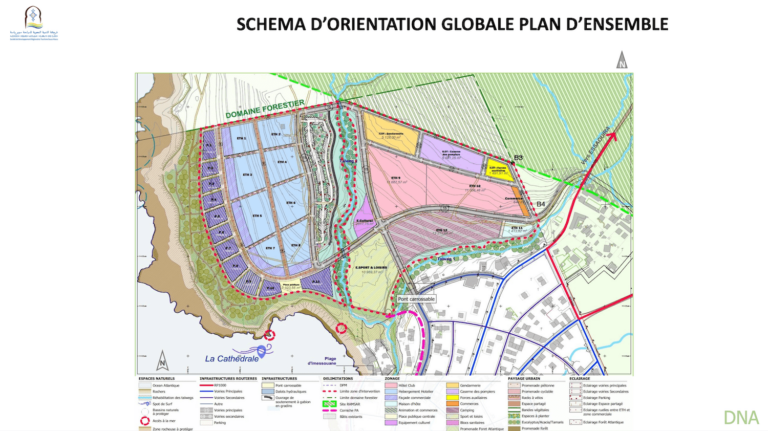
What is the plan for Imsouane?

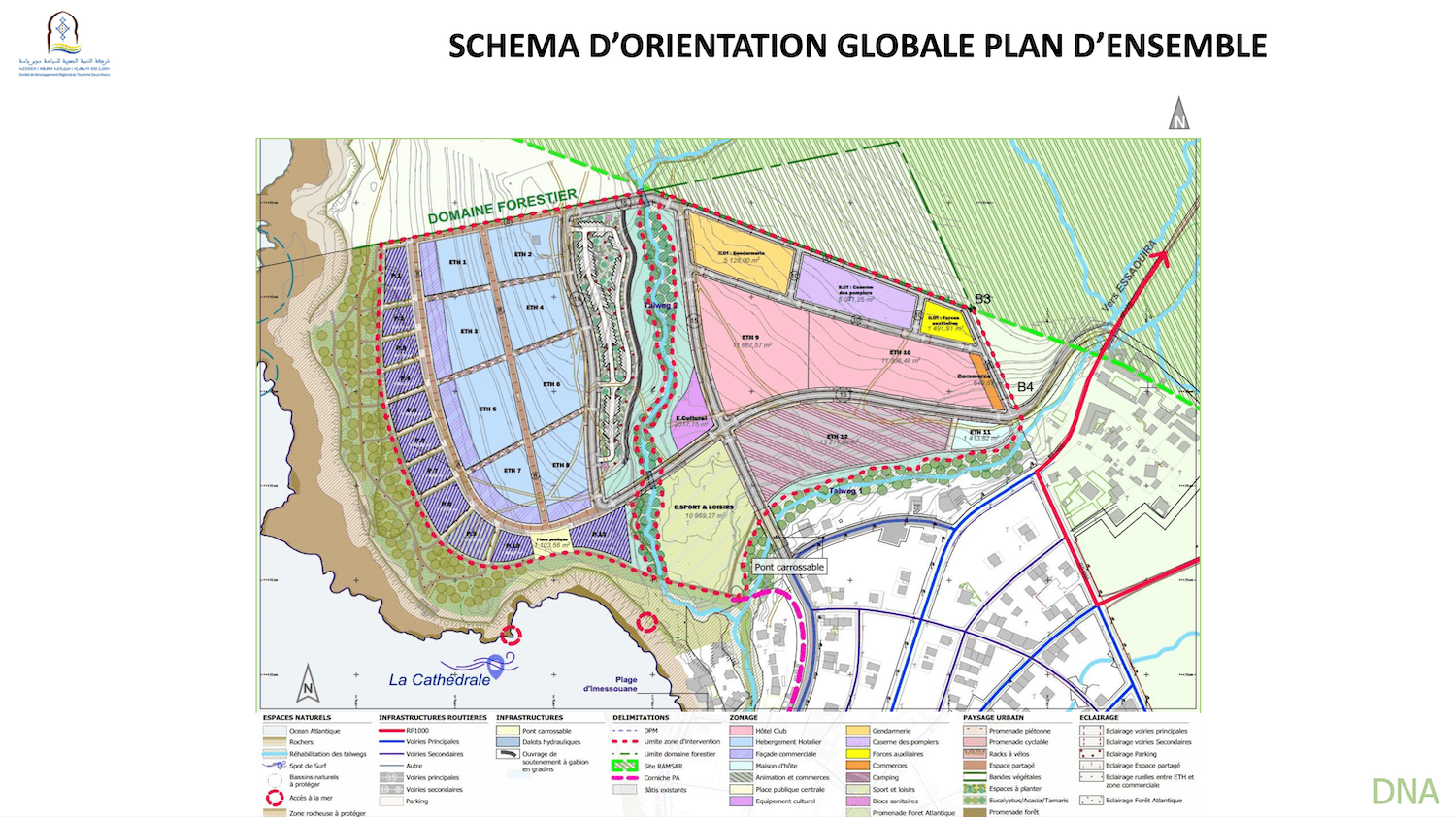
We are following developments as closely as we can. What we know is that it involves an area of 18 hectares.

See also this drawing:

construction plans imsouane


This includes:

  • 79,259.27 square metres for accommodations such as hotels and campsites,
  • 13,987.04 square metres for cultural and sports facilities,
  • 13,377.56 square metres for dining and entertainment options,
  • and 747.03 square metres for commercial activities.

About 30% of the area will be used for roads and 7% for green areas. And the total budget for the project is about EUR 5 million.

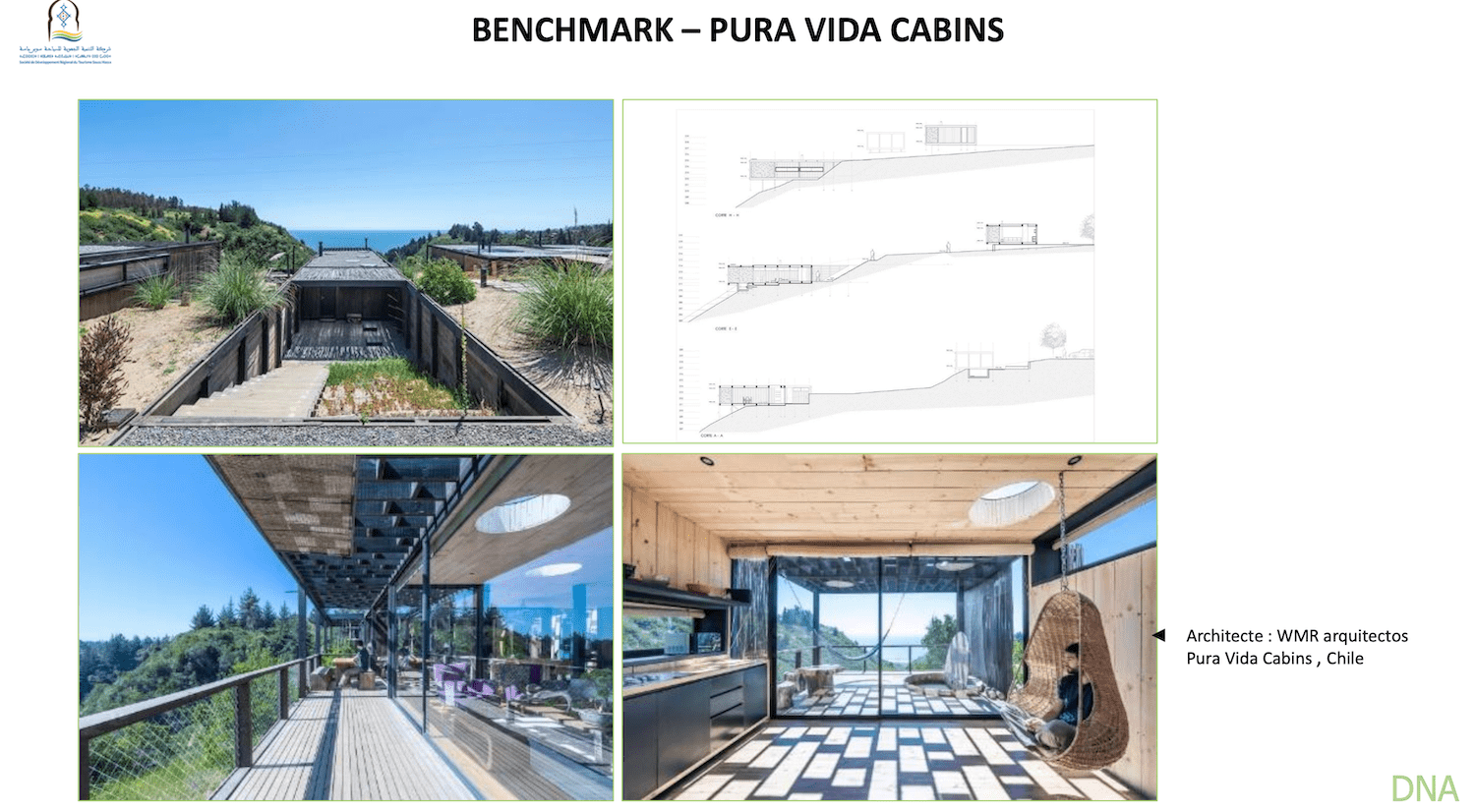
The design of the project is said to be inspired by sustainable architecture, with an emphasis on the use of wood and dark stones, large windows and connected walkways. For the hotel sections, ideas have been taken from Turkey and Jordan.

Check out these mock-ups:

transformation imsouane 2
Source: tuttologicsurf.it

Concerns

As far as we are concerned, one of the most important questions is and remains; what does this mean for the local people of Imsouane? Not for nothing is a Go Fund Me set up to support the locals.

Check out the GoFundMe page.

Crisis in surf town Imsouane: A Battle Against Demolition for Resort Development

In the picturesque Moroccan surf town of Imsouane, a crisis is unfolding that has caught the attention of both local residents and the international community. A series of shock demolitions, purportedly paving the way for a megaresort development, has sparked widespread outcry and urgent calls for action.

Also read our follow-up article: what are the plans for Imsouane?

The Onset of Demolition and Its Impact.

Only 24 hours to vacate.

Reportedly backed by the Moroccan government, the demolition works began with little warning to the residents, giving them a mere 24 hours to vacate.

Imsouane, known for its exceptional surfing waves and vibrant local culture, is witnessing the forced evacuation of dozens of families and the dismantling of numerous surf businesses.

The local community, which has thrived on tourism and the unique charm of Imsouane’s old town, is now facing the erasure of their homes and livelihoods. The demolition, which began on January 17th, has targeted buildings deemed unlicensed by the government, including those that have been part of the town’s fabric for generations.

Local and International Reactions

The abrupt nature of these demolitions has sparked a wave of reactions. Residents, some of whom have lived in their homes for over three generations, were seen transporting belongings as bulldozers razed parts of the town. The local surfer community, including notable figures like Lahcen Aguerd and Hbekka Rais, has expressed deep sorrow and anger over the loss of their town’s authenticity and history.

Internationally, the surf community and social media users are vocalizing their dismay, sharing images and videos of the demolition and its aftermath. A poignant sentiment echoes through these shares: “Goodbye Imsouane, Goodbye paradise of surfers.”

Mobilizing Support Through Petitions and Fundraising

In response to this crisis, an online petition was initiated on January 17, calling for the halt of the demolition. This petition, supported by local businesses and concerned citizens, highlights the potential loss of the town’s characteristic charm and the livelihoods dependent on its tourism appeal.

Parallelly, a GoFundMe account has been set up to assist affected residents with legal aid, rebuilding, and relocation costs. This initiative reflects a community’s determination to fight for their homes and heritage.

Check de GoFundMe page.

The Larger Picture and Uncertainties

The demolition in Imsouane is not an isolated incident along the coast of Morroco. Similar occurrences in nearby towns like Tifnit reveal a pattern of development that prioritizes new constructions over existing communities and ecosystems.

The lack of transparency and sudden execution of these plans raises serious questions about sustainable development and the preservation of local cultures.

Tifnit a few weeks ago:

As this story continues to develop, the fate of Imsouane hangs in a delicate balance. The international outcry and local resistance may yet influence the course of events, offering a glimmer of hope for the preservation of this beloved surfers’ paradise.