
Sunday, February 8, 2026
Home Blog Page 6

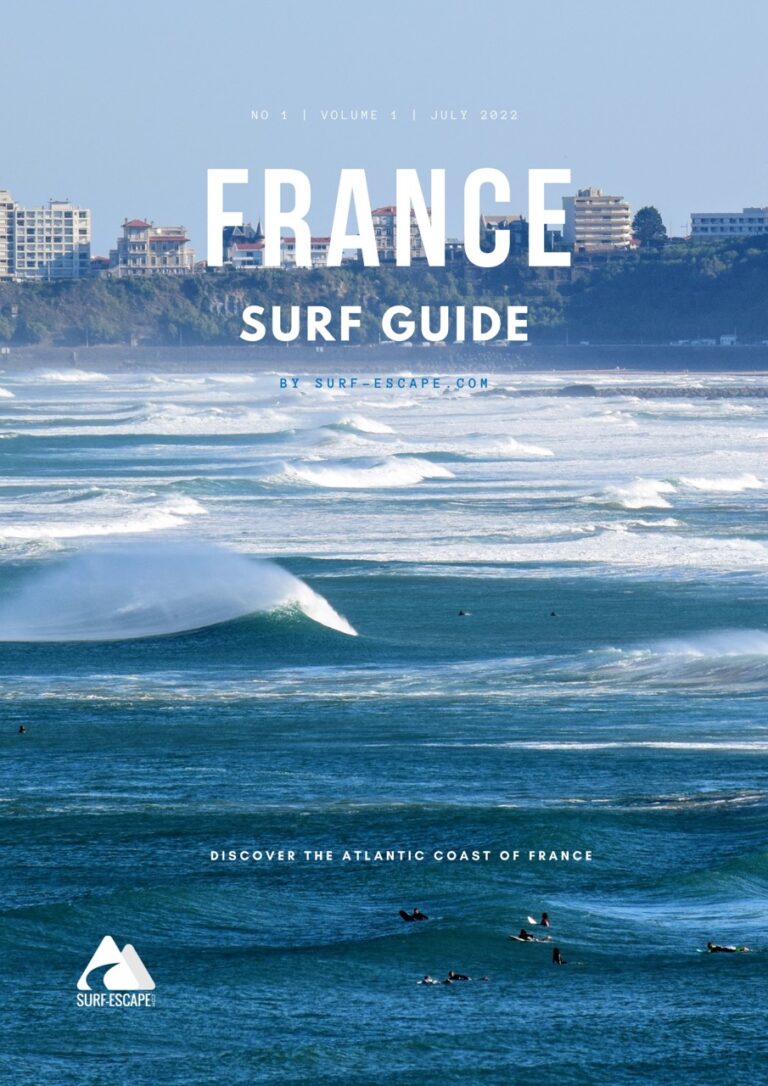
New Surf Guide to France

The average surfers know that France is a 5 star surf destination in Europe. We’ve got a dedicated page about surfing in France.

The surf conditions in France are great. The beaches are beautiful. And the weather – generally – provides the perfect summer temperature from May to late September.

Now, you can download the new France Surf Guide for free.

surf guide france

Foil surfing: all you need to know

Introduction to foil surfing

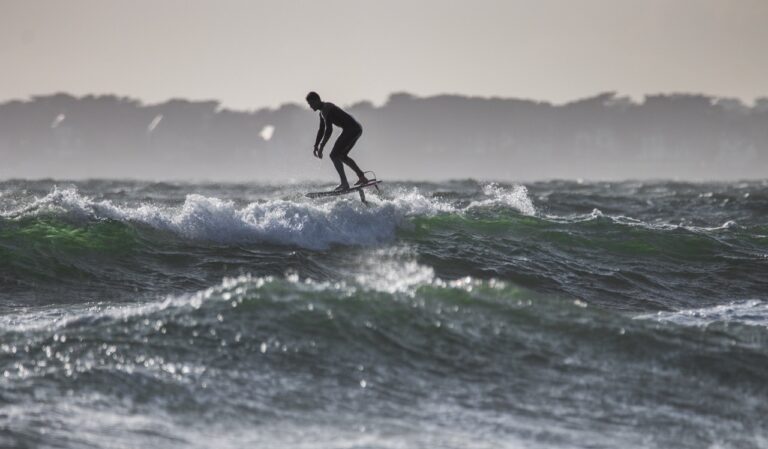
If you’ve ever wondered what it feels like to be a seal, now’s your chance. Foiling is an exciting new sport that involves riding on top of a hydrofoil while surfing. It’s exhilarating, thrilling, and can make even the most novice rider feel like an expert when they’re up on their board. There are many different types of foils that allow for different types of riding styles; however, there are also multiple types of boards to choose from as well. In this article, we’ll be going over everything you need to know about the world of foiling so you can get started today!

What is Foiling?

Foiling is a way to surf the ocean in a completely new way. It’s like flying through water, and it’s amazing. There are two main pieces of equipment that you need: an inflatable foil (or ‘wing’), and a hydrofoil. The foil goes on top of your board and provides lift, while the hydrofoil sits under your board and keeps it stable while lifting out of the water.

The sport of foiling has blown up all around the world, and it’s easy to see why – it looks like flying over the ocean.

In fact, foiling is just a type of windsurfing or kitesurfing.

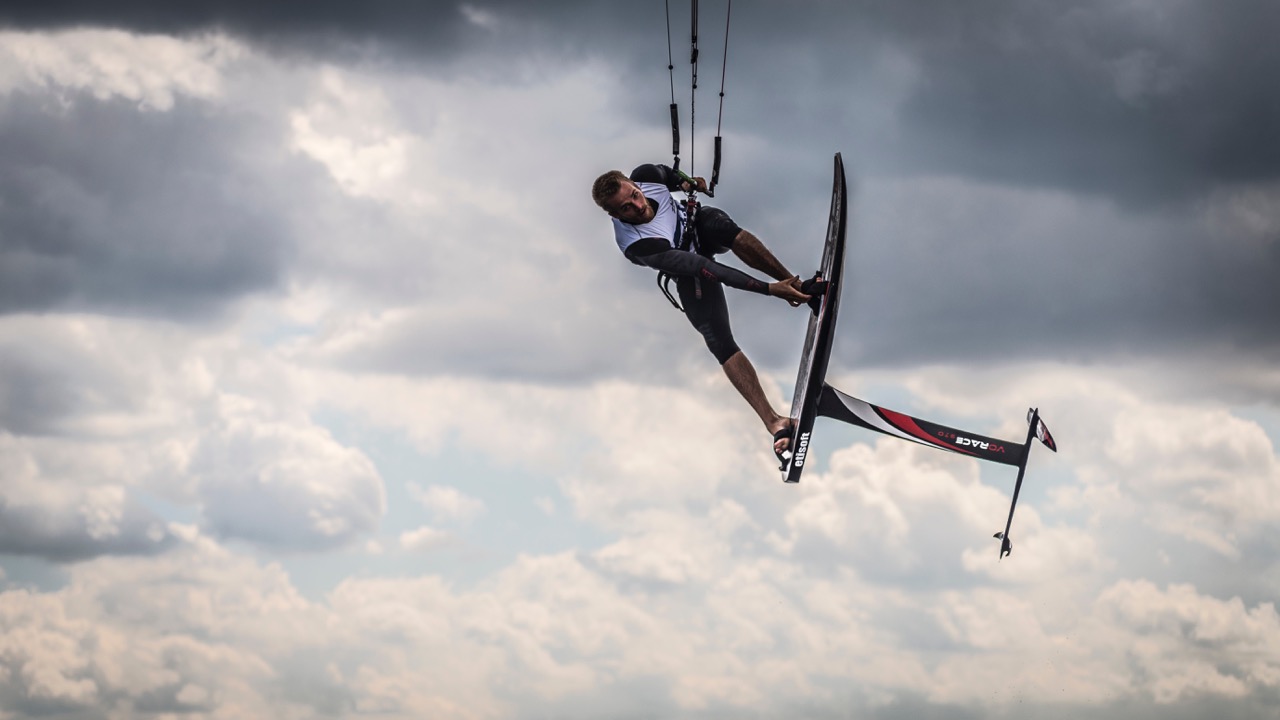
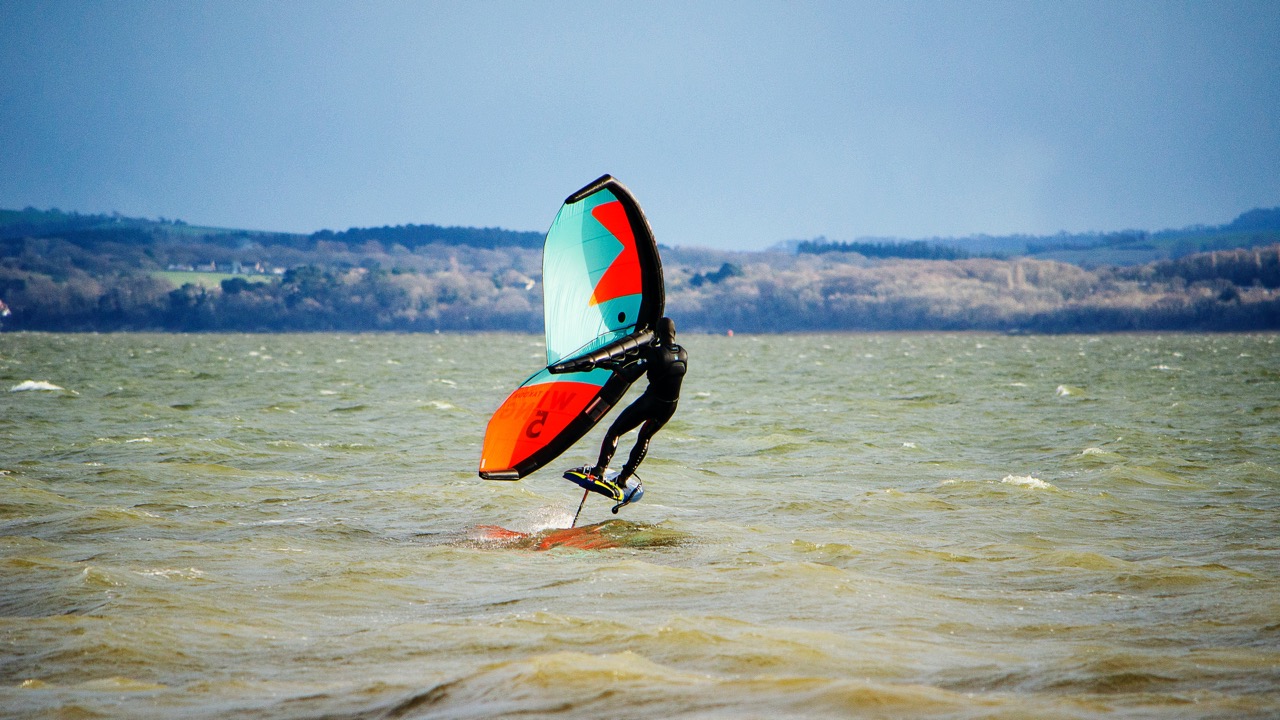
Foil kitesurf

A foil board—a specialized surfboard—is connected to an underwater hydrofoil that lifts your body out of the water when you’re riding on it. The result is an exhilarating experience in which you feel like you’re flying above the water.

Foiling can also be used for racing as well as recreation. There are professional competitions all around North America and Europe where riders compete against each other in events called “slaloms” or “speed laps.”

Foil board types.

There are a few different types of foil boards, but the main two are hydrofoils and kites. While both can be used for surfing, they each have their own unique features and characteristics that set them apart from one another.

Hydrofoil boards are what people will typically think of when they picture a “foil surfboard.” They work by creating lift from the water passing under them through their aerodynamic design. A hydrofoil board will always have at least one fin in it, which helps keep the rider steady while on top of the water’s surface.

Kites work differently than hydrofoils do because they use wind power rather than water power to create lift (this is why these types of boards aren’t super popular). Kites can take off faster than hydrofoils because there isn’t as much friction between them and where you’re standing when you start moving around in air rather than liquid—but once your kite is airborne, it will require more effort to keep upright compared with an equivalent-sized hydrofoil board!

Why are foils so fast?

So why are foils so darn fast?

Let’s take a look at what makes foil boards so different from their windsurfing and kiteboarding counterparts. Foils generate more lift than traditional surfboards because they are much wider and have longer water lines (the distance between the nose and tail of your board). Additionally, because they are significantly narrower than traditional boards, it also means that they can travel through the air with fewer drag-inducing appendages sticking out of them—which means that you don’t need to be as good at balancing as you do on a regular board in order to get up on your foil!

Why do foil boards have less volume?

In contrast to a traditional surfboard, which can weigh up to 30 pounds, foil boards are much lighter because they are made of carbon fiber. This material is used in the construction of airplanes and race cars for its strength and lightness.

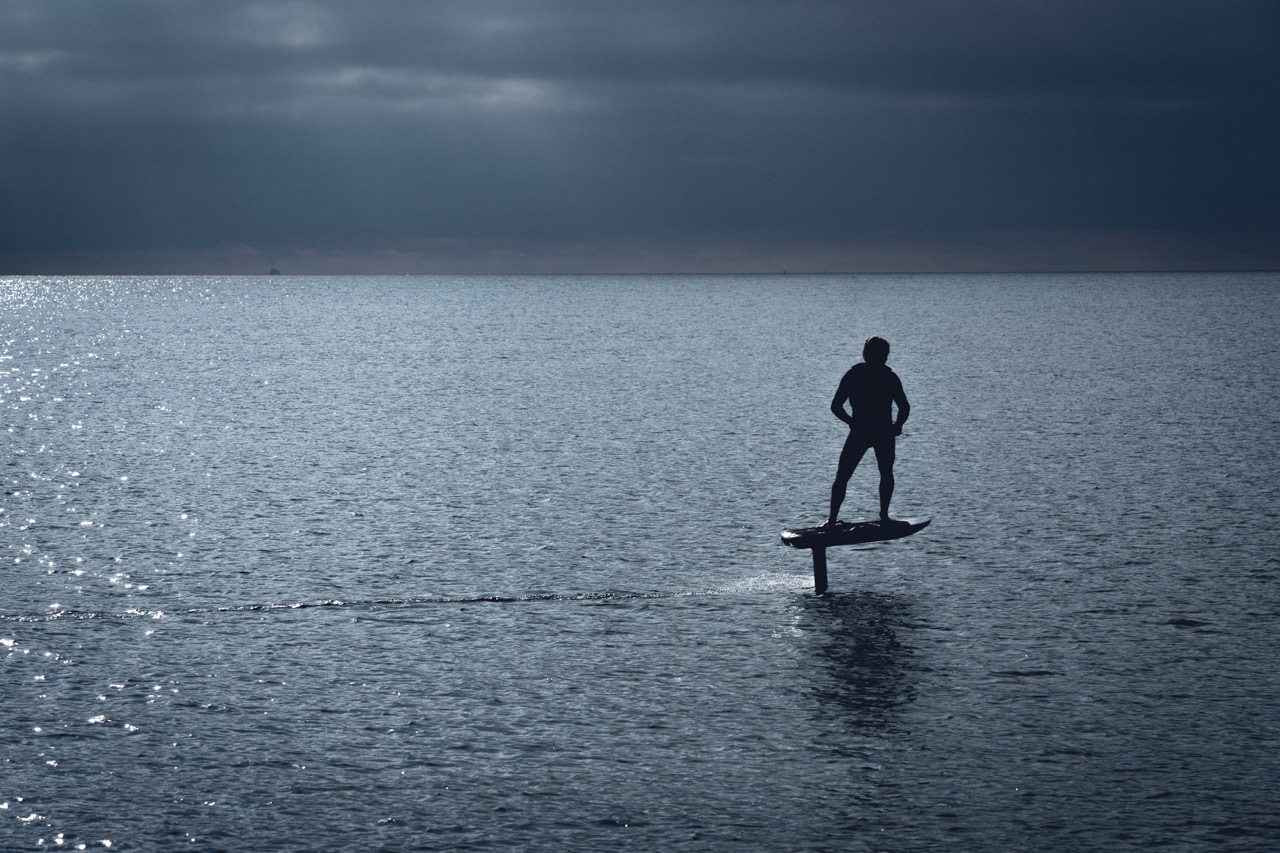
E Foiling
E Foiling

The smaller surface area of a foil board allows it to cut through waves quickly with less drag than a large hull design would allow. Additionally, this means that there is less water resistance against your body when riding a foil board than you would experience zipping around on waves on a regular surfboard or even a standing-up paddle (SUP) board.

Why is a foil surfboard more expensive than a regular surfboard?

Foil boards are more expensive than traditional surfboards because they require a lot of thought and effort to make. Foils are still a relatively new development in the world of surfing, meaning they haven’t been around long enough to be mass produced on an industrial scale. As such, the material costs associated with producing them are higher than traditional surfboards—and this cost is passed down to you.

Why would anyone want to buy one then? Well, if you’re not going for thrills or adrenaline rushes when you’re out on the waves and instead just want your own personal slice of heaven where no one can disturb your zen-like state—then maybe this isn’t for you!

How to get started with foiling/hydrofoil surfing?

  • You will need a board. This is the most important part of your foiling experience, so make sure you get a good one.
  • Next comes the foil: attach it to your board, and be ready for some serious fun! Your new hydrofoil surfboard is ready for use now! And don’t forget about that lesson—you can learn everything about how to use it by taking lessons from an instructor or watching tutorials online (there are many of these). They’ll make everything much easier if you’re new to this kind of sport, which is really important because safety should always come first when doing any kind of activity like this one!
  • Now that all those things are taken care of it’s time for some practice – go out there on the water and have fun!

Conclusion

With so many people out there foiling, it’s only a matter of time before you decide to give it a try. The question remains – what kind of board should you get for your first hydrofoil surfboard? The answer is simple: go with the one that fits your needs and budget. You can’t go wrong with any of the boards mentioned above as they all perform well in different conditions!

Bella Vita surf movie

One of the best movies out there (we think). Alltough it’s been out for several years it’s still awesome to watch.

Bella Vita.

Check out the trailer below.

Many beautiful surf scenes are recorded at Sardinia. Check out our Sardinian Surf Guide: Surfing in Sardinia.

Surfing lessons in France? Discover where and how.

Surfing lessons in France and how that can help you improve your surfing skills: a blog about the surf conditions in France along with where you can take the lessons.

Below you’ll discover 5 Must-Know Surf Spot When You First Take Surfing Lessons

Let’s face it: you’ve always wanted to learn how to surf, but you just haven’t found the time. Or maybe you’ve taken a few lessons but still feel like there’s something holding you back from that sweet, sweet glide through the water.

Well, if you’re in France, we’ve got good news for you. There are tons of places where you can take surfing lessons and get started on your journey toward becoming a pro surfer.

Whether you’re a beginner or a pro, you’ll want to learn how to surf in France. It’s one of the most beautiful places on Earth, and it’s also where some of the best surfing in the world takes place.

Start with a Surfschool

The best place to start is with an instructor. You can find some on sites like Surfline or Surf School. The latter is a website listing all the surf schools in France and the level of instruction they provide (beginner, intermediate or advanced). It also provides information about each school’s location, quality and prices (which range from 30 euros per hour for beginner lessons up to 200 euros for more advanced classes).

Some schools offer lessons for people who are too old or too young to participate in competitions but still want to learn how to surf. These lessons tend to be cheaper than those provided by competitive schools, costing around 20 euros per hour instead of 60 or 80 euros per hour.

If you want to learn the basics of surfing, you’ll probably have to book your lesson well in advance (or even months ahead). This is because most schools require at least four people to start a course – and if not enough people sign up for one time slot, they’ll have to cancel it altogether.

The 6 top spots to learn surfing

Here’s a list of the top spots where you can learn the art of catching waves:

1) Hossegor Beach

This beach is one of the best places in France to learn how to surf. It’s known for its consistent waves and warm waters, which make it easier for beginners to learn how to balance themselves on their boards and stay upright while riding them through the waves. The best part? It’s free! All you need is an open mind and a willingness to learn something new—which we know is something everyone has!

2) St-Jean-de-Luz Beach

This beach is another great spot for learning how to surf, especially if you’re interested in taking classes with other people who want to learn too (that way no one feels left out). The waves here are gentle.

3) La Grande Plage, Biarritz

Located in Biarritz, this beach has a reputation as one of the best surfing spots in Europe. It’s not just the waves that lure in surfers. The beautiful scenery, including the surrounding cliffs and 19th century villas, makes this area a must visit.

The beach welcomes surfers of all experience levels, but they do recommend that beginners take lessons before they tackle the waves on their own. So it’s also a great place to learn how to surf; instructors will teach you how to balance on your board before getting up on your feet and riding the waves into shore. For those who want to improve their technique, La Grande Plage offers advanced lessons that will teach you how to catch bigger waves and perform tricks on your board while standing up.

4) Plage de la Côte des Basques (Côte Basque), Biarritz

In Biarritz, you can surf all year round at La Côte des Basques because the temperatures rarely drop below 50 degrees. Even when it rains, there are still opportunities to catch some waves on the sheltered side of the beach.

There are many surf schools in Biarritz, each with its own unique feel and different offerings. Surf Master is an excellent choice as it provides a broad spectrum of services while also having a friendly, welcoming environment. Once you’ve chosen your school, you just need to decide on group or private lessons. Private lessons will be tailored exactly to your needs and skill level, but you may find that it’s more enjoyable to learn in a group setting where everyone is working together towards their common goal of riding those awesome Basque waves! If this sounds like something worth trying out, then come join us at Surf Master! We’ll guide you through all the steps necessary so that by time you’re through our classes, you’ll be ready for anything coming your way during those first few hours out

Bordeaux area for surfing lessons

There are many surf schools around the Gironde area, but not all of them offer classes in English. Here’s a list of some of our favorites that do:

  • Surf School Bordeaux (Spécialiste des cours d’initiation et perfectionnement en surf dans le sud ouest)
  • Le Surf Club du Lacanau (Safari Surf School).

5) And there is Carcans plage near Bordeaux

This is the best place to learn how to surf in Bordeaux region because it has a long wave perfect for beginners. The beach is also very safe because it is protected by rocks from all sides. The water is clear and warm, making it ideal for summer vacations.

There are many good surf schools in the area who can provide lessons at all levels from beginner to advanced. The beach has lifeguards and first aid facilities available.

Check: Carcans Plage (www.carcansplage.com)

Located right next to the beach, this surf school is perfect for beginners who want to learn how to surf in a safe environment. The instructors are friendly and patient, and they know exactly what they’re doing!

5) And there’s is of course Lacanau

here are many surf schools that offer lessons in Lacanau, and you can find them easily on Google Maps or by looking on Trip Advisor.

Lacanau Pro Surf School (www.lacanausurfschool.com)

This school offers many different types of lessons depending on your level (beginner, intermediate or advanced). You’ll also be able to rent all the equipment you need for your lessons, which will make it easier for you to practice once you’ve learned how to stand up on your board!

In conclusion

Surfing lessons in France is a great way to learn how to surf. The best part of this kind of lesson is probably the quality: private tutors are really experts in surfing and know the spots, how to start and others.


Srface wetsuit review and discount

0

SRFACE winter wetsuit review

For the winter it’s time to start thinking about what wetsuit you’ll need. A lot of surfers have a hard time deciding which suit will be best for them because they are so many options available, each with their own pros and cons. You need a wetsuit to stay warm in the winter. You want one that will be stretchy and comfortable, but not expensive. A wetsuit for surfers who needs warmth and stretch without breaking the bank.

Luckily, there’s the Srface Wetsuit. An affordable option that provides warmth without sacrificing stretch or price point.

News: we also tested and reviewed the 4’3 Remix; Check the review here.

About SRFACE

In 2018, SRFACE came to market with a no-nonsense design with all the features and high-end materials that functionally contribute to the performance of a wetsuit. The end result of almost two years of designing and testing is a wetsuit with optimal fit.

And they have done that quite successfully.

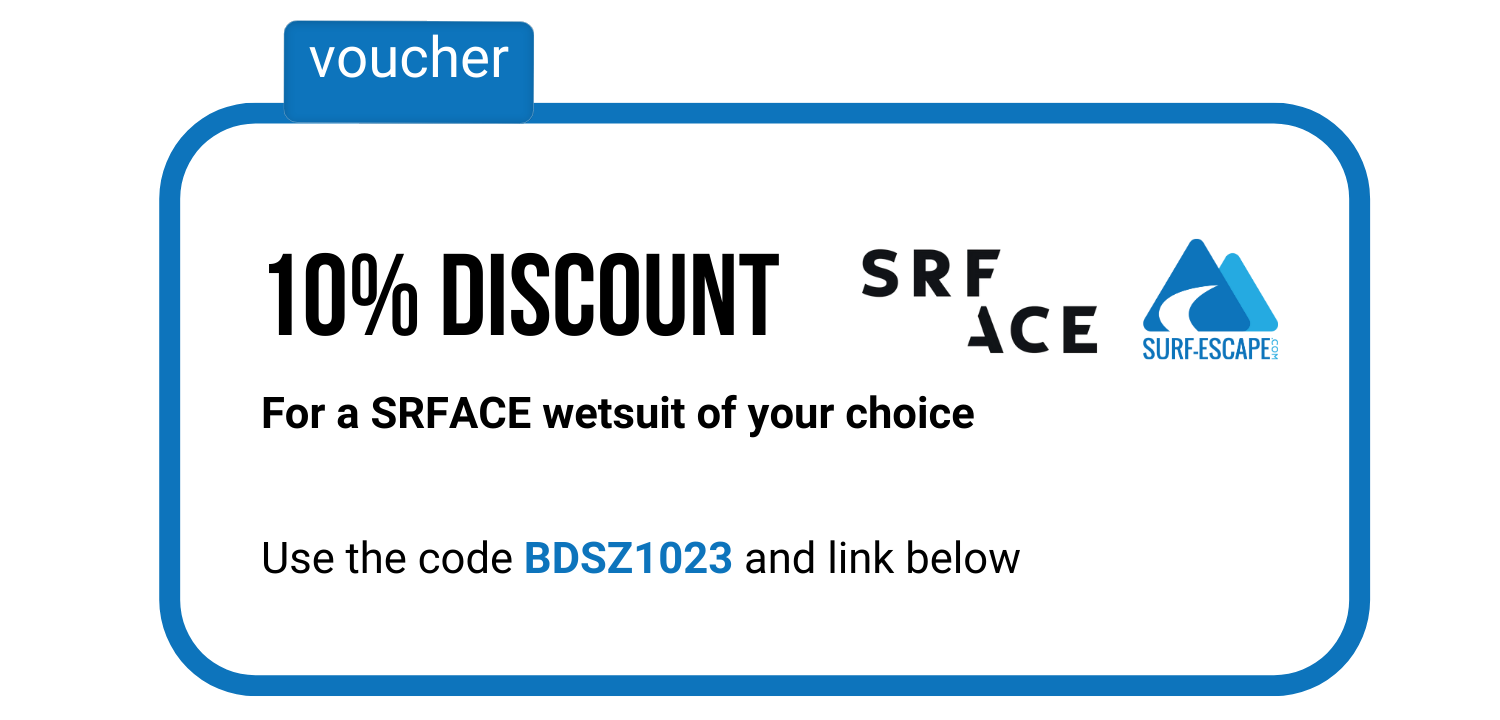
Get your 10% discount

Below you can read the review of the 5/4 wetsuit of SRFACE. And some good news to go witht this, 10% discount:

srface wetsuit remix reviewDirectly to SRFACE wetsuits

Wetsuit review

SRFACE wetsut is a no-nonsense wetsuit.

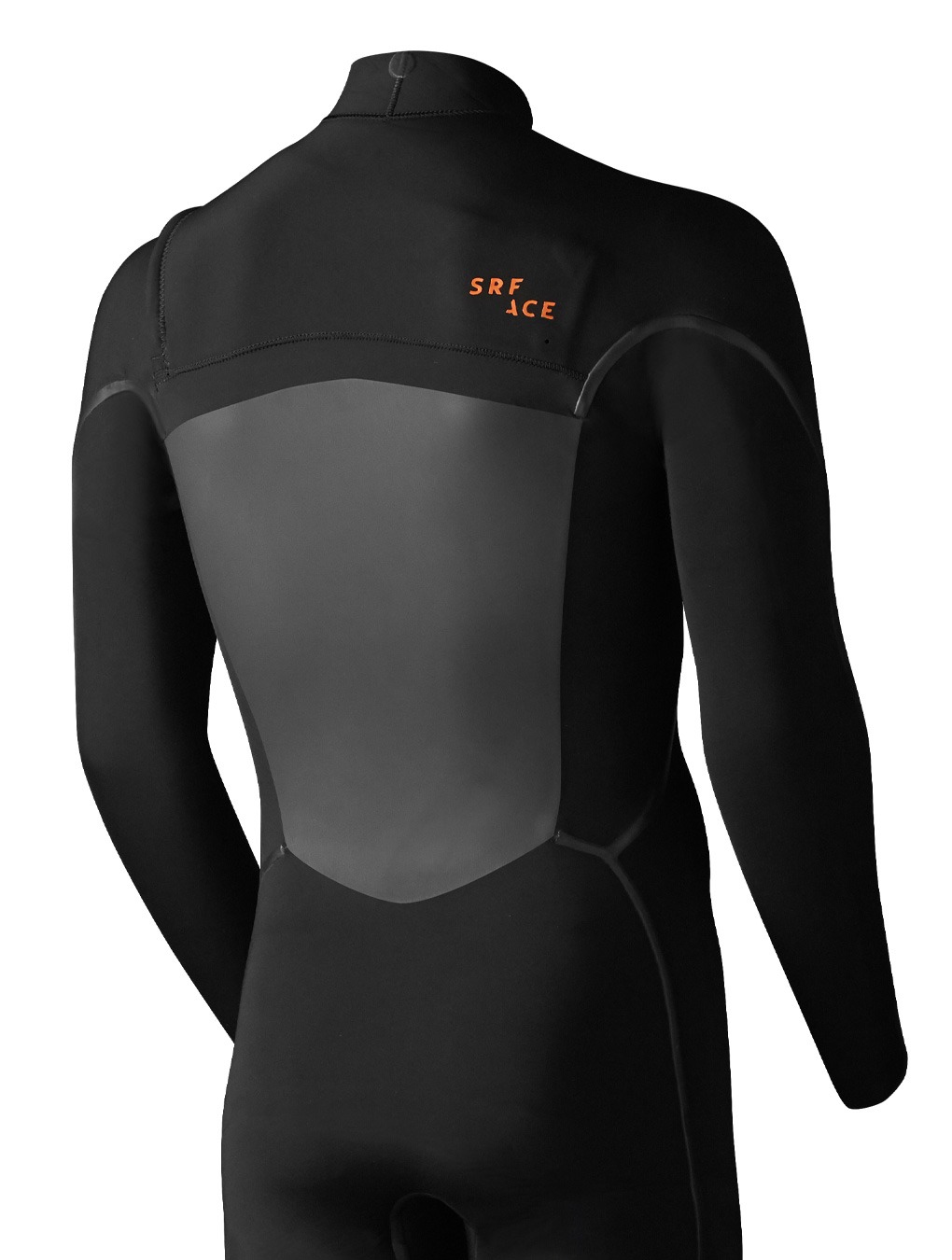
You’ve probably seen the SRFACE wetsuits bobbing around in the sea yourself. Even though they are characterized by the no-nonsense design, they also stand out. Because of the logo, among other things. That minimalistically and yet strikingly stands in a corner of the wetsuit. Small and orange. Quite chicly done.

5/4 SRFACE wetsuit test

During a surf trip to Galicia, we got to test the 5/4 wetsuit from SRFACE. Autumn was ending and the water was starting to get chilly and we had rather cold mornings. Good for testing the SRFACE wetsuit. Although, the water was to warm (14 to 15 degrees) for real testing. The suit was too hot!

Good to know; a 5/4 wetsuit is worn when the water is between 5-13 degrees. In The Netherlands, where we are based, this means between November and May. After the Galicia surf trip we tested the wetsuit all winter long in the Northsea. And we survived, easily.

Quality in your hands

What you notice right away is that you have quality in your hands. It feels sturdy, the seams are tightly finished and the zipper at your chest is super nicely done. You notice the attention to this suit on every piece.

srface wiinter wetsuit review

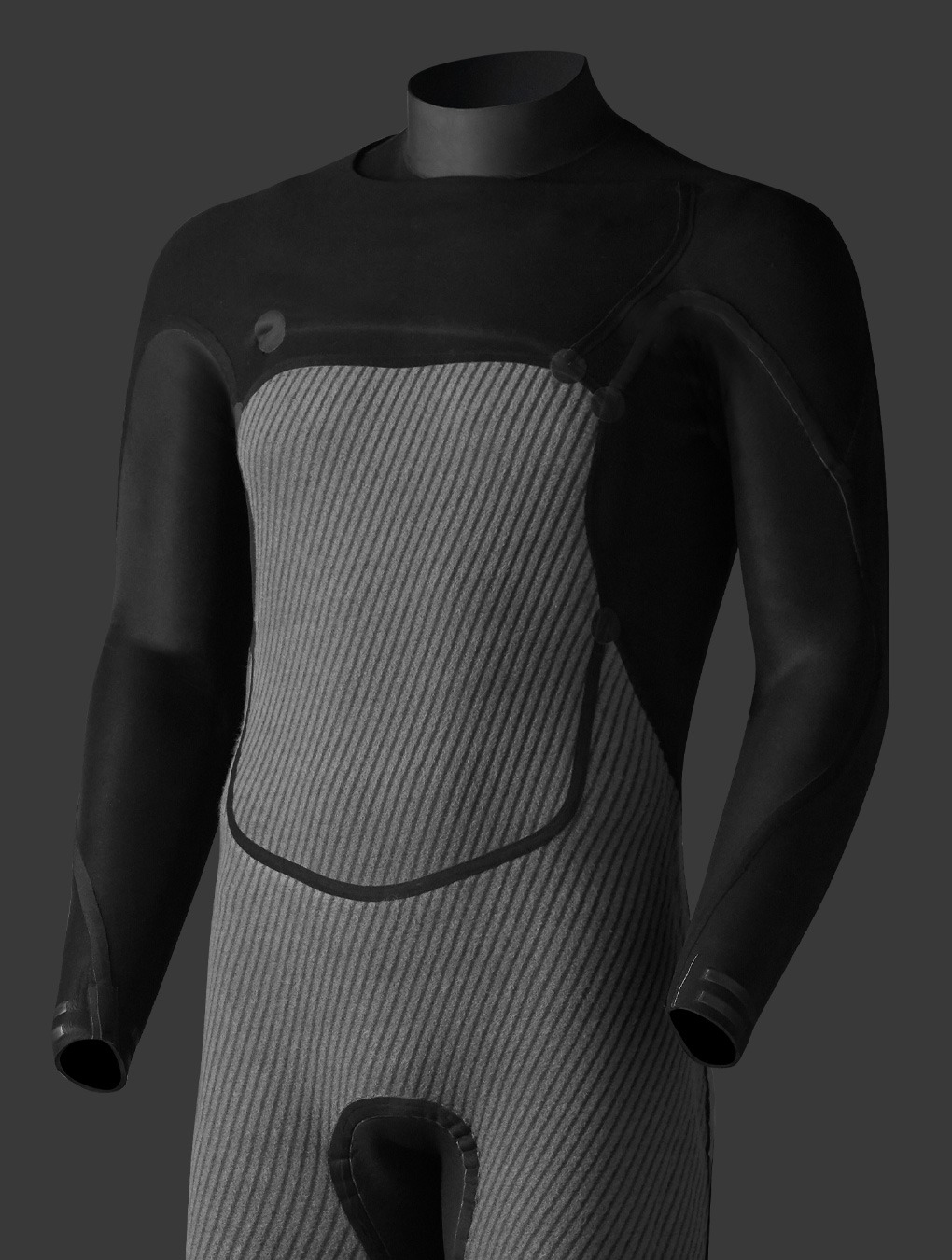
The inside of the suit is also nicely lined.

srface-wetsuit-inside review

You won’t get cold

You know right away, you won’t get cold so easily.

The anti wind-chill panels on the chest are also very nice. In the Northsea we have a lot of windy surfing days and you can imagine, that it is very nice when there is wind blowing and when it hardly or not at all gets through your suit. Loved it.

Freedom of movement

What struck me most, besides the sleek finish, is the fit.

The suit fits seamlessly to your body. Not too tight at the neck. Nice fit at your wrists and ankles. And freedom of movement. Although that may be the only area of improvement if you compare it to the Rip Curl flashbomb, for example. There the freedom of movement or stretch is even better. And you pay a lot more for that.

Eco friendly

The good news is, the suit is made of limestone neoprene. This is much more environmentally friendly than petroleum, which is still the standard in the wetsuit market. The seams are also glued together with water-based glue.

SRFACE gives a full and tangible explanation here of how they think about our footprint. That’s where they’ve made a big step in a year.

Price of the 5/4 wetsuit

The 5/4 from SRFACE costs € 260,-. And that is considerably less than for example the Rip Curl 5/4 flashbomb which is seen as one of the most highend suits on the market. You will pay almost 400,- for this.

Try it out for 30 days for free

By the way, at www.srface.com you will be easily helped to choose the right size and thickness. And you can try the wetsuit for 30 days, shipping and returns are free and the customer service is run by surfers and is available 7 days.

SRFACE has really thought this through. And it’s great to see that more and more SRFACE suits from the Netherlands are being sold abroad. We should be proud of that.

Overall review conslusion

The SRFACE wetsuit is a high quality, affordable suit for surfers who need warmth and stretch in the winter.

Review FAQ’s

How does the SRFACE wetsuit compare to high end wetsuit in terms of freedom of movement?

While the SRFACE wetsuit offers a good fit and freedom of movement, the Rip Curl flashbomb for example provides even better stretch and mobility. However, these high end wetsuits are significantly more expensive than the SRFACE wetsuit.

What material is the SRFACE wetsuit made of, and how does it contribute to environmental friendliness?

The SRFACE wetsuit is made of limestone neoprene, which is a more environmentally friendly alternative to petroleum-based neoprene commonly used in wetsuits. Additionally, the seams of the SRFACE wetsuit are glued together using water-based glue, further enhancing its eco-friendly characteristics.

What is the return policy and customer service availability for SRFACE wetsuits?

SRFACE offers a 30-day free trial period for their wetsuits, allowing you to try it out. Shipping and returns are free of charge. The customer service, which is operated by surfers, is available seven days a week and can assist you with any inquiries or concerns you may have.

What material is the SRFACE wetsuit made of, and how does it contribute to environmental friendliness?

The SRFACE wetsuit is made of limestone neoprene, which is a more environmentally friendly alternative to petroleum-based neoprene commonly used in wetsuits. Additionally, the seams of the SRFACE wetsuit are glued together using water-based glue, further enhancing its eco-friendly characteristics.


Atlantic overdrive

Pumping surf in Europe in december 2021. From Norway to Morroco.

Two Friends (photographer Michal Pelka and surfer Roy van Eijk) chased down a promising swell along the Atlantic coast. Michal Pelka know from his awesom surf photography of the Northsea and the Atlantic. And Roy always chasing the best barrels.

It became a great edit.

Atlantic Overdrive

Monumental Hossegor

Check this edit by ripitup.fr. Big Hossegor. As good as it gets.


You fly to Lisbon. But where are you going to surf?

On Wednesday we fly to Lisbon. Surf for a week. No lodging booked. Did rent a car. But where does it get good? Below are the options.

Ericeira, Ribeira D’Ilhas

Surfers 6 times more likely to develop skin cancer

What could be better to see the sun reflected on a wave that is about to break?

But that sun. There is every reason to be careful about that.

The same sun, which provides a good feeling and even vitamin D can also be life-threatening. The sun is harmful to your skin and can cause skin cancer. Skin cancer is the most common cancer (52% of all forms are skin cancer). And a recent study shows that surfers are six times more likely to develop skin cancer. Six times more likely!

The number of people with skin cancer is only increasing. And were you also burned as a child and in your youth? Then your chances are doubled of developing skin cancer at a later age.

There is only one way to prevent this. And that’s by protecting yourself.

In this article you’ll find:

  • Why are surfers more likely to get skin cancer?
  • What about the UV index, sun power and lubrication?
  • What are the 10 tips to best protect yourself as a surfer?

Thanks to, among others, the KWF (Dutch Cancer Society), Professor Mike Climstein from Australia and Frederike Fransen, general practioner from the Netherlands for the help with this article.

Aware of the risks for all water sports enthusiasts

With this blog post we want to encourage everyone to take good care of their skin and to protect it. Be aware of the risks of outdoor sports and especially water sports.

My personal reason for this article is that actinic keratosis I was diagnosed with in 2019. These are rough spots on the skin. It looks harmless, but it is a precursor to skin cancer. It mainly arises in places where places on your skin have been exposed to the sun’s ultraviolet radiation.

Actinic keratosis is benign, but it can gradually turn into squamous cell cancer if you don’t do anything. So you must already be treated.

What is known about skin cancer risk for surfers?

A simple search in Google for the danger of the sun for surfers immediately yielded an interesting study with a striking result for surfers. According to this 2015 study by Professor Climstein of a survey of 1,350 surfers from Southern Cross University, surfers are three times more likely than the average population to develop melanoma.

Melanoma is the most serious form of skin cancer and can metastasize, meaning it spreads to other parts of your body. Melanomass is among the top three most common forms of cancer in the age group 18 to 35 years.

An even more recent 2020 study by Professor Mike Climstein of Southern Cross University shows that surfers are even six times more likely to develop skin cancer. That is because they are more often exposed to UV radiation from the sun (and reflection from the water(. You can read more about the effect of UV radiation later in this article.

Not only surfers, but also swimmers and stand up paddlers were included in the study, so basically all forms of water sports with high exposure to the sun and its ultraviolet radiation.

Higher risk for surfers

As a surfer you run a higher risk. Add to that the fact that surfing is becoming more and more popular. Not only wave surfing, but also kite, wind, foil, wing surfing and paddle boarding are growing in popularity. And that the sun is getting stronger and stronger due to depletion of the ozone layer. Then the conclusions below are not surprising. Alarming though.

A number of conclusions from the study

The study from 2016 shows, among other things, the following:

  • In Australia, skin cancer occurs in 0.6% of people. Among surfers, that percentage is 1.9%.
  • All skin types can be affected by skin cancer. If you have fair skin, the risk of skin cancer is higher.
  • The research also shows where skin cancer occurs on the body. In 23% of the cases this was on the face. And 16% on arms and legs.
  • Most melanomas were on the back

That’s bad news when you surf. And if this isn’t cause for concern enough, realize that sunburned skin at a young age doubles the chances of developing skin cancer later. And that about a third of new patients will develop skin cancer again within five years.

More likely in Australia?

You might think that surfers in Australia are much more likely to get skin cancer (more sun, closer to the equator). That turns out to be not so bad. Or actually disappointing. The contribution of UV as a risk factor is 96% in Australia and 92% in the Netherlands (the so-called PAF score). See the world map below for some more explanation.

You can also see on this map that even the Netherlands, like Australia, is one of the red-colored countries where UV radiation is associated with the number of melanoma diagnoses.

Top 10 countries

Top 10 countries where UV radiation is the greatest risk of skin cancer

Position

Country

PAF score

1

New Zealand

96.3%

2

Australia

96.1%

3

Norway

92.6%

4

Switzerland

92.0%

5

Sweden

91.7%

6

Netherlands

91.5%

7

Denmark

91.2%

8

USA

90.5%

9

Slovenia

90.2%

10

Ireland

89.7%

How does skin cancer develop?

Skin cancer can be caused by direct ultraviolet radiation (UVR) from the sun. Exposing your skin to sunlight for too long will damage your skin. And because water and sand also reflect the sun, the UV radiation from the sun on the beach and on the water is even stronger.

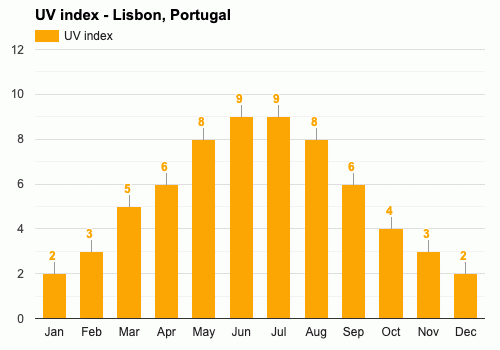
As you can expect, June and July are the months when the UV radiation is strongest. You can see that clearly in the graph on the right (which is data from Lisbon but it represents other places in Europe).

uv index lisbon

Sunburn

Sunburn is particularly problematic because the number of times you get sunburned increases the risk of skin cancer throughout your life.

One study shows that in women who had at least five blisters from the sun when they were 15 to 20 years old have at least a 68% increased risk of skin cancer.

UV index

Number of minutes after which your skin discolors

Degree to which skin can burn

1 – 2

50 – 100 minutes

3 – 4

25 – 35 minutes

5 – 6

15 – 25 minutes

easy

7 – 8

10 – 15 minutes

Fast

9 – 10

Less than 10 minutes

Very fast

What can you do as a surfer?

The good news is that you can do a lot yourself to prevent skin cancer. Below you can read the 12 tips.

12 tips

What can you do to protect your skin before, during and after surfing?

  1. Apply at least 30 minutes before going out.
  2. Apply well. Not a thin layer. But a thick full coverage on your skin.
  3. Apply regularly. You have to reapply again every two hours. Not ideal if you surf, where you can forget the time but you have consistent sun protection.
  4. Don’t just rub your head. Even if you are wearing a wetsuit, you should lubricate all your bare body parts.
  5. Do you have children? Always lubricate them well, given the reason we mentioned above, that burnt skin at a young age greatly increases the chance of developing skin cancer later.
  6. Use sunscreen that adheres well to wet skin.
  7. Use a sunscreen that protects you from both UVA and UVB rays. An SPF 30 formula is the minimum advice.
  8. Go for a dawn patrol: the sun is strongest between 11am and 3pm, when it’s directly overhead. Therefore surf in the early morning or late afternoon.
  9. Take your location into account. In some countries / surf spots you have to be even more alert. Then it is better to be extra alert between 10:00-16:00.
  10. Apply again after surfing.
  11. Protect yourself with a hat or cap. Certainly with nice longboard waves where you don’t have to duck diving a lot or not, it pays to put on a surf cap or hat.
  12. Check your skin regularly. You can read how to do this below.

Which sunscreen?

Lubrication is therefore crucial. But with what? Which sunscreen? And which sunscreen stays well in the water?

Sunscreens protect your skin from the sun’s rays. The cream ensures that your skin burns less quickly, ages less quickly and it reduces your risk of skin cancer. The higher the protection factor, the better the protection. Use at least factor 30.

The type of sunscreen does not matter, says the KWF (Dutch Cancer Society), partly because all types of brands must comply with European legislation. In addition, a qualified safety assessor validates whether the substances used in the cream are safe.

In terms of safety, it does not matter which sunscreen you use. However, you may be allergic to certain substances that one brand uses and the other does not.

UV radiation: Also in cloudy weather?

Sunlight contains different types of radiation, including ultraviolet radiation (UVR), which is harmful to living organisms. The Earth’s ozone layer plays a vital role in blocking extremely harmful UVC, allowing only UVB and UVA to pass through.

Water, sand and snow reflect the sunlight (sand 20%, snow even 80%), so that more UV radiation reaches the skin and thus burns occur more quickly.

About 80% of the sun’s rays pass through clouds or fog, so that you can easily burn even in cloudy weather. Even when it is cloudy, the skin can still burn.

You will not notice an excess of UV-A: You will notice an excess of UV-B radiation immediately: the skin turns red. UV-B most powerful between 12:00 and 16:00. However, a significant overdose of UVA can go unnoticed. The skin does not give a visible warning in the form of redness or burning, but damage can occur in the meantime.

Check your skin

In addition to protecting your skin, it is important to check your skin regularly. Watch for areas that start to itch, bleed, or open and then heal poorly or not at all.

Look at moles to see if they itch or if you see changes such as:

  • change in color
  • scaling
  • the development of crusts
  • erratic, for example arachnid growth
  • easy bleeding
  • badly healed

ABCDE rule for melanoma

A melanoma usually arises from ‘intact’ skin, but can also arise from an existing mole. To be able to recognize a (starting) melanoma, there is the ABCDE rule, translated from English.

A spot is suspect if it has one or more of the following properties:

  • Asymmetry: the (mother) spot is not symmetrical in color or shape
  • Border: the (mother) spot has an irregular, irregular border
  • Color: the (mother) stain changes color or has different colors
  • Diameter: the (mother) stain has a diameter of more than 6 mm
  • Evolving: the (mother) stain itches, bleeds or changes

Checking your skin via an App

You can also use the app to check your skin. For example with SkinVision. With this app you can check spots on your skin.

Since very recently (spring 2021) there is also the Derm Assist app from tech giant Google. With this new app you can identify suspicious bumps to discover if it could be skin cancer. The app is said to have already been approved at European level for medical use.

Check what de Derm Assist app does:

When in doubt: go to the doctor. The doctor can properly determine what the next step is. You may then be referred to a dermatologist, the expert for skin problems.

Finally

Enjoy the most beautiful sport in the world. And protect yourself against that wonderful and dangerous sun.

And thanks again to the KWF, Professor Mike Climstein from Australia and Frederike Fransen, general practitioner from The Netherlands.

Surfskate: the skateboard for surfers

Have you ever wanted to surf on the streets? With a surfskate, you can do just that.

On days when the waves are flat, you can still improve your surfing skills and get the feeling of surfing with a surfskate. But what exactly is a surfskate?

Surf skateboard? What’s that?

It has already been said above. It’s a skateboard for surfing the streets. The shape of the board, but especially the trucks, makes it possible to be super maneuverable on the street. To feel the surf flow.

It is a great feeling and not comparable to a longboard.

More interest in surf skate since 2020

There seems to be more and more interest in surf skating.

surf skate interest

What’s the best surfskate for you?

A surf skateboard is interesting for every surfer. If you are more of a cruiser or a beginner, you do not necessarily have to buy a very flexible high-end surfskate. If you want to make radical moves with surfing and you already have a little skating or longboarding experience, you can go for a more dynamic board to further improve your surfing.

The nice thing about a surf skateboard is that (after practice) you can progress without stepping. You pump from one bend to the other. This also teaches you how to surf rail-to-rail.

Longboard vs surf skateboard

Because you can really imitate surfing with a surf skateboard, you already have the big difference with a longboard. And you can gain speed by moving through the trucks under the surf skateboard. With a longboard you will still have to step up.

The 6 most populair surf skateboards on the market

There are various brands that market this type of board. They differ slightly in quality, but they differ in particular in terms of truck flexibility. One board brand usually has more stable boards than the other.

The best-known and high-quality surfskate brands are:

Smoothstar

Smoothstar’s goal is to make surfers better. This brand is based in Australia. The SmoothStar Thruster invention (the front truck of the board) is patented. With this truck, the turns you make are not sharp, floppy or stiff, but are “Smooth” and as radical as you want and that’s why they call it “SmoothStar”.

Carver

This skate brand comes from California. Greg Falk and Niel Carver were looking for a solution for the flatdays. They came up with a way to make the front trucks move more easily. In the meantime, this has become one of the most famous surfskate brands.

Slide

Slide is part of Sancheski. A company in Irun (Northern Spain) that has been making sports equipment for over 80 years. Clothing and gear, such as the surf skateboard, which you see a lot in the Netherlands. This surfskate is made in collaboration with Hot Buttered Surfboards from Australia.

Swelltech

Swelltech is from Florida. Colin, the designer of the Swelltech board, started making his own board after his skateboard broke. And made his own trucks to get the surf feeling. Swelltech is now a leading surfskate brand.

YOW

YOW stands for Your Own Wave. These surf skateboards are produced in Barcelona.

Decathlon

The large French company Decathlon has taken a good look at all surf skates and longboards in the market. And partly on the basis of this we developed our own boards that are an excellent first choice for a large group at an accessible price.

Which surf skate brand for beginners?

If you read the reviews then there is an important conclusion for beginners: the brand doesn’t matter that much. Everyone is enthusiastic about the above brands and the boards they have. Although Swelltech is said to be less of a beginner board.

Important for your choice

  • The length of your board. See the size chart below.
  • Wheelbase distance
  • Your own intention:
    • Do you intend to really surf training?
    • Or just surf cruising?
    • Or do you really want to go into a bowl / skate park?

If surf cruising is mainly your intention, check these surfskate brands:

  • Carver
  • Slide
  • YOW
  • Decathlon

If you are going for surf training, check:

  • Smoothstar with which you can train your turns well.
  • Swelltech, which is seen as a more advanced board.

Video review surfskate

In the video below (from 2021) 15 boards are tested. Very handy to have a look.

Carver surfskate vs Smoothstar

Also check this review video of the Carver vs Smoothstart. You will see that the Carver is most pleasant for some and the Smoothstar for others.

Which size is right for you?

Check the table below for the correct size

Length Your weight Advises surfskate length
Less than 155 cm 25 – 55kg Less than dan 30″ (ca 76 cm)
150 – 170 cm 40 – 75kg 27 – 31” (ca 68 tot 79 cm)
160 – 181 cm 50 – 85kg 30 – 32” (ca 76 tot 81 cm)
165 – 187 cm 60 – 90kg 31”- 33” (ca 79 tot 84 cm)
175 – 193 cm 70 – 100kg 32”- 35” (ca 81 tot 89 cm)
182 – 203 cm 85 – 120kg 34”- 39” (ca 86 tot 99 cm)


Buying a surf skateboard?

The prices of a surfskate range between 80 and 300 euros. Decathlon already has an entry-level model for around 80 euros. But if you buy a Smoothstar, you have to raise your budget to a few hundred euros.

By following these tips, you can choose the right surfskate for you and start surfing on the streets

Editor’s note: picture in header is from surftenika