Thursday, February 12, 2026
Home Blog Page 8

Surftherapy: “We see amazing things happen during surfing”

His entire life rehabilitation specialist and surfer Tijs Bezeij has been fascinated by the sea. So for good reason he is very satisfied with his place of work in Heliomare, in the dunes of Wijk aan Zee.

This is the place where Tijs came up with his plan to start his new physical therapy and his foundation Surftherapy. This is already the fourth season Tijs is guiding unilaterally paralyzed patients in there rehabilitation process.

How? By surfing.

‘Surfing with rehabilitating patients originated when I was walking here with my surf board and ran into a patient of whom I thought: he is at a loose end. He was stuck in his rehabilitation process, learning how to walk failed.

So I said: “Why don’t we go surfing?” That’s how it began. And the remarkable thing was: it had an immediate effect on him. He even stood upright on his board. I took his picture instantly.’ Tijs laughs. ‘And even then people did not believe it. They probably thought I had been photo shopping it.”

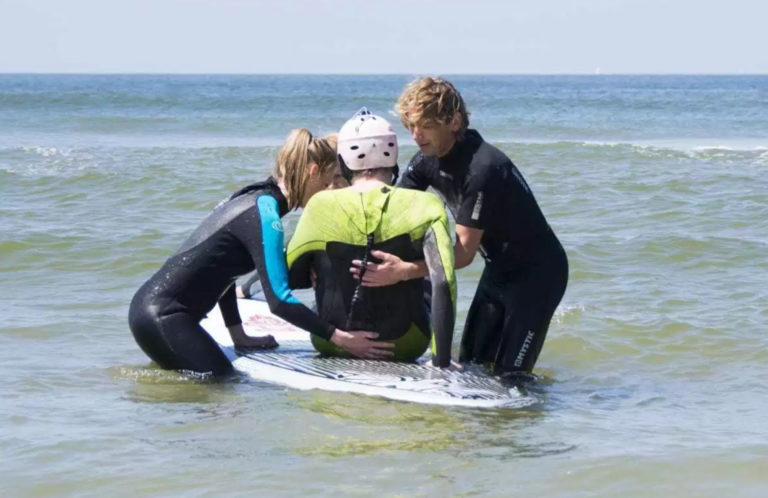
SURFING ON THE KNEES

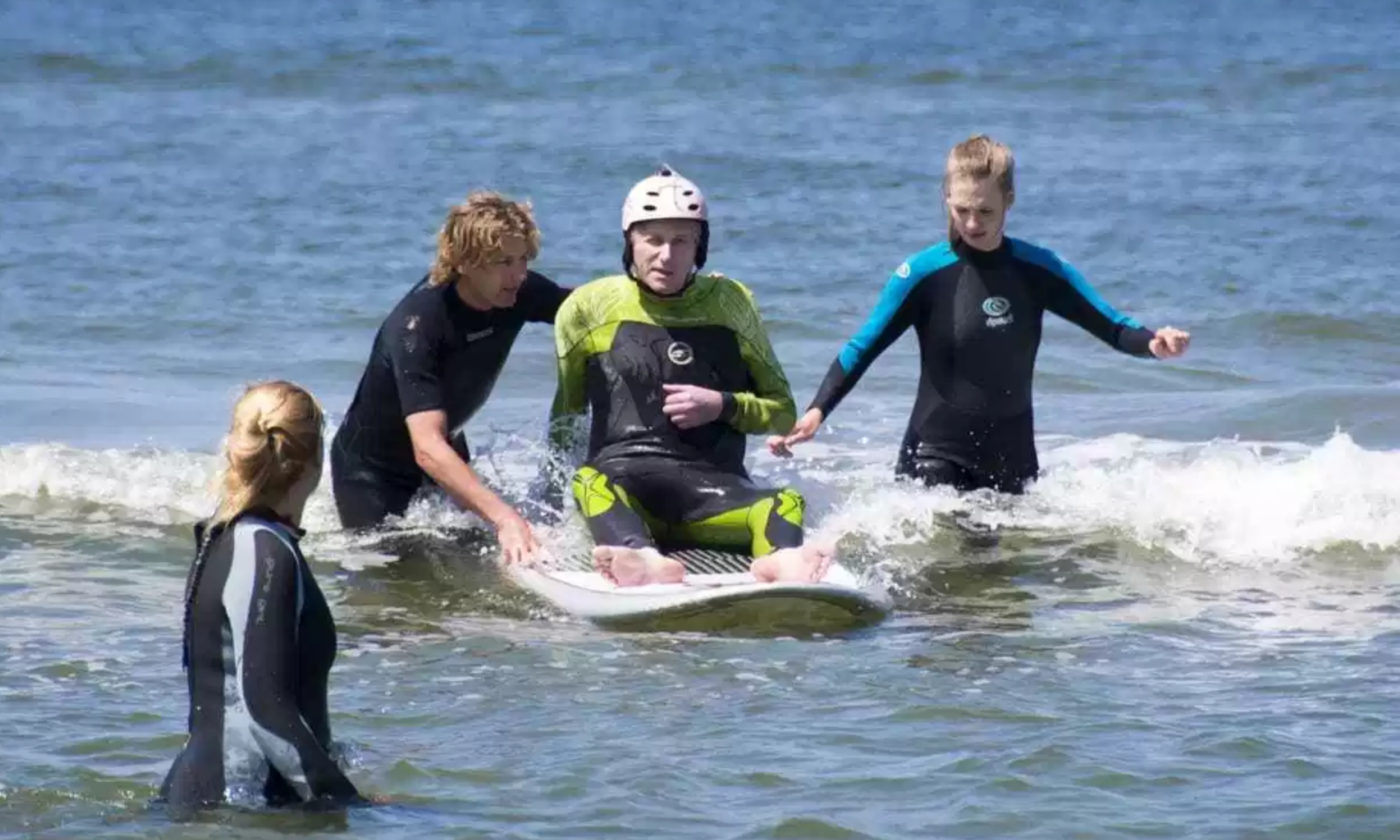
Together with Tijs, three participants of surf therapy have pulled up a chair: Paulien (31), Richard (52) and Dirk (69). Every Friday afternoon, when the weather is good, they are in the water.

Richard: ‘In 2017 I ended up at Heliomare. I was in day treatment and ran into Tijs who asked me if surfing would be up my alley. I immediately thought that was a nice idea. Surfing actually was my first encounter with sports again and I noticed it made me very happy. Being in the sea, picking up speed through a wave, learning how to steer. You work on your balance, you become more daring and at a certain point you are even confident enough to stand up on the board.’

Pauline: ‘When Tijs asked me I immediately thought: let’s do it, even though I could not picture it. The first time I was a little insecure. It’s cold, exciting and you are so focused on getting on that board.’

Tijs: ‘You sit on the board, you’re not lying down, so in fact you are much more unstable than a ‘regular’ wave surfer. And still, they tend to quickly switch to automatic behaviour. By changing your focal point, you focus on the horizon. Because of that you start to move in a completely different manner, more goal-oriented. The moment a good wave approaches we give them a little push.’ Tijs laughs. You can’t paddle with one hand for that matter. At the beginning everyone leans on their ‘right’ side for 80%, after that it becomes more natural.’

Dirk: ‘I had a catamaran from the age of sixteen. Therefore I can read the waves quite well so my introduction to surfing was successful. Only sitting down did not work, it made me get spasms in my legs, but I found out that if I went down on my knees, it worked much better. That gave me confidence. Amazingly enough it went well from the start: a wave approaches and they give you a push. I quickly realized that by leaning to the right, I could also steer.’ Laughing: ‘Right until the moment I found myself parallel with the waves.’

‘Waves are unpredictable: you have to react fast and because of that you react automatically.’

ACTING AUTOMATICALLY

In order to give a scientific basis of the positive effects of surfing on the rehabilitation process, Tijs started to work out a theory. ‘We still have to do field tests, but we can see that our participants in the water show automatic behaviour. If you are learning to walk again, you are literally thinking; where do I place my leg so that I don’t fall? By thinking your actions become slow and usually awkward.

surftherapy

Think about the conveyer belt at the airport where at the end a voice announces: Mind your step.” When you hear that message, you tend to act awkwardly.

At sea during surfing you learn to let go.

Waves are unpredictable, you have to act fast and because of that you react in a reflex. You make an appeal to the fast part of your brain and override the damaged area.’ Tijs gives an example. ‘There was a lady who’s left arm wasn’t functioning. During surfing she fell in the water and nearly got hit by her board because the next wave was approaching.

When she came out of the water she said: ‘That just went well, I was lucky to be able to react with my good arm.” But when we looked at the footage we saw that she stopped the board with her bad arm.”

Tijs laughs. “She couldn’t believe it and was convinced that the camera footage was the mirror image. We see amazing things happen during surfing. The participants really make progress.’

POSITIVE EFFECTS

We also see that progress reflected in the everyday life of participants. Richard: ‘I found surfing the first time a very good preparation for the holiday that was planned right after it. It gave me confidence to go into the sea.’

Paulien: ‘Through surfing I have more balance and more self-confidence. If, after a surf lesson, you find that you caught good waves, it makes you think: I can do this.’

Dirk: ‘I’m very impatient and maybe I can’t see the effects right away. But therapists tell me that I have more balance and that I am more able to keep my balance.’

Richard: ‘It also helped me in learning to walk again without a cane. Precisely because we get that push when we are on that board and also because we experience some spectacular wipe-outs, it became easier to train how to fall at the therapy centre. I gained more self-confidence. Because that was my problem at a certain point: That I was afraid to put my cane away.’

Tijs: ‘With Richard I saw his self-confidence grow. At the beginning everyone thought he was acting unsafe. But my perception changed completely when I went into the water with him. He is not acting unsafe at all.’

Laughing loudly: ‘He is just not communicating what he is going to do. Richard is good at doing unexpected things. Last summer he fell off his board and I said: “What are you doing?” To which he answered: “I’m going to swim to my wife.” Or once when he went under water, head and all: “Okay great, this way I can check whether I can go under water with a snorkel.”

Surfing with Richard has given me so much information. Precisely because he is not actually being dangerous in his movements, but he thinks it through, always.’

‘The fun I have during surfing really affects our family life’

PROJECT BONAIRE

Just like with The Surf Project, with whom Surftherapy is in close contact with, Tijs wants his therapy to be available for everyone. Preferably all year round.

For that purpose he first wants to prove the effect of his therapy using a pilot study. Tijs: We only notice that we can’t use the North Sea all year round. All our participants suffer from muscle spasms, tensions and convulsions. The cold is not a good influence on that. So we can gain even more profit.

Therefore the idea arose: find a piece of Netherlands where the water temperature is higher. It turned out to be Bonaire.

We now have gathered a group of nine participants, with whom I want to go to the island for ten days. It is a very mixed group. I also want to prove that it does not matter when you start with surf therapy. Even when three years have passed since your stroke, you can still gain so much from it. To prove this research is needed.

For that reason we would very much like to join the International Surf Therapy Organization (ISTO).

With the other organizations that are part of the worldwide network we can share experience, knowledge and possible locations. In doing so surftherapy gets a greater evidential value. That way more and more participants can profit from the great sport of surfing.

EUPHORIC FEELING

Why does surfing make us so happy?

Tijs explains. ‘In fact during surfing the same brain area is addressed as the one that plays a role in addictions. That creates the feeling that you want to go again, and again. The environment also plays a role. Between the waves you feel powerful and insignificant at the same time.’

But also the supporters on the beach, family and friends, are part of that euphoric feeling.

Paulien: ‘I remember I caught my first high wave and I stayed on my board. I just succeeded.’

Dirk: ‘My partner is used to me loosing myself in everything I do, so she is not surprised. But she can really see that my self-confidence has grown.’

Richard: ‘There is a video circulating the net in which I can be seen being launched from my board. The fun I have during surfing really affects my family life.’

Tijs: ‘I thought it was so nice that time when your wife was watching on the shore and she became more and more enthusiastic. She was shouting harder and harder. Well yeah, watching physiotherapy in a gym is not that exciting. This, however, is.’

Surftherapy video

Welcome to Hossegor documentary

0

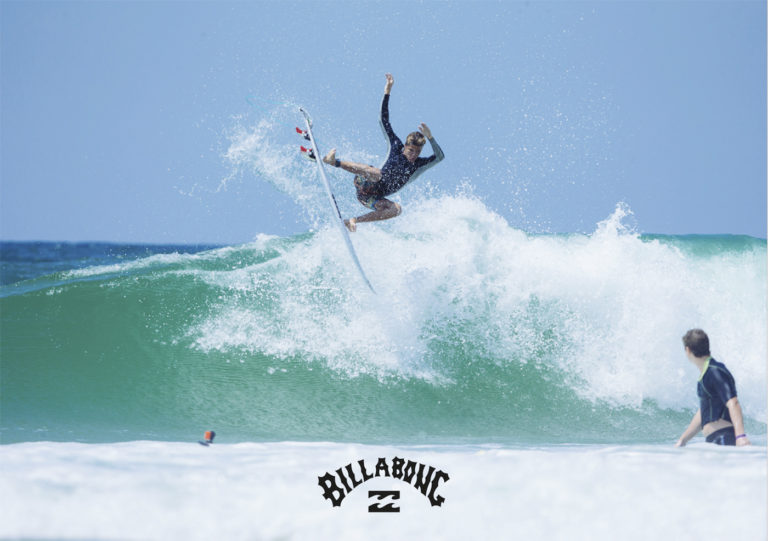
Billabong presents ‘Welcome To Hossegor’, a short documentary about Europe’s iconic surf destination in France.

In a short 8-minute format you’ll discover Hossegor’s famous beaches & breath-taking surroundings.

Read our Hossegor Surf Guide


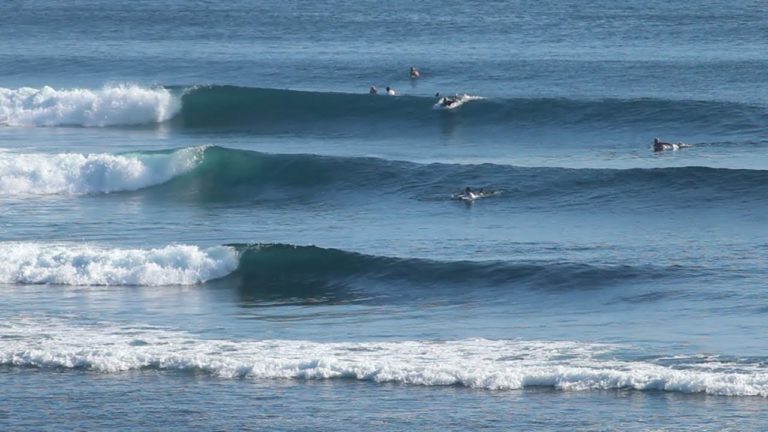
Uluwatu on a small day

0

This is what Uluwatu looks like on a small day. This is what the local call “shoulder high waves”.


Visa for Sri Lanka from April no longer necessary for EU citizen

0

That’s the good news of today.

Coming not from Sri Lanka. But from Berlin.

The Sri Lankan Tourism Minister John Amaratunga announced at the ITB in Berlin, that for all EU citizens, the visa requirement will be no longer necessary.

This means that it is no longer necessary for EU citizens to apply for a visa in advance. In addition, the entry fees (40 USD) are waived, so that the “residence permit” for Sri Lanka upon entry is given simply and free of charge.

In addition to EU citizens, citizens of Canada, New Zealand, Australia and the US are also benefiting from the easing of entry requirements.

Already from April the regulation should come into force. 

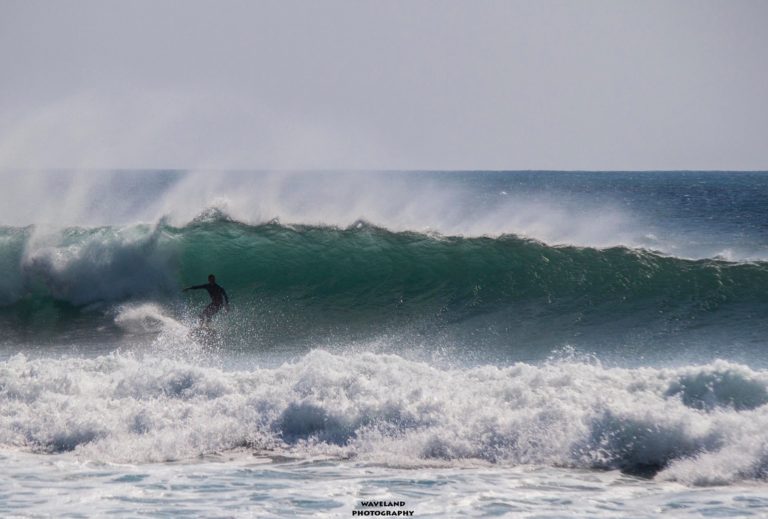
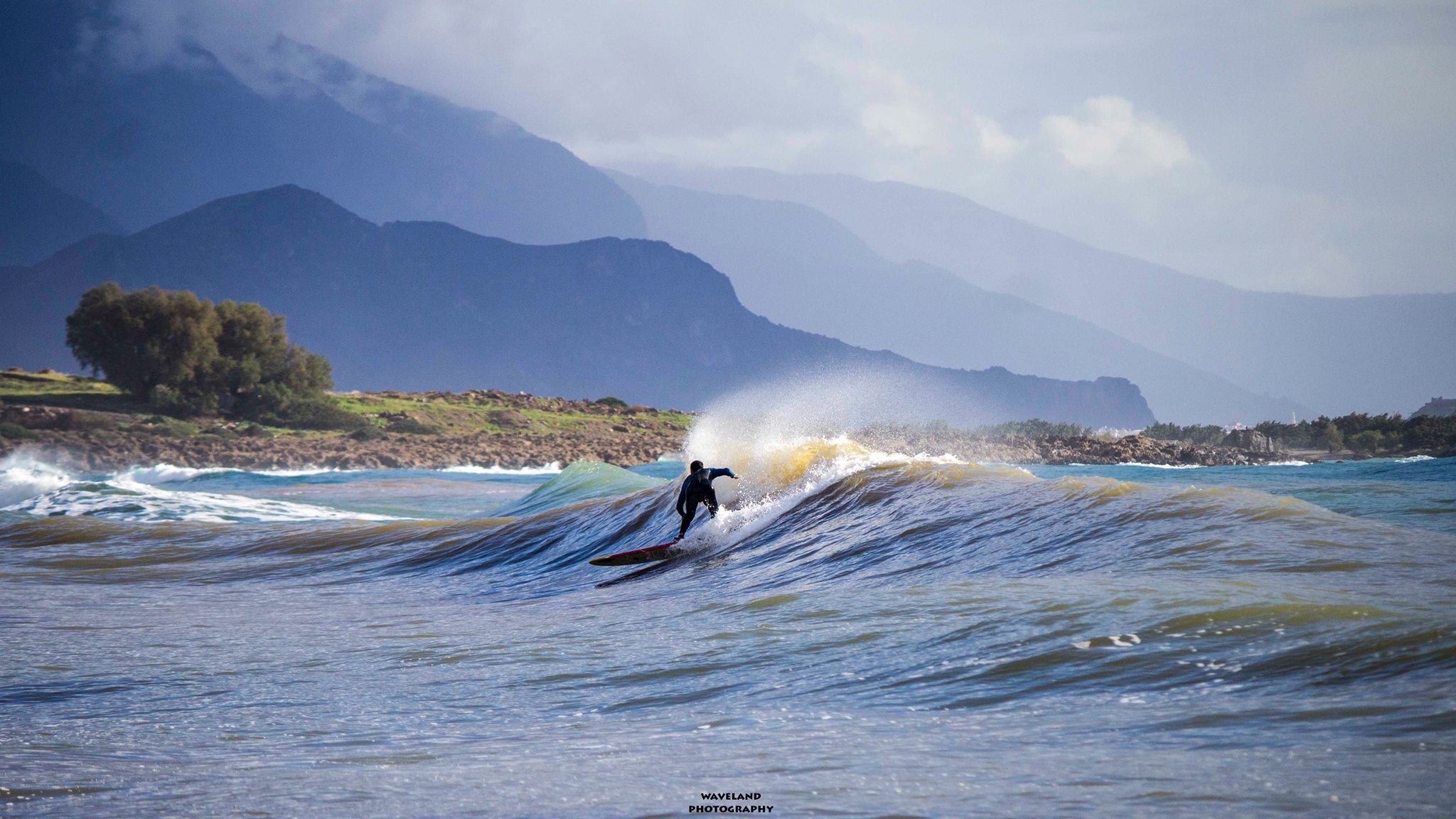
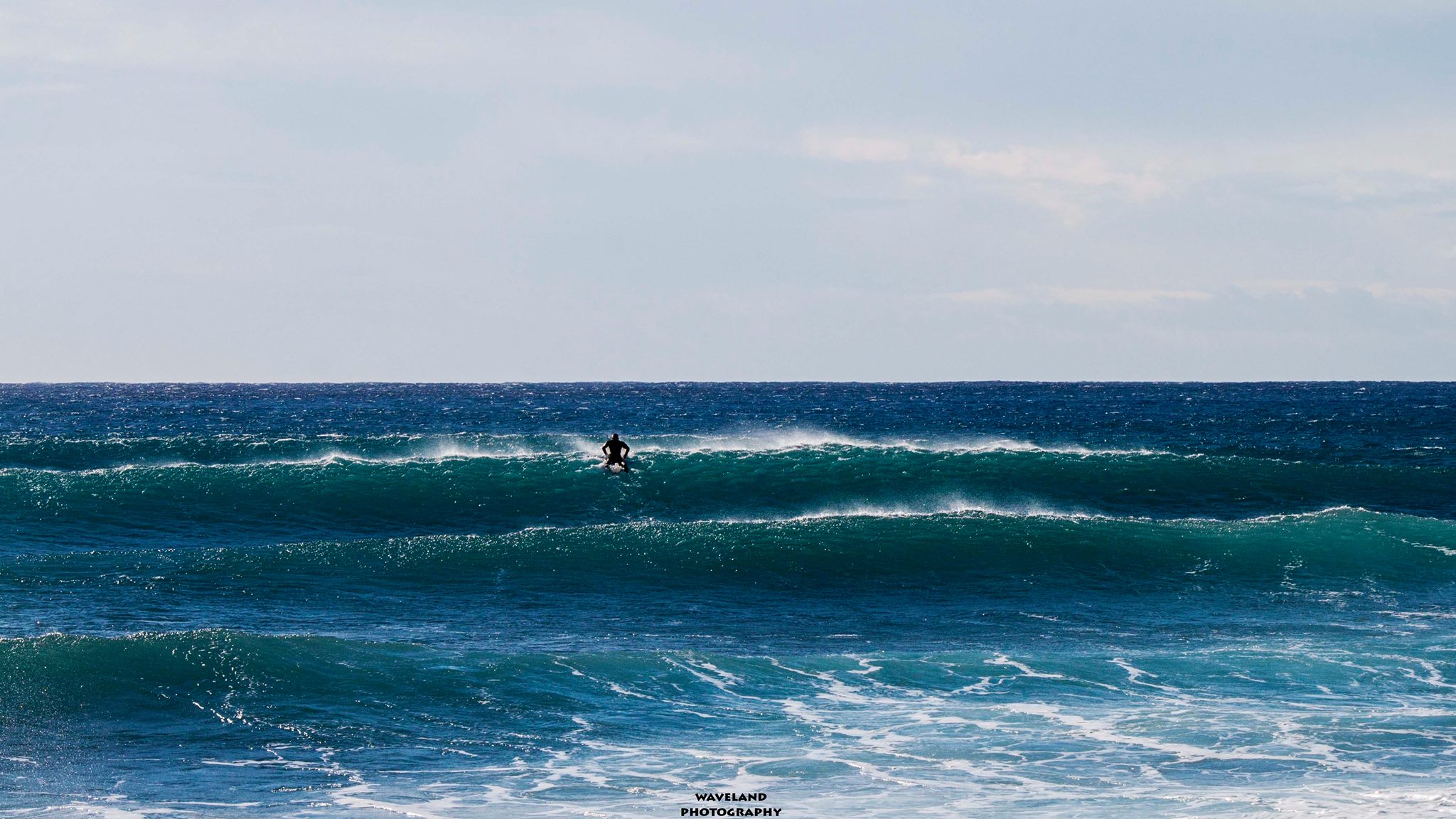
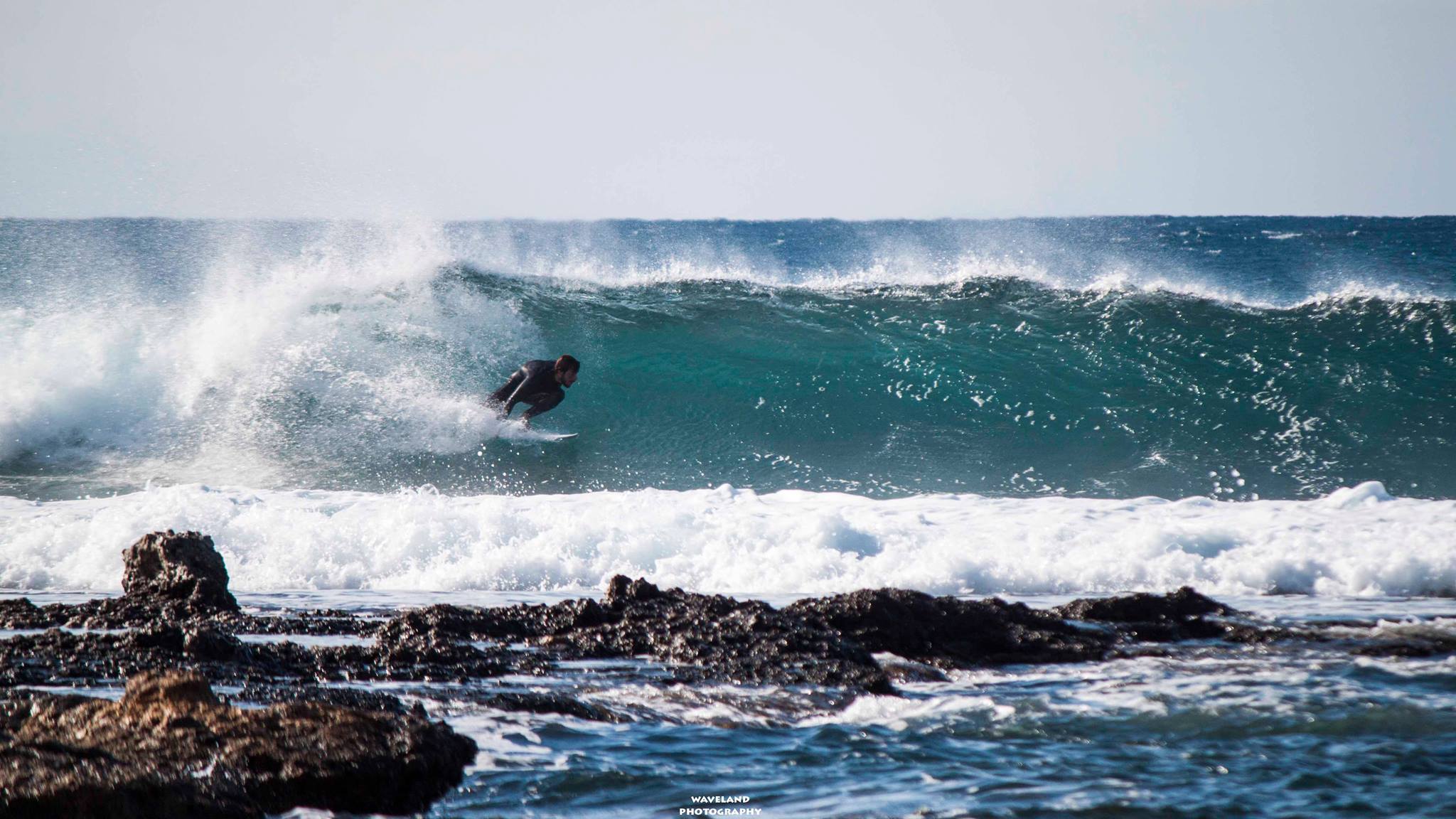
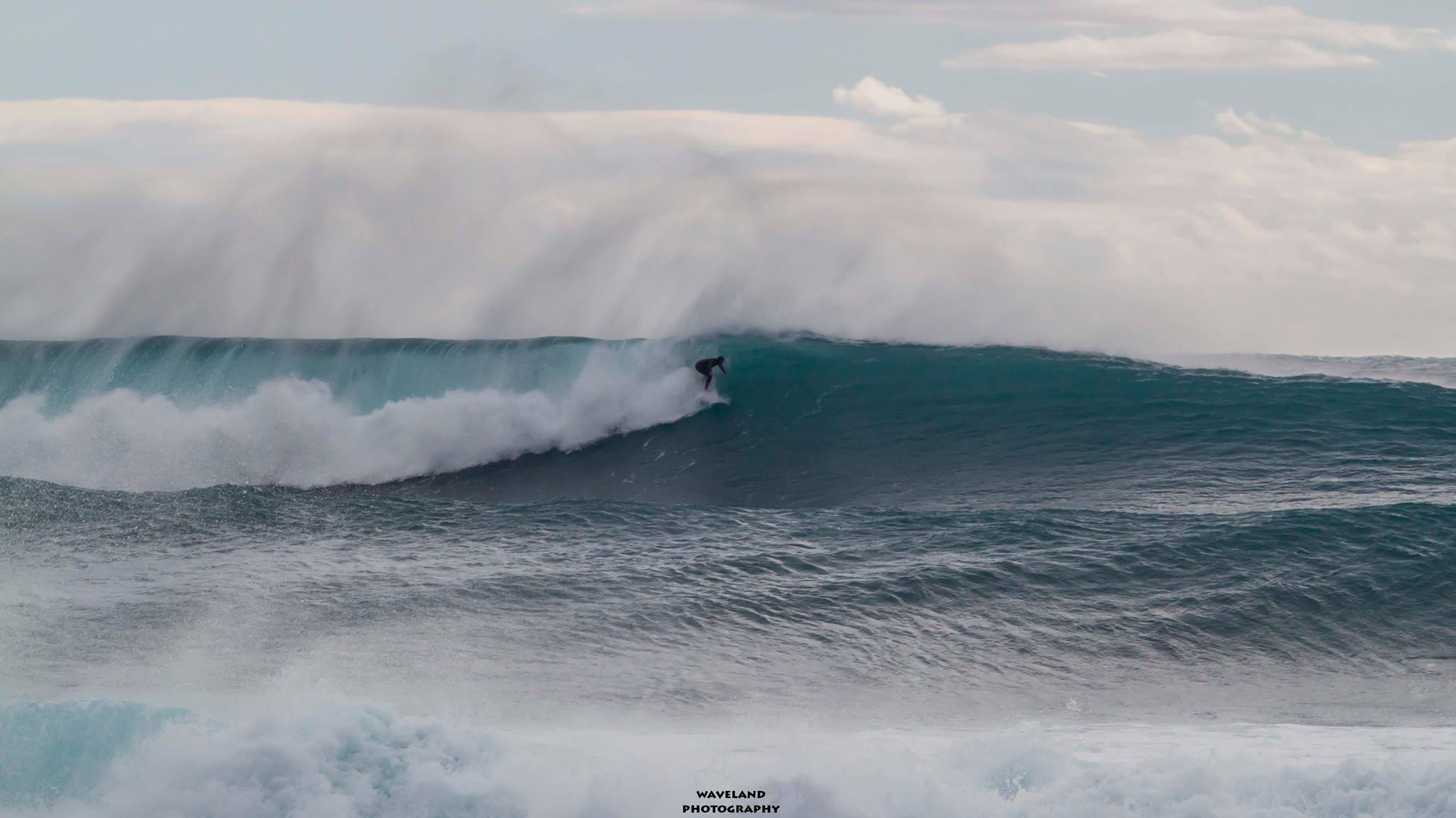
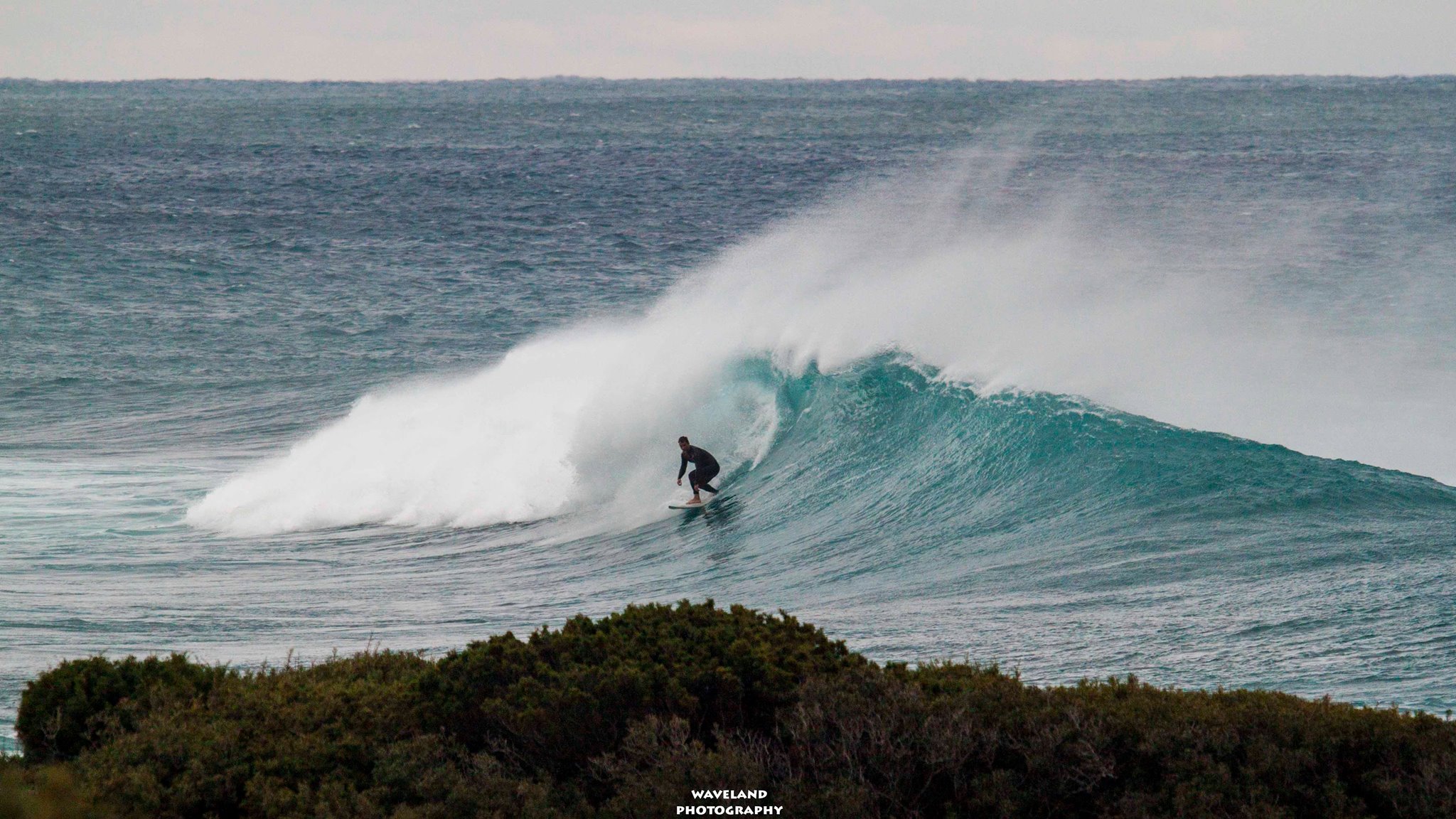
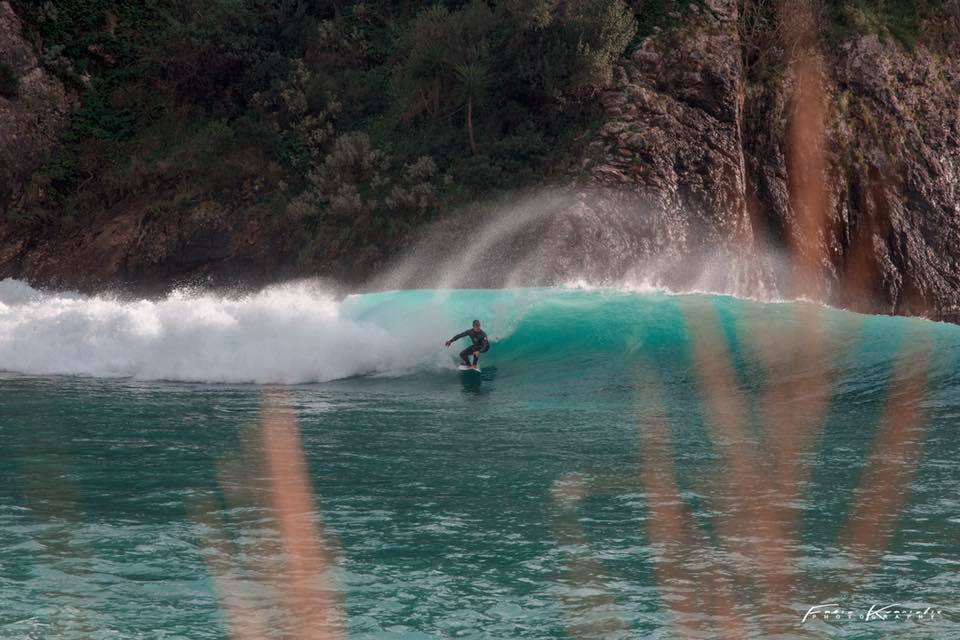
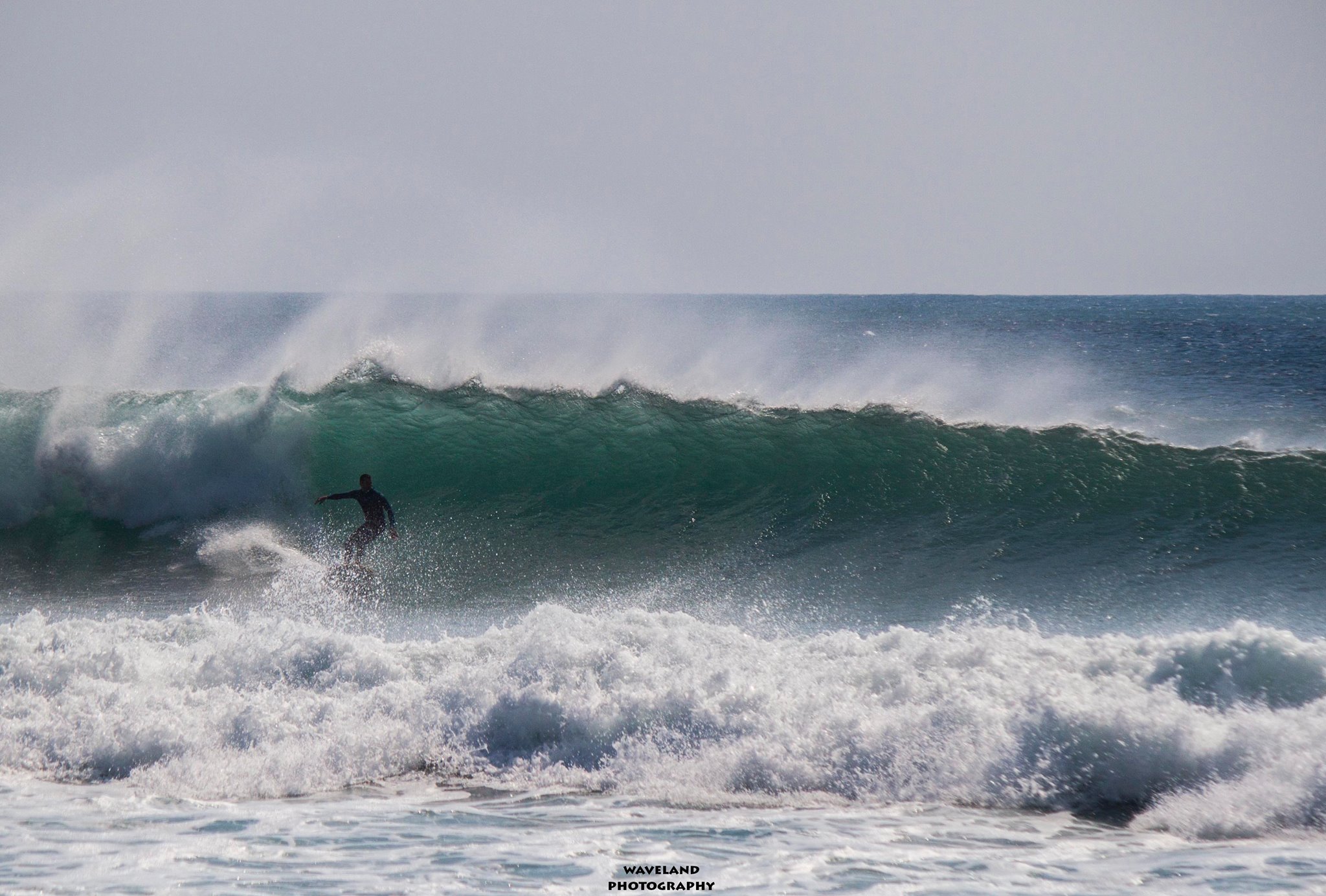
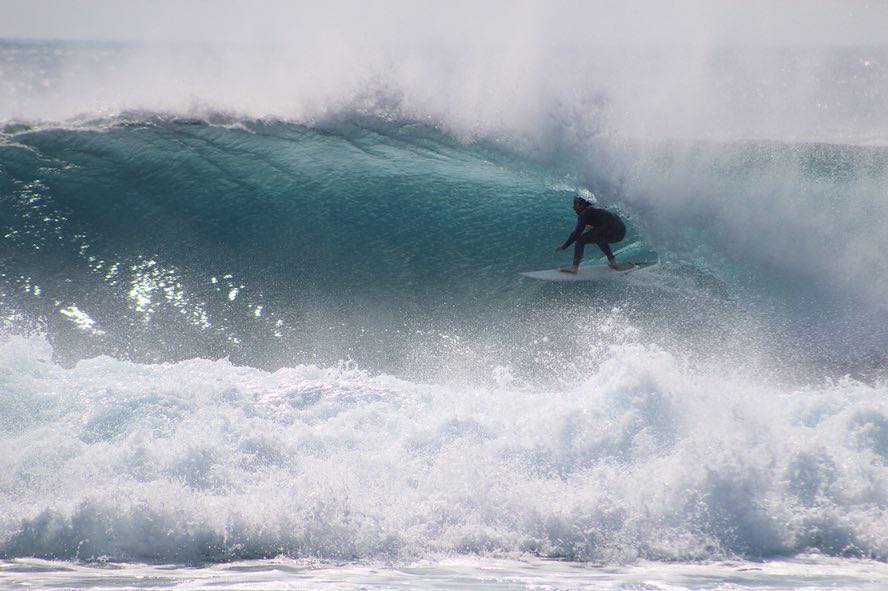
Greece on fire this winter. Check the top 10 surf photo’s.

Ever thought of Greece as a go to surf destination? Well, maybe you should. Whether it’s Crete, Corfu or the mainland. Check the top 10 surf photo’s we selected.

(thanks to Waveland Photography)

surfing in greece surfing in greece 2 surfing in greece 3 surfing in greece surf greece surf greece 2 surf greece 4 surf greece 3 surf greece 5 surf crete

Also check this article about surfing in Greece.

Drowning is a deceptively quiet event. How to recognize drowning?

The original article has been written by Mario Vittone, a retired U.S. Coast Guard helicopter rescue swimmer.

It’s an important article. It saves lifes.

Therefore we put the whole article on surf-escape.com. Please share with friends and family.

—-

Mario Vittone a short article about drowning in 2010. It went viral. Since then, it’s been translated into 15 languages, was published in the Washington Post, and Reader’s Digest eventually requested to buy the rights. After years of saying yes to requests to republish, repost and translate (there have been hundreds), Mario Vittone released the piece to the public domain.

For us at Surf-escape.com we want to make sure our followers will read the article below, because we’re so close to the water, many times.

Drowning Doesn’t Look Like Drowning

The new captain jumped from the deck, fully dressed, and sprinted through the water. A former lifeguard, he kept his eyes on his victim and headed straight for a couple who were swimming between their anchored sportfish and the beach.

“I think he thinks you’re drowning,” the husband said to his wife.

They had been splashing each other, and she had screamed, but now they were just standing neck-deep on a sandbar. “We’re fine, what is he doing?” she asked, a little annoyed. “We’re fine!” the husband yelled, waving him off, but his captain kept swimming hard toward him.

“Move!”

He barked as he sprinted between the stunned owners. Directly behind them, not 10 feet away, their nine-year-old daughter was drowning.

Safely above the surface in the arms of the captain, she burst into tears and screamed, “Daddy!”

How did this captain know — from 50 feet away — what the father couldn’t recognize from just 10?

Drowning is not the violent, splashing call for help that most people expect. The captain was trained to recognize drowning by experts and years of experience. The father, on the other hand, learned what drowning looks like by watching television.

If you spend time on or near the water (hint: that’s all of us), then you should make sure that you and your crew know what to look for when people enter the water.

Until she cried a tearful, “Daddy,” the owner’s daughter hadn’t made a sound. As a former Coast Guard rescue swimmer, I wasn’t surprised at all by this story. Drowning is almost always a deceptively quiet event. The waving, splashing and yelling that dramatic conditioning (television) prepares us to look for is rarely seen in real life.

Instinctive Drowning Response

The Instinctive Drowning Response, so named by Francesco A. Pia, Ph.D., is what people do to avoid actual or perceived suffocation in the water. And it does not look like most people expect it to.

When someone is drowning there is very little splashing, and no waving or yelling or calling for help of any kind.

Drowning number two cause of accidental death in children

To get an idea of just how quiet and undramatic drowning can be, consider this: It is the number two cause of accidental death in children age 15 and under (just behind vehicle accidents). Of the approximately 750 children who will drown next year, about 375 of them will do so within 25 yards of a parent or other adult. In 10 percent of those drownings, the adult will actually watch them do it, having no idea it is happening.

Drowning does not look like drowning. Dr. Pia, in an article he wrote for the Coast Guard’s On Scene magazine, described the instinctive drowning response like this:

  • Except in rare circumstances, drowning people are physiologically unable to call out for help. The respiratory system was designed for breathing. Speech is a secondary or overlaid function. Breathing must be fulfilled before speech occurs.
  • Drowning people’s mouths alternately sink below and reappear above the surface of the water. The mouths of drowning people are not above the surface of the water long enough for them to exhale, inhale and call out for help. When the drowning people’s mouths are above the surface, they exhale and inhale quickly as their mouths start to sink below the surface of the water.
  • Drowning people cannot wave for help. Nature instinctively forces them to extend their arms laterally and press down on the water’s surface. Pressing down on the surface of the water permits drowning people to leverage their bodies so they can lift their mouths out of the water to breathe.
  • Throughout the Instinctive Drowning Response, drowning people cannot voluntarily control their arm movements. Physiologically, drowning people who are struggling on the surface of the water cannot stop drowning and perform voluntary movements such as waving for help, moving toward a rescuer or reaching out for a piece of rescue equipment.
  • From beginning to end of the Instinctive Drowning Response, people’s bodies remain upright in the water, with no evidence of a supporting kick. Unless rescued by a trained lifeguard, these drowning people can only struggle on the surface of the water from 20 to 60 seconds before submersion occurs. (Source: On Scene magazine: Fall 2006 page 14)

This doesn’t mean that a person who is yelling for help and thrashing isn’t in real trouble — they are experiencing aquatic distress. Not always present before the instinctive drowning response, aquatic distress doesn’t last long, but unlike true drowning, these victims can still assist in their own rescue. They can grab lifelines, reach for throw rings, etc.

Signs of drowning

Look for these other signs of drowning when persons are in the water:

  • Head low in the water, mouth at water level
  • Head tilted back with mouth open
  • Eyes glassy and empty, unable to focus
  • Eyes closed
  • Hair over forehead or eyes
  • Not using legs
  • Hyperventilating or gasping
  • Trying to swim in a particular direction but not making headway
  • Trying to roll over onto the back
  • Appears to be climbing an invisible ladder

So, if a crewmember falls overboard and everything looks okay, don’t be too sure. Sometimes the most common indication that someone is drowning is that they don’t look as if they’re drowning. They may just look as if they are treading water and looking up at the deck. One way to be sure? Ask them, “Are you alright?” If they can answer at all, they probably are. If they return a blank stare, you may have less than 30 seconds to get to them.

And parents — children playing in the water make noise. When they get quiet, you need to get to them and find out why.

Learn More Myths About Drowning.

Surfing in Kalo Nero, Greece

0

For several days the waves kept on pumping in Greece at Kalo Nero (western part of Greece). See how awesome the waves got.

Below this video, there’s another one. A video shot in Kastro.

Kastro on fire

https://vimeo.com/302700275


Video surfweek Cantabria

Surfing in Cantabria, Northern Spain. Get an idea about the surf and the beautiful Spanish landscapes. Check out the video below.


Costa Rica Barrels #video

Two guys are on a surf holiday in Costa Rica. They surf a great surf spot. Producing barrels over and over again. Watch them having fun.


Perfect lefthander IN Lisbon

0

The perfect lefthander

Look at this perfect lefthander 😳 When a passenger ferry runs from Barreiro to Lisbon a wave shows up. These surfers know all about it. What would you do?


Dit bericht bekijken op Instagram


Een bericht gedeeld door Surf & Travel (@surf.escape) op