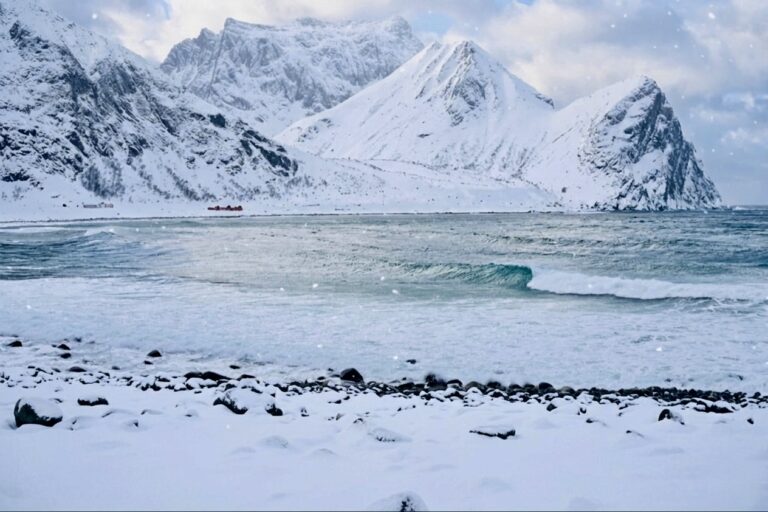
There are destinations you recognize from photos. And then there are destinations you only truly understand once you’re there. The Lofoten Islands belong to the latter.
Home Blog
Video of the Week: back in the water after weeks on the sidelines
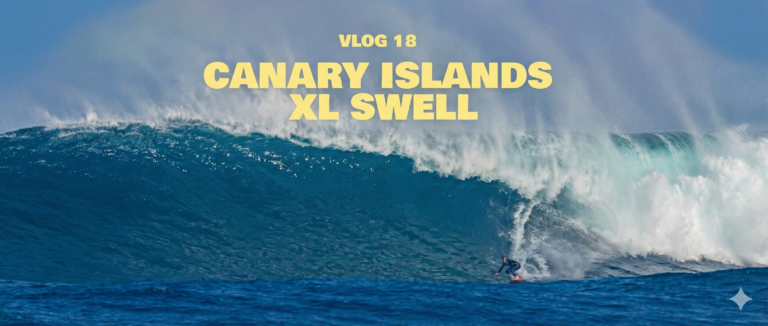
Video of the Week: back in the water after weeks on the sidelines
You may have been there yourself: weeks sometimes even months stuck on the sidelines. You still check every swell, refresh the forecast, even though your body keeps telling you “not yet.” Frustrating, restless, and above all: you miss the water.
Winter Wetsuits 2026 Explained
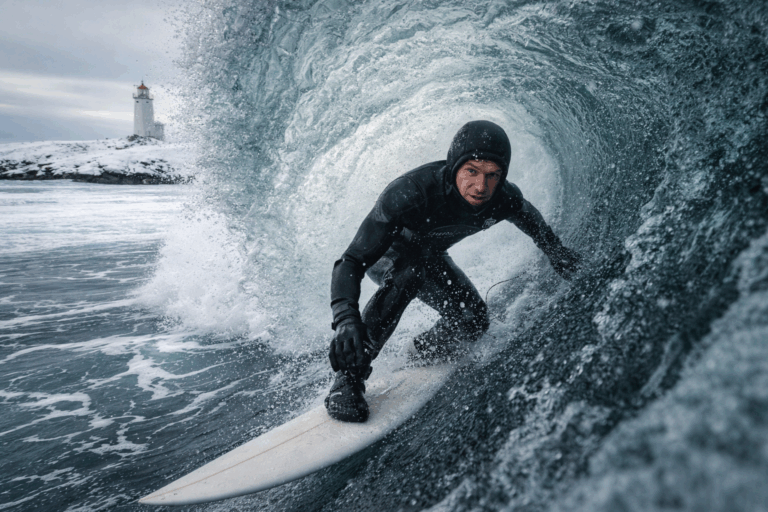
How to Choose the Right Cold-Water Wetsuit
(Without Freezing, Overpaying, or Falling for Hype)
Winter surfing has changed. Not because winters are suddenly warmer, but because wetsuits finally caught up.
Yet every winter, Surf-Escape still hears the same complaints: “My suit is thick but I’m still cold”, “I can’t paddle after an hour”, “It was expensive but it leaks”. The problem is rarely toughness or water temperature alone. It’s usually the wrong wetsuit choice.
Nazaré once again proves why it is the epicenter of big-wave surfing
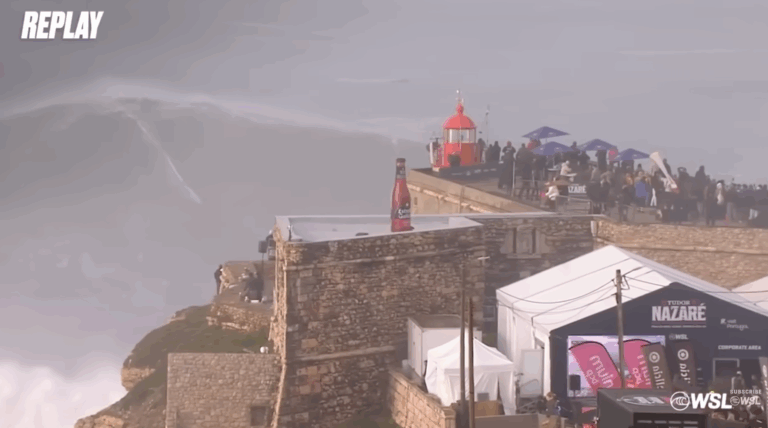
Praia do Norte once again delivered exactly what it’s known for worldwide: raw power, unpredictability, and waves that push the boundary between human ability and nature itself.
During this remarkable day — which instantly flooded social media — teams and elite surfers faced massive sets in the 45 to 60 ft range (14–18 metres).
These are precisely the kind of conditions that continue to define and reinforce Nazaré’s reputation as the ultimate big-wave arena.
In the video below, you’ll find the highlights from the day: perfectly timed tow-ins, brutal drops, heavy wipe-outs, and the constant balance between control and chaos.
Nazaré Big Wave Challenge: the results
The 2025/2026 TUDOR Nazaré Big Wave Challenge was recently held at Praia do Norte. Despite highly demanding and at times unpredictable conditions, several surfers and teams stood out:
- The Portuguese team of Nic von Rupp & Clément Roseyro claimed the team title once again, delivering strong and consistent performances in heavy conditions.
- Lucas “Chumbo” Chianca was named Best Male Surfer. He survived multiple heavy wipe-outs, supported by fast and decisive work from the safety crews.
- Justine Dupont confirmed her status as one of the all-time greats in big-wave surfing by winning the women’s title for the second year in a row.
These performances underline not only the sporting level at Nazaré, but also the critical role of experience, teamwork and safety at this extreme venue.
Official competition window now open
At the same time, the official competition window for the TUDOR Nazaré Big Wave Challenge 2025/2026 has now opened and runs through March 31, 2026.
Throughout this period, the world’s best big-wave surfers remain on constant standby. One perfectly aligned swell is all it takes to activate the event within 24 hours for a decisive, one-day tow-in competition.
Praia do Norte, Portugal
⚡ One-day tow-in format
On standby at all times
Want more context on this unique surf spot, the canyon effect, and why the waves here grow to such extreme sizes? Read our in-depth surf spot guide on Nazaré.
Watch the video
Watch the video and see once again why Nazaré remains the ultimate benchmark for big-wave surfing, season after season.
Surfing in Las Américas, Tenerife: dream spot or not for intermediate surfers?
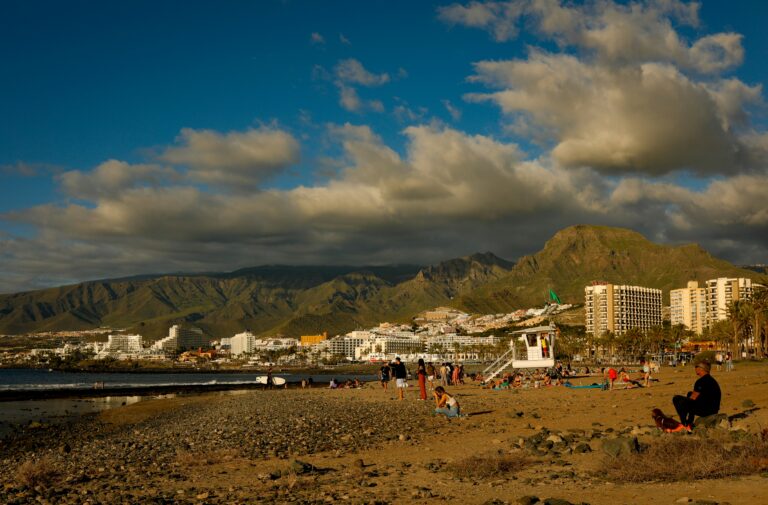
Surfing in Las Américas, Tenerife: dream spot or not for intermediate surfers?
Surfing in Las Américas on Tenerife often sounds like the perfect picture: sunshine, predictable waves, and that easy post-session vibe where you can walk straight to a café in your wetsuit.
But is it the ideal place for intermediate surfers?
The honest answer: yes and no.
Below you’ll find why Las Américas can be a brilliant base for intermediates — and also why it won’t suit every surfer.
Where is Playa de las Américas?
South-west Tenerife.

Why Las Américas is great for intermediate surfers
1. Year-round consistency
Las Américas receives swell almost non-stop. For intermediates this means more water time, more rhythm, and real progression. Winter often brings clean, reliable conditions.
2. Accessible reef breaks
The reefs here are rock, not coral. That makes them far less intimidating than the word “reef” might suggest. You still need to know your entry and exit points, but with a few pointers you settle in quickly.
3. Several spots within a tiny stretch of coastline
Within a 10-minute walk you’ll find different peaks, each with its own personality. Ideal if you like predictable take-off zones and the option to switch spots.
4. A strong surf setup out of the water
Surf schools, board hire, cafés, shops — everything is clustered together. For many intermediates, this practicality makes the area genuinely enjoyable and easy.
5. Coaching and help are easy to find
If you want guidance on positioning, the reef, etiquette or navigating crowds, local surf coaches are everywhere. A single session can make a big difference.
Why Las Américas is not always the best choice for intermediates
1. It gets busy. Very busy.
Beginners, surf schools, locals, advanced surfers — everyone is out there.
If crowds make you tense or you prefer more space, the line-up can feel overwhelming.
2. Crowd etiquette is serious
Tenerife is known as one of Europe’s more localised surf destinations. You’re welcome to surf here as a visitor — as long as you follow etiquette:
-
locals take the best waves
-
patience is essential
-
if you blow your first wave, it may take a long time to get another chance (if at all)
For an intermediate who sometimes hesitates, that can feel intense.
3. Not suitable on genuinely big days
When larger swells hit, the friendlier peaks turn fast and powerful. The reef becomes far less forgiving and experience really matters. On these days, intermediates often prefer beach breaks elsewhere on the island.
4. You have to like the touristy environment
Some surfers love the buzzing energy. Others find it “the busiest place on earth”. If you prefer quiet beaches, nature and space, the north or other parts of Tenerife will suit you better.
So… is Las Américas the best spot for intermediates?
Yes, if you:
-
enjoy predictable, user-friendly reef breaks
-
like having facilities right at the beach
-
want to progress through consistency
-
can handle crowds
-
understand and respect surf etiquette
No, if you:
-
get overstimulated or stressed in crowded line-ups
-
prefer mellow beach breaks
-
feel anxious around strong local crowds
-
want quiet, nature-rich surroundings
-
like the freedom to experiment without pressure
Practical tips for intermediates heading to Las Américas
-
Surf mid to low tide at El Medio and Bunker — more manageable and less crowded.
-
Go early or late — sunrise and sunset sessions are noticeably quieter.
-
Hire a local surf coach for your first session — you’ll gain respect, insight and confidence.
-
Avoid the most localised peaks, such as Izquierda and busy days at Derecha.
-
Respect etiquette — priority rules, safety, and local order. Follow them and you’ll generally be welcomed.
Winter longboard trip to northern Spain
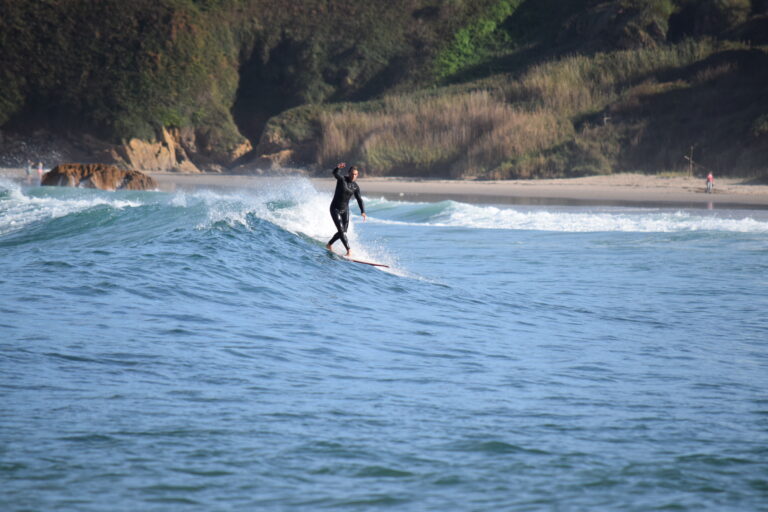
Winter Longboarding in Northern Spain: Quiet Lines, Rolling Swells & Pure Atlantic Freedom
Northern Spain in winter feels like a hidden chapter of Europe’s surf story: calm beaches, clean morning lines, empty car parks, and mellow waves wrapping into long sandy bays. If you’re a longboarder or simply someone who loves smooth, stylish surfing, this coastline offers some of the best winter logging conditions in Europe.
Why Northern Spain works so well for longboarders
Thanks to its position on the Bay of Biscay, Northern Spain receives consistent NW swells from autumn through spring. Unlike some parts of Portugal or France, the coastline here features:
- wide, forgiving beaches with long, predictable sandbanks
- plenty of space — even on good days
- clean offshore mornings, especially with easterly winds
- small-to-medium days that break perfectly for longboards
It’s the balance that matters: winter power when you want it, mellow longboard waves when you choose the right spot and timing.
What to expect in winter: conditions, vibe & water temperature
Wave size & Shape
From November to March, the region sees reliable swell. But because most beaches are open and gently sloping, they filter the power into smooth, rolling shoulders — especially:
- in the morning
- during mid-tide
- when winds switch offshore (E/SE)
Even on stronger days, beaches like Somo, Oyambre, Berria, and Laredo offer longboardable windows.
Wind
Winter favors offshore southeasterlies, especially in Cantabria. Mornings are almost always your best bet for clean shoulders.
Water Temperature
Expect:
- 12–15°C in winter
- a 5/4 mm wetsuit with booties
- 4/3 mm possible in early autumn and late spring
Wetsuit & Board Guide for longboarders
Winter Wetsuit Checklist
✔ 5/4 mm wetsuit
✔ Booties recommended
✔ Hood optional (helpful with strong north winds)
✔ 5/4 mm wetsuit
✔ Booties recommended
✔ Hood optional (helpful with strong north winds)
Best Boards for the Region
- Classic longboard 9’+
- Mid-length (7’–8’6”) for bigger days
- Funboard when you want a little more speed
Shops are open year-round in larger towns (Somo, Suances, Zarautz), but smaller rental shops may close in winter. Bbring your gear if possible.
The surf regions of Northern Spain. What longboarders should know
1. Cantabria — Best All-Round Longboard Coast
Somo, Loredo, Berria, Laredo, and Oyambre are all wide beaches with mellow profiles.
Ideal for winter longboarders.
2. Basque Country — Stylish & Surf-Culture Rich
Zarautz is the standout: long rides, consistent banks, and a classic surf town vibe.
3. Asturias — Scenic & Slightly Wilder
Salinas and Rodiles offer exceptional longboard waves, though Rodiles gets powerful in winter.
4. Galicia — Raw, Green & Beautiful
Pantín is the main longboard option: soft banks on smaller days, world-class scenery year-round.
The 10 Best Longboard Surf Spots in Northern Spain
Quick Navigation
Below you’ll find the strongest longboard locations — organised from east to west — with seasonal notes so you know exactly what to expect during winter.
1. Playa de Somo (Cantabria)
Quick Surf Guide – Somo
- Type: Wide beachbreak, soft banks
- Best in winter: Clean mornings with E wind
- Tide: Mid
- Winter vibe: Calm, big playing field
Somo is the most reliable longboard wave in Northern Spain. Clean shoulders, mellow take-offs and endless space make it a winter favourite.
2. Playa de Berria
Quick Surf Guide – Berria
- Type: Soft peaks between dunes
- Winter: Powerful but clean with offshore wind
A beautiful, quiet beach that filters winter swell surprisingly well, delivering long rides on smaller days.
3. Playa de Oyambre (San Vicente de la Barquera)
Quick Surf Guide – Oyambre
- Type: Mellow beachbreak
- Winter: Best on 1.5m+ swells + morning offshores
A dreamy longboard beach inside a national park. Quiet, peaceful, perfect for logging.
4. Playa de Liencres
Quick Surf Guide – Liencres
- Type: Broad sandy bay
- Winter: Longboard only on smaller days
On calm winter swells, Liencres delivers rolling peaks with enough space for stylish cruising.
5. Playa de Los Locos (Suances)
Quick Surf Guide – Los Locos
- Type: Beach/point hybrid
- Winter: Best on medium lines
A scenic setup that shines in winter when the swell drops — ideal for longboards.
6. Zarautz (Basque Country)
Quick Surf Guide – Zarautz
- Type: Long sandy beach
- Winter: Clean lines on offshore days
Zarautz is stylish and consistent — a longboarder’s classic with good vibes year-round.
7. Salinas (Asturias)
Quick Surf Guide – Salinas
- Type: Wide beachbreak
- Winter: Smooth, long walls
Known for its longboard festival, Salinas has mellow winter waves perfect for cruisy sessions.
8. Rodiles (Asturias)
Quick Surf Guide – Rodiles
- Type: Legendary rivermouth right
- Winter: Too powerful on big days. Choose small swells
On the right day, Rodiles offers 100-meter rides. With winter swell: choose wisely.
9. Pantín (Galicia)
Quick Surf Guide – Pantín
- Type: Wide bay
- Winter: Best on offshore mornings
Pantín is famous for competitions, but on small winter days it’s a longboard paradise.
10. Laredo (Cantabria)
Quick Surf Guide – Laredo
- Type: Long beach
- Winter: Great on low-energy days
Laredo’s long, mellow walls make it one of the most forgiving winter waves on the coast.
When Is Northern Spain Best for Longboarding?
September–November: Best combo of swells + mild weather
December–February: Most consistent surf, colder water, clean mornings
March: Underrated longboard month — quiet and playful
December–February: Most consistent surf, colder water, clean mornings
March: Underrated longboard month — quiet and playful
Frequently Asked Winter Questions
Is it suitable for families?
Yes. Somo, Berria and Laredo have easy access, surf schools and safe zones.
What if a storm hits?
Move to sheltered corners (Suances, Zarautz) or simply wait for offshore mornings.
Is it beginner-friendly?
On small swells: absolutely. On bigger winter days: choose mellow beaches like Somo or Oyambre.
Explore more guides on Surf-Escape:
Surfing in Spain |
Wetsuit Guide |
How to Read a Surf Forecast
SRFACE Remix 4/3 wetsuit review
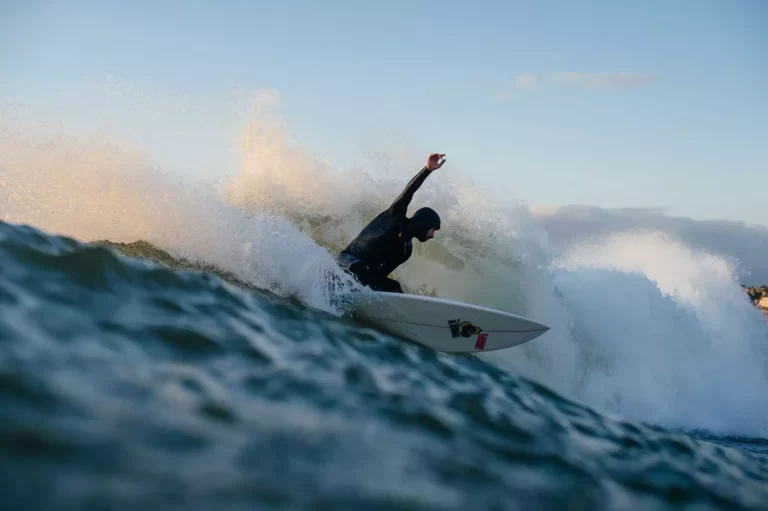
We’ve been surfing extensively in the SRFACE Remix 4/3 wetsuit for the past eighteen months. During the colder winter months, I switch to the 5/4 Heat (hooded) when conditions get really harsh. For spring and autumn sessions, the 4/3 Remix is our go-to: extremely flexible with pleasantly soft neoprene and surprisingly warm for its thickness.
tl;dr
– Pros: top flexibility thanks to Yamamoto limestone neoprene, soft against the skin, quick-drying, neat finish, excellent value for this segment.
– Consider: in winter combined with strong or icy winds, the Remix lacks windproof chest and back panels found on the Heat, making the Heat noticeably warmer.
– Recommendation: Spring/autumn → Remix 4/3. Cold, windy winter → Heat 5/4 hooded or 6/5 hooded for longer sessions.
– Tip: Black Friday discounts are live! Up to 40% off plus an extra 10% via our recommended supplier.
Discount and buying options
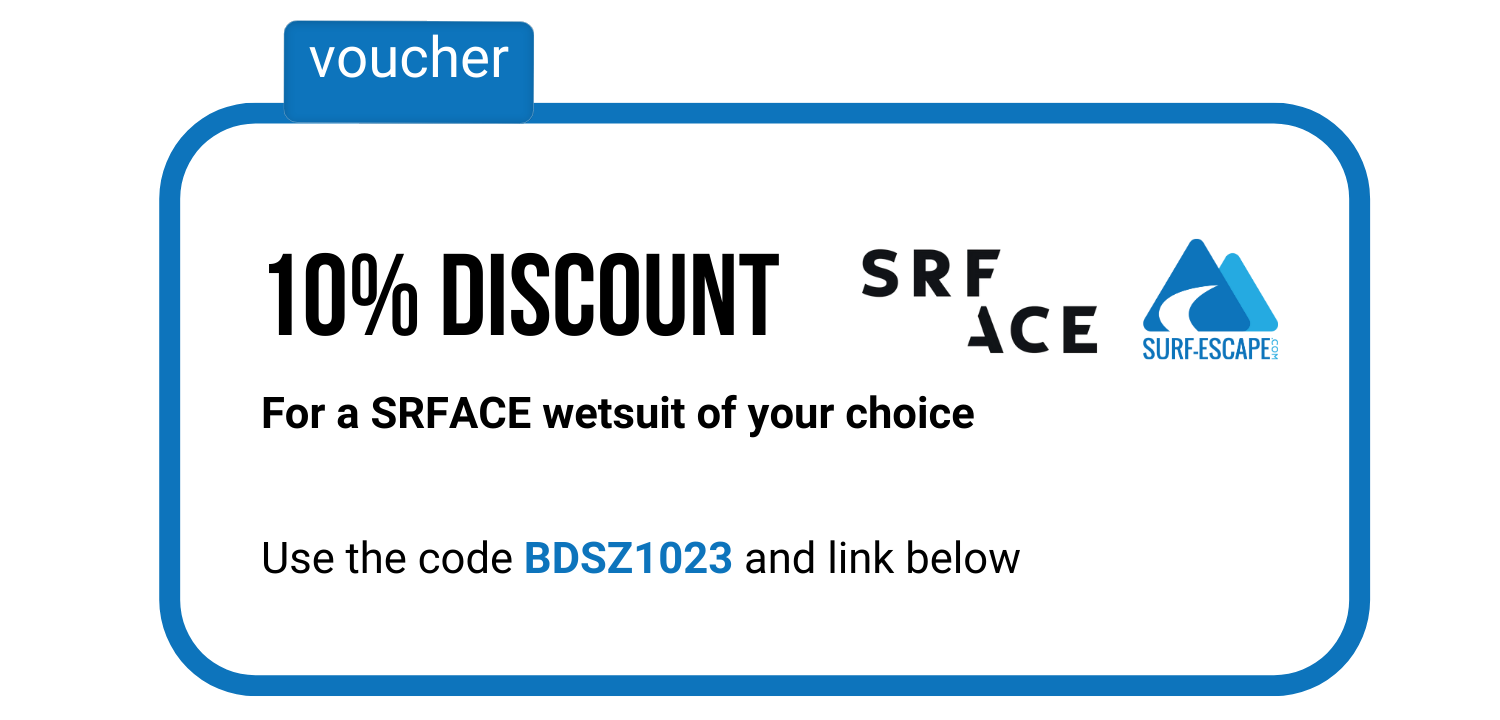
Good news: SRFACE wetsuits can always be bought with 10% off if you use the specified discount code at checkout. Check the best available offers via the official SRFACE store online.
Price and market positioning
The SRFACE Remix 4/3 retails for around €299, making it highly competitive in the upper-mid price range. Cheaper 4/3 wetsuits exist, but in wetsuit world, cheap usually means compromise. Thanks to high-grade Yamamoto neoprene and fine craftsmanship, this suit offers a premium feel without the top-end price.
Ready to buy? Visit the SRFACE website to pick your size and thickness, and don’t forget the discountcode:
Materials, construction and warmth
Think of the Remix as a high-end wetsuit focused on flexibility and comfort:
– Neoprene: Japanese Yamamoto limestone neoprene since 1964, double-lined with soft nylon/spandex jersey for extra stretch (up to ~400%).
– Lining: SRFACE plush in key warmth zones; shoulders, arms, and hips retain great freedom of movement.
– Seams: triple-glued, blind-stitched (GBS) and internally taped to minimise water entry.
– Seals: designed to limit flushing at neck, arms and legs while maintaining shape.
– Drying speed: hollow-fibre insulation dries quickly, so you can get back in the water without a cold, damp suit.
Remix vs heat: which model suits you?
| Remix (4/3, 5/4, 6/5) | Heat (4/3, 5/4 hooded, 6/5 hooded) |
|---|---|
| Strengths: flexibility, comfort, quick drying | Strengths: warmth, thanks to windproof panels on chest and back |
| Best for: spring and autumn; summer sessions in 3/2 or 4/3 | Best for: winter, long sessions, onshore or changeable winds |
| Limitation: can feel chilly in winter with strong wind due to lack of blocking panels |
Our honest advice: If you surf often in cold, windy winter conditions (like the North Sea), choose the Heat (5/4 hooded or 6/5 hooded for really long or freezing sessions). For spring/autumn or calmer wind days, the Remix 4/3 is a wonderfully flexible all-rounder.
Surfers’ experiences (pros & cons)
We’ve gathered genuine feedback from surfers, lightly edited here:
Critical (wind/winter):
“Go for the Heat in winter. My partner found the 5/4 Remix too cold when windy because the Heat’s chest and back panels really help.”
– Remix may feel cooler with strong winds.
– Some report faster wear on collar and seams after intensive use.
Positive (flexibility & comfort):
“Remix is my favourite—special neoprene, feels softer and more flexible.”
“5/4 hooded Remix offers top neoprene quality and comfort; 4/3 Remix is super flexible.”
– Widely praised for the soft feel and freedom of movement.
– Newer Heat generation is also more flexible than previous years.
Final verdict srface remix 4/3 (yamamoto)
– **For whom?** Surfers seeking top flexibility and comfort for spring and autumn (and mild winters without strong wind).
– **Why we choose it:** light, supple, quick drying, with a premium feel.
– **When not to choose:** winter combined with wind—here the Heat is better suited due to extra warmth and windproof panels.
Discount and 30-day trial
At srface.com you can easily select size and thickness. You get 30 days to try it out; shipping and returns are free, and customer service is run by surfers themselves, available 7 days a week.
Check the latest deals and explore the[Remix product page.
—
Frequently asked questions
Is the srface remix 4/3 warm enough for uk winter surfing?
On calmer days and shorter sessions, it can suffice. However, in strong or icy winds, the Heat with its chest and back windproof panels will keep you considerably warmer. For long winter sessions, opt for the 5/4 hooded or 6/5 hooded version.
What’s the difference between remix and heat?
The Remix focuses on maximum flexibility and comfort. The Heat adds windproof chest and back panels for extra warmth. The latest Heat models are also more flexible than older generations.
How do i choose the right size and thickness?
SRFACE offers a clear size and thickness guide on their website. Unsure? Check out our wetsuit buying guide on Surf-Escape.com and benefit from the 30-day trial and free returns.
Does the remix wear out faster than the heat?
Some users report faster wear on collars and seams after heavy use. Proper donning/doffing techniques along with thorough rinsing and drying can significantly extend the suit’s lifespan.
What seasons is the remix 4/3 best suited for?
Spring and autumn are ideal. Summer can often be handled with a 3/2 or shorty. For winter, we usually recommend the Heat hooded wetsuits for maximum warmth.
Where to surf this winter in Europe? A practical preview for intermediate surfers
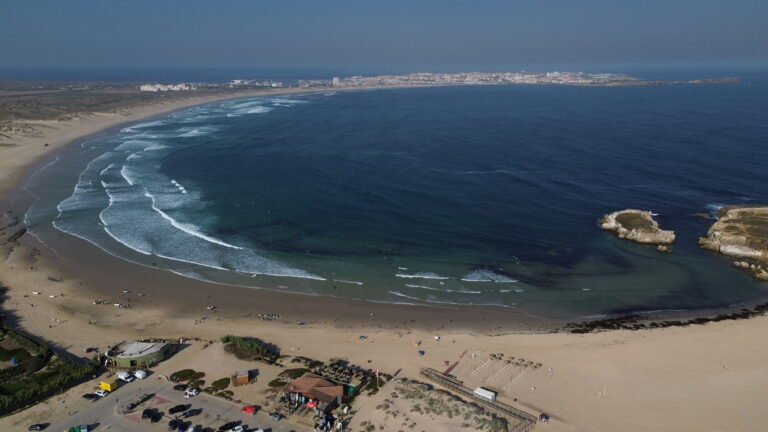
Where to surf this winter in Europe? A practical preview for intermediate surfers
TL;DR: Winter equals progress. Consistent swell, fewer crowds, more space to practice your turns. Don’t chase the biggest wave, pick the best shoulder instead. Top regions for mellow intermediate surfing: Peniche (Portugal), Zarautz & San Vicente (Spain), and on good days, a sandbank in southern France.
Why winter is your best window for surfing
Between November and March, the North Atlantic Ocean operates at full throttle. Storm systems generate deep groundswell that regularly reaches Portugal, France, and Spain. Surfing in winter means catching more sets and making faster progress.
What should intermediates watch out for?
1. Wind (offshore > cross-shore > onshore)
Offshore winds create a clean face and give you control on the drop. Cross-shore requires more effort. Full onshore winds feel like a tough workout and are far less enjoyable.
2. Tide
Beachbreaks usually have a sweet spot. Always check the tide chart beforehand and stay flexible in your choice of surf spot.
3. Ideal swell range for mellow to intermediate progress
For European beachbreaks, 0.8–1.5 metres is the perfect swell range for intermediates.
spot matrix: the best mellow/intermediate options
| Spot / region | Level | Winter swell range (intermediate) | Best wind direction | Best tide | Why it’s good for progress |
|---|---|---|---|---|---|
| Cantinho da Baía (Peniche, PT) | Intermediate — mellow | 0.8–1.5 m N / NW | E / NE offshore | Mid tide rising | Long rides, predictable shoulders, great for progression |
| Molhe Leste (Peniche, PT) | Intermediate | 0.8–1.4 m | E / NE | Mid tide | Clean face, fewer crowds |
| Zarautz (Basque Country, ES) | Beginner–Intermediate | 0.6–1.3 m | NE / E | Mid tide | Friendly beachbreak, perfect for practising turns |
| San Vicente (Cantabria, ES) | Intermediate — mellow | 0.6–1.2 m | W / NE | Mid tide | Gentle entry, long wave lines |
| Hossegor / Seignosse (FR) – only on smaller days | Advanced / Intermediate (only with the right sandbank) | 0.6–1.0 m | W / NE | Mid tide | World-class waves, but do not surf the big days |
Portugal — winter magic (Ericeira / Peniche / Algarve)
Ericeira: Multiple reef breaks with predictable lines. Easterly winds provide a delightful offshore.
Peniche (the best choice for intermediates): Molhe Leste and Cantinho da Baía offer long rides, clean faces, and ideal shoulders.
Algarve: West winds can bring onshore conditions, so drive 15 minutes to the south coast for cleaner lines.
Wetsuit advice: 4/3 mm with boots (Dec–Feb). Northern Portugal sometimes requires 5/4 mm.
France; sandbanks that change weekly (Hossegor / Capbreton)
Southern France can be raw. Big swells, fast drops, strong rips. But on smaller days (0.6–1.0 m), the sandbanks can be truly mellow.
Checklist on arrival:
- Check from the dunes: is the wave closing out? If yes, drive 300 metres down the coast.
- Pick sandbanks with clear shoulders, avoid those with beach-wide closeouts.
Wetsuit advice: 5/4 mm with boots, hood optional.
Spain (Basque country & Cantabria) — mellow & long lines
- Zarautz: super accessible, perfect line for practising turns.
- San Vicente: gentle entry, mellow sets, family- and intermediate-friendly.
- Mundaka: just watch for inspiration—it’s highly educational.
Wetsuit advice: 4/3 mm with boots.
Canary Islands (Fuerteventura): winter sun + mellow progression
Fuerteventura is a surfer’s playground: you can always drive to find offshore conditions. The north coast spots vary from mellow point-like reefs to friendlier beachbreaks around El Cotillo and Waikiki.
Why it’s perfect for intermediates:
- Many options within 20–30 minutes’ drive
- Not dependent on mid-tide beachbanks like France
- Clean wave faces courtesy of the trade winds
Top mellow/intermediate spots:
- El Cotillo (beachbreak) — mellow days, gentle entry
- Waikiki (Corralejo) — friendly vibe, long wall
- Punta Blanca (reef, right-hander) — predictable, great for turns
Swell range (winter, intermediate): 0.8–1.4 m
Wetsuit advice: 3/2 or 4/3 mm (Dec–Feb)
Morocco — mellow points & endless glides
Atlantic swells roll in long lines right onto the coast here. Winter is high season. The vibe is relaxed and the point breaks are ideal for developing flow and rail-to-rail turns, without the chaos of beachbreaks.
Why it’s perfect for intermediates:
- Long rides → more time on each wave → faster progress
- Many spots with gentle entry and predictable rhythm
- Active surf & coaching scene, including video analysis
Best mellow/intermediate spots:
- Imsouane (The Bay) — mellow, endless lines, perfect for technique
- Taghazout (Panoramas / Banana Point) — gentle points, safe exits
- Tamri (beachbreak) — an alternative when swell picks up
Swell range (winter, intermediate): 0.7–1.5 m
Wetsuit advice: 3/2 or 4/3 mm (Dec–Feb), depending on wind
FAQ
1. What wetsuit do I need in winter?
4/3 mm for Portugal/Spain, 5/4 mm for France.
2. Best swell range for intermediates?
0.8–1.5 metres for progression.
3. Best time of day?
Morning sessions tend to have less wind and emptier line-ups.
4. Where can I book coaching?
Choose a school that offers video analysis.
5. Week trip or month?
A week builds momentum; a month triggers a big leap in progress.
Surfing Near Lisbon in Autumn & Winter: Where to Find Shelter, Quality Swell and Consistent Waves
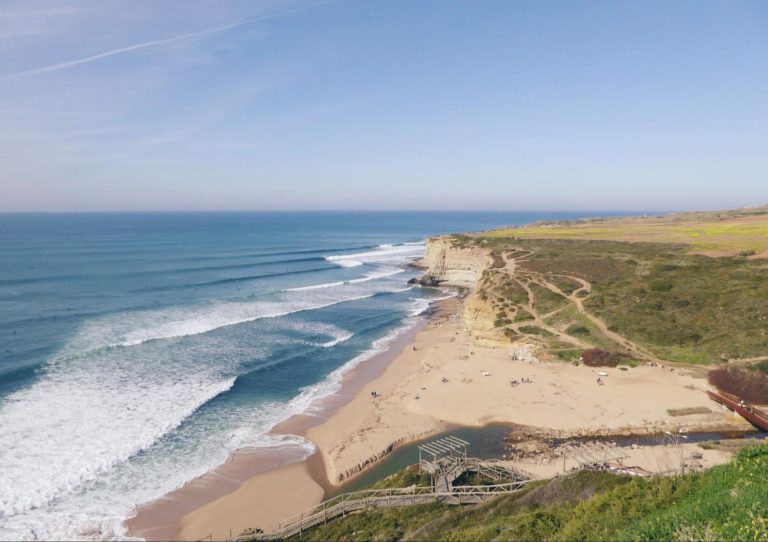
Surfing Near Lisbon in Autumn & Winter: Where to Find Shelter, Quality Swell and Consistent Waves
Autumn and winter transform the Lisbon coastline into one of Europe’s most reliable surf zones. The water cools only slightly in Portugal, Atlantic swells arrive like clockwork, and the beaches empty out. Creating the perfect window for intermediate surfers who want clean shoulders, more punch in the waves and space to progress.
But: the wind can be strong, the swell can get big, and choosing sheltered surf spots becomes essential. This guide helps you find the right places when the weather turns wild.
Why Lisbon Works So Well in Autumn & Winter
-
Consistent Atlantic swell — high-quality waves nearly every day.
-
Mild temperatures — often sunny, rarely freezing; water ~15–17°C.
-
Plenty of sheltered corners — crucial during north wind or heavy swell.
-
Fast access from the city — 20–40 minutes from Lisbon to most spots.
For many surfers, this is the best season to visit. You avoid the summer crowds and unlock the real power and beauty of the Portuguese coastline.
The Best Surf Spots Near Lisbon (Autumn & Winter Edition)
1. Carcavelos — great when the wind behaves
Carcavelos is usually the first spot people check in winter. It’s a powerful beachbreak, and when the north wind drops or turns offshore, the waves can be excellent.
Autumn/Winter conditions
-
Works well with clean north or northeast winds.
-
Can get too big during heavy swells — then look for sheltered alternatives.
-
Fun shoulders for confident intermediates when the banks line up.
Shelter factor:
Low. It’s exposed, so on stormy days it closes out quickly.
2. Costa da Caparica — long coastline with hidden sheltered banks
Caparica stretches for kilometres, which means you can often find a bank that handles the swell better — especially in autumn and early winter.
Why it’s good this season
-
Multiple sandbanks and jetties create pockets of shelter.
-
On big days, head further south towards Praia da Rainha or Praia da Sereia for more protection.
-
Early mornings often offer the best conditions before the wind picks up.
Shelter factor:
Medium. Jetties and the southern stretch help block some wind and organize the swell.
3. Guincho — powerful winter surf (only good when very calm)
Guincho is stunning but extremely exposed. In winter, the combination of swell and north wind often makes it unsurfable.
When it works
-
On rare calm, offshore winter mornings (NE–E winds).
-
For advanced surfers who like punchy beachbreaks.
Shelter factor:
Very low. Guincho is one of the windiest beaches in Portugal — avoid it on stormy days.
4. Cascais & the Estoril coastline — your go-to shelter in winter
When the swell is too big for Carcavelos and Caparica, locals head here. The rocky coves and small beaches around Estoril can handle larger swell and block strong winds.
Good winter spots include:
-
Praia da Poça
-
Tamariz (rare but fun on small takeoff zones)
-
Azarujinha — one of the most sheltered options when everywhere else is blown out.
Shelter factor:
High. These small bays offer protection from both swell and wind.
5. Ericeira (40 min from Lisbon) — winter paradise with protected reefs
Ericeira is technically outside Lisbon, but too important not to include. In winter, its reefs and points provide consistency and shelter that the beachbreaks near Lisbon sometimes lack.
Best sheltered spots for intermediates:
-
Foz do Lizandro — handles winter swell surprisingly well.
-
São Julião — good when the wind is offshore.
For advanced surfers:
-
Ribeira d’Ilhas — long, predictable walls.
-
Coxos — world-class, only for experts.
Shelter factor:
High to very high, depending on the reef and wind direction.
When to Surf Lisbon in Autumn & Winter
September – October
-
Warm water
-
Consistent, manageable swells
-
Great for progression
November – March
-
Stronger swells
-
Frequent offshore mornings
-
Best overall quality for confident intermediates
-
Wetsuit: 4/3, occasionally 5/4 in January–February
-
Practical Tips for Stormy Days
-
Go early — most spots are cleanest around sunrise.
-
Use coastal geography — bays and coves are your friend.
-
Avoid Guincho in winter storms — it gets chaotic fast.
-
Check tide carefully — many spots in Lisbon are tide-sensitive.
-
Wind apps matter — offshore wind can turn a heavy swell into magic.
-
Why the Algarve in winter?
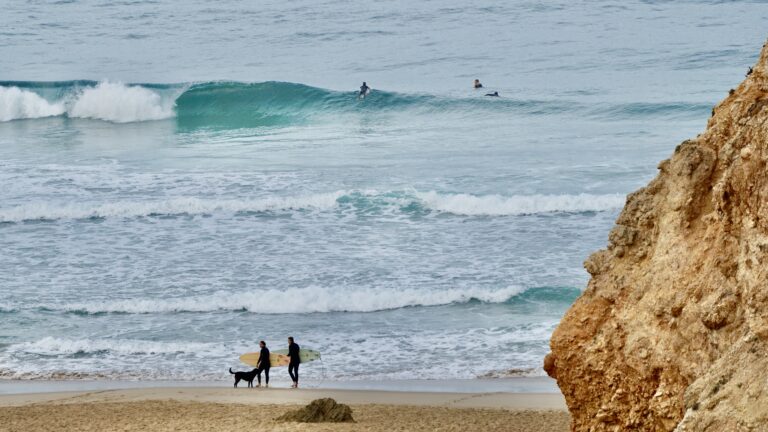
Sometimes adventure is closer than you think. Just a few hours on a plane and you’re standing barefoot in warm sand, under a sun that feels more like spring than winter. The air is soft, the ocean smells salty, and mellow waves start to peel across the bay.
Welcome to the Algarve. Where winter means space, light, and friendly surf.
Why the Algarve in winter?
The Algarve has something special: two coastlines that perfectly balance each other.
On the west side, you’ll feel the raw pulse of Atlantic groundswell. On the south side, calm bays catch smaller, smoother waves. Together they offer one of Europe’s most reliable surf combinations — even when the rest of the continent turns cold and grey.
The vibe
Winter here feels unhurried. You park by the dunes, walk to the beach, and see a handful of surfers waiting for the next set. After your session, grab a bica in the sun or a plate of fresh fish on a terrace where the sand still clings to your feet. Life slows down, perfect for families, longboarders, or anyone escaping the noise.
Where to surf
Sagres makes the ideal base. Within twenty minutes, you can shift between two worlds:
- South Coast (Lagos–Sagres): Sheltered beaches with long, mellow lines. Ideal for longboards and families when the west gets too big or windy.
- West Coast (Costa Vicentina): Wide, wild beaches with more power and punch. On smaller days you’ll find playful, flowing rides that sharpen your technique.
Local classics to check: Mareta and Beliche on the south coast; Amado, Cordoama and Castelejo on the west.
Play with wind and tide, and you’ll almost always find a clean window somewhere.
Explore more on the Algarve surf guide.
Boards & wetsuits
In winter, most locals wear a 4/3 mm. On warmer days, 3/2 is fine.
Water stays around 16 °C, air often hits 18-20 °C+.
A longboard or midlength (6’8–7’6) suits the south coast best; for the west, go for something with a bit less volume.
Need help choosing your wetsuit? Check the wetsuit guide.
Tips for families & longboarders
- Go for sandy, spacious beaches: Try Bordeira, Beliche or the coves around Sagres.
- Book a local surf guide: They’ll read conditions fast and get you to the right spot. A real time-saver with kids.
- Keep it easy: One surf session per day is plenty. Add a cliff walk at Ponta da Piedade, an ice cream in Lagos, or a lazy swim at your stay.
Practical info
- Fly to: Faro (direct flights from most European cities).
- Getting around: A rental car is essential — without it, you’ll miss half the coast.
- Best time: November – March for steady swell, mild weather (but it can get stormy) and quiet beaches.
- When to surf: Mornings are usually cleanest. Always keep a plan B or C for different wind or swell angles.
Why you’ll love it
The Algarve isn’t about chasing big waves — it’s about finding flow. Long rides, empty line-ups and that feeling of having outsmarted winter. You’ll head home sun-kissed, salt-haired, and already planning to come back next year.
Frequently asked questions
Is the Algarve good for beginners in winter?
Yes. By switching between the south and west coasts, you can always find smaller, manageable surf.
A day of lessons or local guiding helps with timing, safety, and choosing the right spot.
What if the west coast gets too big?
Head south toward Lagos–Sagres. The coast there is more sheltered from wind and delivers long, mellow lines.
Which wetsuit should I bring?
Usually a 4/3 mm. On warmer days, 3/2 is enough.
If the wind picks up, boots are handy.
Check the Boardshortz wetsuit guide for more details.